
Reading Skills Building Vocabulary Worksheets for Ages 5-7
7 filtered results
Difficulty Level
Grade
Age
-
From - To
Subject
Activity
Standards
Enhance your child's reading journey with our engaging Vocabulary Worksheets specifically designed for ages 5-7. These colorful, interactive worksheets provide a fun and effective way to build essential vocabulary skills. With age-appropriate activities, your young learners will explore words through visual aids, matching exercises, and creative games. Perfect for classroom use or at-home enrichment, our resources are tailored to foster a love for reading while developing comprehension and expression. By utilizing our thoughtfully crafted materials, you're setting up a strong foundation for academic success. Explore our collection today and watch your child's vocabulary flourish!
Favorites
With answer key
Interactive
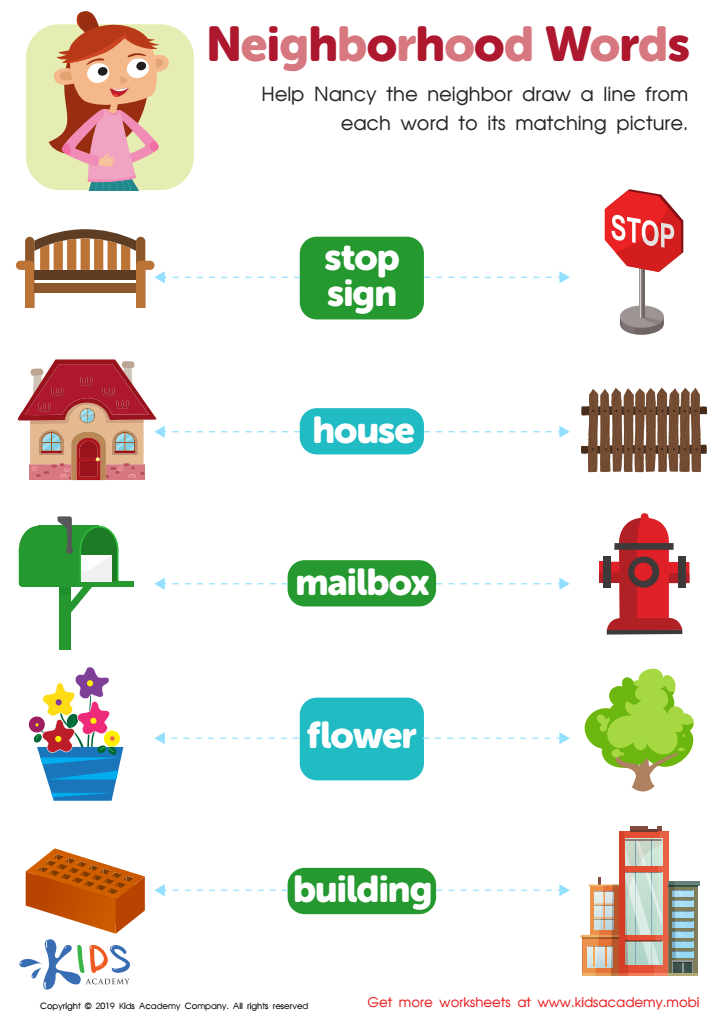
Neighborhood Words Worksheet
Help preschoolers develop life skills and familiarize them with words and concepts with this worksheet! It'll also boost their fine motor skills as they trace lines to match pictures with the words. They'll learn new words and feel more confident in their reading.
 Assign to My Students
Neighborhood Words Worksheet
Worksheet











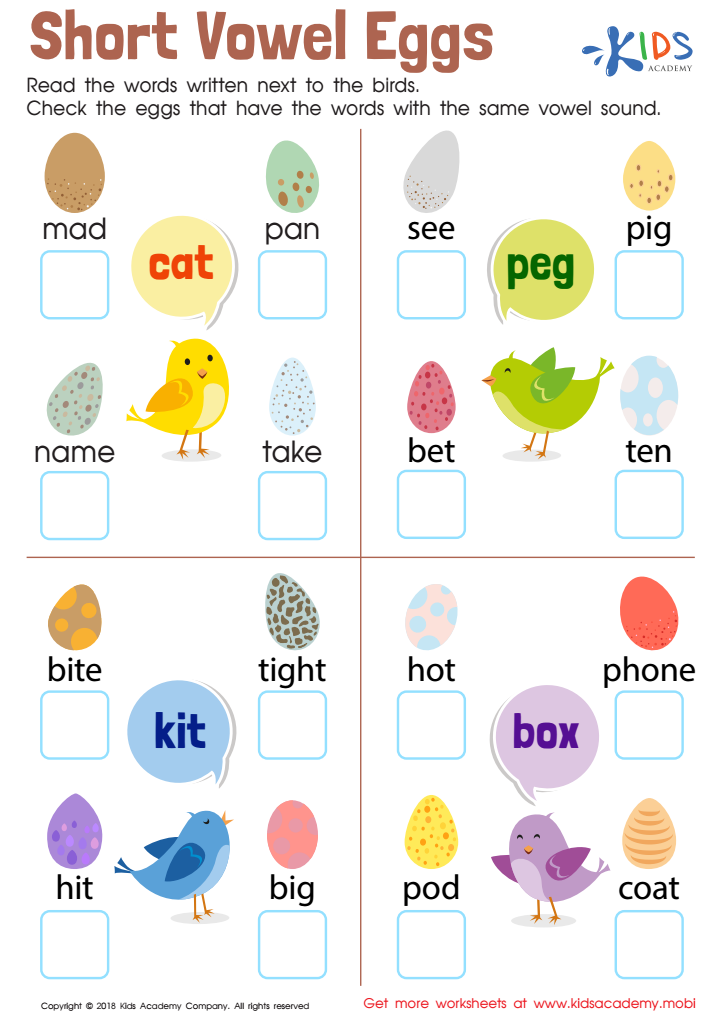
Short Vowel Eggs Worksheet
Your students will love helping these birdies pick the short vowel eggs! Have them read the words in the thought bubbles, then check off the boxes with the same short vowel sounds. The bright colors of this free Worksheet will draw them in and get them practicing their vowels!
Short Vowel Eggs Worksheet
Worksheet
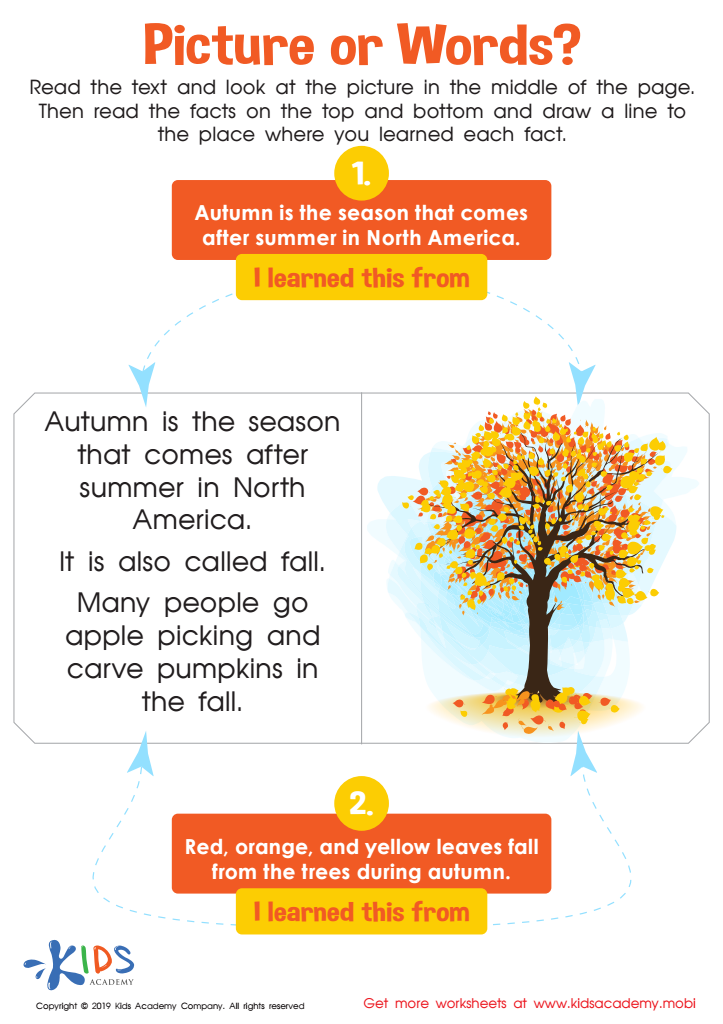
Picture Words Worksheet
Pictures are key for early reading skills. Remind children to use all resources when reading passages to understand meaning. With the free PDF, kids can learn through pictures & words, then answer questions based on what they learned. This hits home that all info in text is valuable, pics included!
Picture Words Worksheet
Worksheet
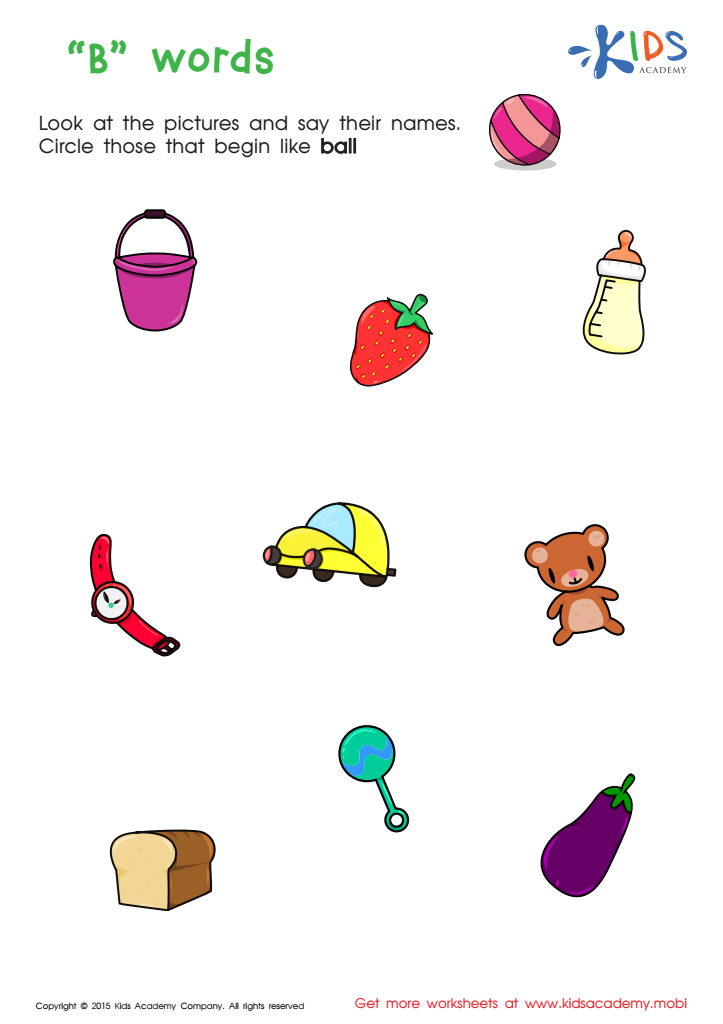
First Words Worksheet
Want to help your preschooler learn to read and write? Start with this 'B' words printable worksheet. It will help your child match pictures to the letters they know, sound out words, and build literacy. Once they understand the concept, they can start sounding out words and building reading skills.
First Words Worksheet
Worksheet
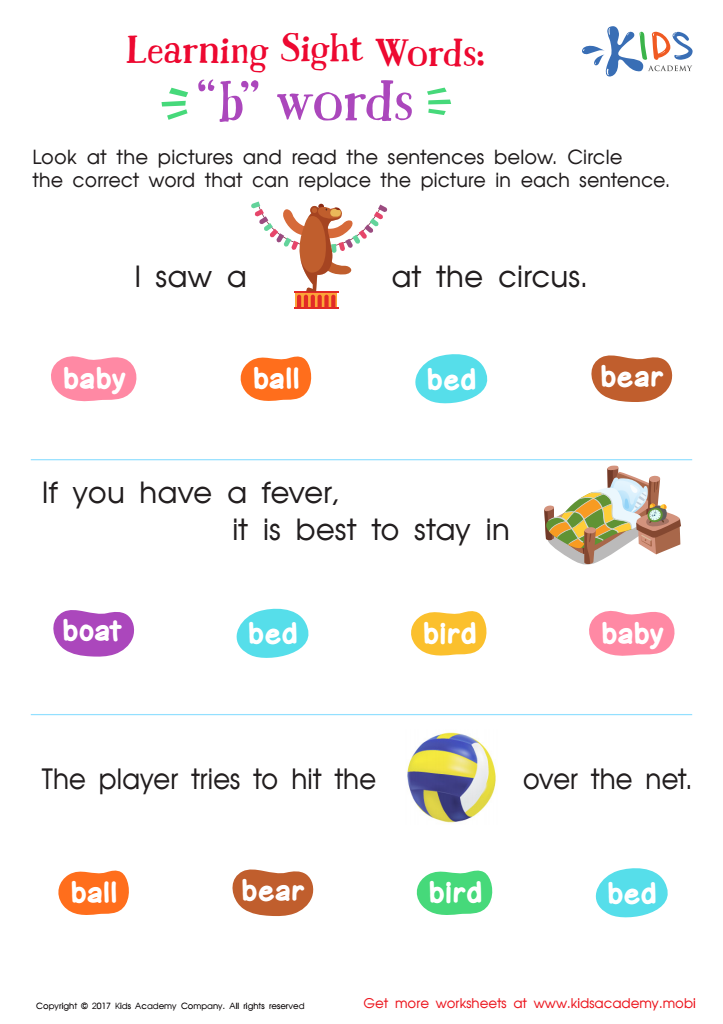
"B" Words Printable Sight Words Worksheet
Kids will learn sight words quickly with this fun worksheet! "B" Words offers guided practice with simple sentences and pictures. Build your child's reading confidence with this helpful worksheet and watch them become a master!
"B" Words Printable Sight Words Worksheet
Worksheet
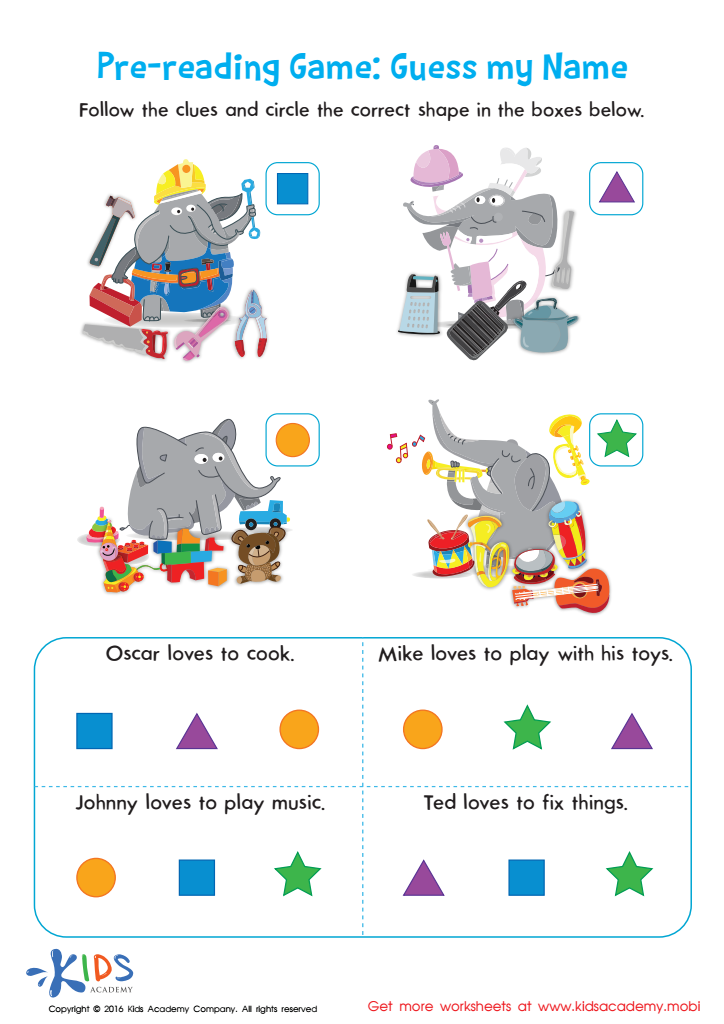
Pre Reading Worksheet Guess My Name
Guess My Name is a fun way to practice inference skills.
Guess My Name is a fun pre-reading game to help your child practice drawing inferences from clues. With colorful illustrations, they'll use clues to match each elephant with its sentence and sharpen their inference skills.
Pre Reading Worksheet Guess My Name
Worksheet
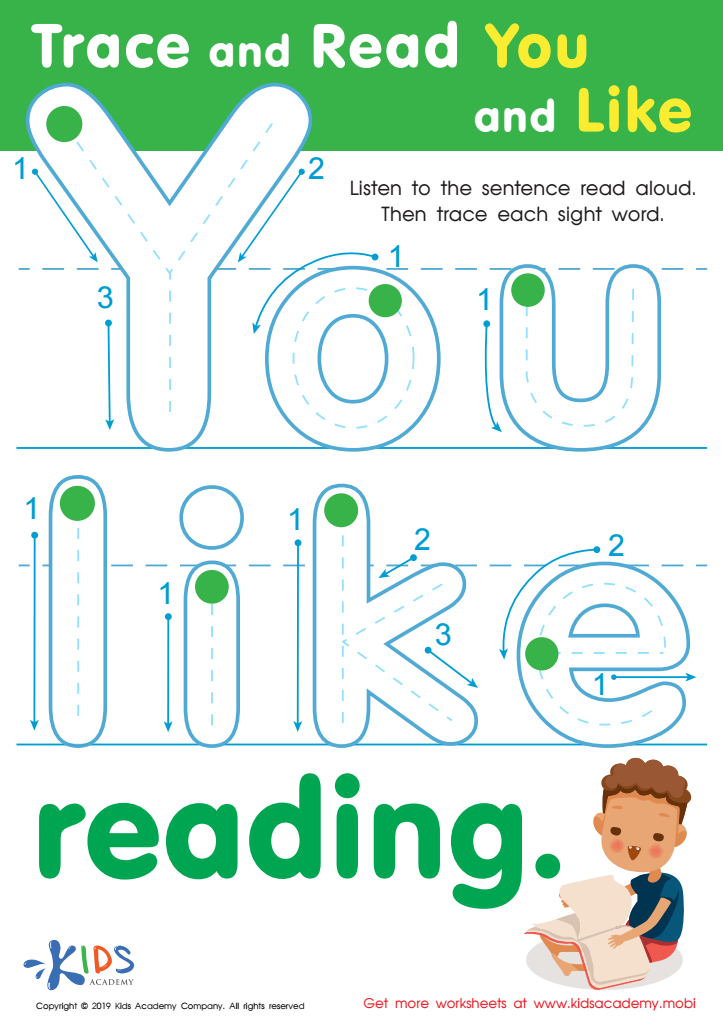
Trace Read You Like Worksheet
Sight words help children become confident and fluent readers. This free worksheet encourages success with basic 'you' and 'like' words. Writing them with traceable lines and green dots shows motion and builds sight word vocabulary. Help your child master the basics and boost their reading progress!
Trace Read You Like Worksheet
Worksheet
Join Kids Academy for Free
Who is primarily going to use this learning content?








Building vocabulary is crucial for children aged 5 to 7 as it lays the foundation for their reading and communication skills. At this stage, children are rapidly expanding their language abilities, and a rich vocabulary is essential for comprehension and expression. When parents and teachers focus on vocabulary development, they can enhance children’s understanding of stories and improve their ability to convey thoughts and feelings.
Reading skills and vocabulary are intertwined; a child who understands more words will better grasp written texts. This understanding fosters a love for reading, as children can engage more meaningfully with books. Additionally, a strong vocabulary boosts academic confidence and promotes success across other subjects, as language permeates math, science, and social studies.
Moreover, vocabulary building supports social skills. Children who can communicate effectively can better interact with peers, encouraging collaborative play and friendships. Engaging in discussions, storytelling, and rhyming games at this age not only improves vocabulary but also sharpens critical thinking and comprehension abilities.
In conclusion, nurturing reading skills and vocabulary enhances children's overall linguistic prowess, sets the stage for lifelong learning, and fosters social well-being. Parents and teachers play pivotal roles in creating rich language experiences that facilitate this development.








