
Recognizing Patterns Building Vocabulary Worksheets for Ages 5-7
5 filtered results
Difficulty Level
Grade
Age
-
From - To
Subject
Activity
Standards
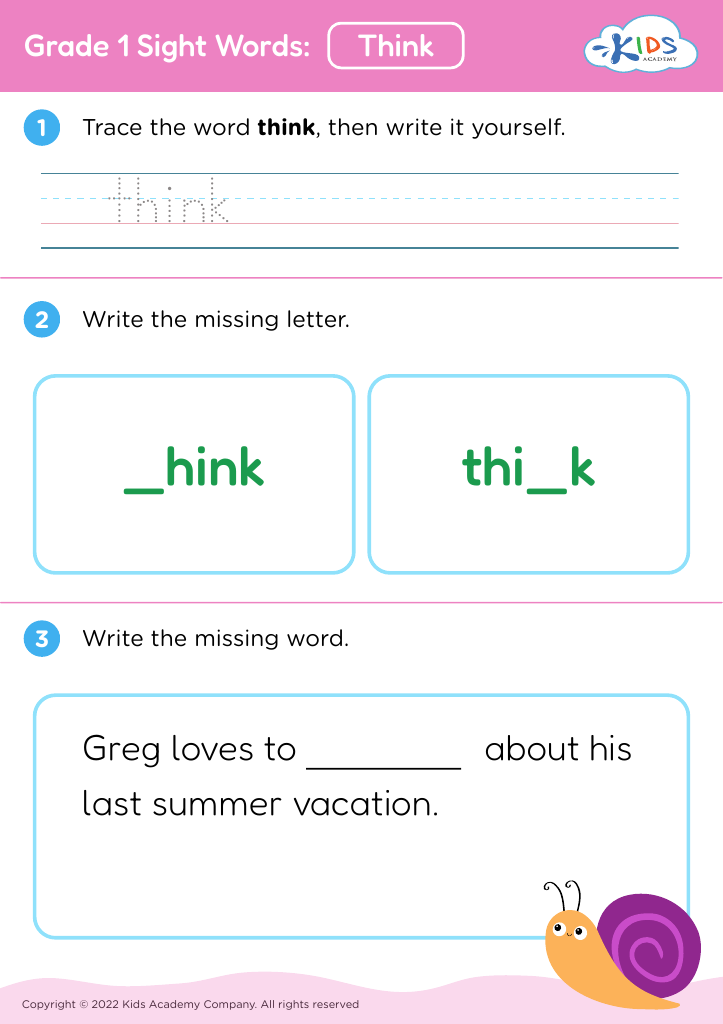
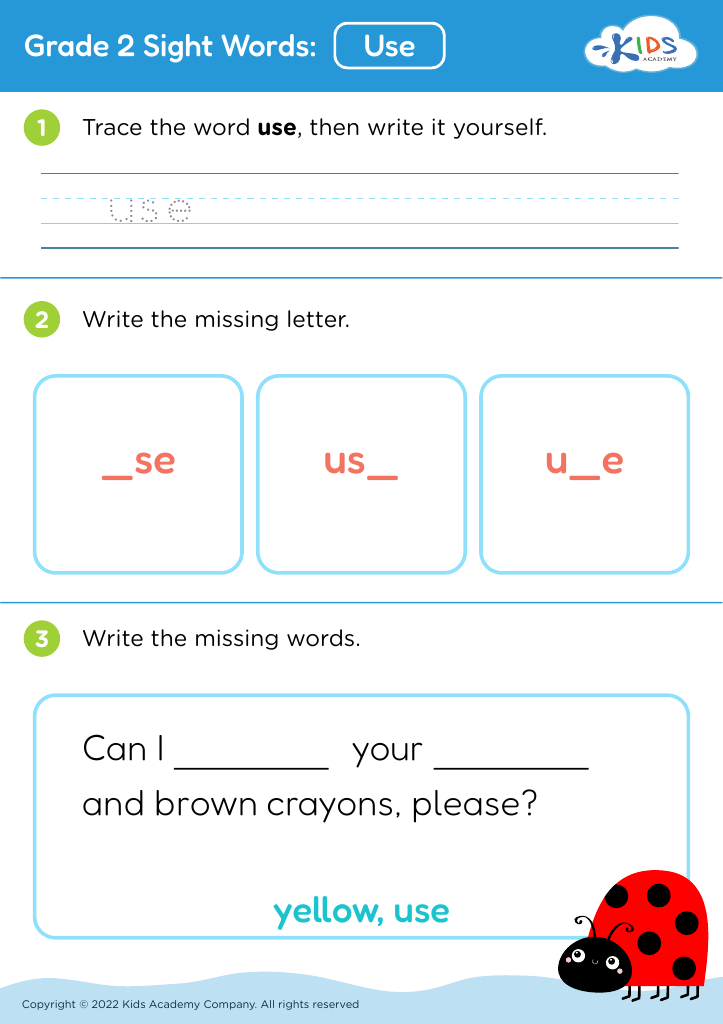
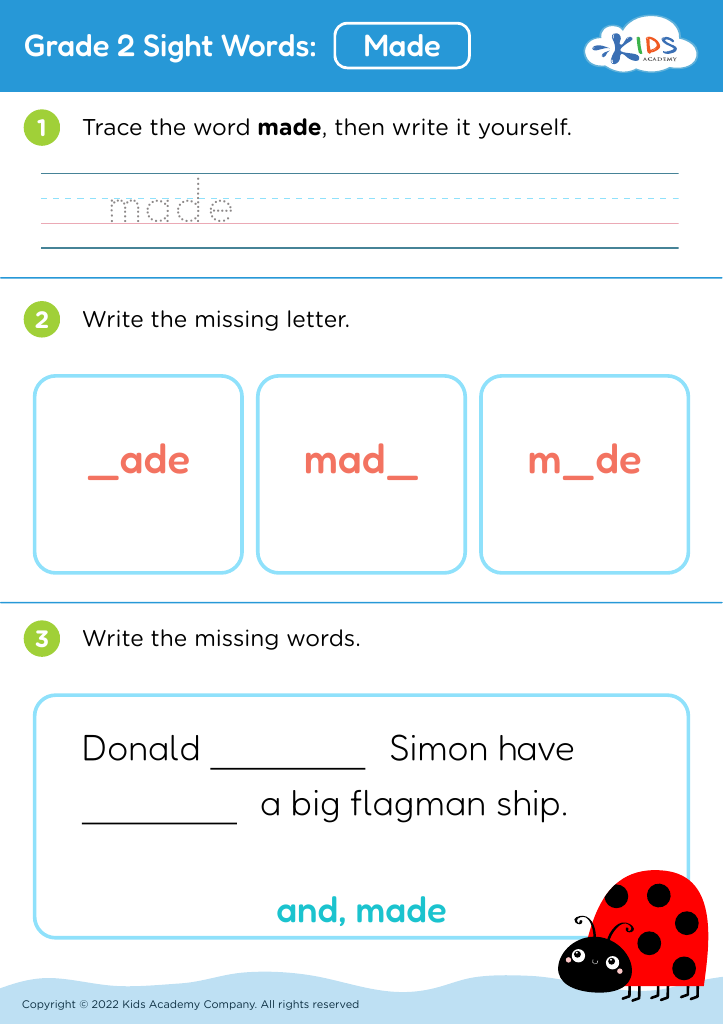
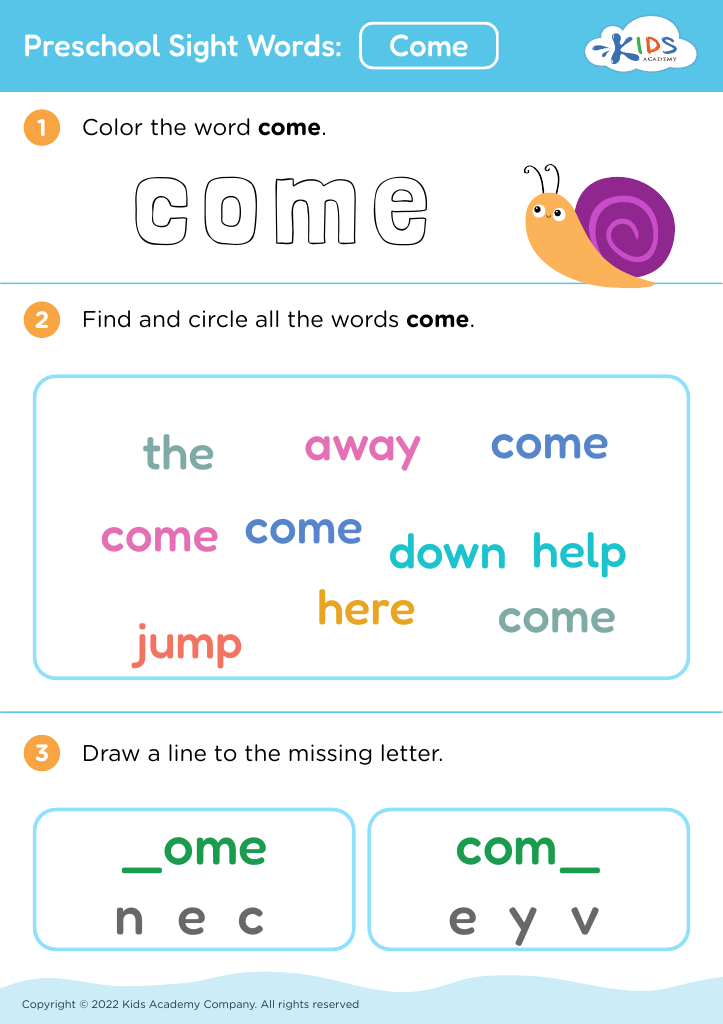
Discover our "Recognizing Patterns Building Vocabulary Worksheets" designed for children aged 5-7! These engaging worksheets help young learners identify and understand patterns while enhancing their vocabulary skills. By exploring shapes, colors, and sequences, children will develop critical thinking abilities that lay the foundation for more complex concepts. Each worksheet is crafted to encourage creativity, boost language development, and make learning enjoyable. Ideal for classroom activities or at-home practice, these resources foster a love for learning in early readers. Stimulate your child's imagination and strengthen their language skills with our fun, interactive worksheets today!
Favorites
With answer key
Interactive











Join Kids Academy for Free
Who is primarily going to use this learning content?








Recognizing patterns and building vocabulary are foundational skills for children aged 5-7, crucial for their cognitive and linguistic development. Understanding patterns helps kids make connections in various subjects, enhancing their analytical thinking and problem-solving abilities. For example, identifying sequences in math or recurring themes in stories fosters a deeper comprehension of the material, laying the groundwork for more complex concepts in later grades.
Building vocabulary at this stage is equally important. A rich vocabulary enhances communication skills, enables children to express their thoughts more clearly, and significantly improves reading comprehension. When children learn new words through reading, conversations, and everyday interactions, they are better equipped to understand and engage with the world around them.
Furthermore, strong vocabulary and pattern recognition are linked to academic success. They empower children to participate actively in discussions, interpret information, and critically analyze content. This not only aids their learning in school but instills a love for learning that lasts a lifetime.
Parents and teachers play a vital role in promoting these skills through interactive activities, reading together, and encouraging exploration. By prioritizing these areas, they empower children to become confident learners and effective communicators, best preparing them for future academic and life challenges.








