Simplifying Fractions Building Vocabulary Worksheets for Ages 5-7
7 filtered results
-
From - To
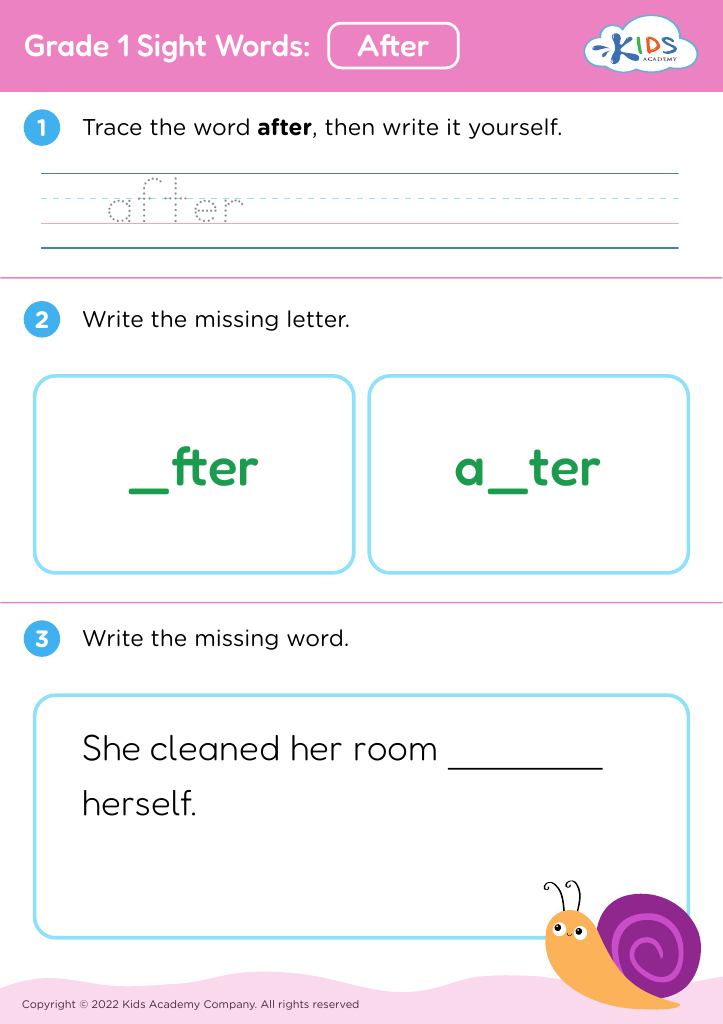
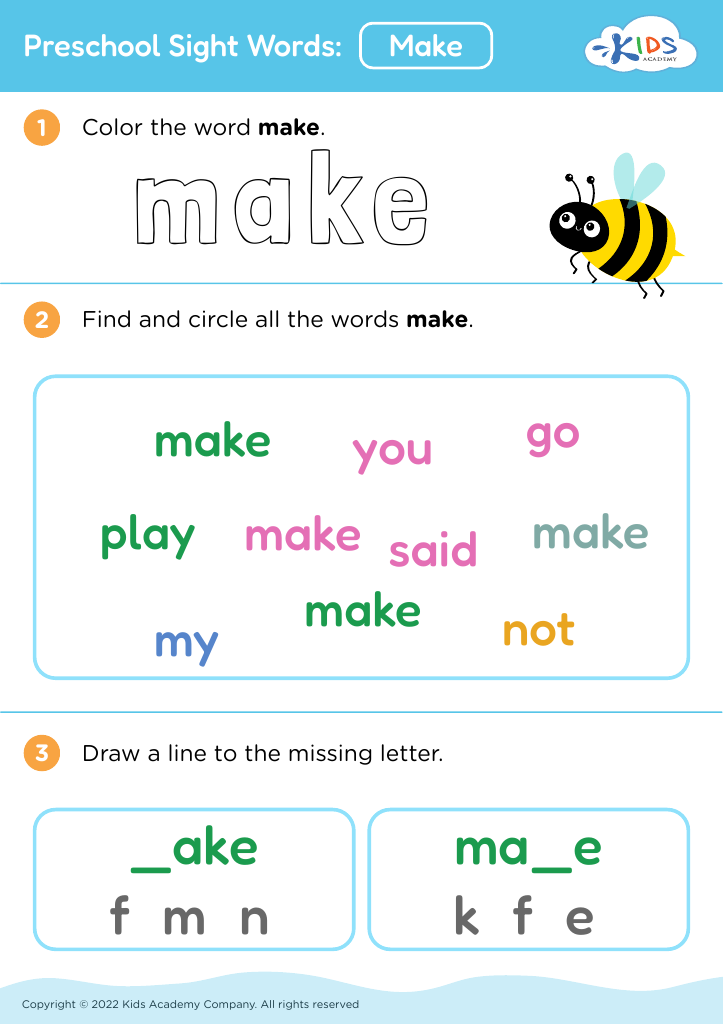
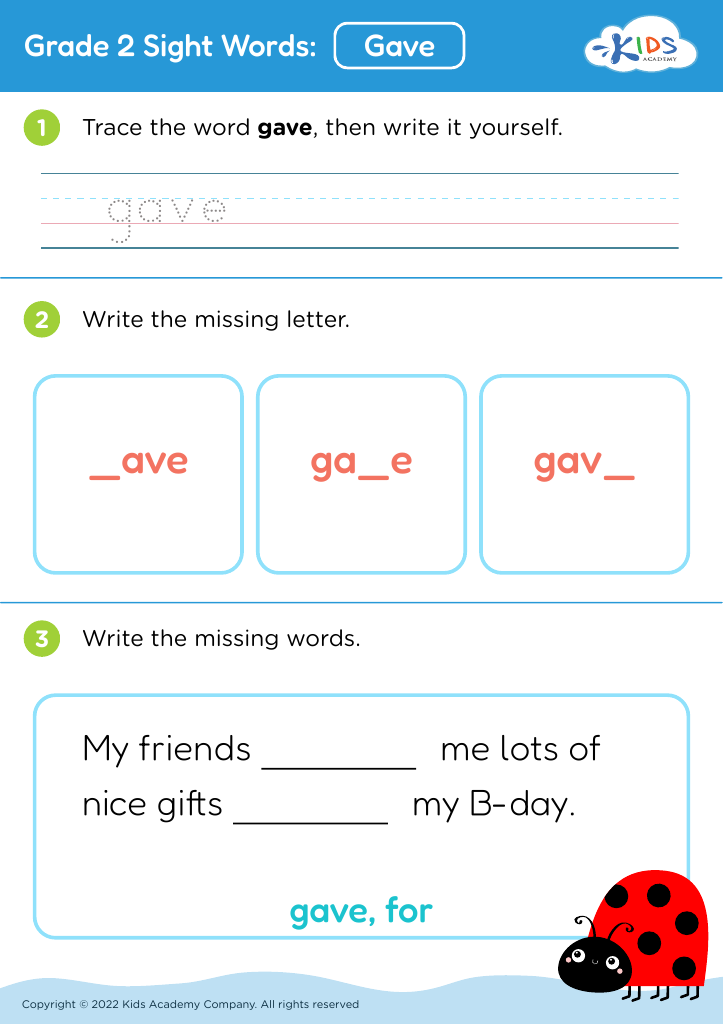
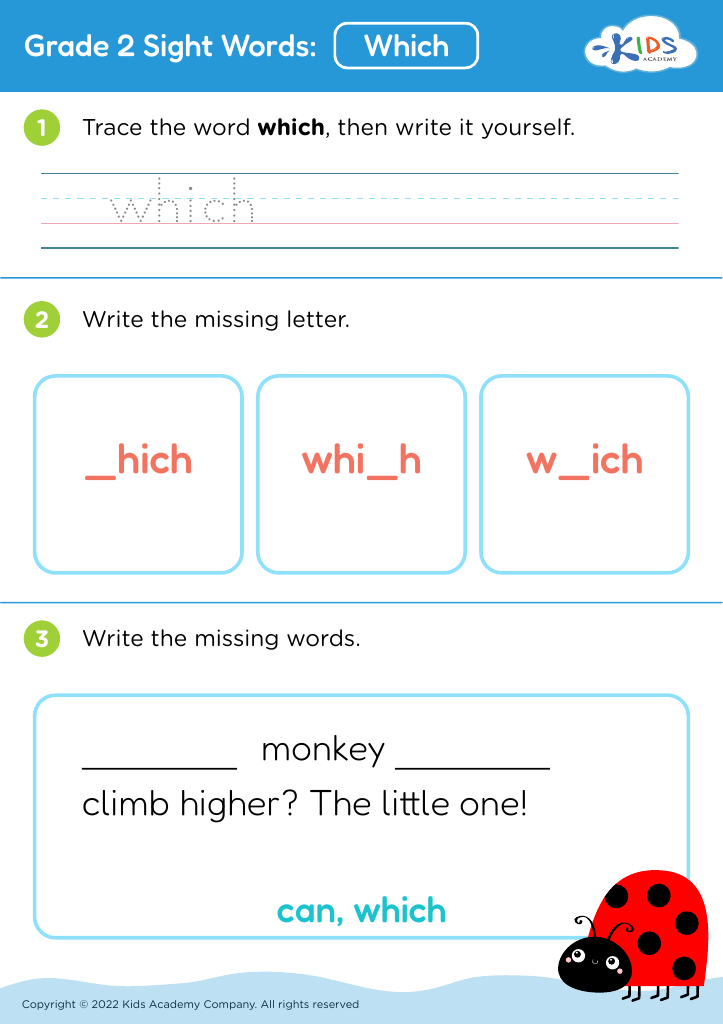
Welcome to our "Simplifying Fractions Building Vocabulary Worksheets" designed for ages 5-7! These interactive worksheets aim to enhance early mathematical understanding while expanding vocabulary related to fractions. Each activity is tailored to engage young learners, encouraging them to grasp the concept of simplifying fractions through fun and relatable exercises. Kids will explore fraction terminology and practice identification and simplification skills, promoting confidence in math. Our resources are perfect for at-home learning or classroom use, ensuring your child gains a solid foundation in both language and math. Dive into these creative worksheets that make mastering fractions enjoyable and effective!


















.jpg)
Parents and teachers should care about simplifying fractions and building vocabulary for children ages 5-7 because these skills lay the foundation for mathematical understanding and effective communication. At this early age, children are developing critical thinking skills and their ability to grasp fundamental concepts in math. Simplifying fractions allows children to understand the relationship between numbers and enhances their number sense, making it easier for them to tackle more complex mathematical concepts in the future.
Moreover, a robust vocabulary in math is crucial. When children can articulate their understanding of fractions—using terms like "numerator," "denominator," "simplify," and "equivalent"—they become more confident and competent learners. This vocabulary development not only aids in math but also enhances overall language skills, as children learn to express their thoughts clearly.
Engaging with fractions through practical examples and vocabulary practice encourages curiosity and a love for learning. Teachers and parents who prioritize these areas contribute to a child's academic success and overall cognitive development, equipping them with tools they will need for future challenges in mathematics and beyond. Such an early focus on these fundamental skills paves the way for lifelong learning and problem-solving abilities.








