Discover our "Understanding Fractions Building Vocabulary Worksheets" designed specifically for children aged 5-7. These engaging and interactive worksheets help young learners grasp the concept of fractions while enriching their vocabulary. Each activity combines colorful visuals and relatable examples, making complex ideas accessible and fun. Students will learn to identify fractions, understand their meanings, and use them in context, all while developing vital language skills. Perfect for classroom use or at-home practice, these worksheets encourage creativity and exploration, fostering a solid foundation in math literacy. Equip your child with the essential tools they need for success in mathematics and language!

Check out this FREE Trial Lesson on Building Vocabulary for age 5-7!

D

Favorites
With answer key
Interactive
  • 5-7
  • Understanding fractions
  • Building Vocabulary
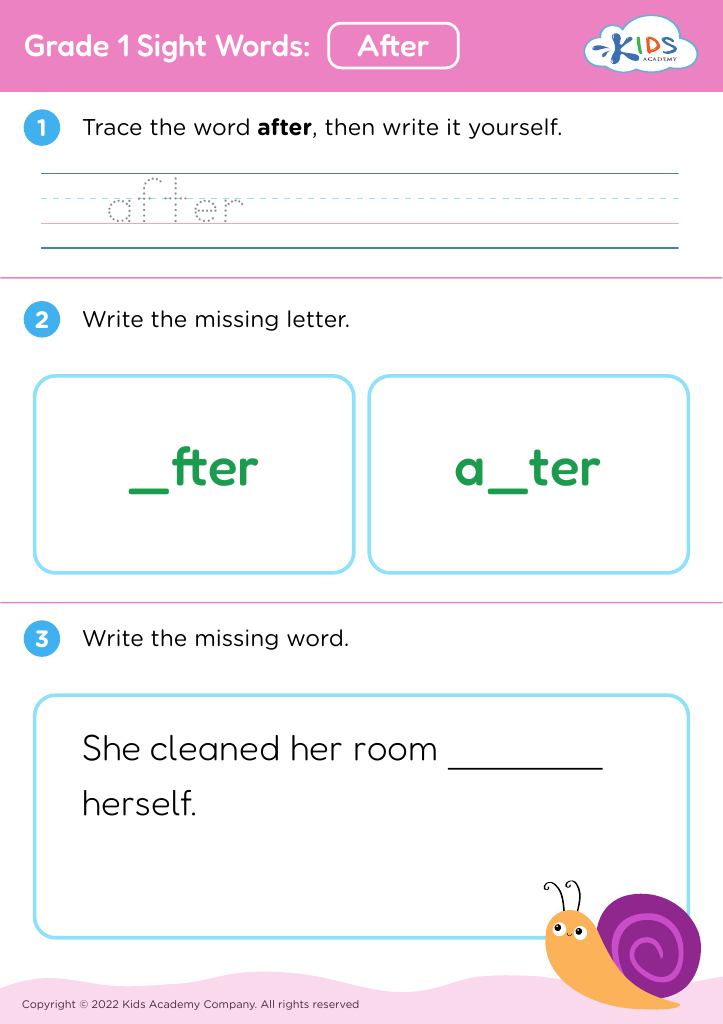
Grade 1 Sight Words: After

Grade 1 Sight Words: After

Grade 1 Sight Words: After
Worksheet
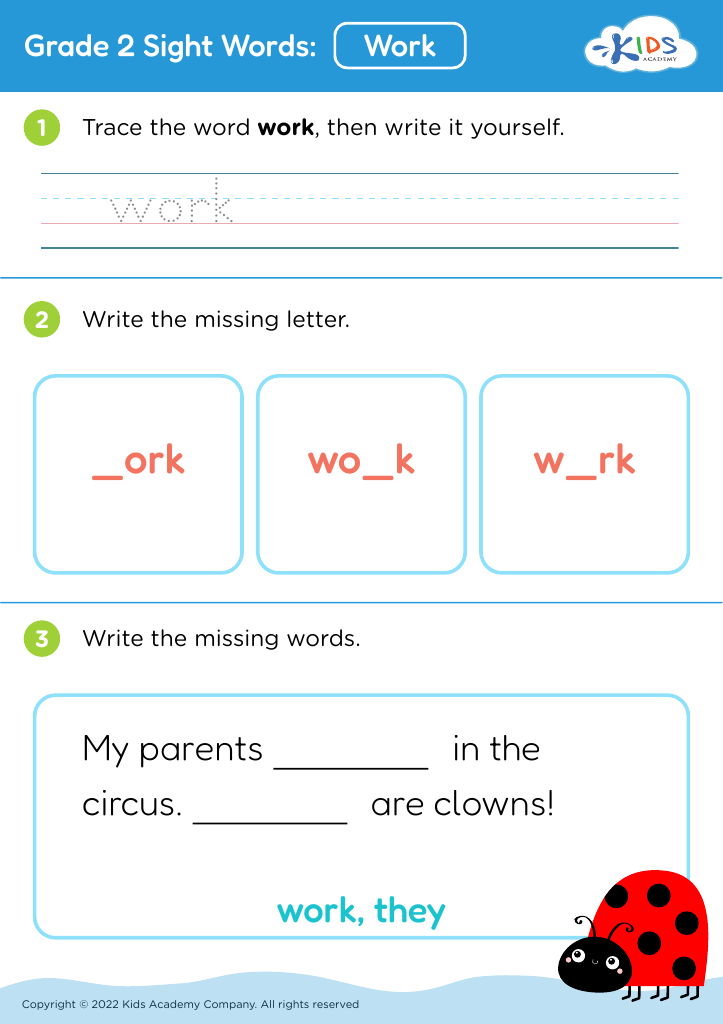
Grade 2 Sight Words: Work

Grade 2 Sight Words: Work

Grade 2 Sight Words: Work
Worksheet
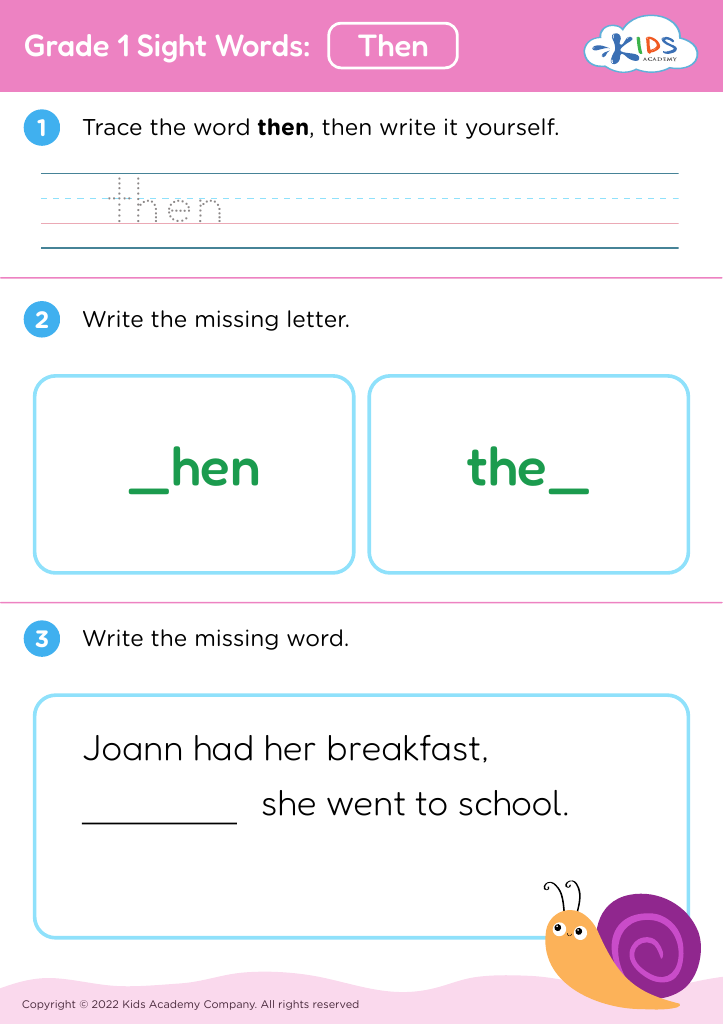
Grade 1 Sight Words: Then

Grade 1 Sight Words: Then

Grade 1 Sight Words: Then
Worksheet
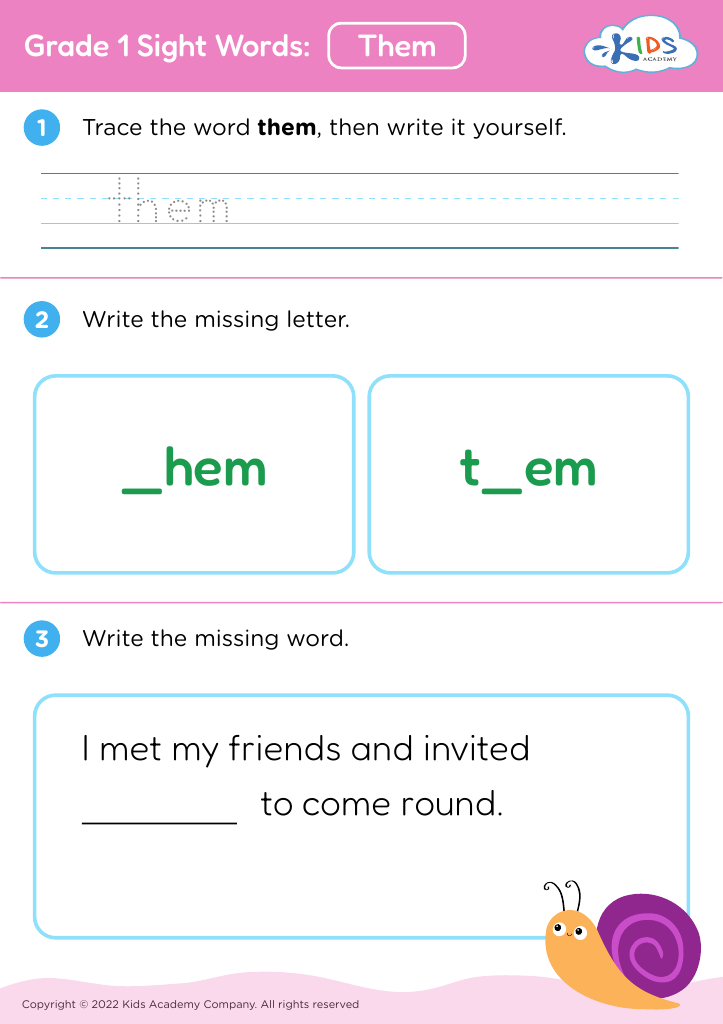
Grade 1 Sight Words: Them

Grade 1 Sight Words: Them

Grade 1 Sight Words: Them
Worksheet
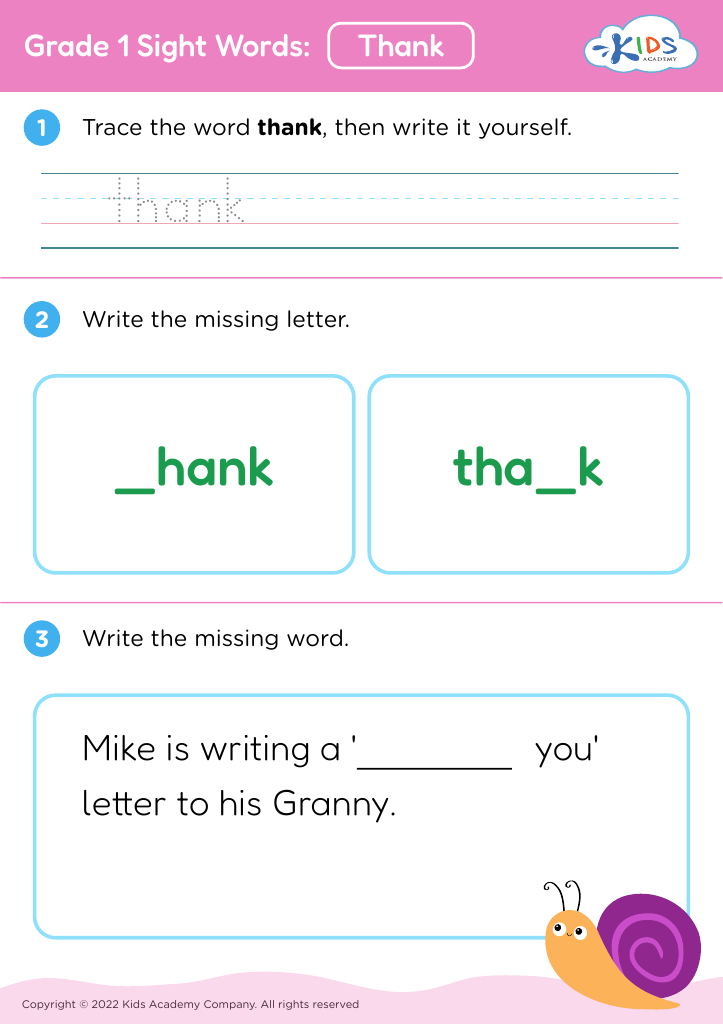
Grade 1 Sight Words: Thank

Grade 1 Sight Words: Thank

Grade 1 Sight Words: Thank
Worksheet
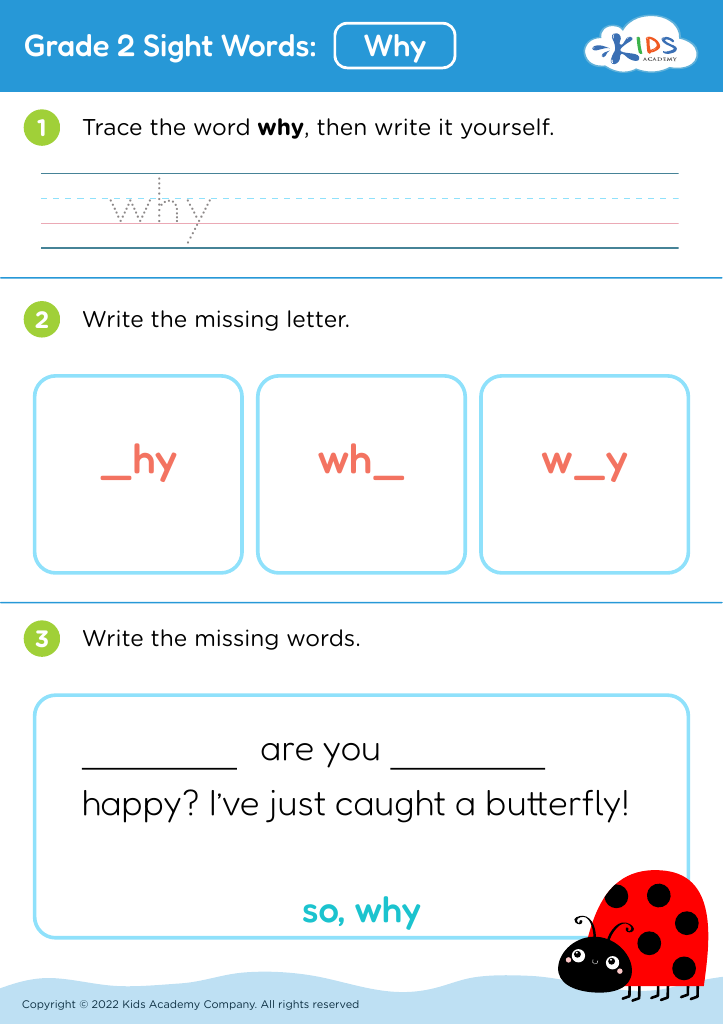
Grade 2 Sight Words: Why

Grade 2 Sight Words: Why

Grade 2 Sight Words: Why
Worksheet
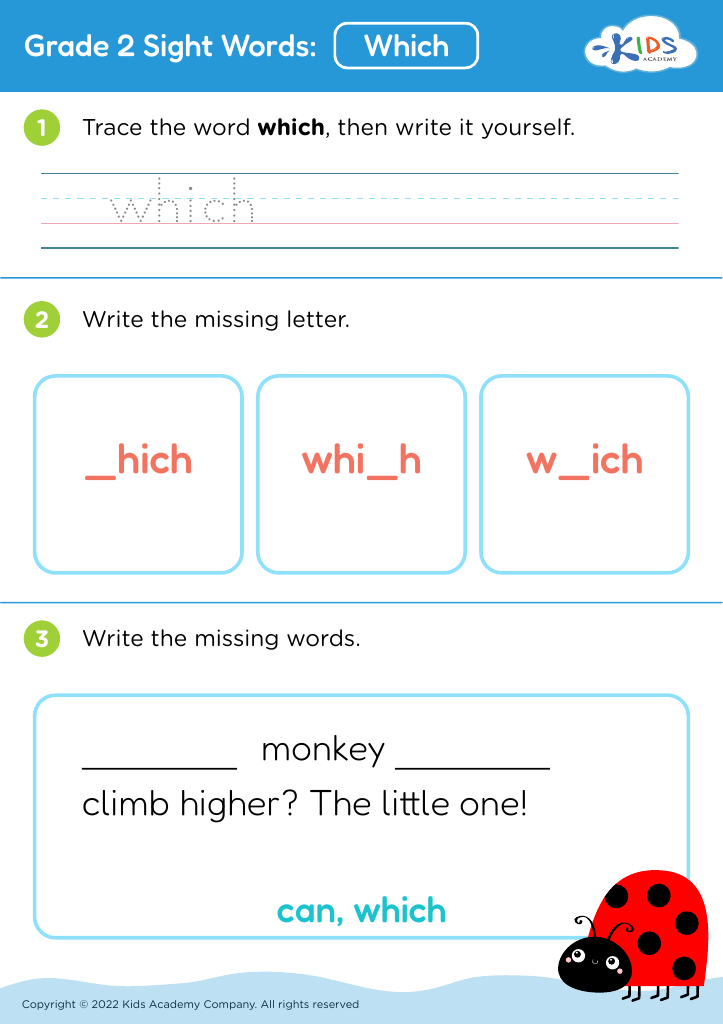
Grade 2 Sight Words: Which

Grade 2 Sight Words: Which

Grade 2 Sight Words: Which
Worksheet
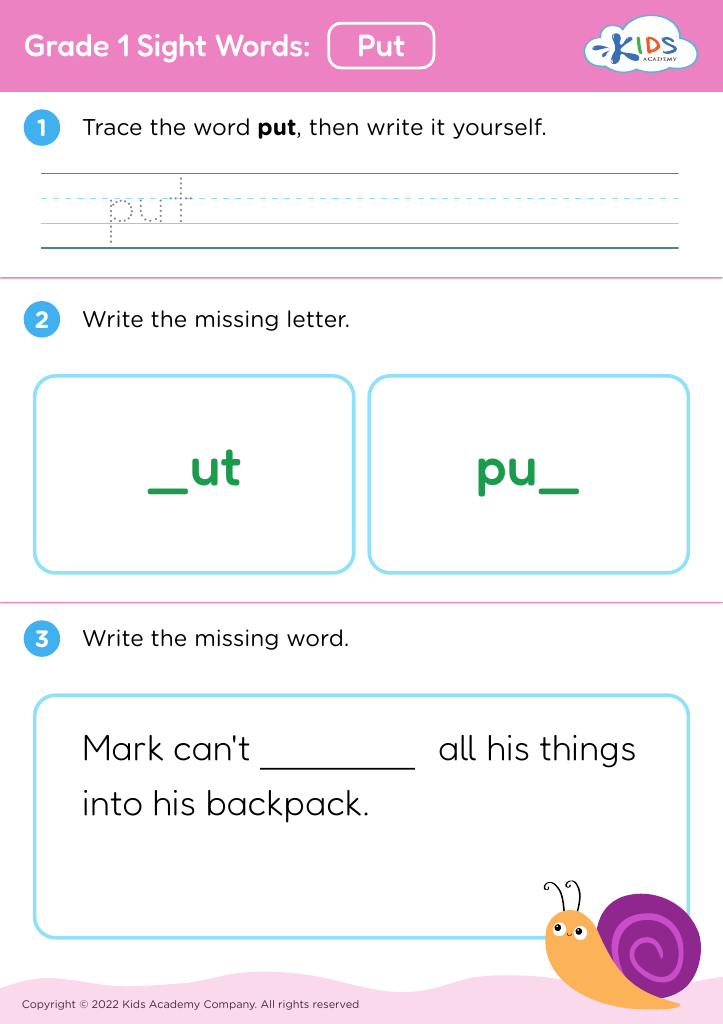
Grade 1 Sight Words: Put

Grade 1 Sight Words: Put

Grade 1 Sight Words: Put
Worksheet
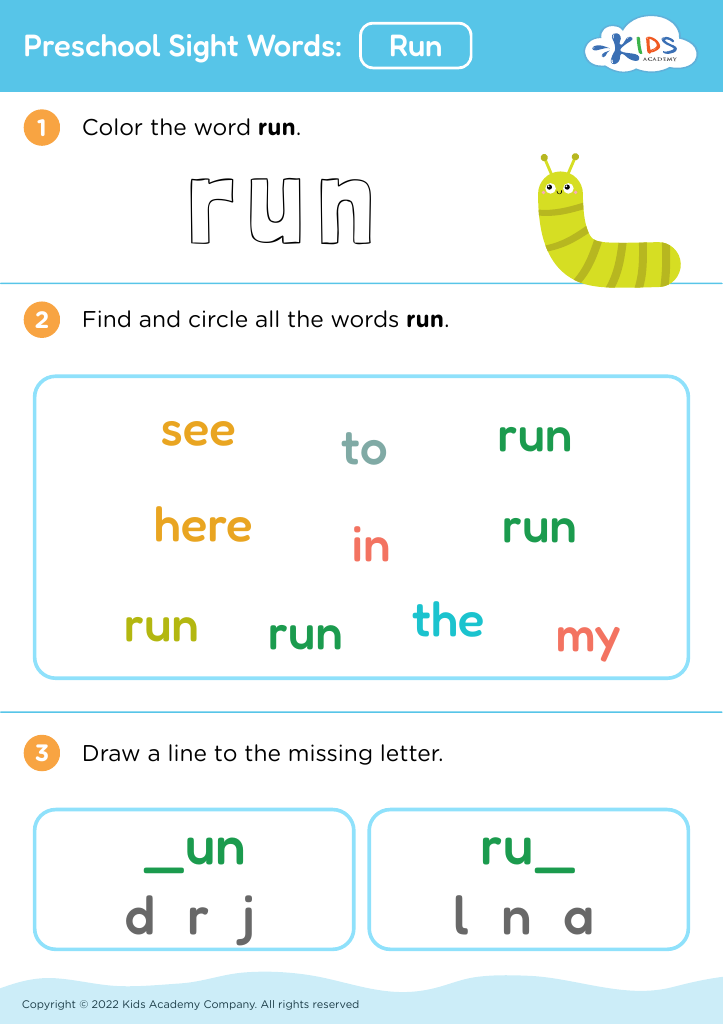
Preschool Sight Words: Run

Preschool Sight Words: Run

Preschool Sight Words: Run
Worksheet
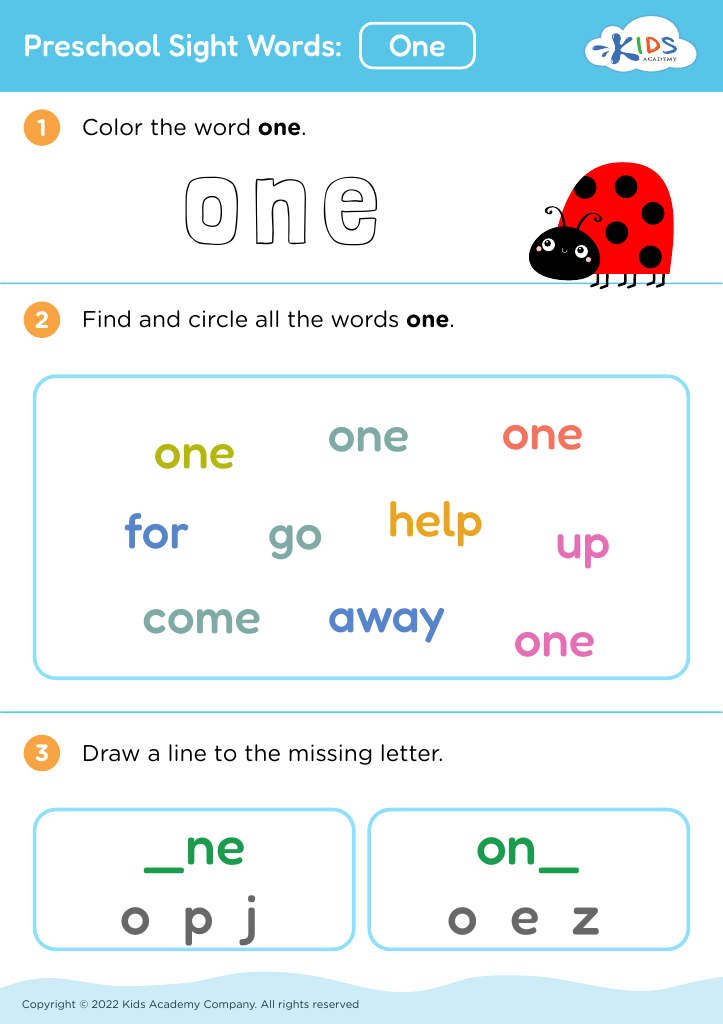
Preschool Sight Words: One

Preschool Sight Words: One

Preschool Sight Words: One
Worksheet
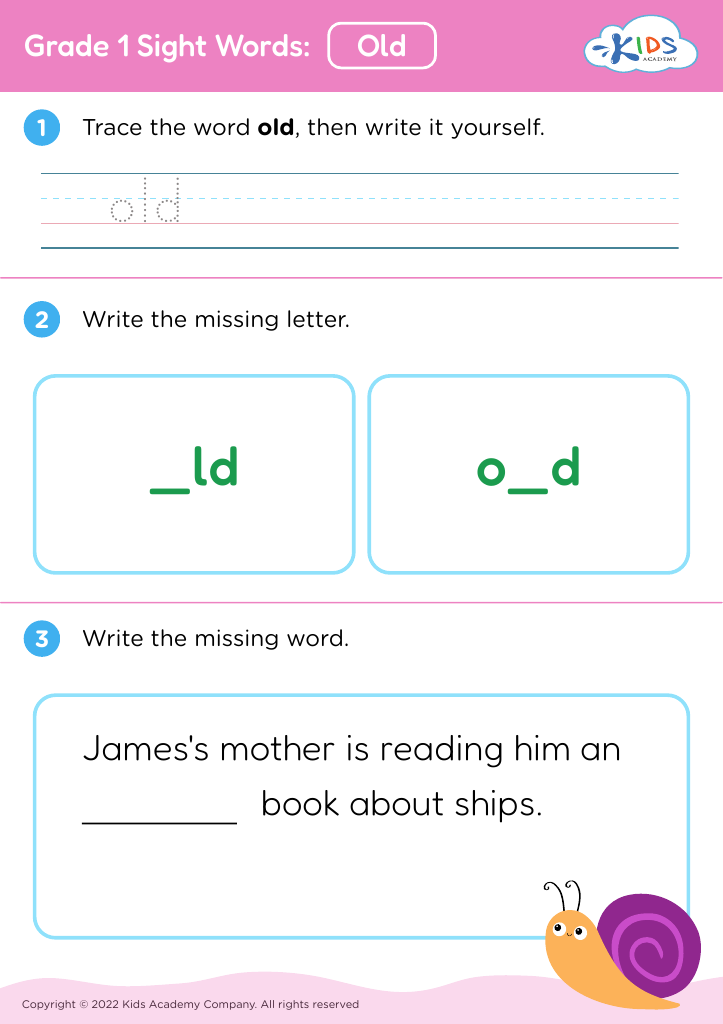
Grade 1 Sight Words: Old

Grade 1 Sight Words: Old

Grade 1 Sight Words: Old
Worksheet
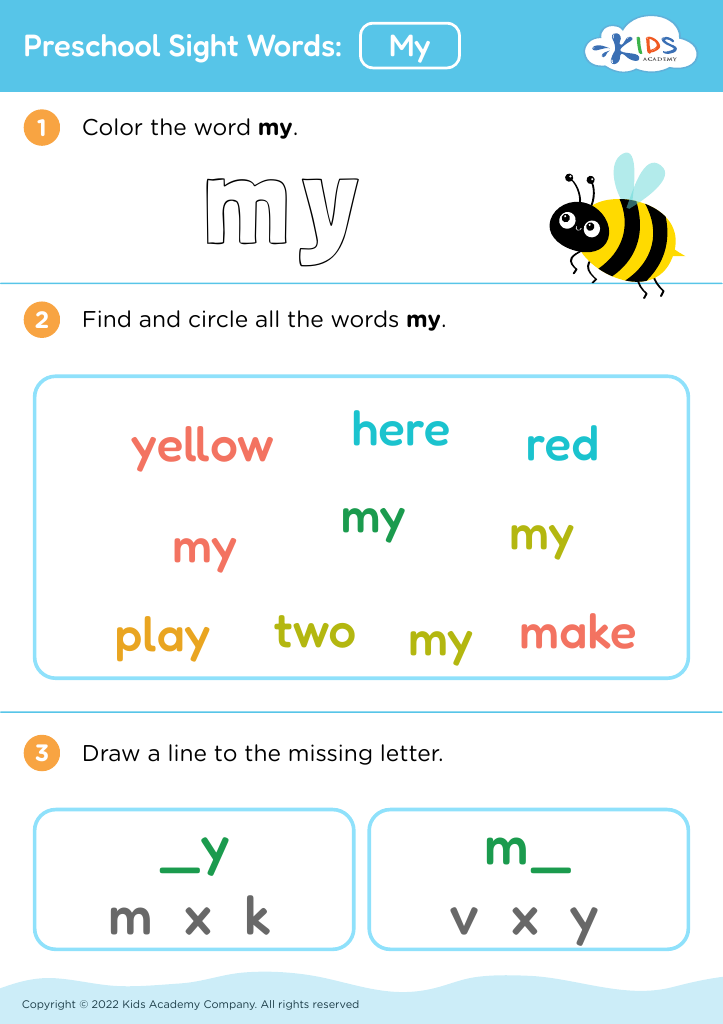
Preschool Sight Words: My

Preschool Sight Words: My

Preschool Sight Words: My
Worksheet
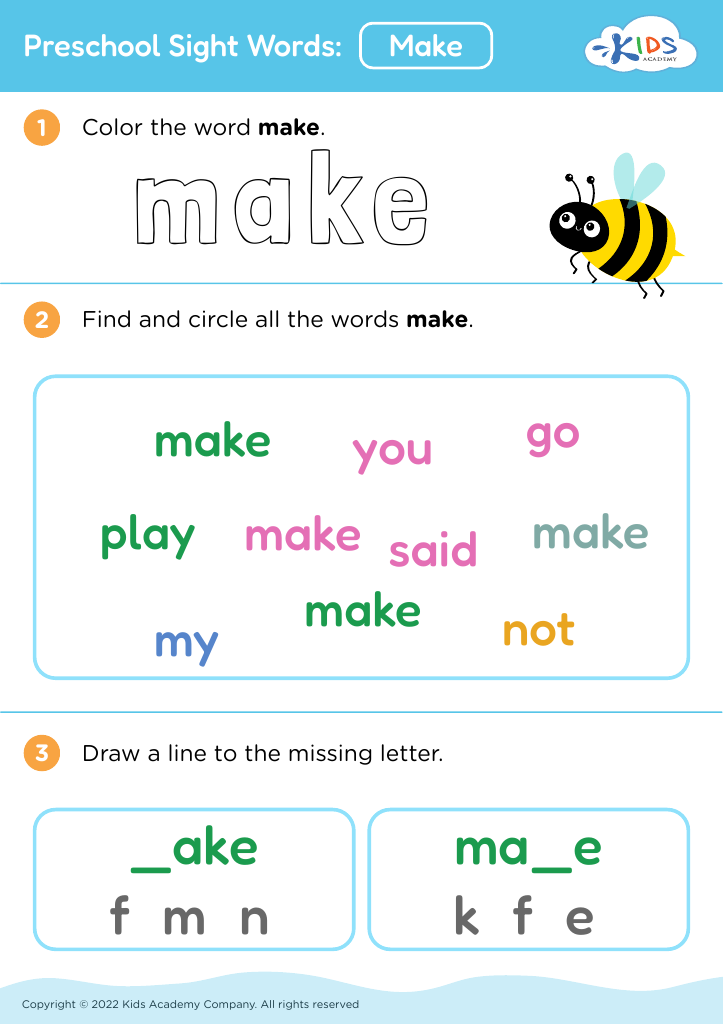
Preschool Sight Words: Make

Preschool Sight Words: Make

Preschool Sight Words: Make
Worksheet
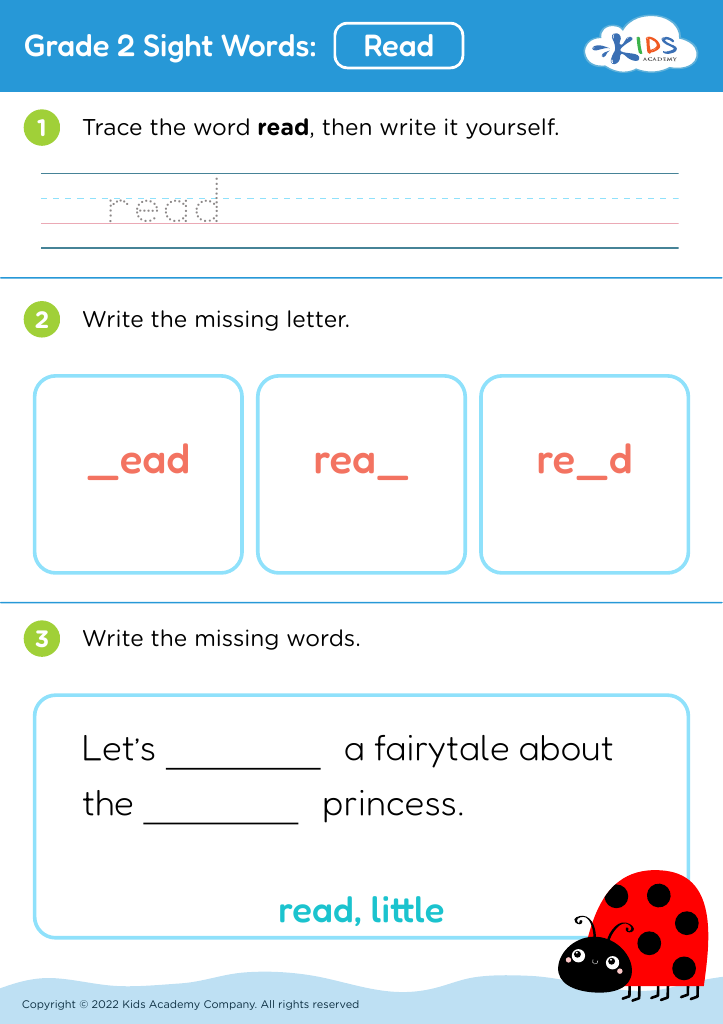
Grade 2 Sight Words: Read

Grade 2 Sight Words: Read

Grade 2 Sight Words: Read
Worksheet
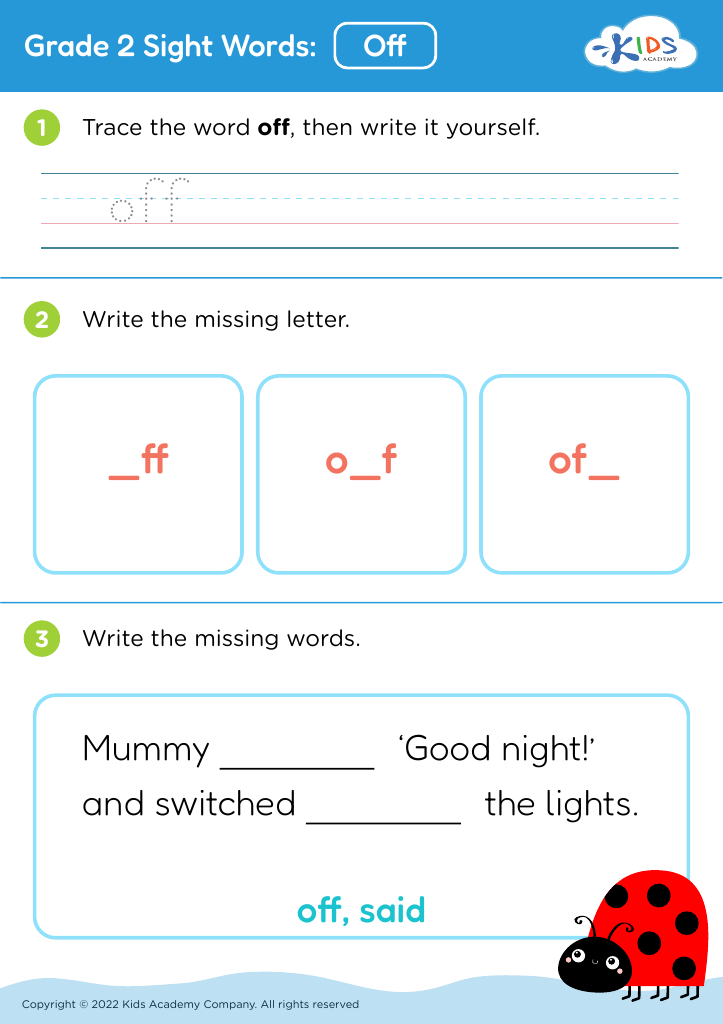
Grade 2 Sight Words: Off

Grade 2 Sight Words: Off

Grade 2 Sight Words: Off
Worksheet
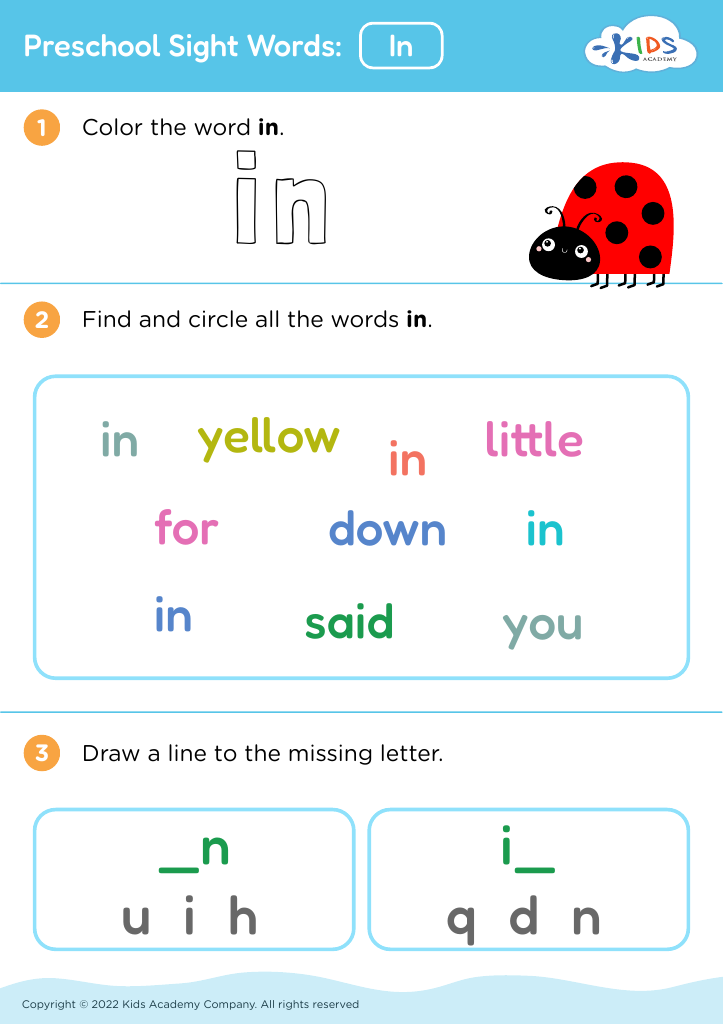
Preschool Sight Words: In

Preschool Sight Words: In

Preschool Sight Words: In
Worksheet
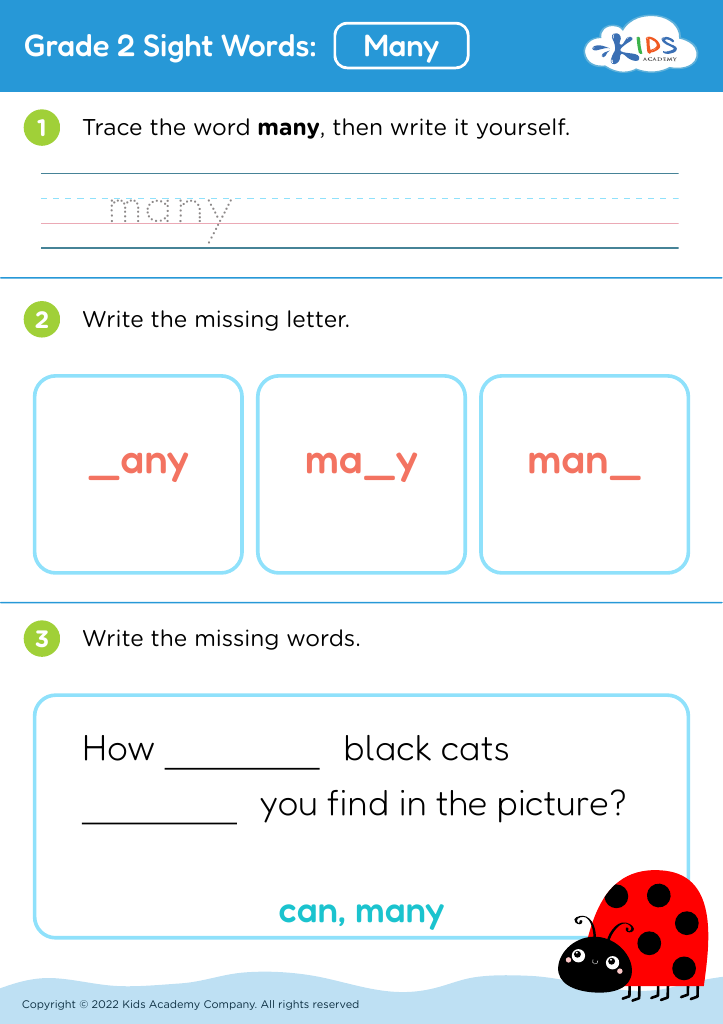
Grade 2 Sight Words: Many

Grade 2 Sight Words: Many

Grade 2 Sight Words: Many
Worksheet
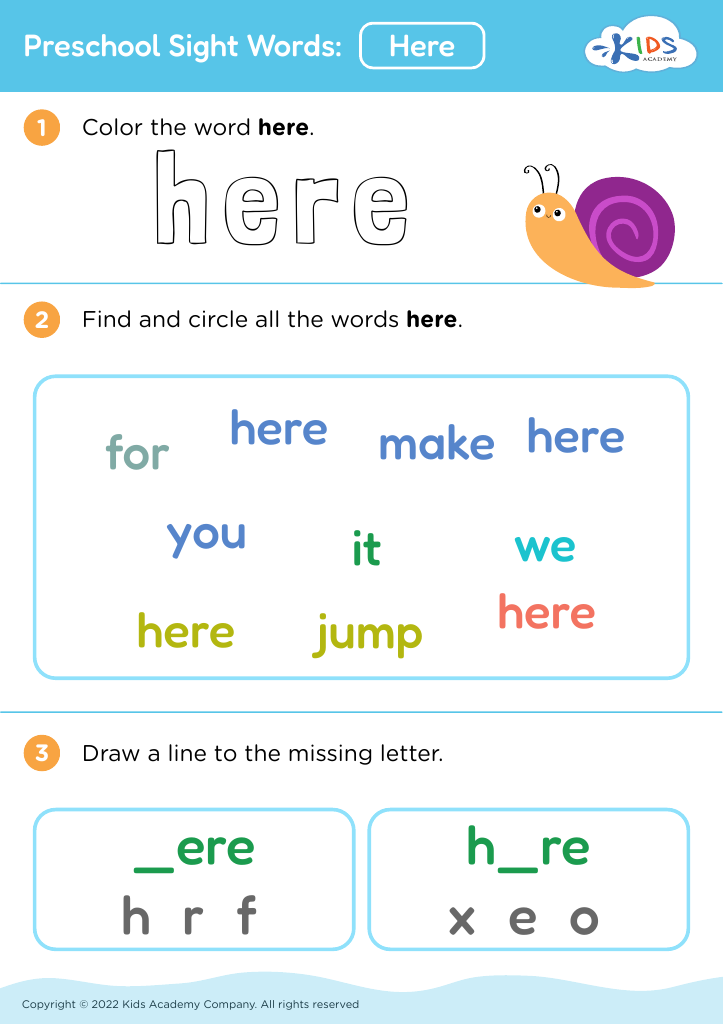
Preschool Sight Words: Here

Preschool Sight Words: Here

Preschool Sight Words: Here
Worksheet
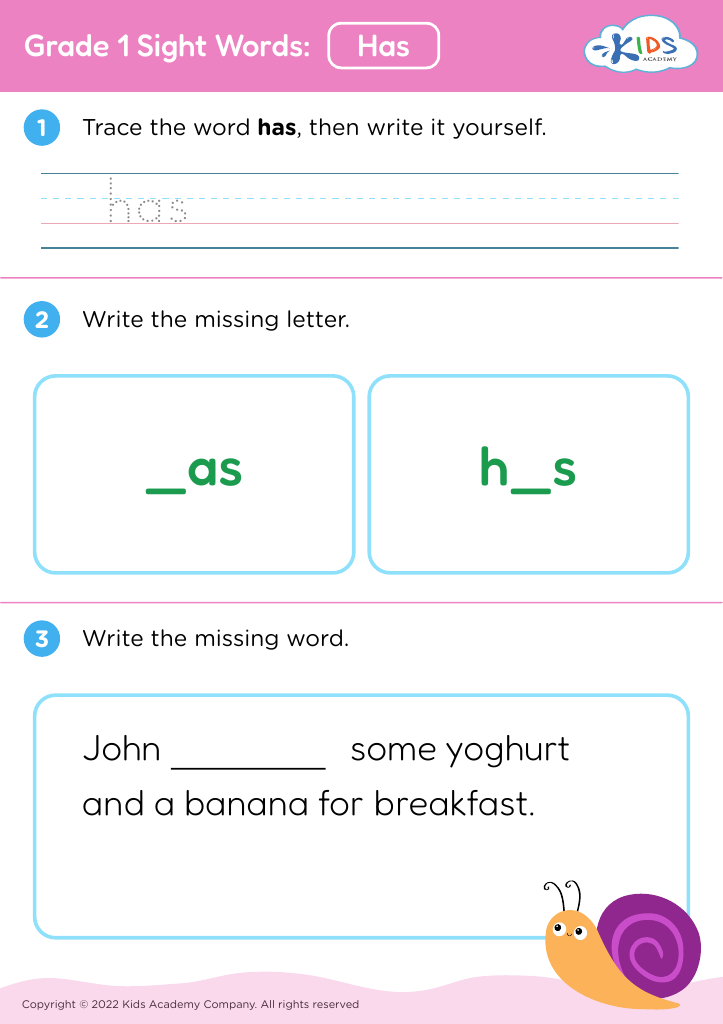
Grade 1 Sight Words: Has

Grade 1 Sight Words: Has

Grade 1 Sight Words: Has
Worksheet
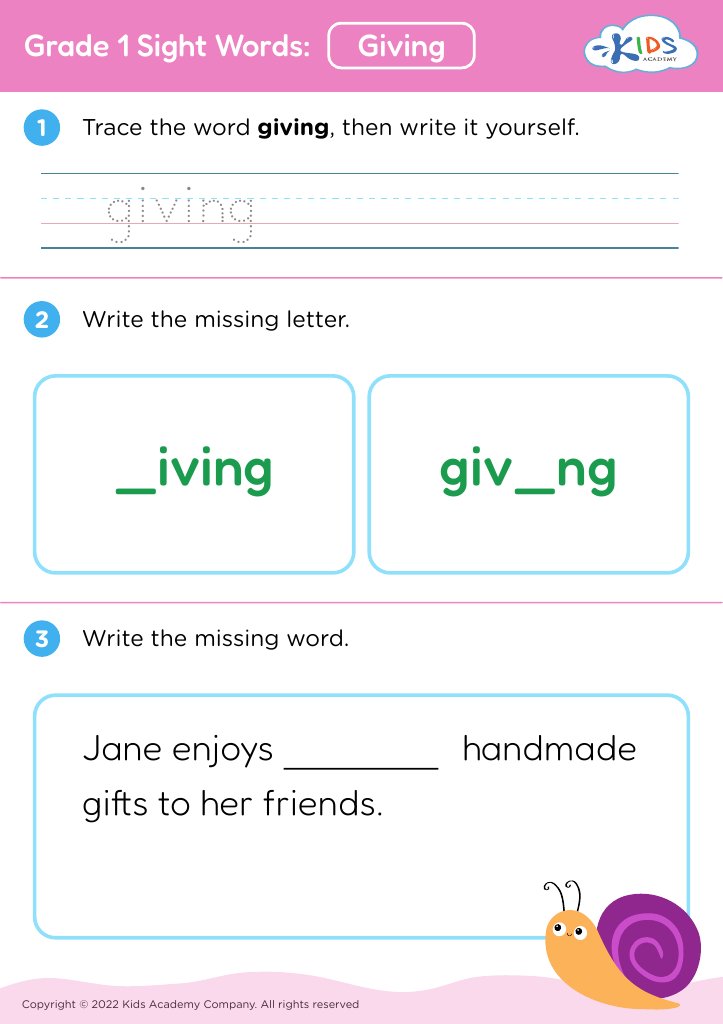
Grade 1 Sight Words: Giving

Grade 1 Sight Words: Giving

Grade 1 Sight Words: Giving
Worksheet
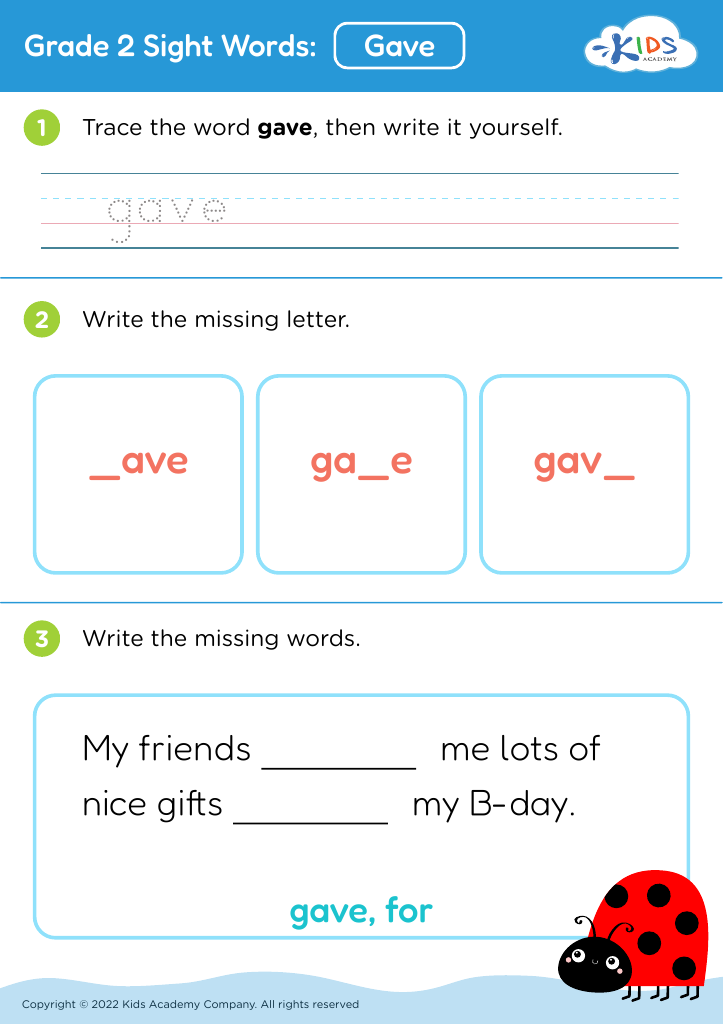
Grade 2 Sight Words: Gave

Grade 2 Sight Words: Gave

Grade 2 Sight Words: Gave
Worksheet
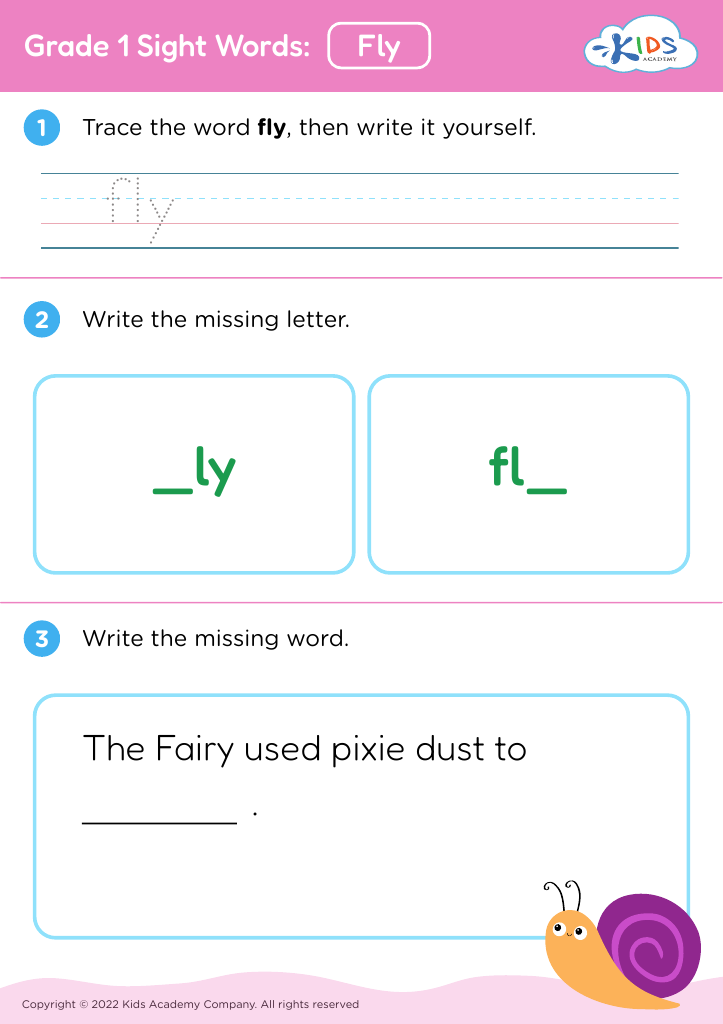
Grade 1 Sight Words: Fly

Grade 1 Sight Words: Fly

Grade 1 Sight Words: Fly
Worksheet
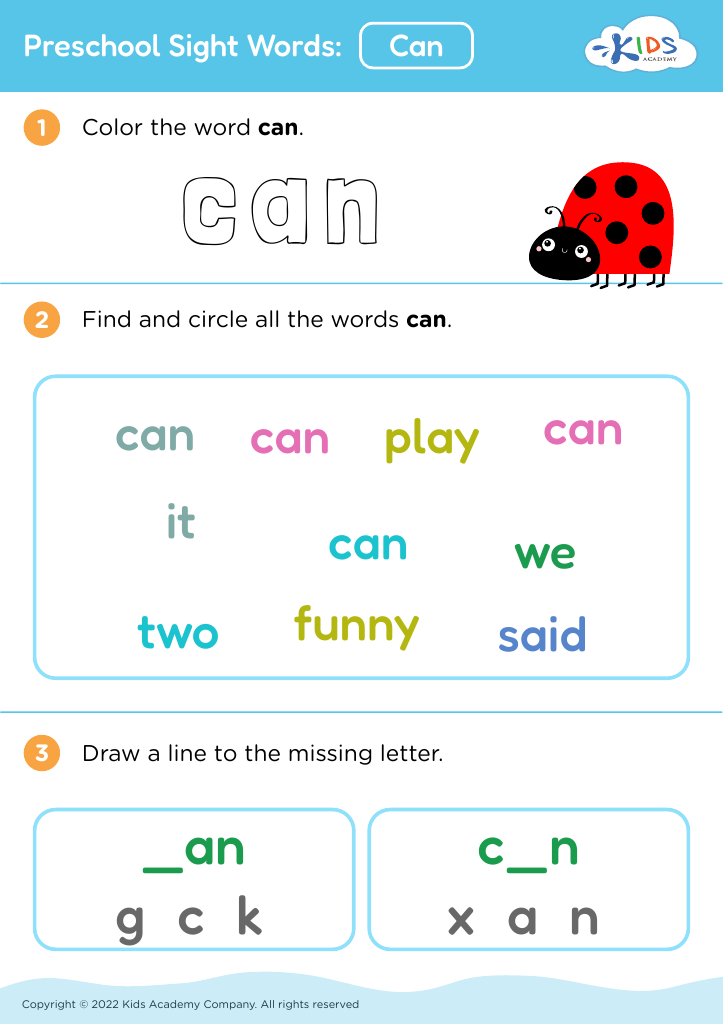
Preschool Sight Words: Can

Preschool Sight Words: Can

Preschool Sight Words: Can
Worksheet
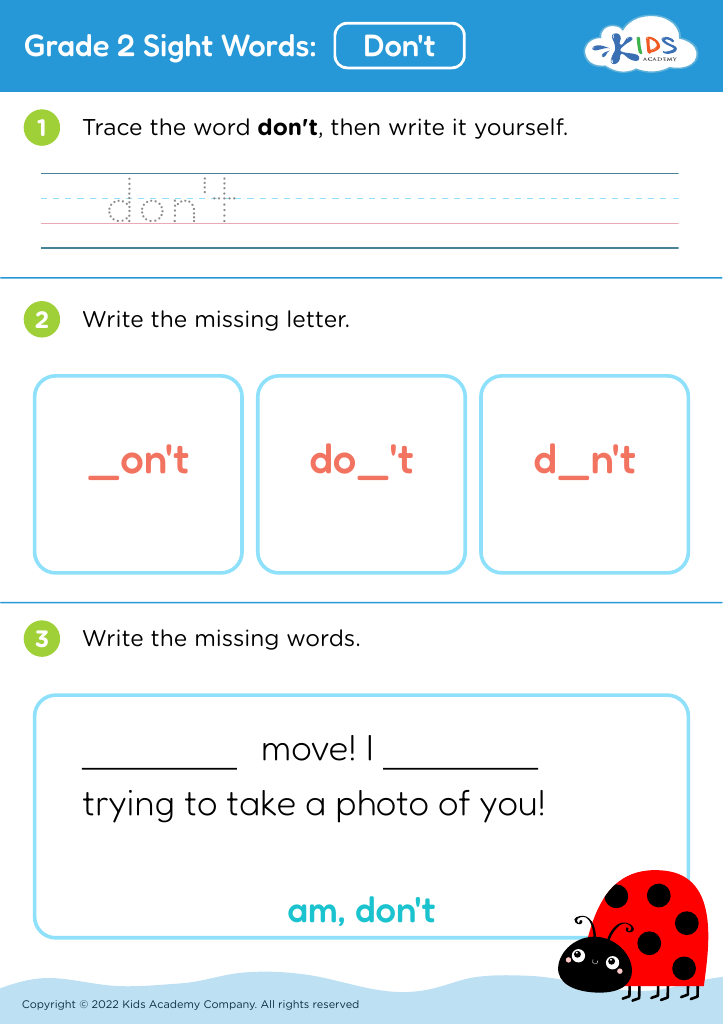
Grade 2 Sight Words: Don'T

Grade 2 Sight Words: Don'T

Grade 2 Sight Words: Don'T
Worksheet


Understanding fractions is crucial for young learners, particularly ages 5-7, as it lays the foundation for their future mathematical skills. At this age, children begin to grasp basic concepts of part-whole relationships, which are essential for understanding not only mathematics but also real-life situations such as cooking, sharing, and measuring. When children learn about fractions, they develop critical thinking and problem-solving skills, enabling them to navigate challenges beyond simple arithmetic.

Moreover, building vocabulary in this domain is imperative. When educators and parents introduce terminology such as "whole," "part," "numerator," and "denominator," they equip children with the language tools necessary to articulate their understanding and thoughts about fractions. This vocabulary also helps bridge connections to related concepts in geometry and measurement, enhancing overall comprehension.

Fostering a supportive environment where children can discuss and explore fractions encourages collaboration and communication skills. When parents and teachers actively engage in fraction-building activities, they reinforce a positive attitude towards math, helping children develop confidence in their abilities. Ultimately, by caring about how children understand fractions and the language surrounding it, adults play a vital role in shaping resilient learners who are well-prepared for future academic endeavors.