Cognitive Development Reading Worksheets for Ages 5-7 - Page 2
28 filtered results
-
From - To
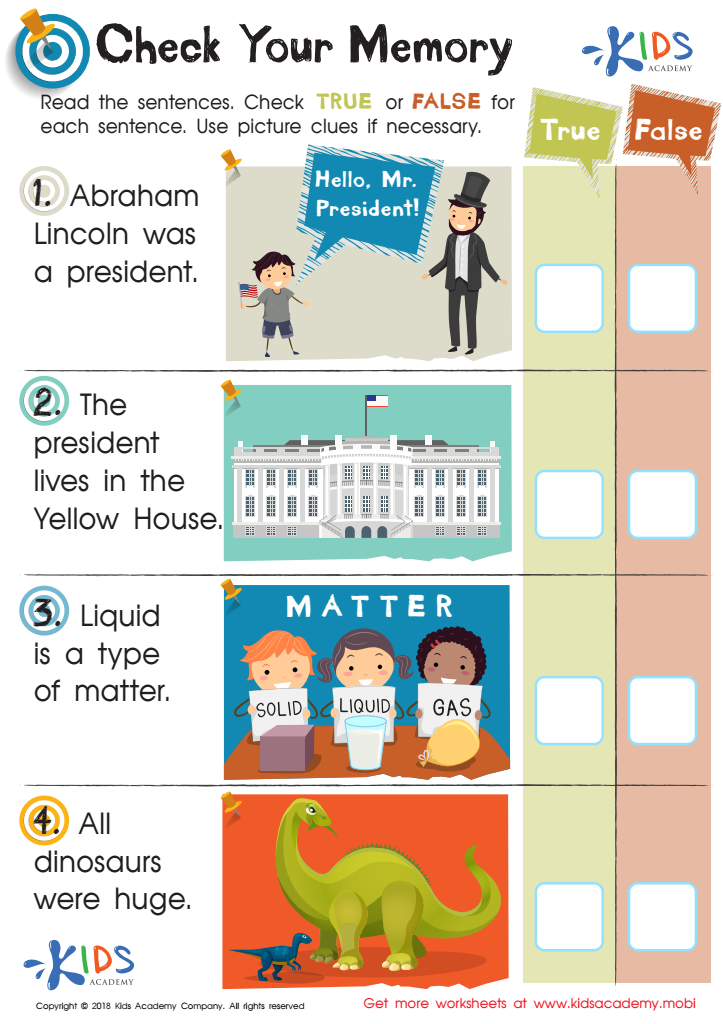
Check Memory Worksheet
 Assign to My Students
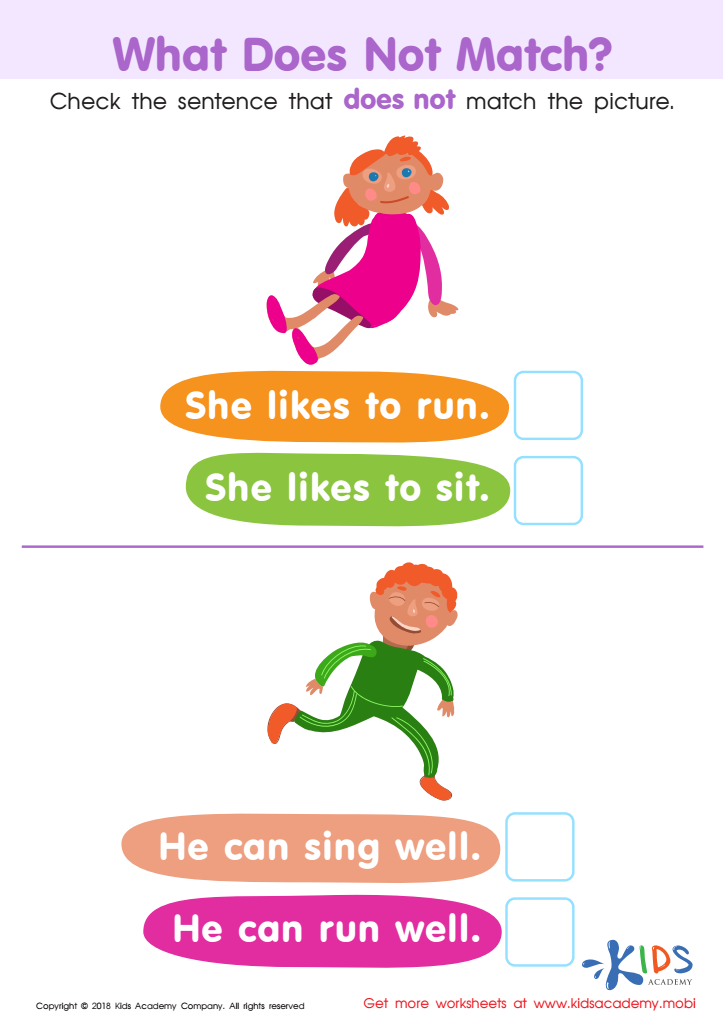
What Does Not Match? Worksheet
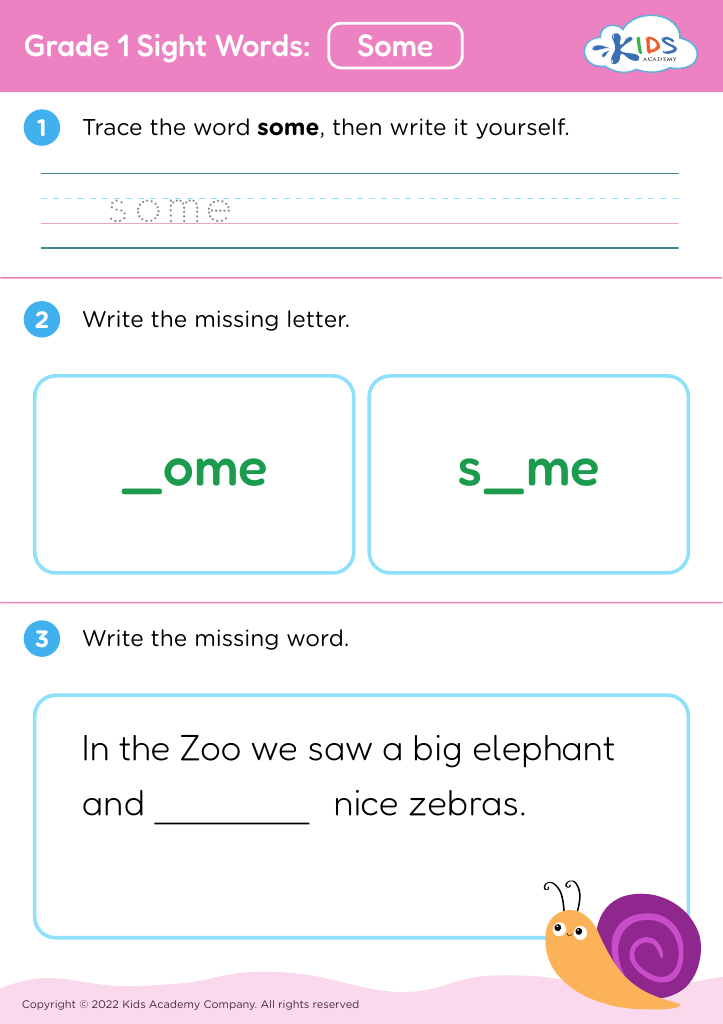
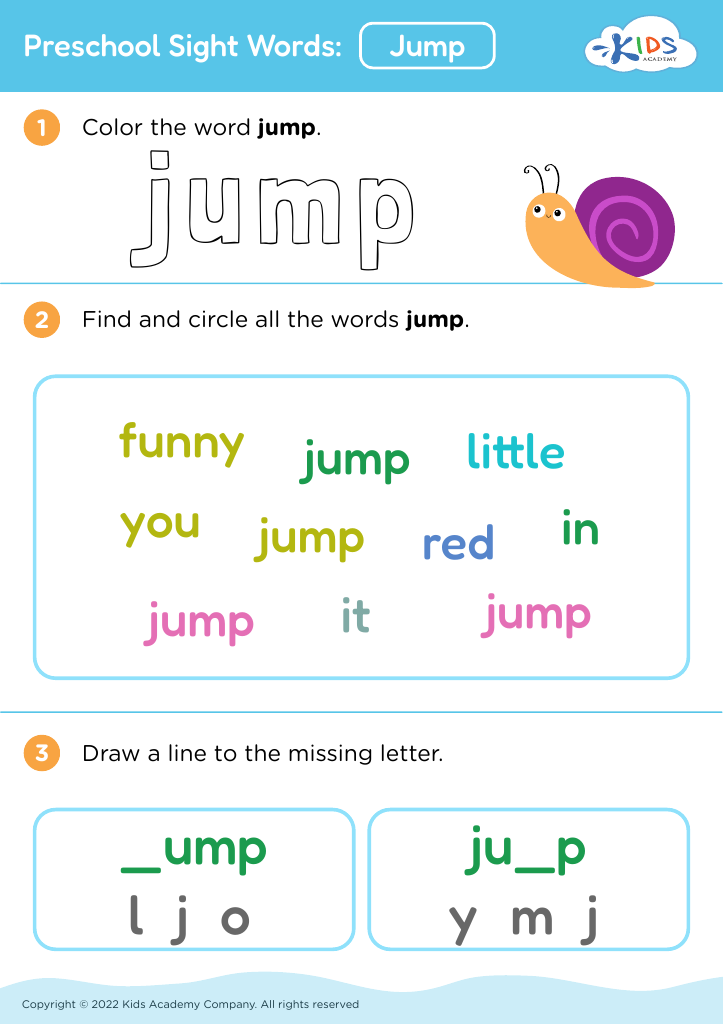








Cognitive development in early childhood, especially during the ages of 5 to 7, is crucial for a child’s overall growth and future success. During these years, children hone their critical thinking, problem-solving, and language skills, which are foundational for effective reading. When parents and teachers focus on cognitive development related to reading, they empower children to make connections between letters, sounds, and meanings, fostering not just literacy but also a love for learning.
At this age, children have a unique ability to absorb new information rapidly; thus, early reading experiences can significantly enhance their cognitive capabilities, including memory, attention, and the ability to comprehend complex ideas later on. Engaging children in reading activities and discussions helps them develop vocabulary, comprehend narratives, and stimulate imagination.
Moreover, early reading skills correlate strongly with academic achievement. By investing time and effort in cognitive development during these formative years, parents and teachers lay the groundwork for lifelong learning and critical thinking. This investment ultimately helps children build self-confidence, enhances their academic performance, and opens doors to future opportunities. Thus, prioritizing cognitive development in reading is essential for nurturing well-rounded, capable individuals.








