Problem Solving Reading Worksheets for Ages 5-7
3 filtered results
-
From - To
Enhance your child's reading abilities with our engaging Problem Solving Reading Worksheets designed specifically for ages 5-7. These interactive activities encourage young learners to think critically and develop problem-solving skills while improving their comprehension. Each worksheet features exciting stories and relatable scenarios that challenge children to identify problems and brainstorm solutions. With colorful illustrations and age-appropriate exercises, our worksheets foster a love for reading while empowering kids to tackle challenges creatively. Perfect for classroom use or at-home practice, these resources help cultivate essential skills for lifelong learning. Explore our collection today and watch your child thrive in their reading journey!
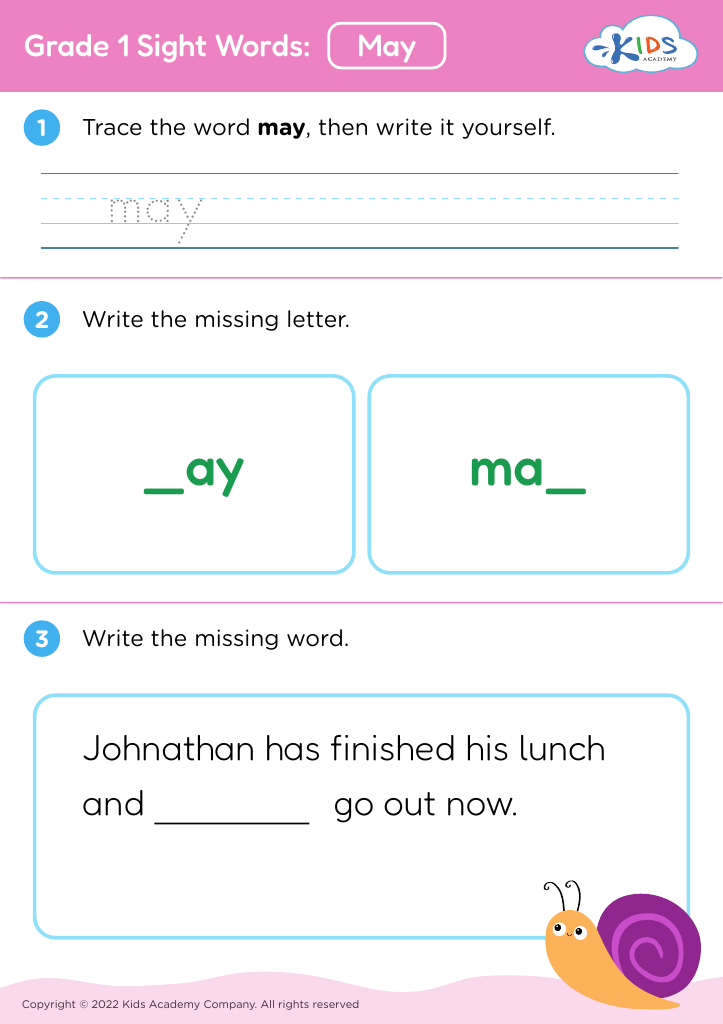
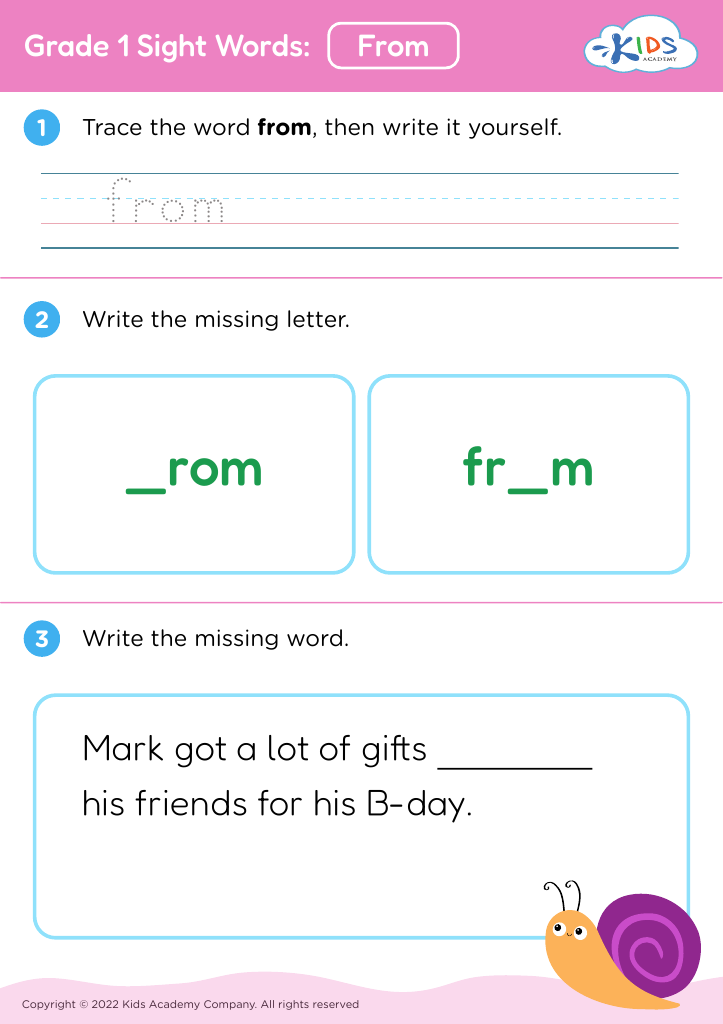
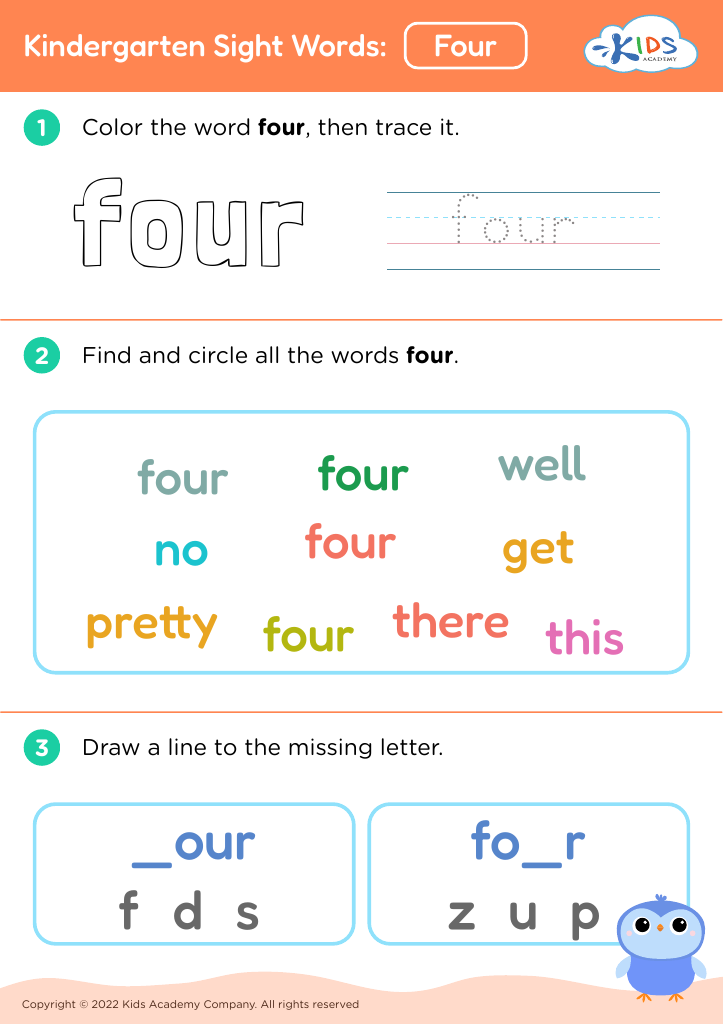







Parents and teachers should prioritize Problem Solving Reading for children ages 5-7 as it fosters critical thinking and enhances comprehension skills essential for lifelong learning. At this developmental stage, children are naturally curious and eager to explore their environment. Engaging in problem solving through reading encourages them to think logically, make connections, and understand various perspectives.
Story-driven problem-solving activities promote active engagement. Children learn to recognize problems in characters' situations, share their ideas for solutions, and articulate their reasoning. This interactive process boosts vocabulary and enhances storytelling, both crucial for literacy development.
Moreover, problem-solving reading nurtures resilience and adaptability. As children encounter challenges in stories, they learn that persistence and analysis often lead to resolution. These skills translate broadly to real-life situations, helping them tackle obstacles with confidence.
Encouraging this type of reading within the home or classroom environment also strengthens the bond between children and caregivers or educators. Discussions around the text can lead to meaningful conversations that build social and emotional intelligence.
In conclusion, Problem Solving Reading equips young learners with essential skills, fostering intellectual growth and emotional resilience, setting a strong foundation for future academic success and personal development.








