Recognizing numbers Reading Worksheets for Ages 5-7
3 filtered results
-
From - To
Help your child build a solid foundation in numeracy with our "Recognizing Numbers Reading Worksheets for Ages 5-7." These engaging and educational worksheets are designed to make learning fun and interactive for young learners. Each worksheet focuses on helping children identify and comprehend numbers through a variety of exercises and activities. Ideal for enhancing early math skills, our worksheets can be used both in the classroom and at home. Watch as your child gains confidence in number recognition, setting the stage for future success in math and beyond. Download now to kickstart your child’s learning journey!
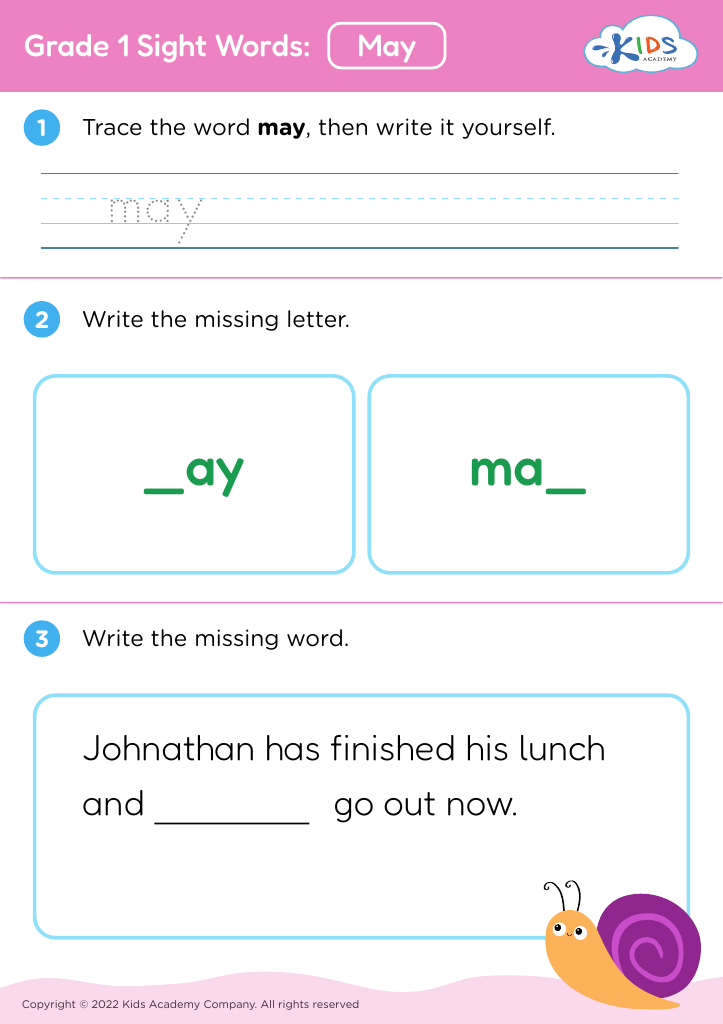
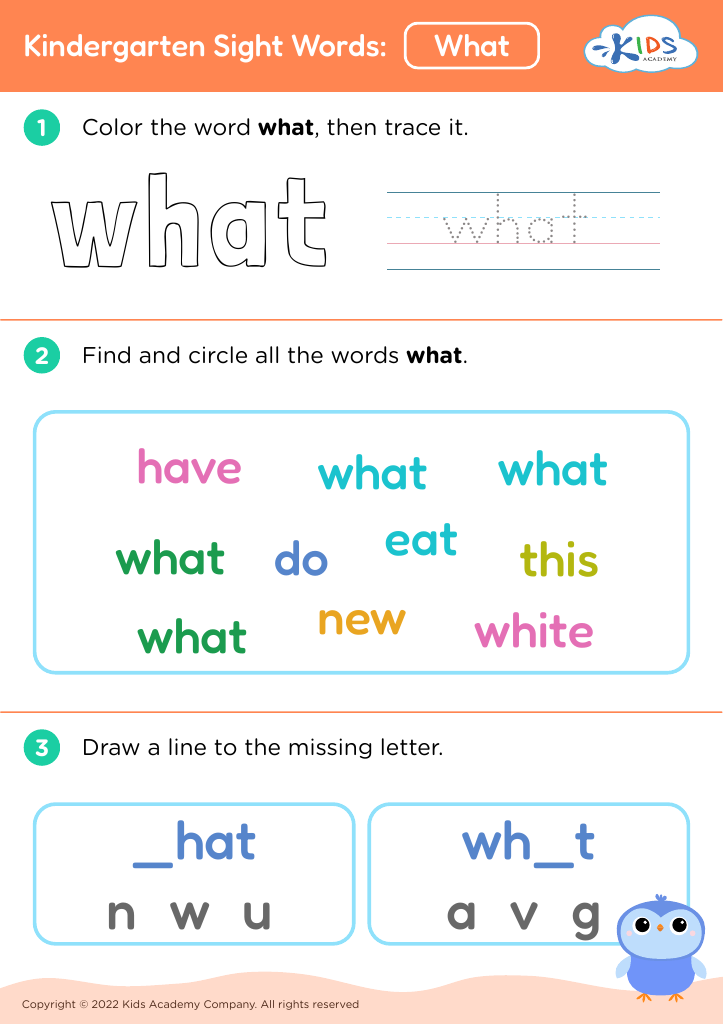
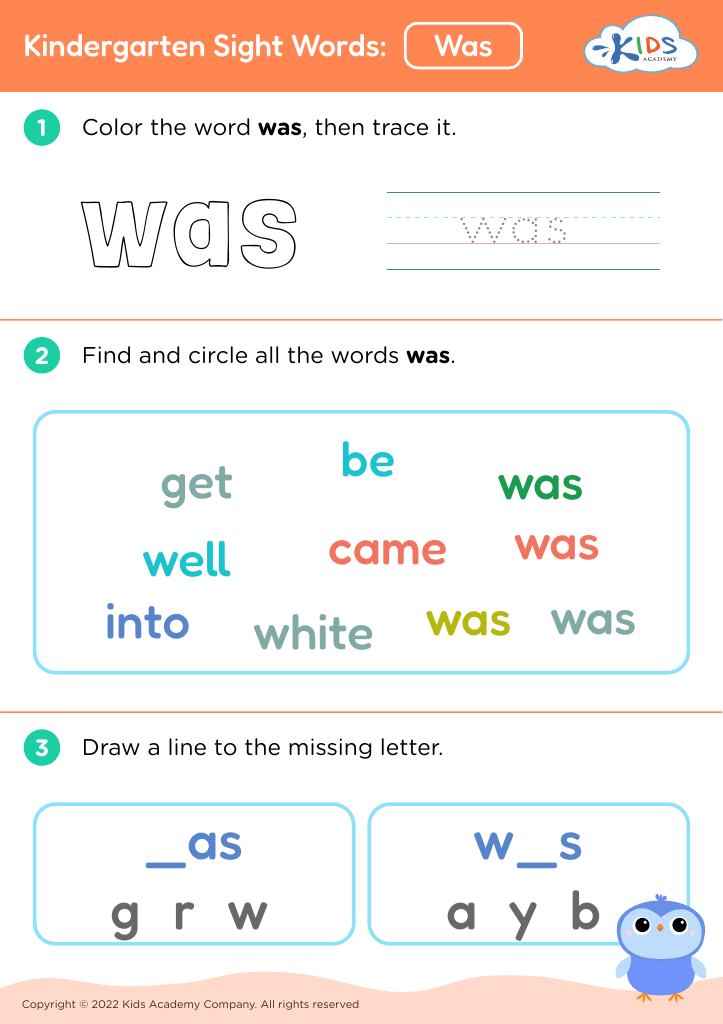








Recognizing numbers and reading is foundational for young children, aged 5-7, because these skills are critical for their future academic success and daily life. For parents and teachers, understanding the importance of these skills can drive better educational outcomes. Numbers reading is crucial as it forms the basis of mathematical concepts—such as counting, addition, and subtraction—essential for problem-solving and logical thinking. These skills are not only vital in math classes but also in everyday activities, like telling time, using money, and measuring ingredients in cooking.
Reading, on the other hand, unlocks the world of written language. During this pivotal age, children transition from recognizing individual letters and sounds to forming words and understanding basic sentences. This capability is critical because reading fluency enhances comprehension, vocabulary building, and effective communication, which are all indispensable for broader subjects, from science to social studies.
Moreover, early literacy fosters a love for learning, helping children become more confident and self-reliant learners. It is essential for their cognitive development, critical thinking, and empathy—when children read stories, they learn about different perspectives and cultures.
In summary, recognizing numbers and reading at an early age lays down substantial academic and life skill pillars, making it something parents and teachers should actively nurture and support.








