Understanding context Reading Worksheets for Ages 5-7
6 filtered results
-
From - To
"Understanding Context Reading Worksheets for Ages 5-7" offer engaging and educational activities designed to boost young learners' reading comprehension skills. These worksheets help children grasp the meaning of texts by interpreting the surrounding context, supporting the development of critical thinking and analytical abilities. Tailored for early readers, the exercises feature age-appropriate language and captivating illustrations to keep students motivated. Ideal for classroom or home use, these printable resources empower kids to read with understanding, laying a strong foundation for future literacy success. Discover a fun and effective way to enhance your child's reading journey with these expertly crafted worksheets.
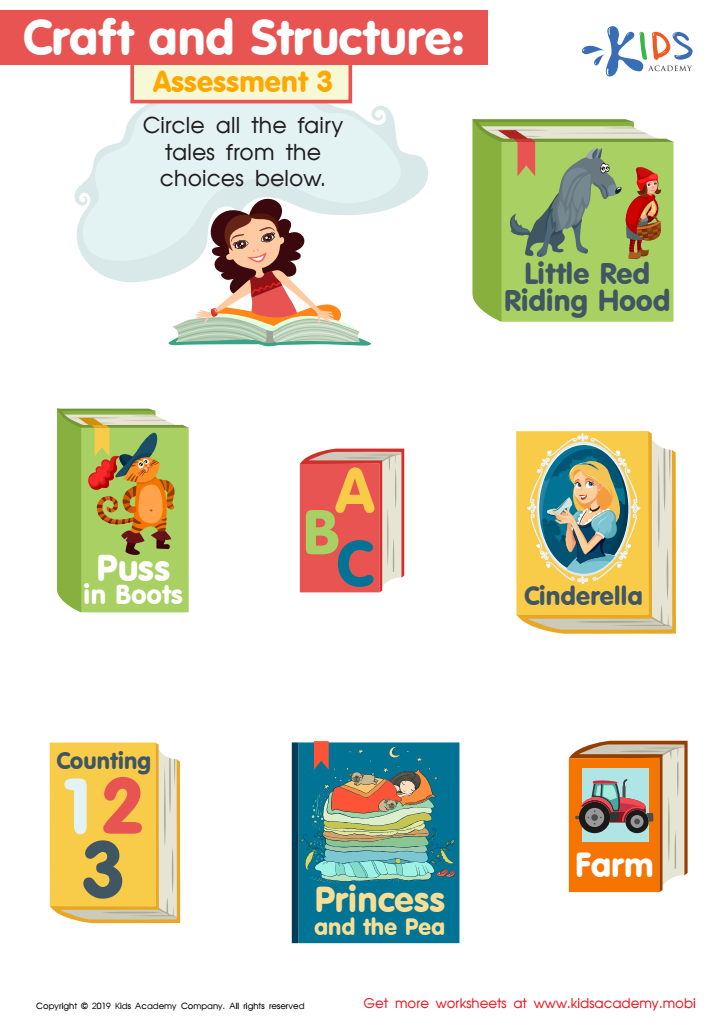
Craft and Structure: Assessment 3 Worksheet
 Assign to My Students
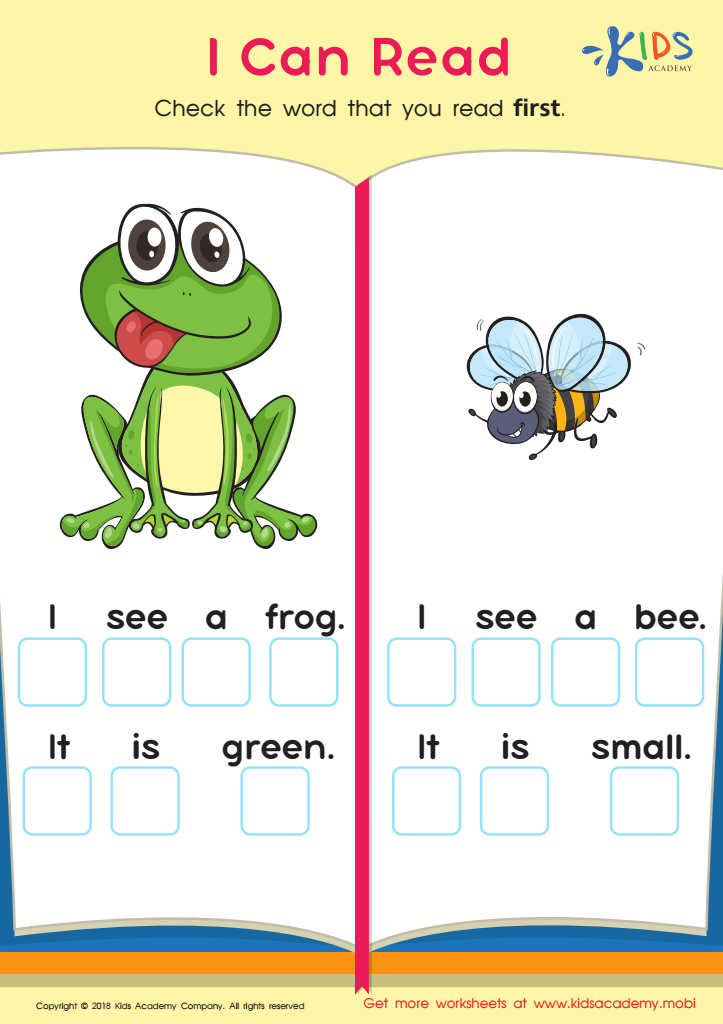
I Can Read Worksheet
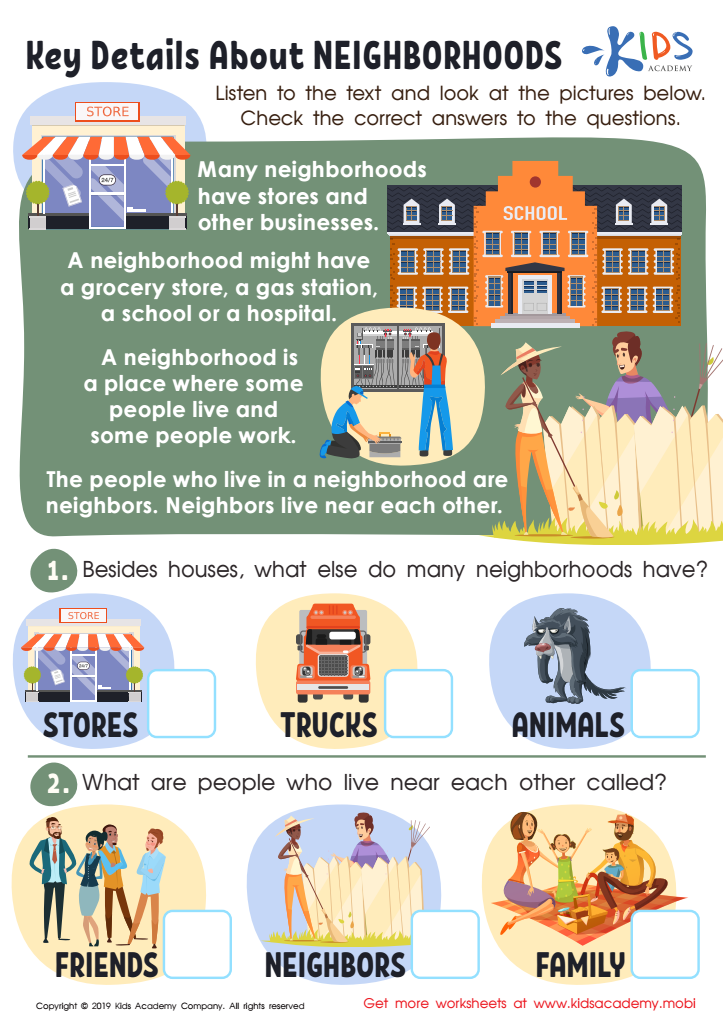
Key Details Neighborhoods Worksheet
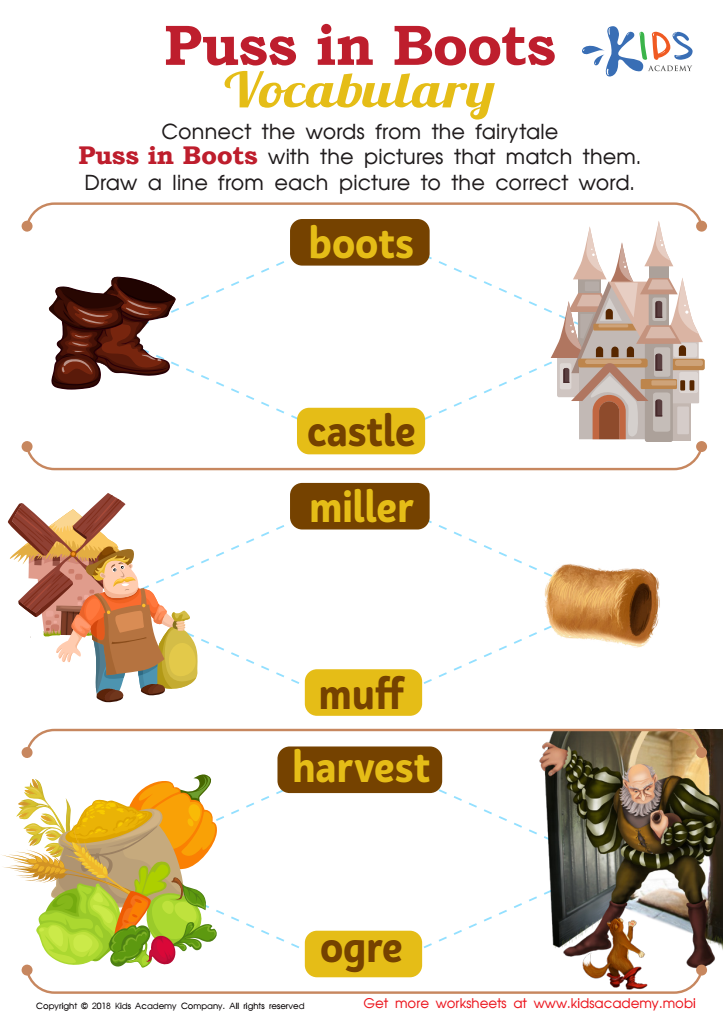
Puss in Boots Vocabulary Worksheet
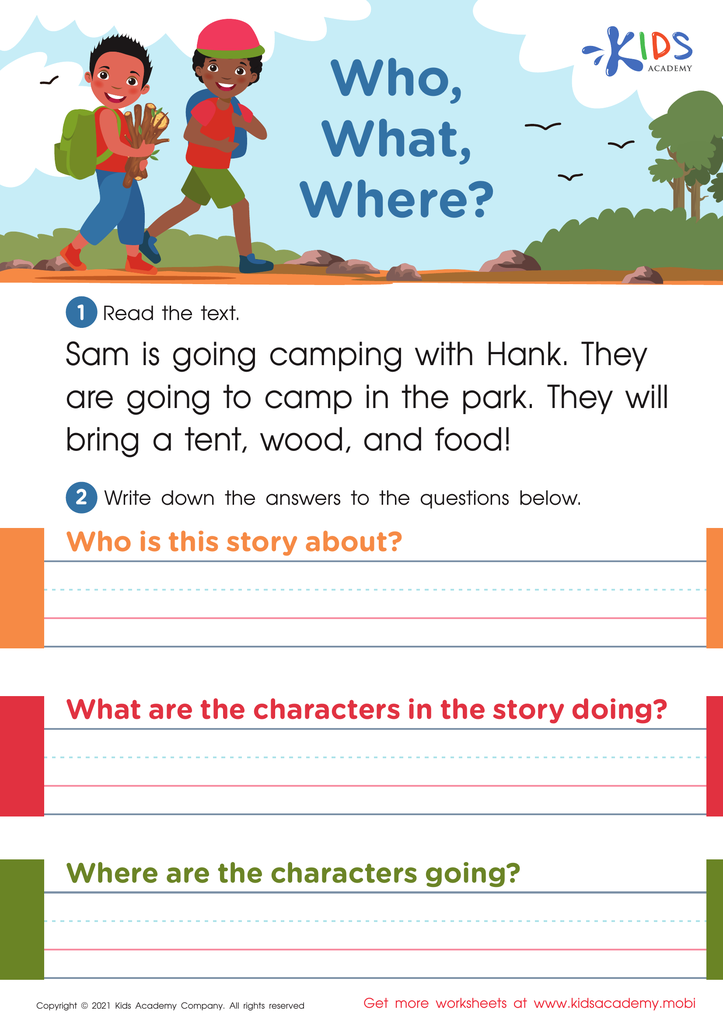
Who, What, Where? Worksheet




.jpg)



Understanding context in reading for children aged 5-7 is crucial for their overall cognitive development and academic success. At this formative age, kids are not just learning to decode words; they are also learning to grasp the meanings behind the words. When children comprehend the context of what they are reading, they can connect new information to what they already know, fostering deeper understanding and retention.
Reading with contextual understanding aids in vocabulary acquisition. When kids understand the setting, characters, and events in a story, they can infer the meanings of new words, which enhances their language skills. This also encourages critical thinking and problem-solving, as children learn to predict outcomes and draw conclusions based on contextual clues.
Furthermore, contextual reading supports emotional and social development. Stories often present various life situations and moral dilemmas, and understanding these narratives helps children develop empathy and navigate their feelings and relationships.
For teachers and parents, focusing on context in reading promotes a more engaging and effective learning experience. It ensures that kids aren't just passively reading words but actively engaging with the content, setting the foundation for lifelong learning and curiosity. Therefore, understanding context is an essential aspect of early literacy that deserves attention and nurturing.








