Understanding directions Reading Worksheets for Ages 5-7
3 filtered results
-
From - To
Unlock your child's potential with our "Understanding Directions" reading worksheets designed specifically for ages 5-7. These engaging resources enhance critical reading comprehension skills while teaching children how to follow and interpret directions effectively. Filled with vibrant illustrations and age-appropriate scenarios, our worksheets encourage fun and interactive learning. Children will practice essential skills through exciting exercises that promote attention to detail and improve their ability to understand and execute instructions. Ideal for classroom use or at-home reinforcement, these worksheets will empower young learners to navigate tasks with confidence. Explore our collection and foster a love for reading and comprehension in your child today!
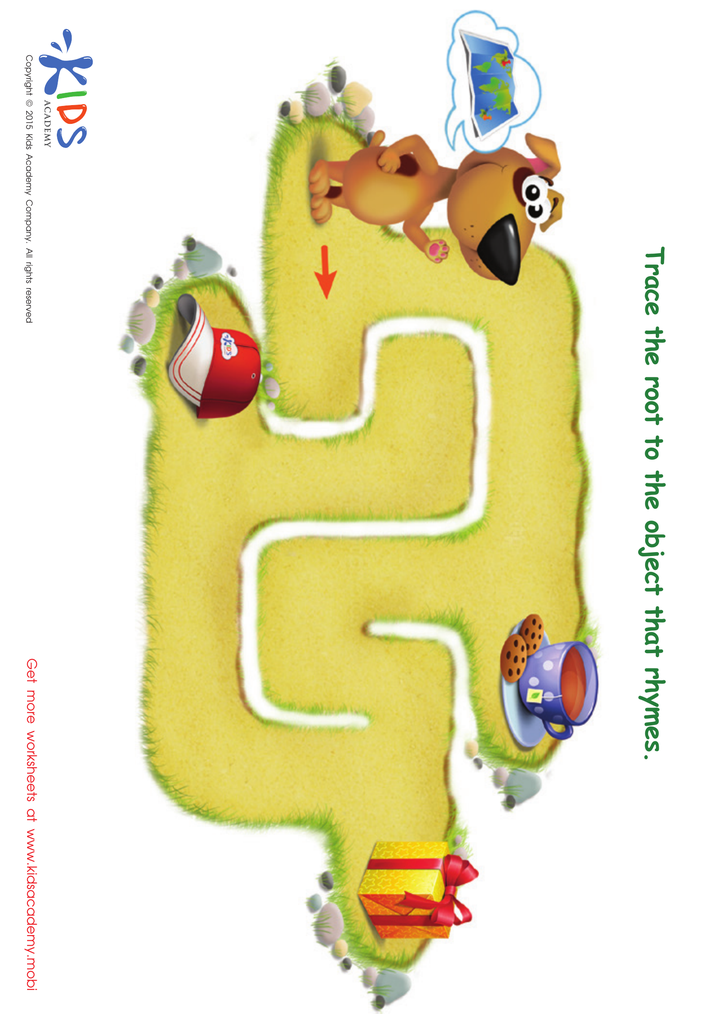
Map Rhyming Words Worksheet
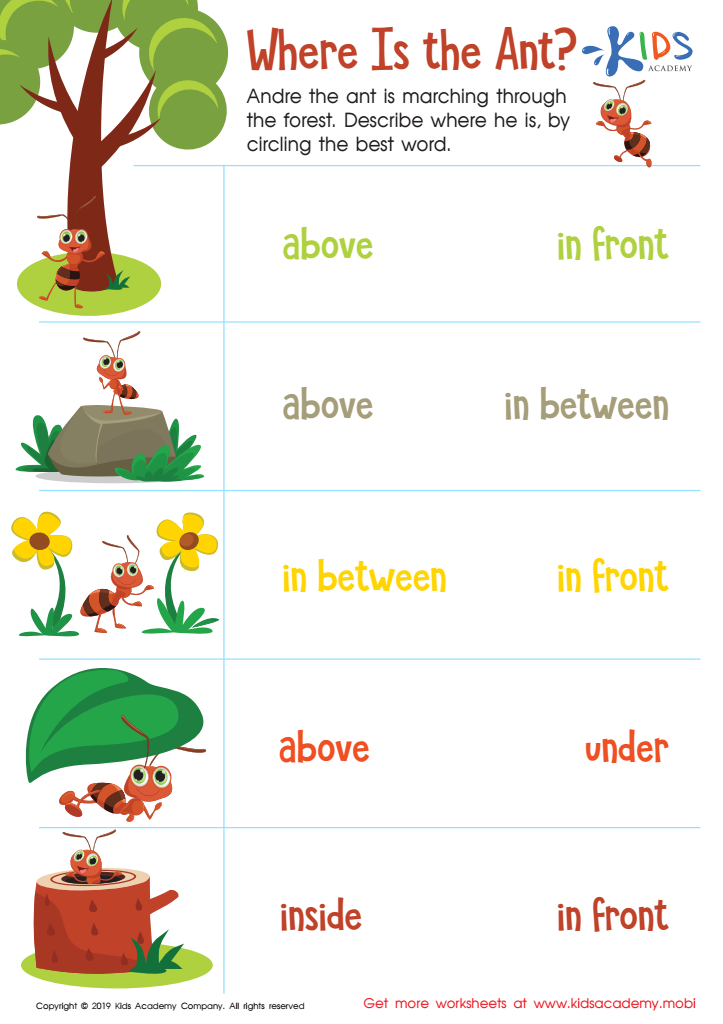
Where Is the Ant? Worksheet
 Assign to My Students
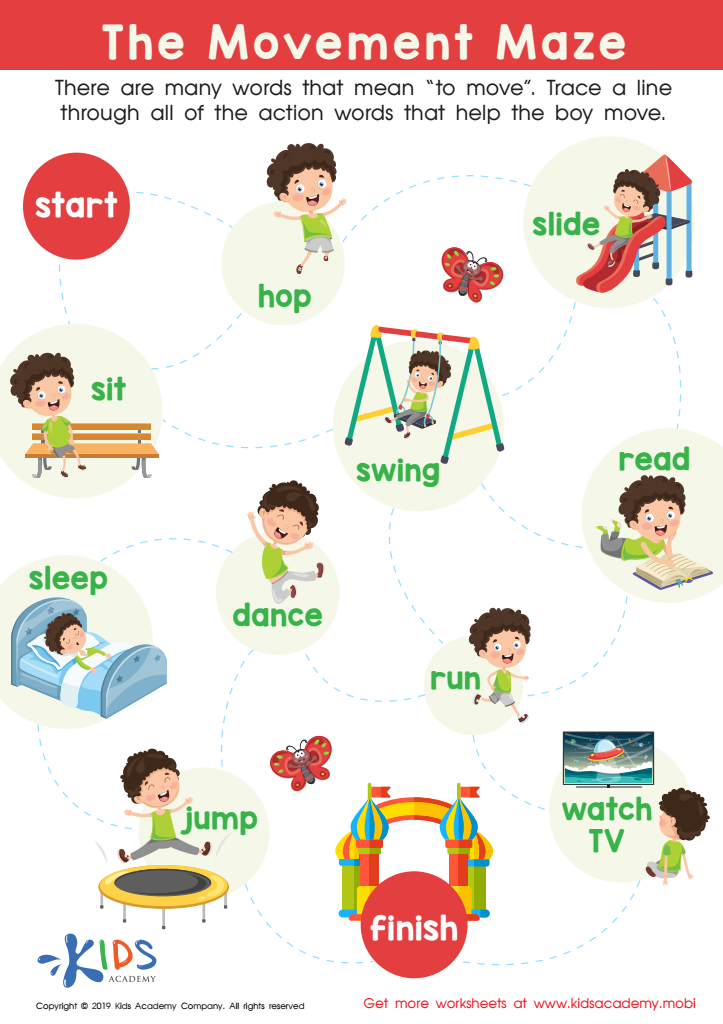
The Movement Maze Worksheet








Understanding directions is a vital skill for children aged 5-7, and parents and teachers should prioritize it for several reasons. First, at this developmental stage, children are learning to navigate both academic and social environments. Clarity in following directions helps them to complete tasks effectively, whether it’s in reading, math, or daily routines. Mastering this skill fosters independence, allowing children to engage more confidently in classroom activities and cooperate with peers during group work.
Second, comprehending directions is closely linked to literacy development. When children learn to read and understand written instructions, they enhance their ability to process language and meaning. This competency builds a strong foundation for future reading skills, critical for lifelong learning.
Third, understanding directions helps children develop essential problem-solving skills. They learn to analyze and interpret information, applying this ability to real-life situations, like games, crafts, or following routines at home.
Lastly, well-developed direction-following skills can improve a child’s self-esteem. Achieving success in fulfilling tasks encourages a sense of accomplishment. By nurturing this skill, parents and teachers can empower children to take initiative and learn more effectively.








