Understanding fractions Reading Worksheets for Ages 5-7
48 filtered results
-
From - To
Explore our engaging "Understanding Fractions Reading Worksheets" designed specifically for children ages 5-7. These worksheets are perfect for young learners, helping them grasp the concept of fractions through fun and interactive reading activities. Each worksheet features colorful illustrations and age-appropriate exercises that simplify fractions, making them easier to understand. Whether exploring halves, quarters, or thirds, children will enjoy developing their reading skills while learning essential math concepts. These resources not only enhance comprehension but also build a strong foundation for future mathematical success. Perfect for home or classroom use, our worksheets promote both literacy and numeracy in a playful and enjoyable manner!
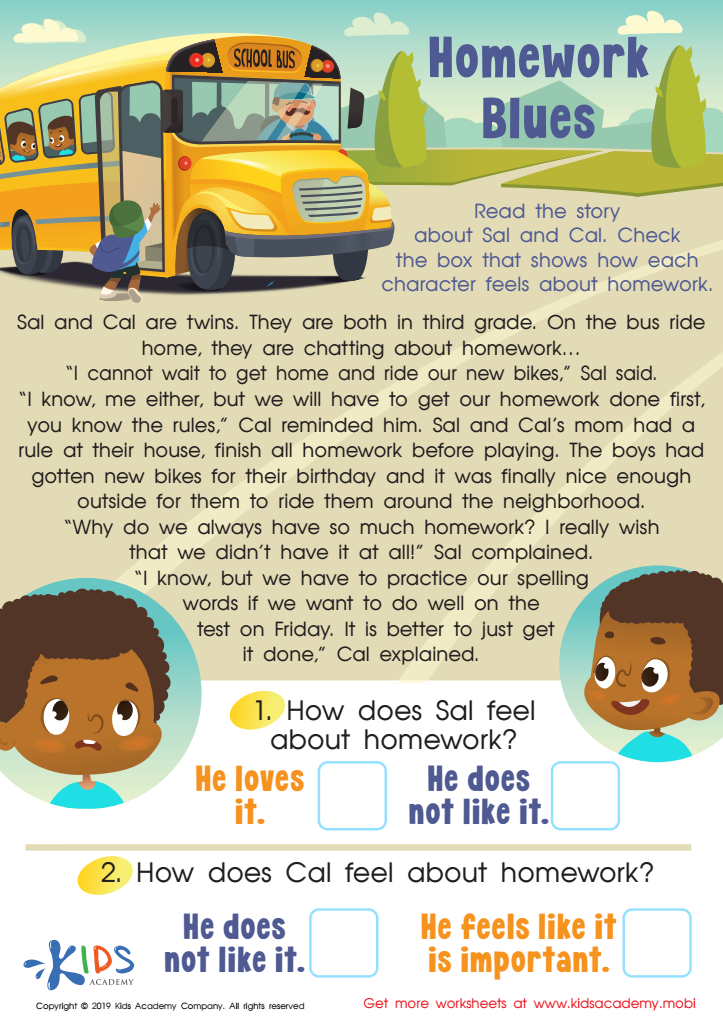
Homework Blues Worksheet
 Assign to My Students
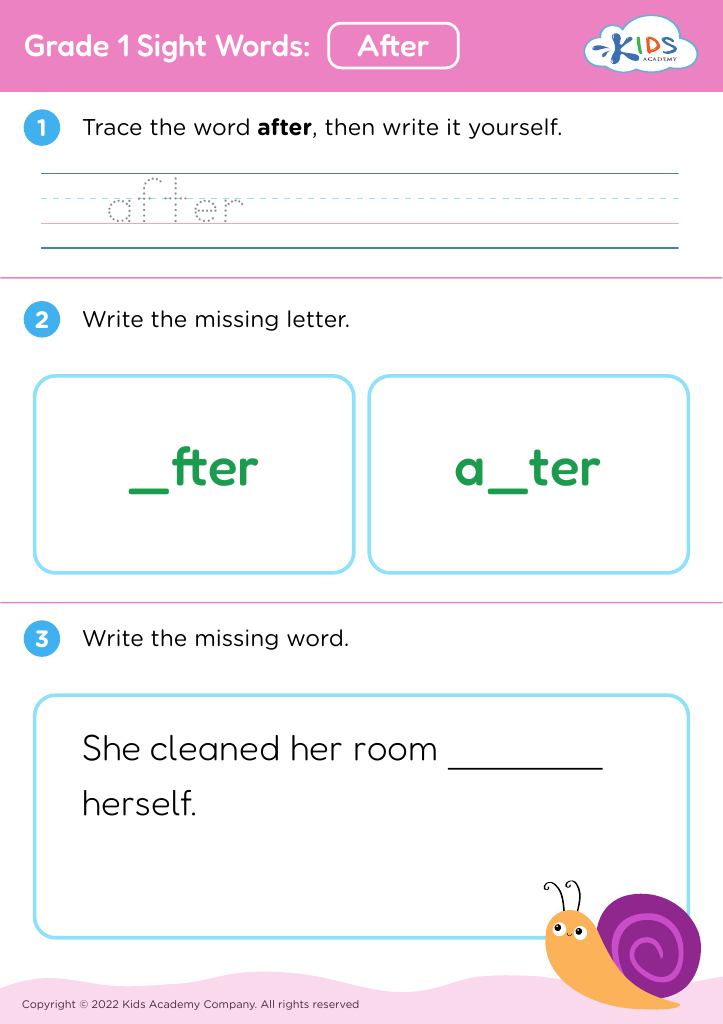
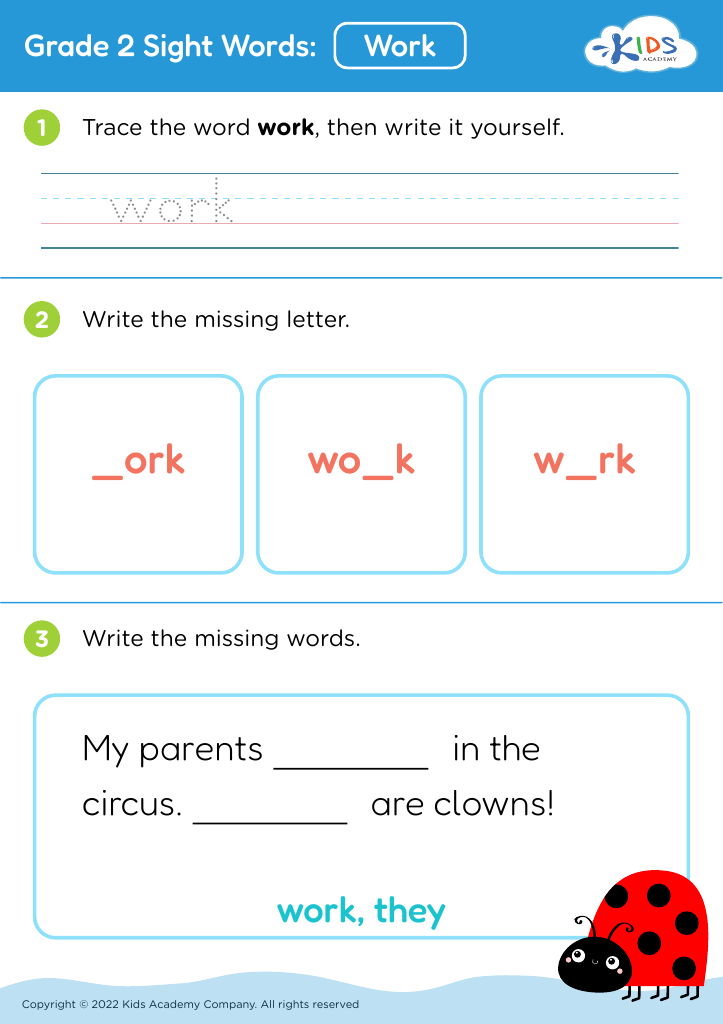
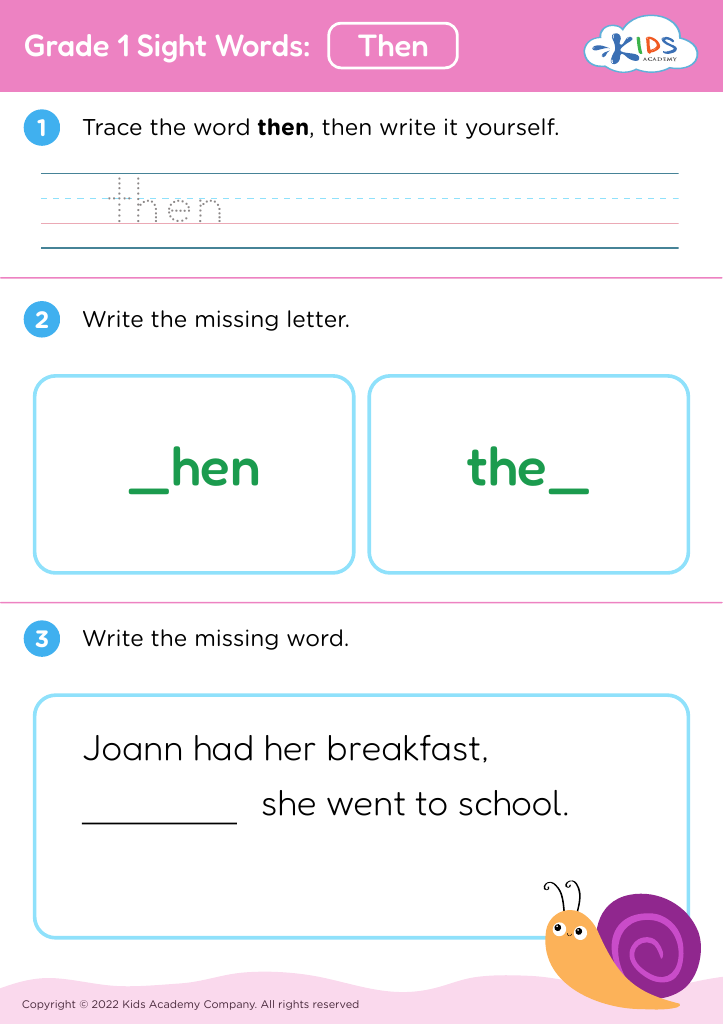








Understanding fractions is a foundational mathematical skill vital for children aged 5-7. Parents and teachers should care about teaching this concept early, as it lays the groundwork for more complex mathematical reasoning later in life. Fractions are not just abstract numbers; they represent parts of a whole, which can relate to real-life situations—like sharing pizza or dividing candies.
At this age, children are naturally curious and eager to explore their surroundings. Understanding fractions can enhance their spatial awareness and problem-solving skills. Engaging their interest at a young age makes learning fun and unforgettable. Through storytelling, hands-on activities, and visual aids, teachers and parents can introduce fractions in an accessible way that resonates with children's everyday experiences.
Moreover, mastering fractions can boost a child's confidence in math, making them more enthusiastic learners. Early intervention can prevent anxiety and gaps in understanding that may arise later. The approach to teaching fractions should be interactive, focusing on exploration and discovery, thereby fostering a positive attitude towards math. Overall, promoting an understanding of fractions nurtures critical thinking and prepares children for future academic success, creating a solid foundation for lifelong learning.








