
Understanding patterns Reading Worksheets for Ages 5-7
8 filtered results
Difficulty Level
Grade
Age
-
From - To
Subject
Activity
Standards
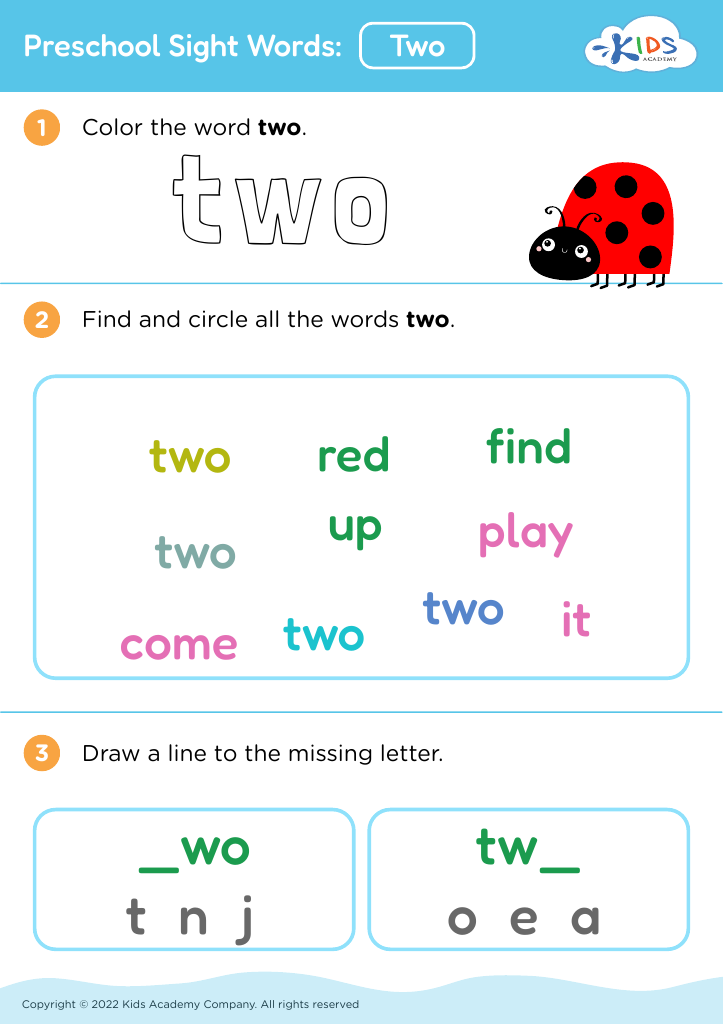
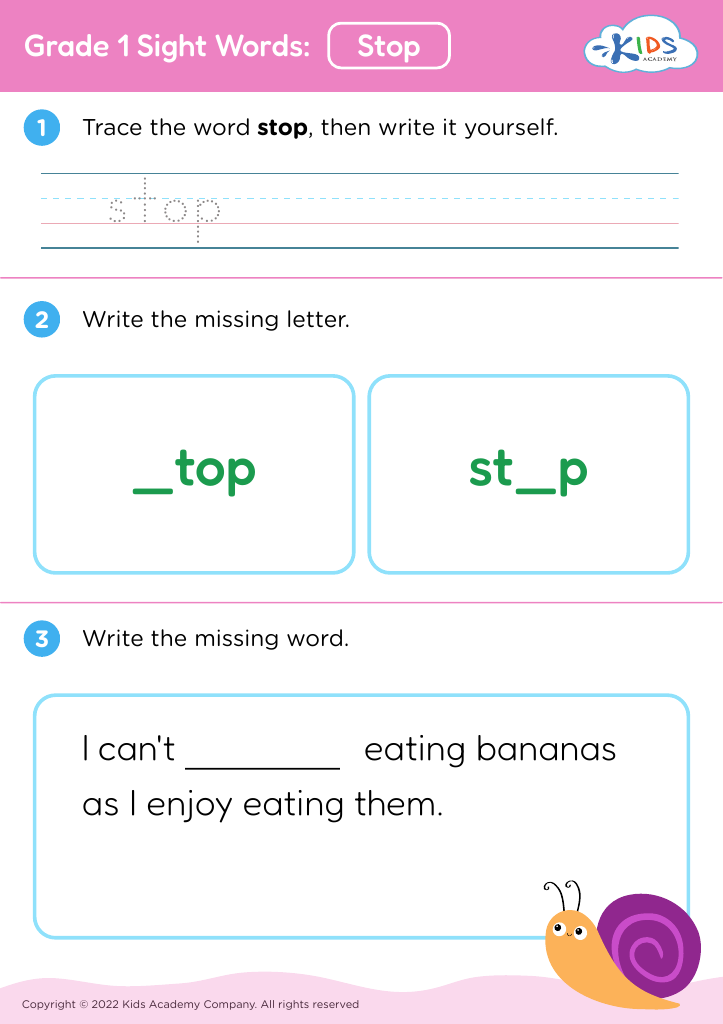
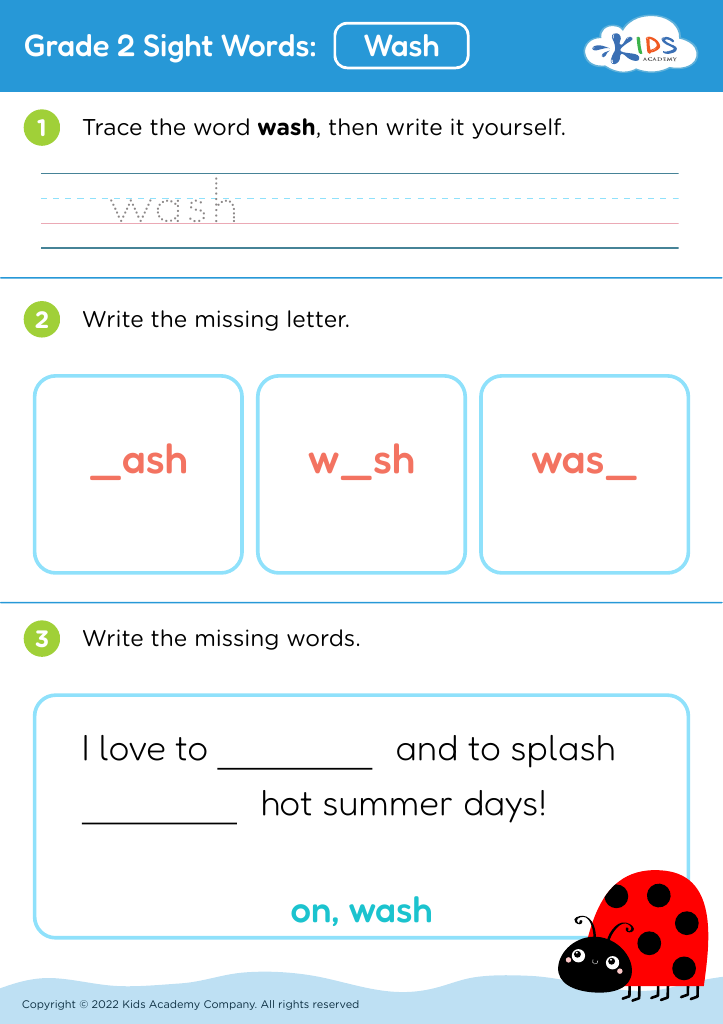
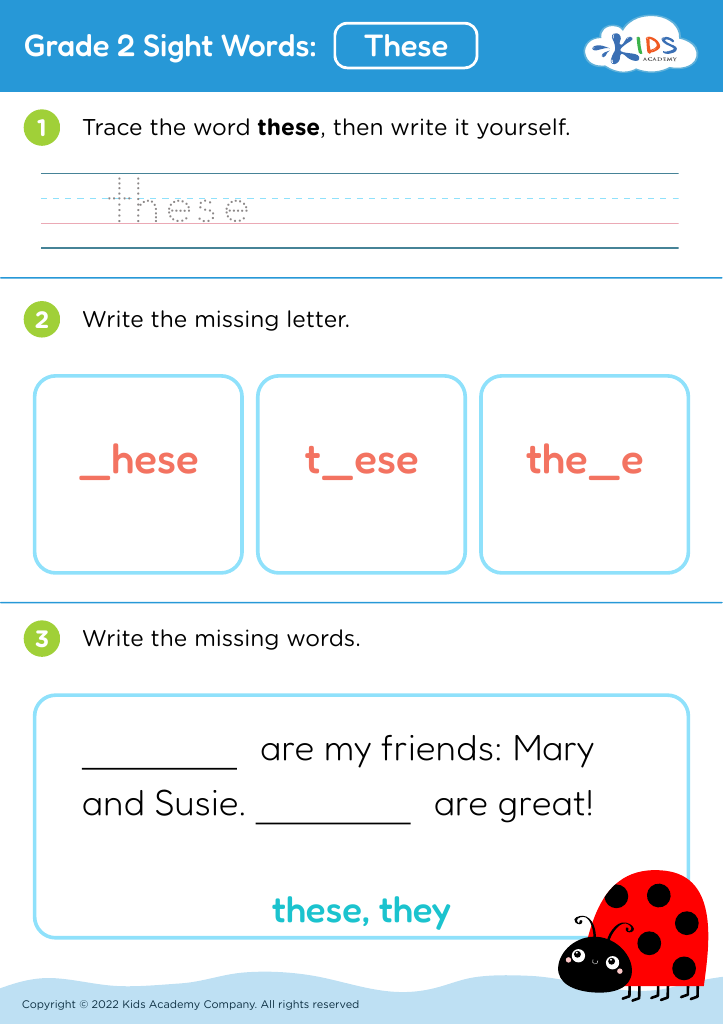
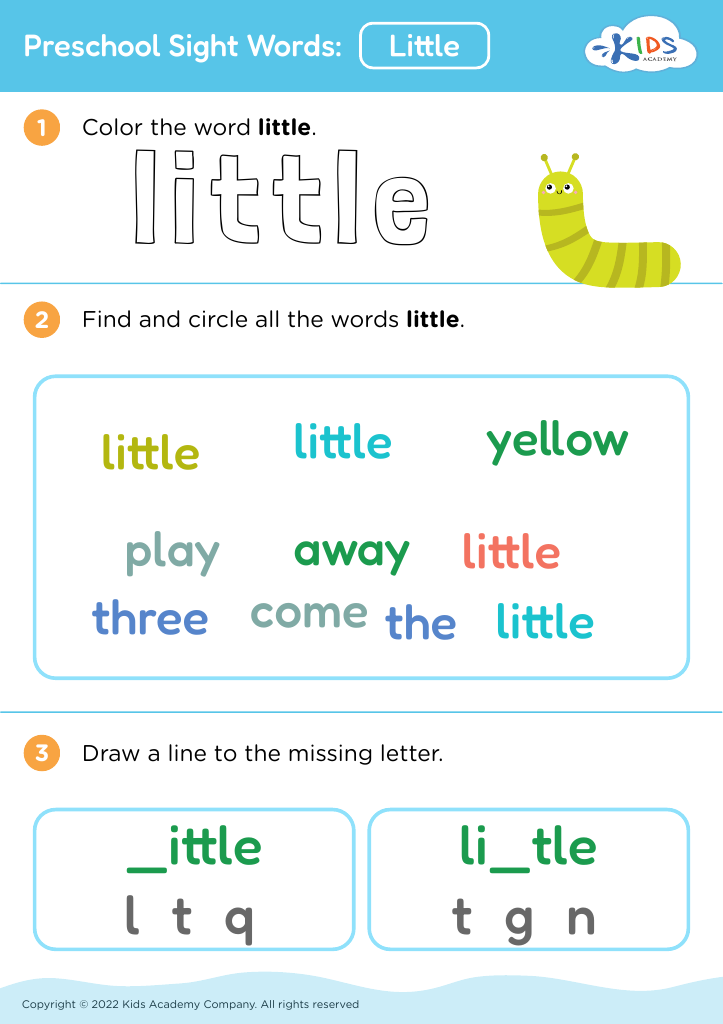
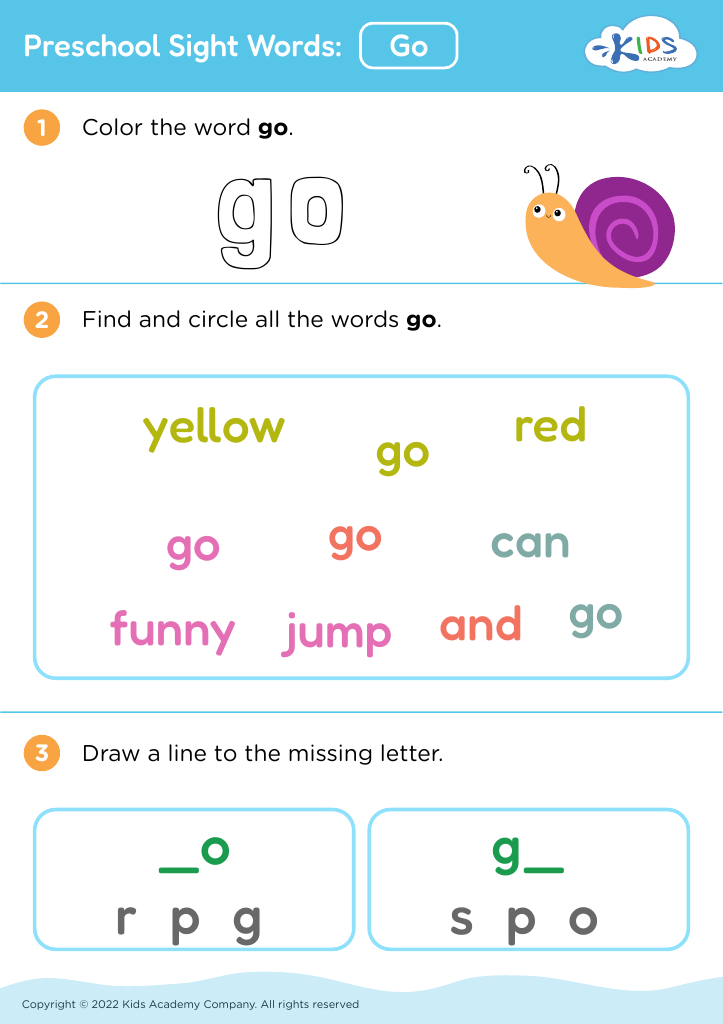
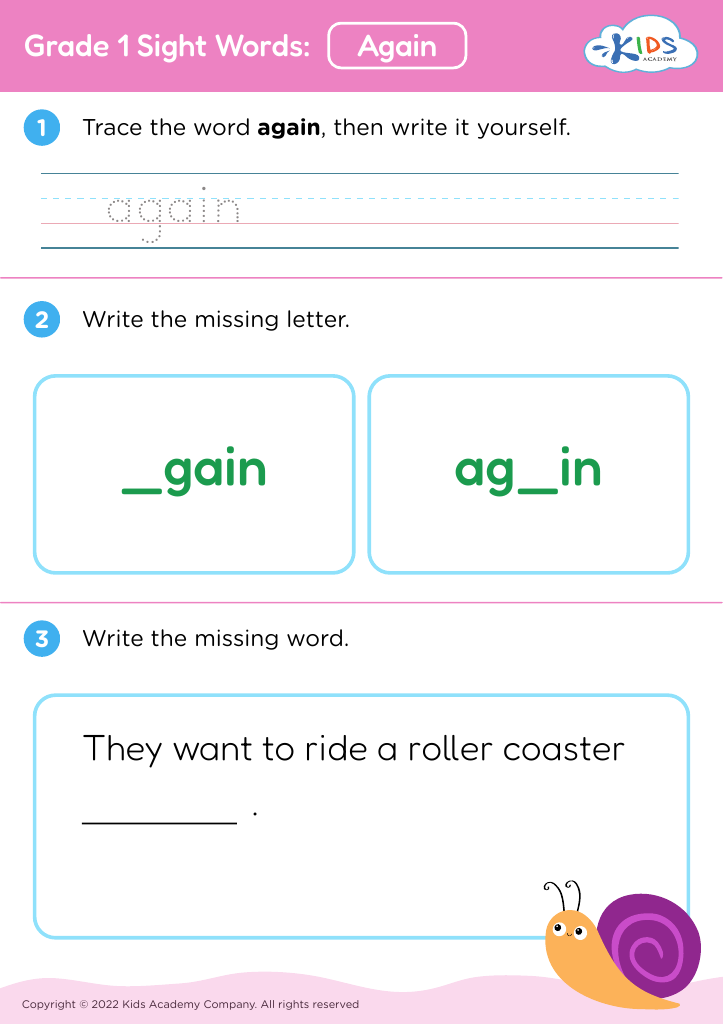
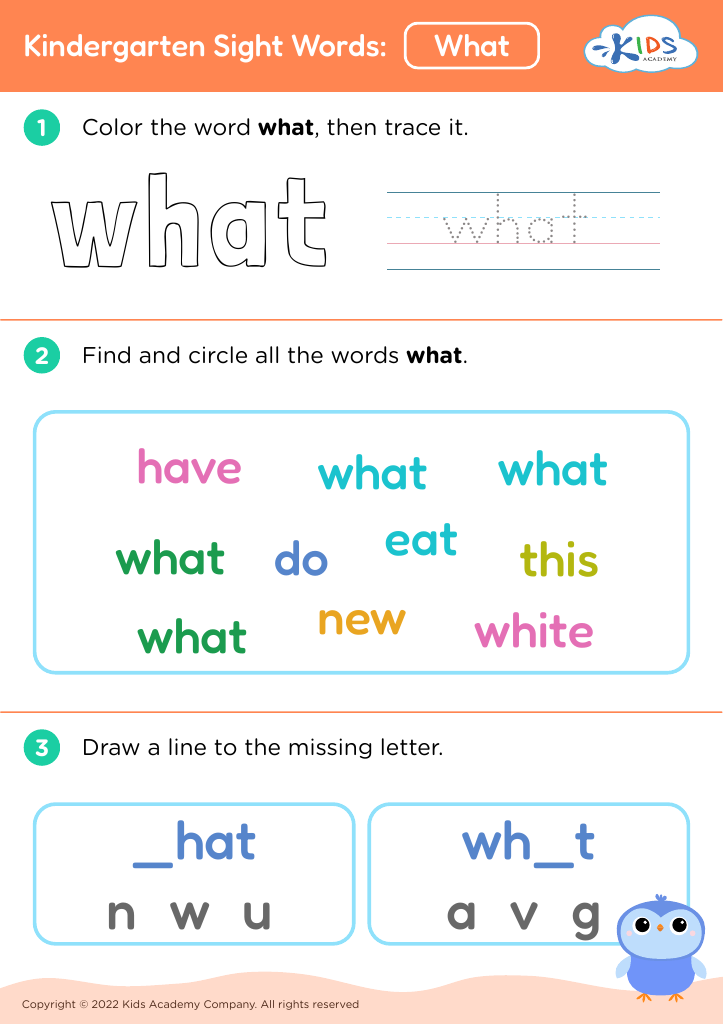
Enhance your child's reading abilities with our "Understanding Patterns Reading Worksheets" tailored for ages 5-7. These engaging and educational worksheets aim to develop young readers' pattern recognition and critical thinking skills through fun and interactive activities. By exploring sequences, identifying repetitive elements, and predicting what comes next, children build a solid foundation for reading comprehension and logical reasoning. Perfect for both classroom and home use, our worksheets foster a love for learning and reading in early learners. Empower your child's educational journey with our expertly designed materials that make mastering patterns enjoyable and approachable.
Favorites
With answer key
Interactive
Join Kids Academy for Free
Who is primarily going to use this learning content?








Understanding patterns is essential for young children's development in reading and other areas. For children aged 5-7, it serves as a foundational skill that can significantly boost their academic progress.
Parents and teachers should care about pattern recognition because it aids in word formation and reading fluency. Recognizing patterns in letter combinations and word structures helps children decode new words efficiently. This leads to smoother, more confident reading. For example, when children notice that "cat," "bat," and "hat" share similar endings, they can apply this knowledge to read new words with the same pattern, thereby enhancing their vocabulary and comprehension skills.
Additionally, patterns contribute to better understanding of narratives and sequences in stories. Identifying recurring themes and sequences helps children predict what might happen next, thereby improving their comprehension and narrative skills. Beyond reading, this skill is crucial for mathematical understanding, scientific reasoning, and everyday problem-solving.
Understanding patterns also fosters a child's curiosity and creativity, encouraging them to notice and explore the world around them. This boosts critical thinking skills and the ability to make connections between different areas of knowledge, promoting a more integrated learning experience.
Therefore, nurturing pattern recognition in reading not only enhances literacy skills but also sets a vital foundation for overall cognitive development.








