Word Recognition Reading Comprehension Worksheets for Ages 5-7
6 filtered results
-
From - To
Discover our engaging Word Recognition Reading Comprehension Worksheets designed specifically for children ages 5-7! These worksheets help young learners boost their reading skills through fun and interactive activities. By focusing on word recognition, kids enhance their vocabulary and comprehension abilities, supporting their overall literacy development. Each worksheet features colorful illustrations and age-appropriate texts that keep students motivated and enthusiastic about learning. Perfect for classroom use or at-home practice, these worksheets encourage critical thinking and support parents and teachers in fostering a love for reading. Explore our diverse collection and watch your child’s reading confidence soar!
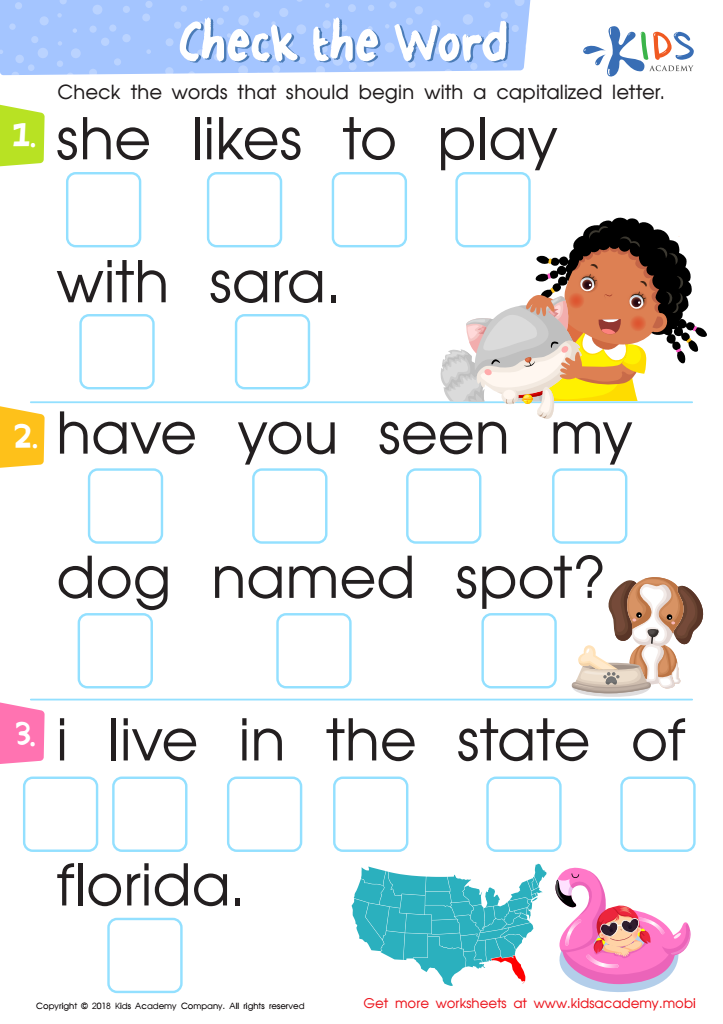
Check the Word Worksheet
 Assign to My Students
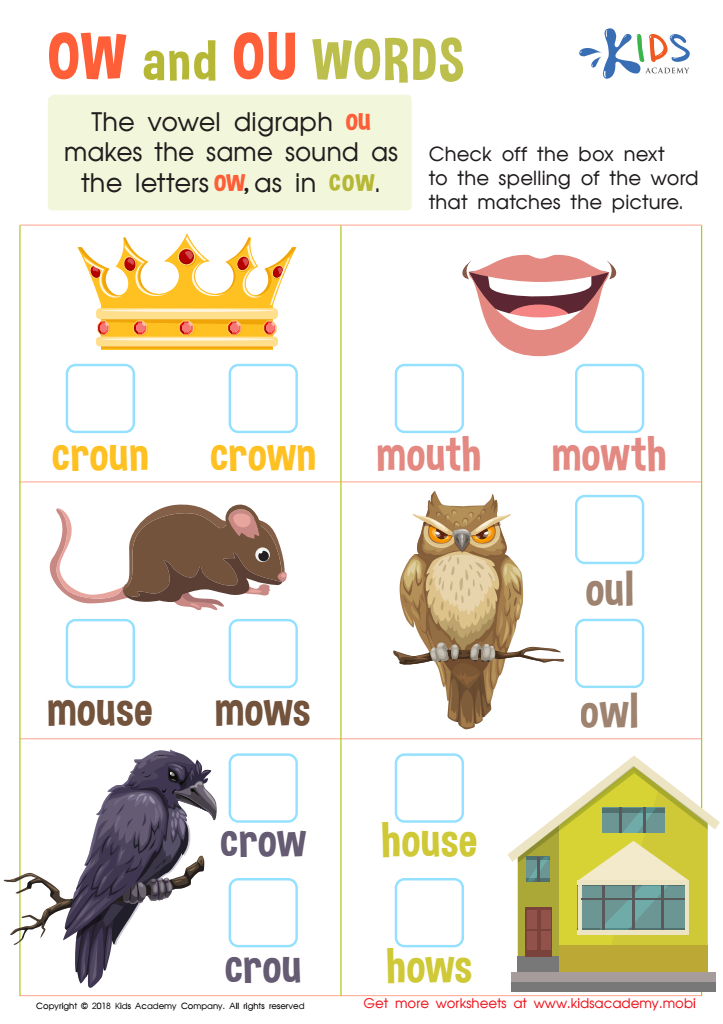
Reading: OW and OU Words Worksheet
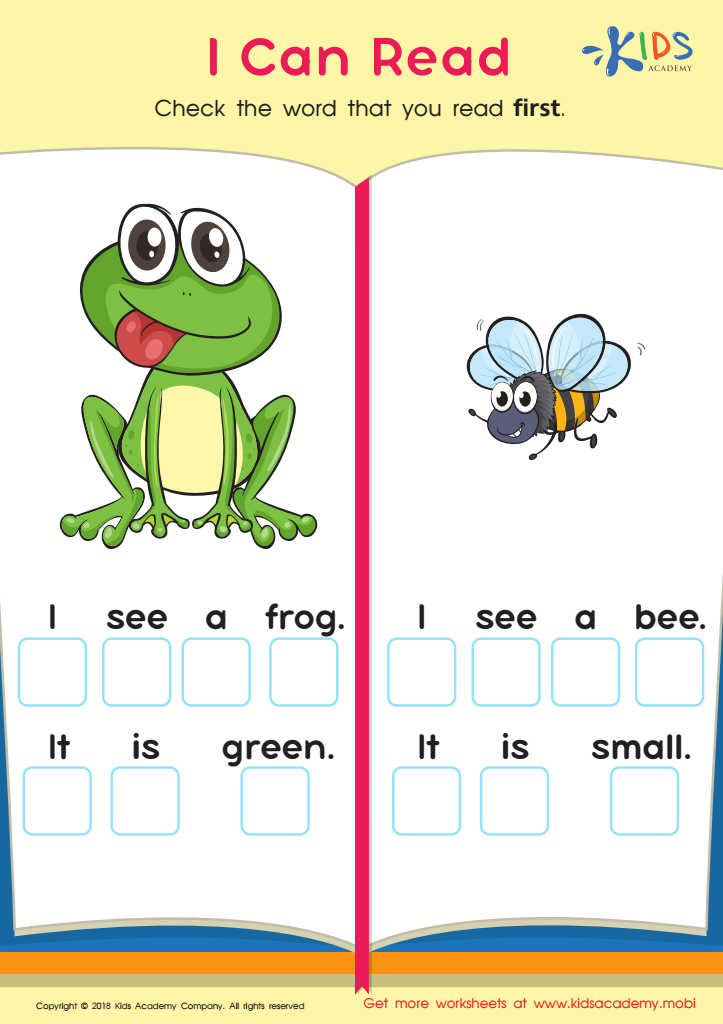
I Can Read Worksheet
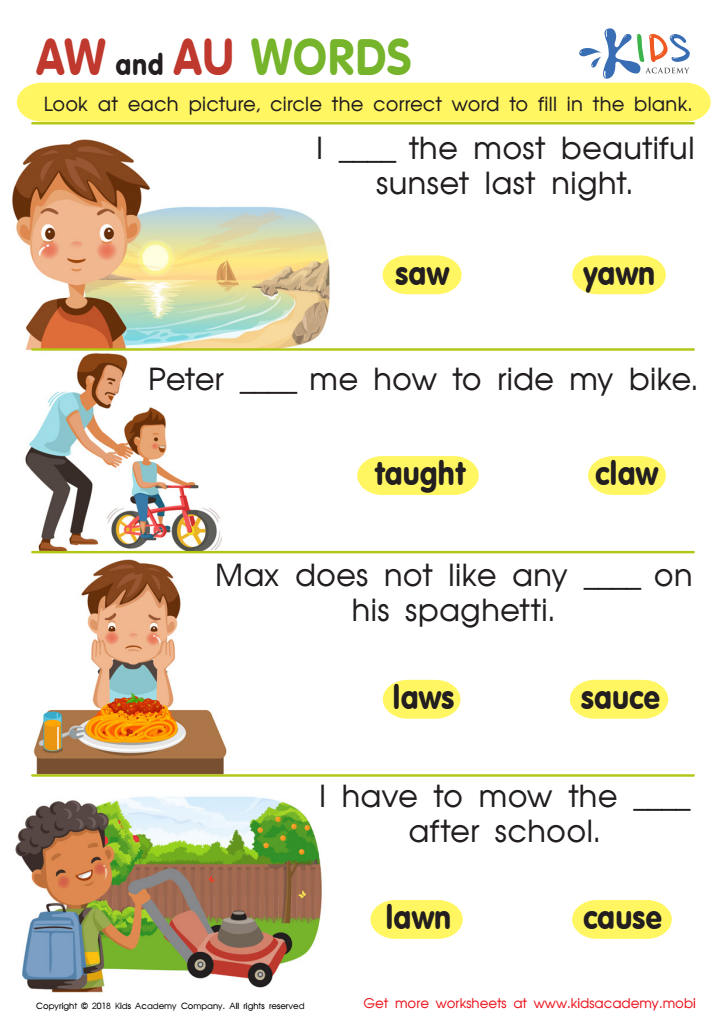
Reading: AW and AU Words Worksheet
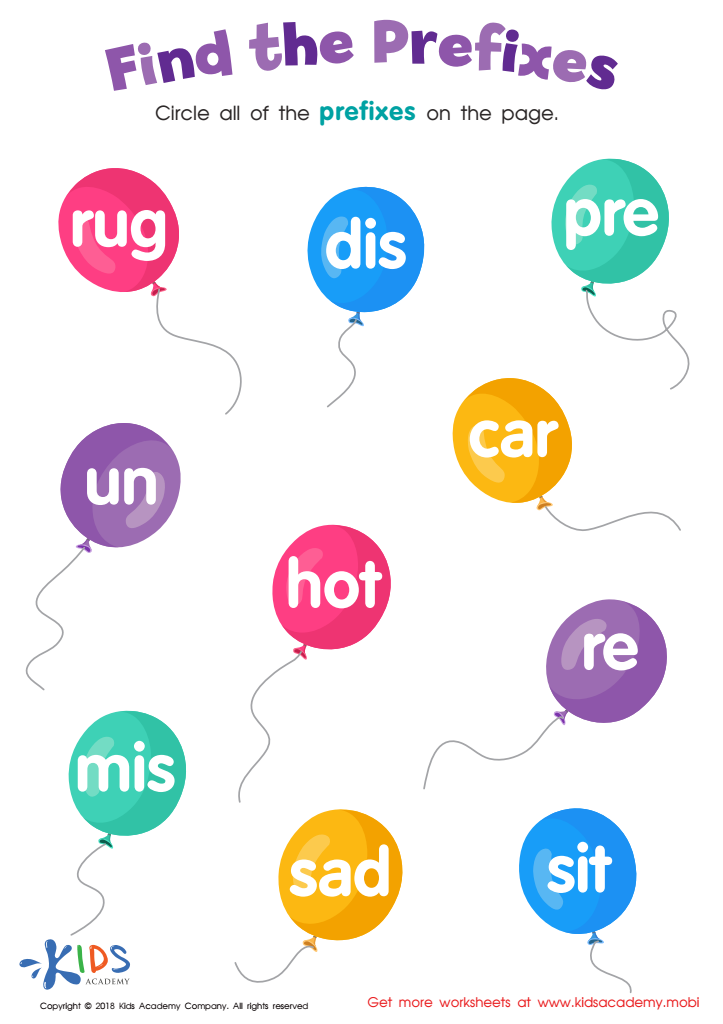
Reading: Find the Prefixes Worksheet
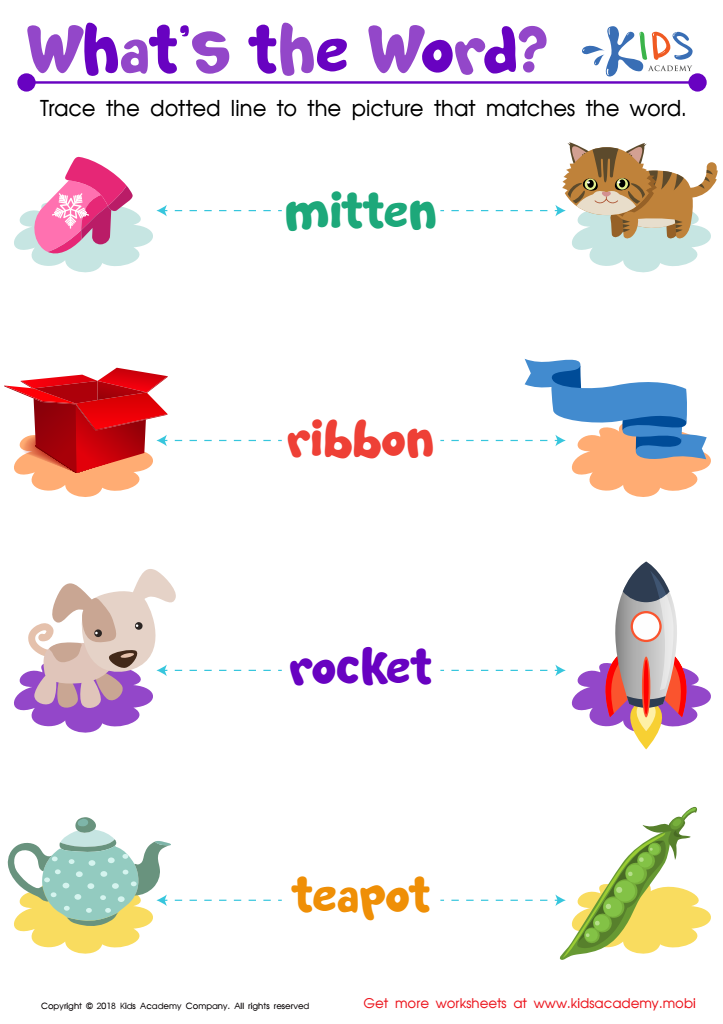
Reading: What's Word Worksheet







Word recognition and reading comprehension are crucial for children aged 5-7, as they establish foundational literacy skills that contribute to overall academic success. At this age, children are in a key stage of cognitive development, where they begin to understand the relationship between letters and sounds, enabling them to decode words. Strong word recognition allows children to read fluently, reducing cognitive load, which frees up mental resources for comprehension.
Reading comprehension is equally important, as it involves understanding and interpreting texts, nurturing critical thinking skills. When children grasp the meaning of what they read, they develop a richer vocabulary and broader knowledge base, essential for various subjects. Furthermore, effective comprehension fosters a love for reading, encouraging children to explore and learn independently.
Parents and teachers should prioritize these skills, as they play a significant role in boosting confidence and motivation in young learners. Engaging children in rich, varied reading experiences and modeling reading strategies can significantly enhance both word recognition and comprehension. Ultimately, investing in these areas lays the groundwork for lifelong learning, preparing children not only for academic challenges but also for future success in a literacy-driven world.








