Information retention Reading Non-Fiction Worksheets for Ages 5-7
3 filtered results
-
From - To
Boost young learners' comprehension with our "Information Retention Reading Non-Fiction Worksheets for Ages 5-7". Curated specifically for ages 5-7, these engaging worksheets enhance kids' ability to recall and process vital information from a variety of non-fiction texts. Through fun exercises, children practice identifying main ideas, key details, and answering questions about the material. By focusing on information retention, these worksheets build essential skills that support academic growth and a lifetime love of learning. Perfect for home or classroom usage, our collection ensures children develop strong reading comprehension foundations while exploring the fascinating world of non-fiction. Download now from Kids Academy!
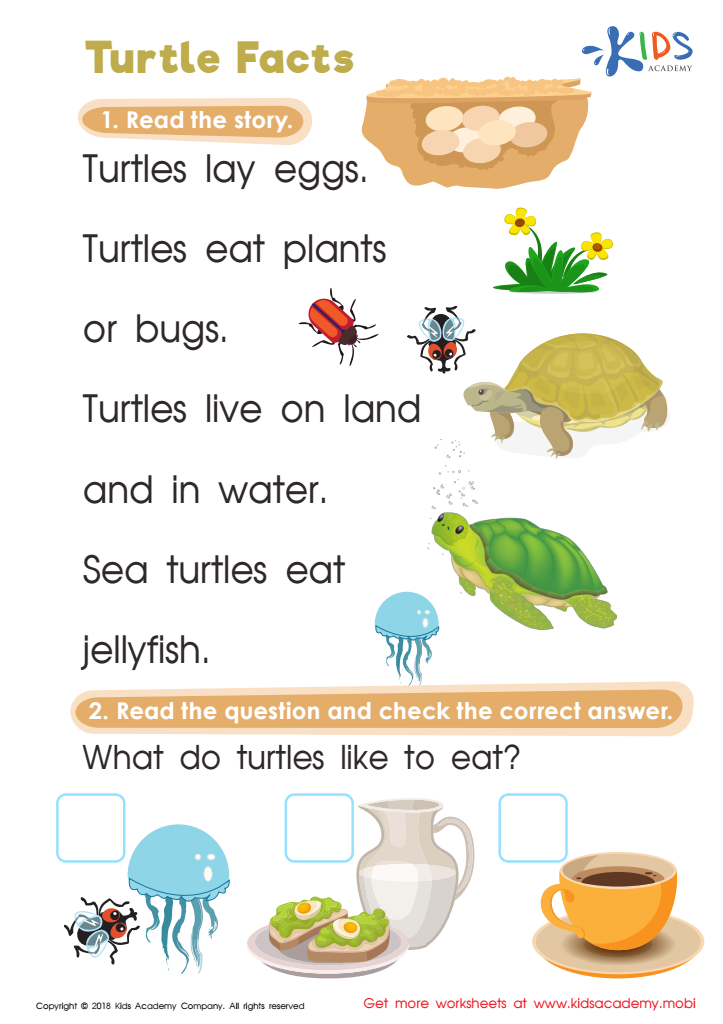
Turtle Facts Worksheet
 Assign to My Students
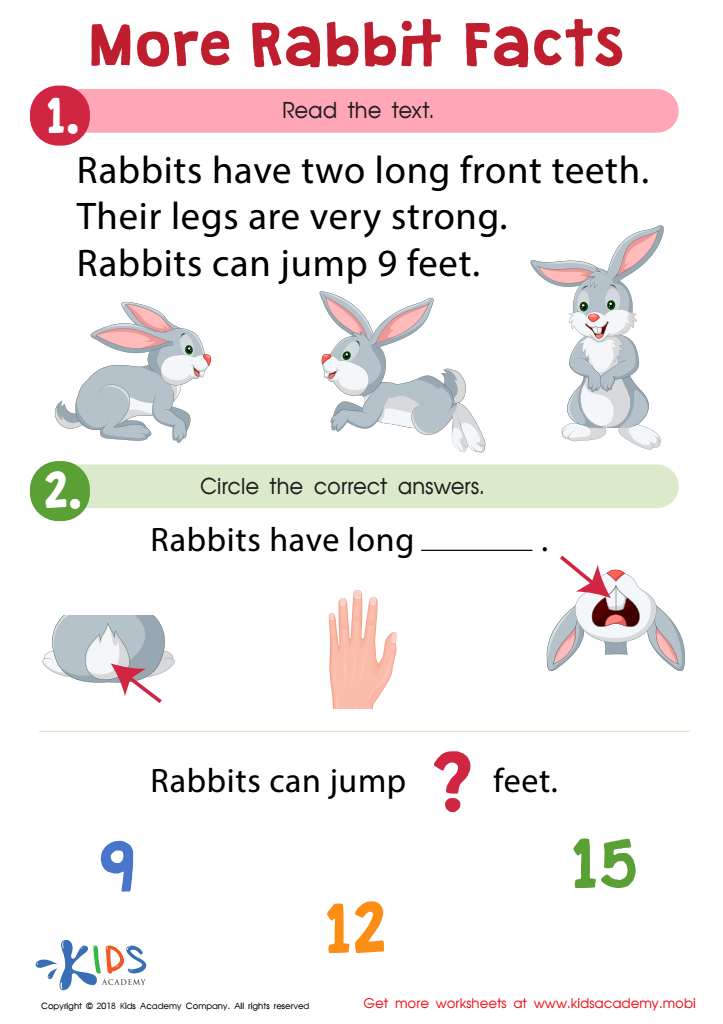
More Rabbit Facts Worksheet
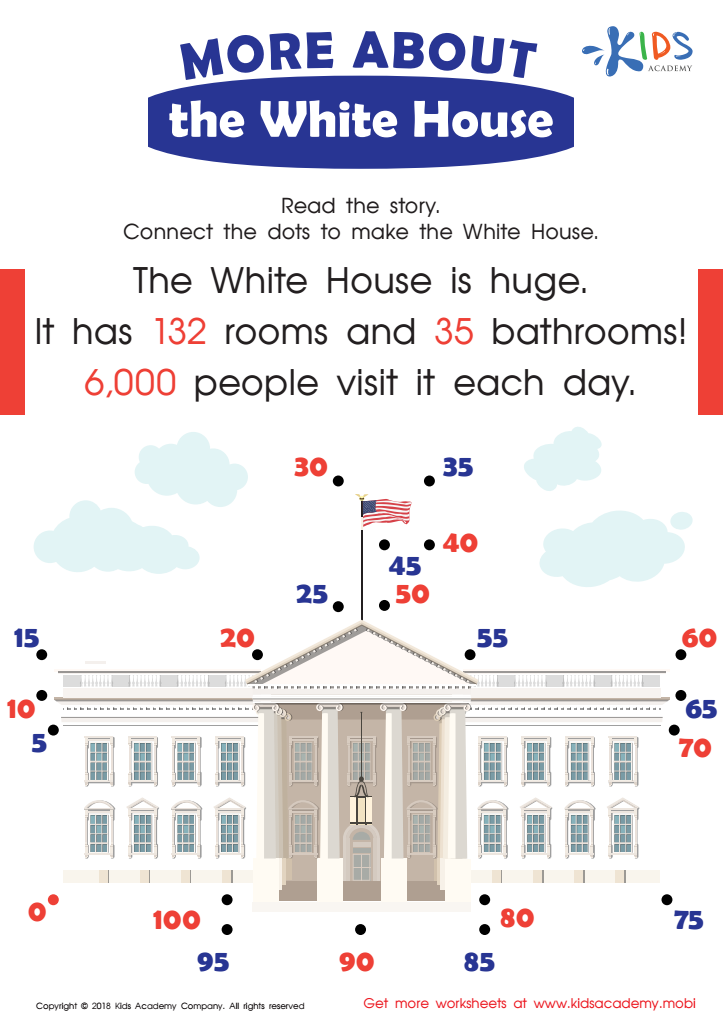
More About the White House Worksheet








Parents and teachers should greatly care about information retention when children aged 5-7 read nonfiction, as it builds foundational skills crucial for lifelong learning. At this formative stage, children’s brains are exceptionally receptive to new information, making it a prime time to nurture their inquisitiveness and critical thinking abilities. Reading nonfiction allows young learners to engage with real-world concepts, promoting curiosity and a love for learning about their environment.
Retaining nonfiction content helps in the development of vocabulary, comprehension, and analytical skills. By processing and remembering factual information, children can make connections between different subjects, which facilitates deeper understanding and problem-solving capabilities. This is particularly impactful in supporting early science, technology, engineering, and mathematics (STEM) education.
Furthermore, strong information retention at this age prepares children for future academic success. By instilling methodologies for effective learning and retention early on, kids acquire the discipline and study habits that are essential as they progress through more complex educational material.
Finally, reading nonfiction encourages lifelong habits of obtaining knowledge and developing an informed perspective. It empowers children to become independent learners, confident in their ability to seek out, comprehend, and remember information. Such skills are fundamental not just for academic success but for becoming well-rounded, informed individuals.








