Counting practice Science Worksheets for Ages 5-7
5 filtered results
-
From - To
Explore our engaging Counting Practice Science Worksheets for ages 5-7, designed to make learning fun and interactive! These worksheets combine essential counting skills with fascinating science themes, helping young learners develop numeracy while exploring the natural world. Each printable activity encourages children to count objects, complete sequences, and identify patterns, all while fostering curiosity about scientific concepts. Perfect for home or classroom use, our worksheets cater to varying skill levels and are aligned with early educational standards. Get ready to enhance your child's learning experience with creative, hands-on activities that make counting and science exciting! Start the adventure today!
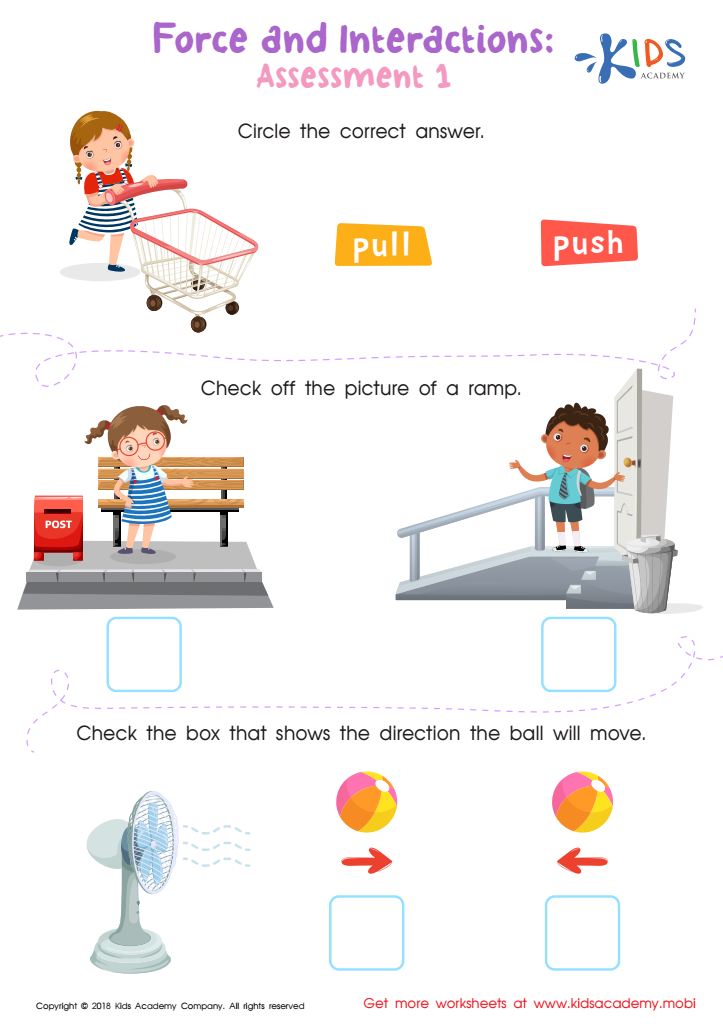
Force and Interactions: Assessment 1 Worksheet
 Assign to My Students
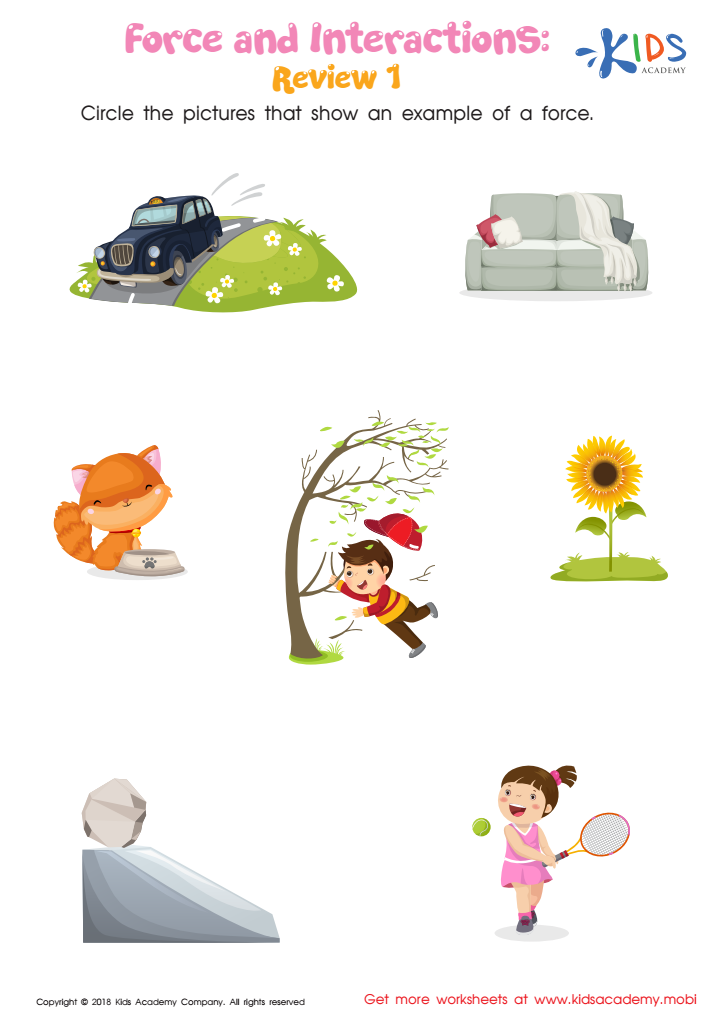
Force and Interactions: Review 1 Worksheet
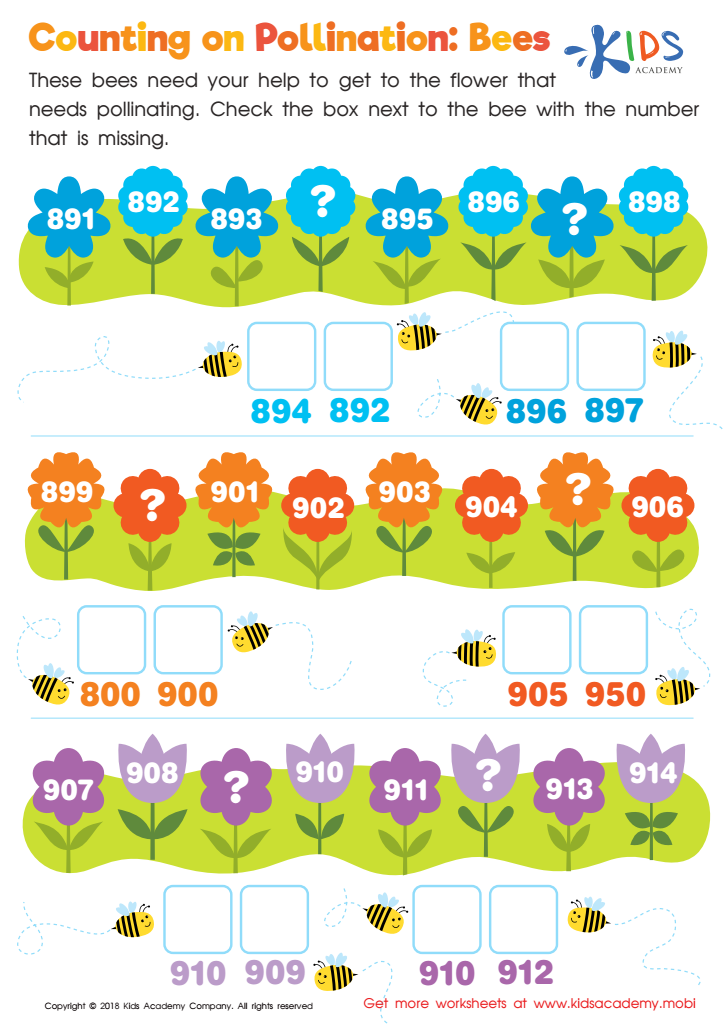
Counting on Pollination: Bees Worksheet
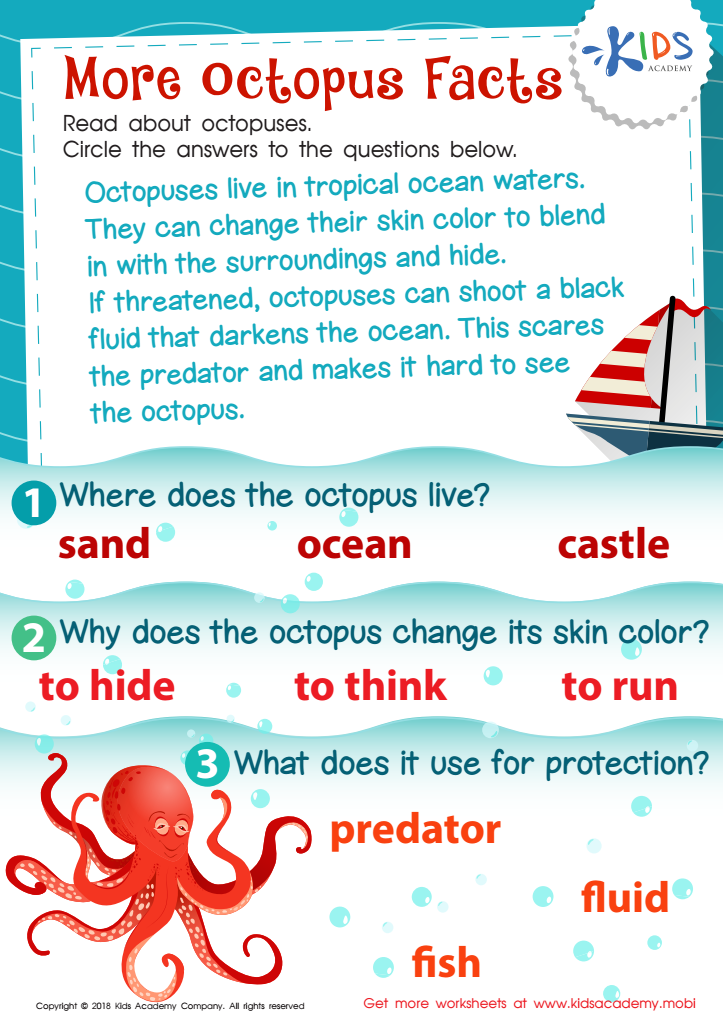
More Octopus Facts Worksheet








Counting practice in science for children aged 5-7 is essential due to its role in developing foundational cognitive skills and fostering a love for learning. This early stage of education lays the groundwork for critical thinking and problem-solving abilities, which are crucial for success in later academic endeavors. When children practice counting through scientific activities, they learn to quantify and measure, helping them understand basic principles of observations and data collection in science.
Moreover, integrating counting with science makes learning engaging and playful. By using hands-on experiments like counting seeds, measuring liquids, or tracking changes in plant growth, children develop a deeper connection to their environment while sharpening their numeracy skills. This combined learning approach enhances their ability to analyze and interpret data, encouraging curiosity and exploration.
Furthermore, fostering these skills at a young age promotes confidence and competency in both mathematics and science, which are increasingly intertwined in skillsets required for future employment. As children learn to view the world through both numerical and scientific lenses, they become well-rounded thinkers better equipped to navigate complex problems in various life stages. Thus, counting practice in science is vital for nurturing inquisitive minds and preparing children for a bright academic future.







