Vocabulary enhancement Physical Science Worksheets for Ages 5-7
6 filtered results
-
From - To
Enhance your child's vocabulary with our engaging Physical Science Worksheets designed for ages 5-7! These interactive resources focus on fundamental concepts while introducing young learners to essential science terms. Each worksheet encourages exploration and vocabulary building in a fun, age-appropriate way. With colorful illustrations and simple language, your child will grasp scientific terminology and concepts effortlessly. Our vocabulary enhancement worksheets seamlessly align with physical science themes to inspire curiosity and foster a love for learning. Perfect for classroom or home use, these tools are ideal for boosting comprehension and communication skills in young scientists. Make learning science a joyous adventure today!
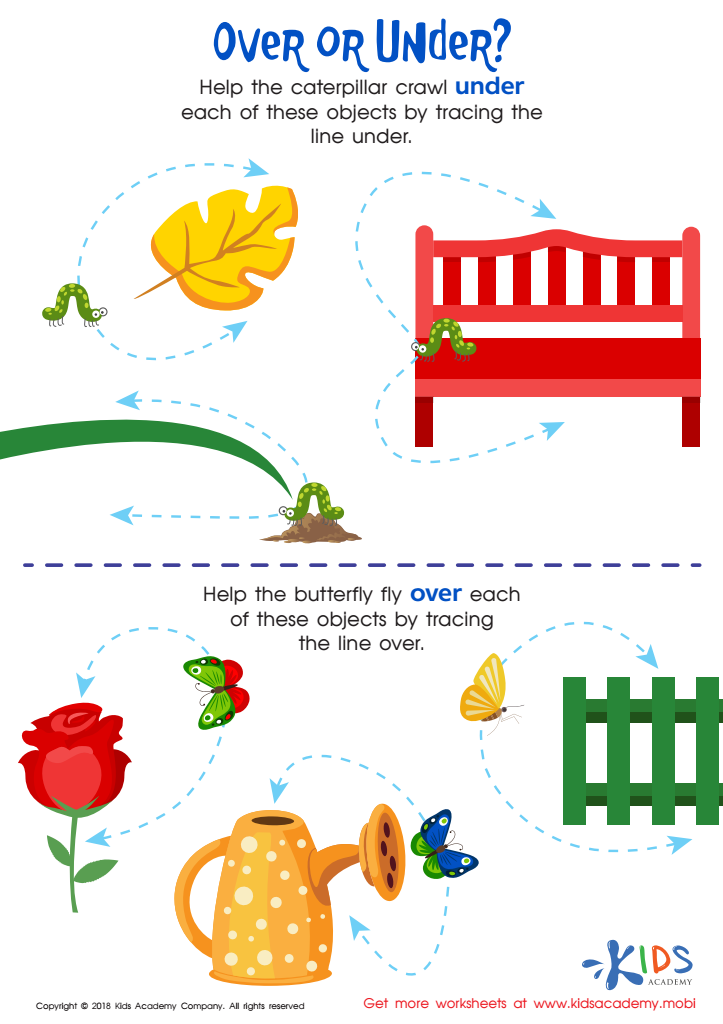
Over or Under? Worksheet
 Assign to My Students
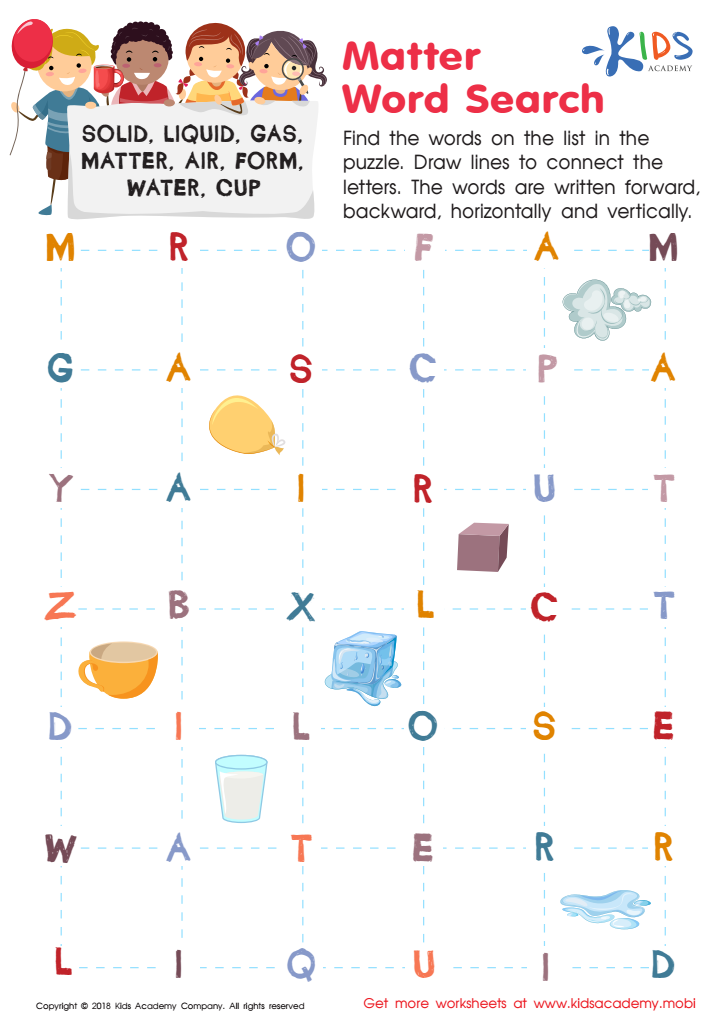
Matter Word Search Worksheet
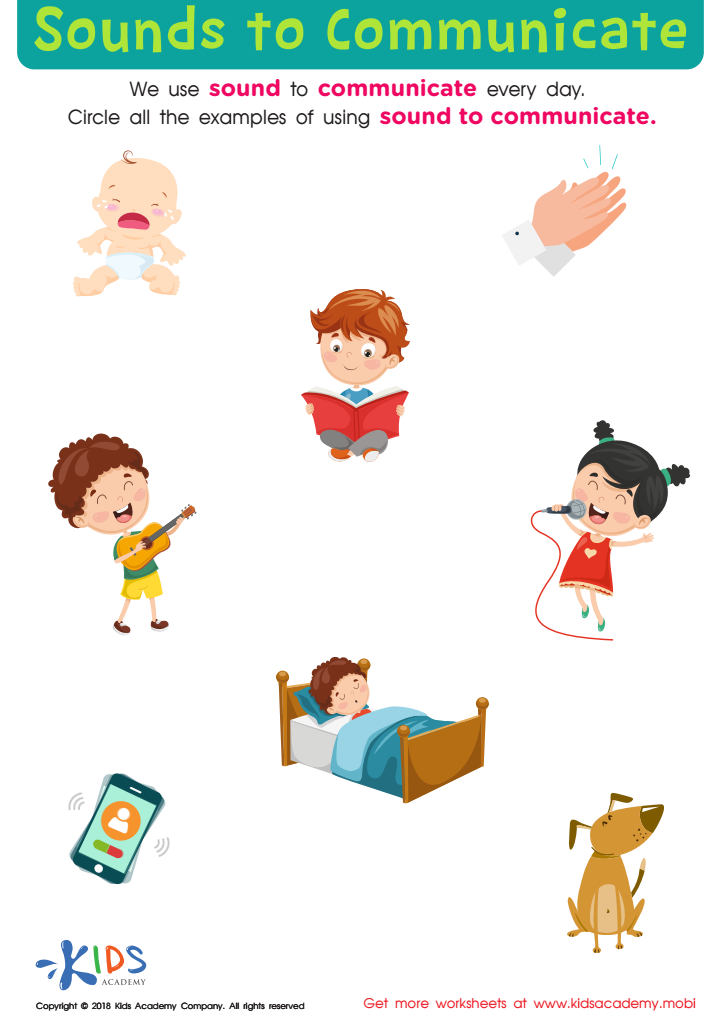
Sounds to Communicate Worksheet
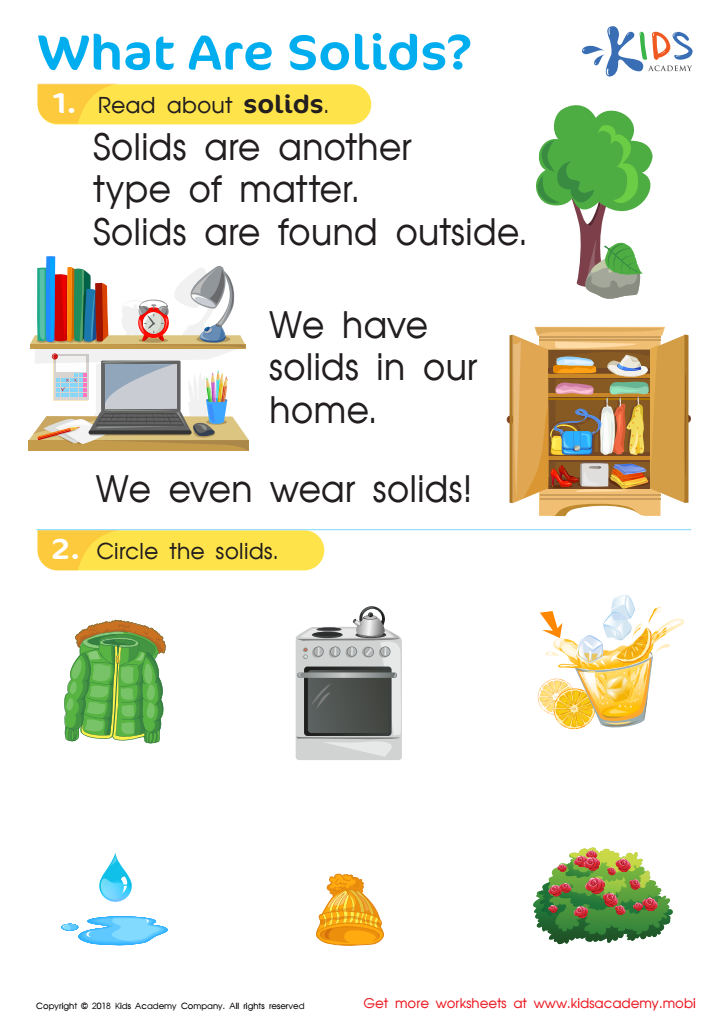
What Are Solids? Worksheet
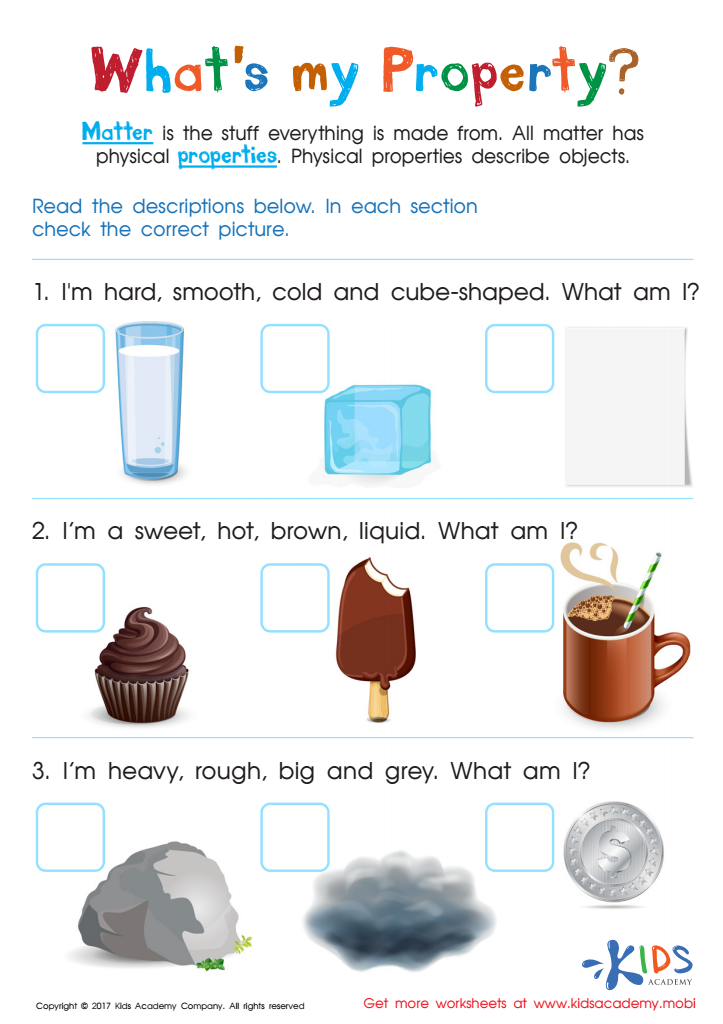
Physical Properties Of Matter Worksheet
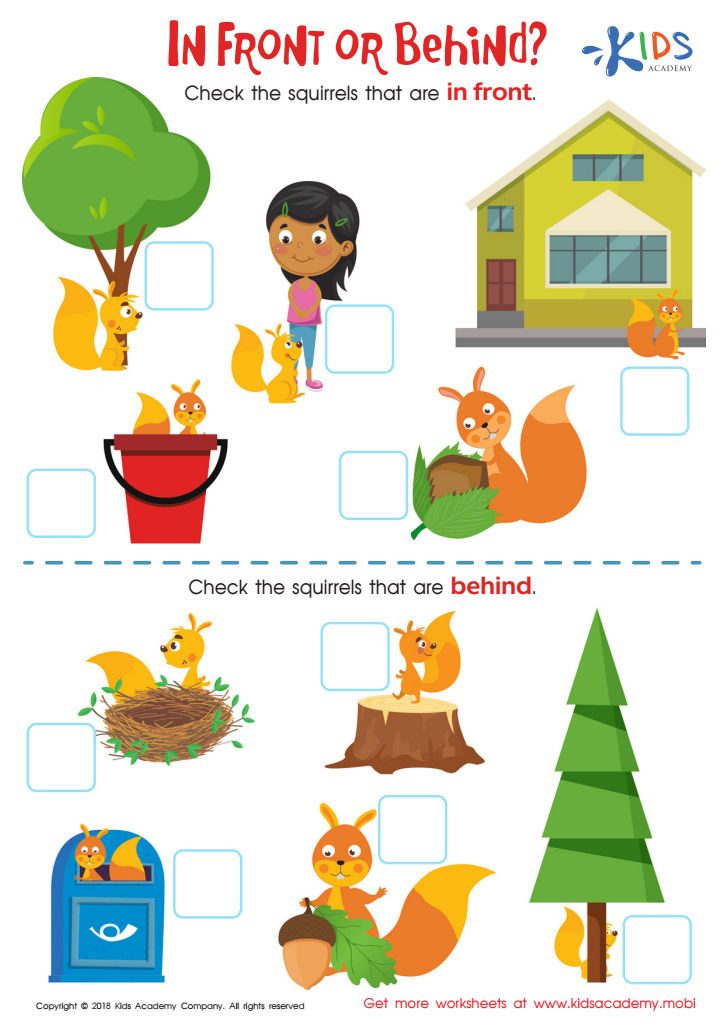
In Front or Behind: Part 2 Worksheet


.jpg)
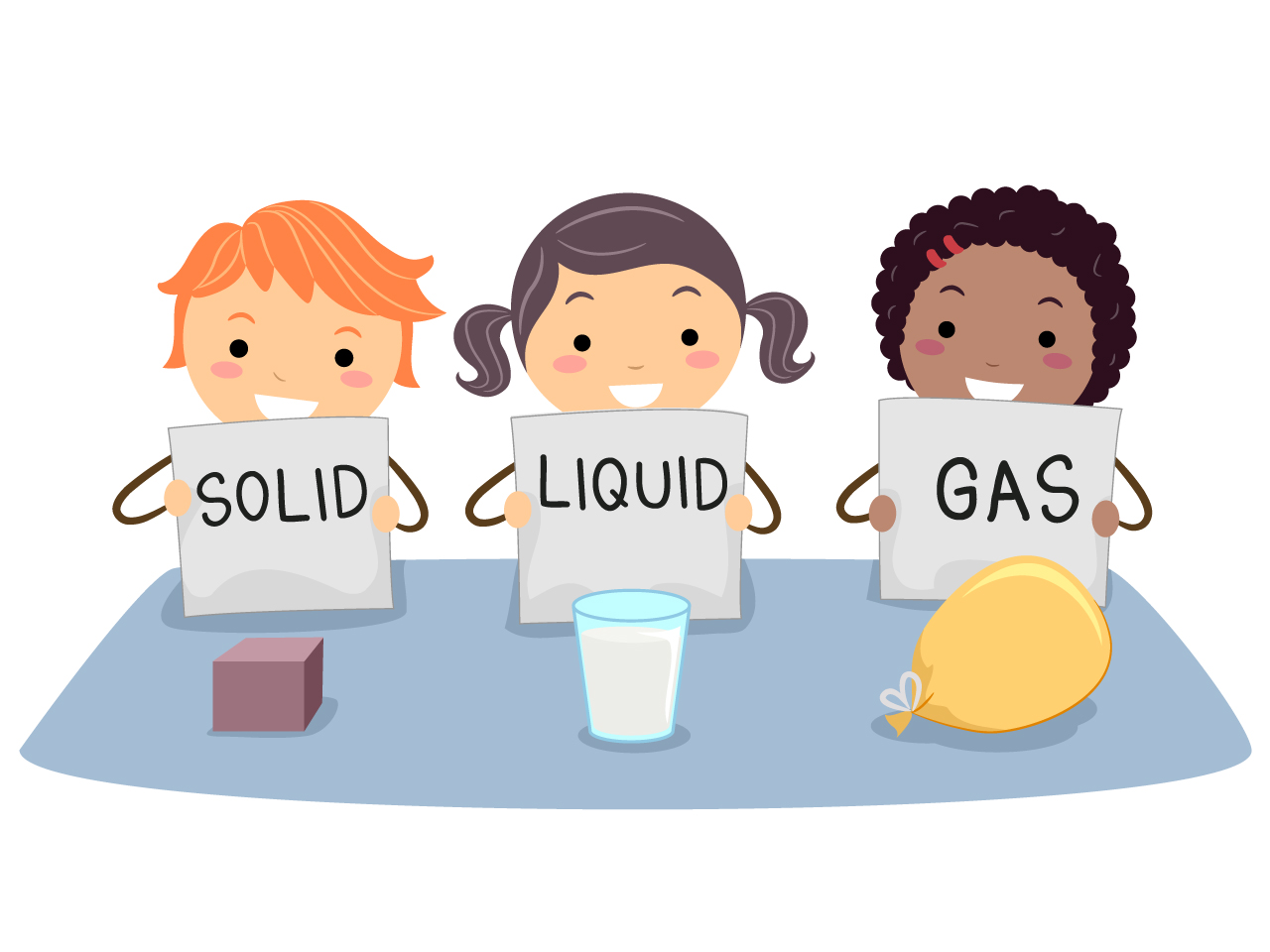



Vocabulary enhancement in physical science for young learners aged 5-7 is crucial for several reasons. First, early exposure to scientific vocabulary fosters cognitive development and encourages curiosity about the natural world. Children who are introduced to these concepts can better express their observations and questions, facilitating deeper understanding.
Second, a strong vocabulary in physical science helps children build foundational skills that support their overall literacy. When children can articulate scientific ideas, they are more likely to engage in discussions and collaborative learning experiences, enhancing their communication skills.
Moreover, vocabulary enhancement in physical science contributes to a child’s critical thinking abilities. By learning specific terms related to forces, matter, energy, and motion, children can comprehend complex ideas more readily and apply them to everyday situations. This knowledge lays the groundwork for future science learning and can spark an enduring interest in STEM fields.
Finally, as parents and teachers nurture this vocabulary, they equip children with powerful tools for academic success. A solid understanding of physical science terms prepares kids for more advanced studies and problem-solving skills, thus helping them thrive in an increasingly technological world.







