Cognitive Development Plants and Animals Worksheets for Ages 5-7
8 filtered results
-
From - To
Our “Cognitive Development: Plants and Animals Worksheets” for ages 5-7 offer engaging, hands-on activities to enhance young minds. These worksheets are designed to strengthen children’s understanding of the natural world while developing critical thinking and problem-solving skills. Featuring vibrant illustrations and fun exercises, they cover topics like plant life cycles, animal habitats, and more. Ideal for early learners, these printables support the development of cognitive abilities while fostering a love for science and nature. Perfect for classroom use or supplemental home learning, these worksheets make learning about plants and animals an exciting adventure for young explorers.
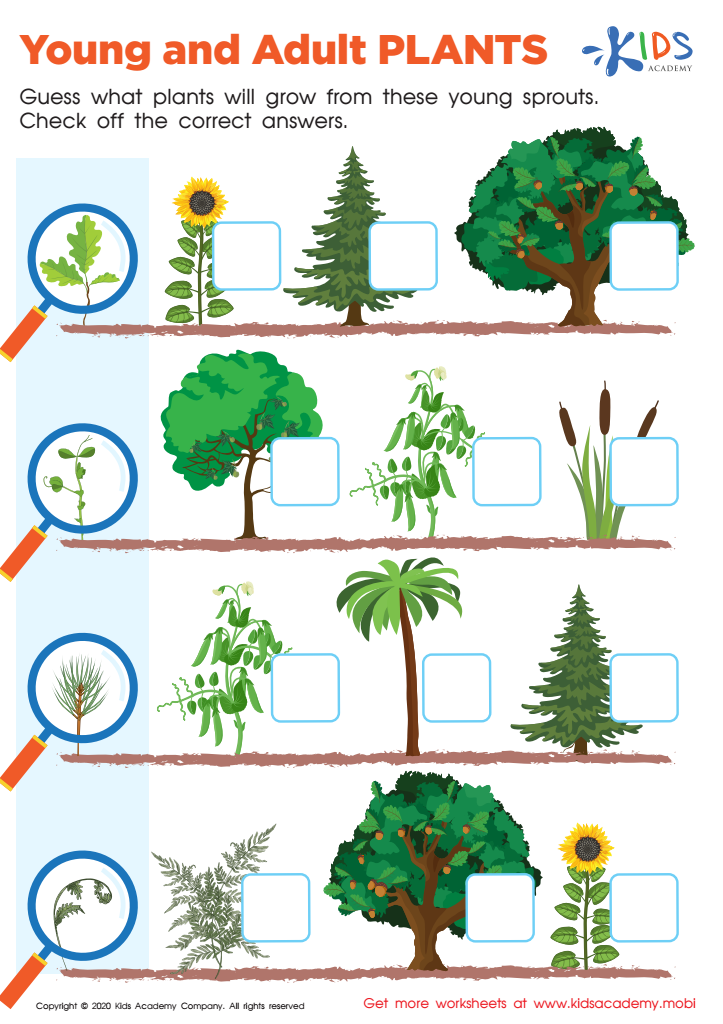
Young and Adult Plants Worksheet
 Assign to My Students











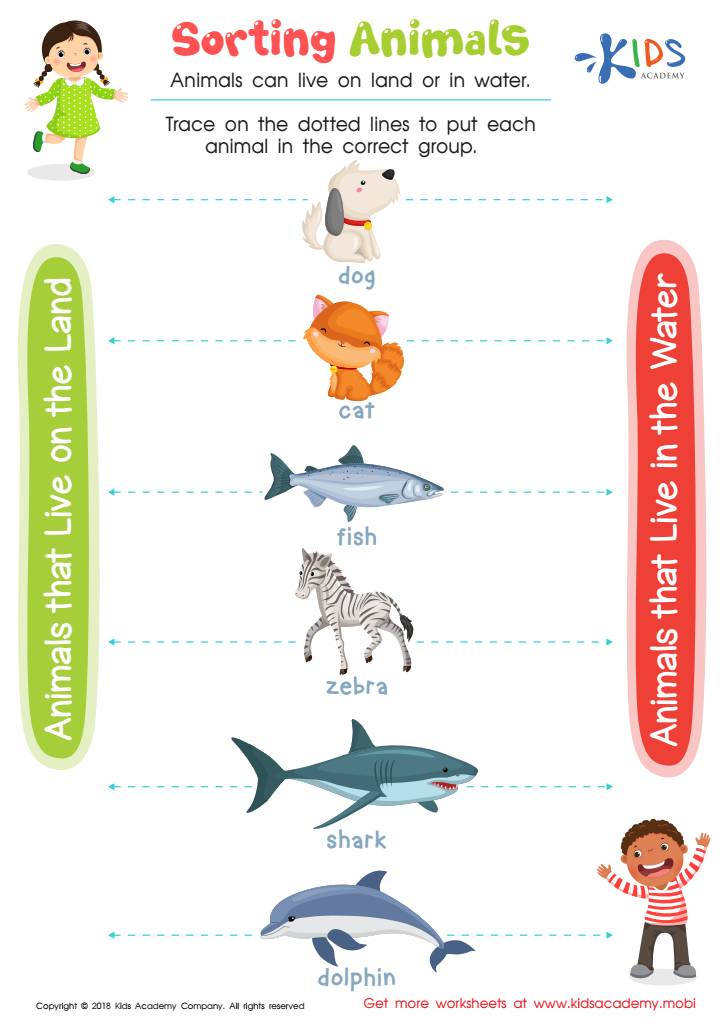
Sorting Animals Worksheet
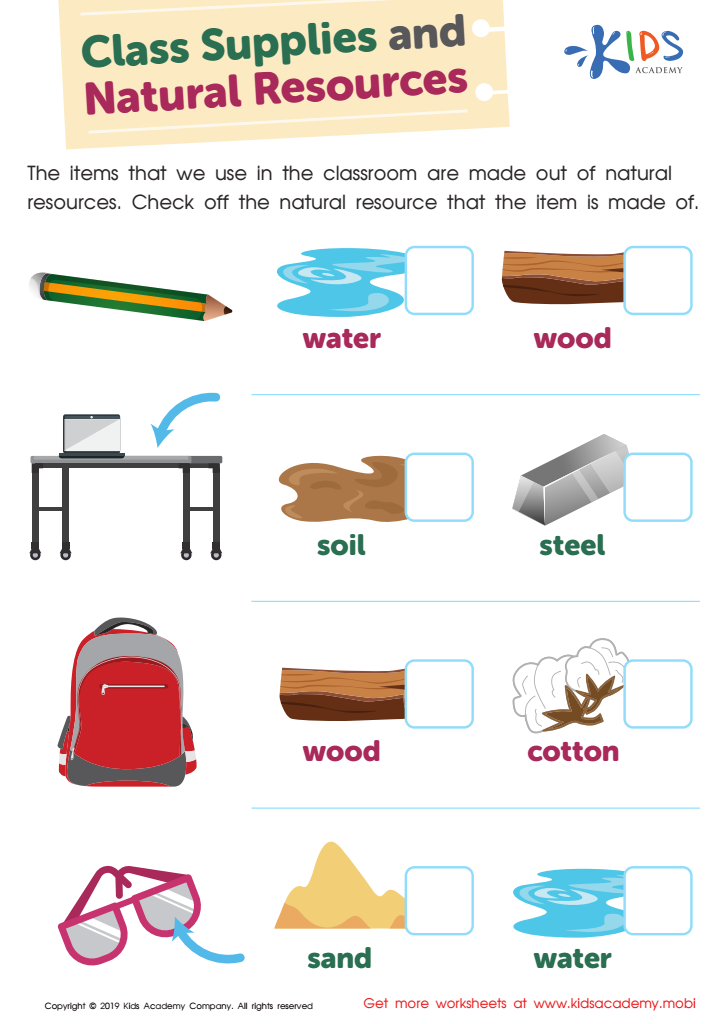
Class Supplies and Natural Resources Worksheet
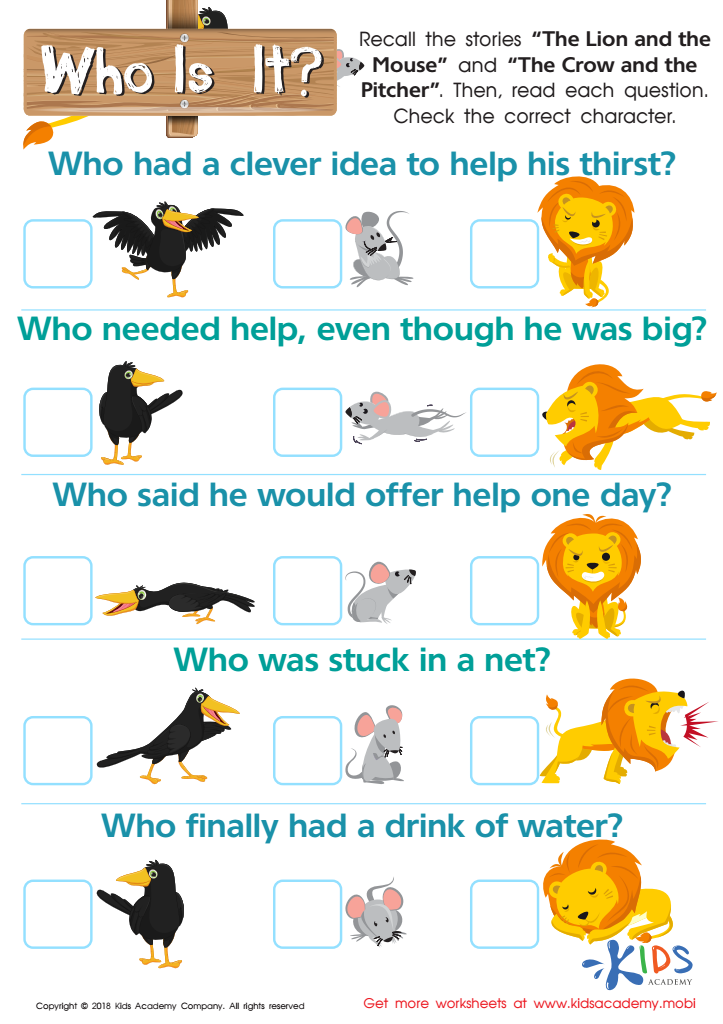
Who Is It? Worksheet
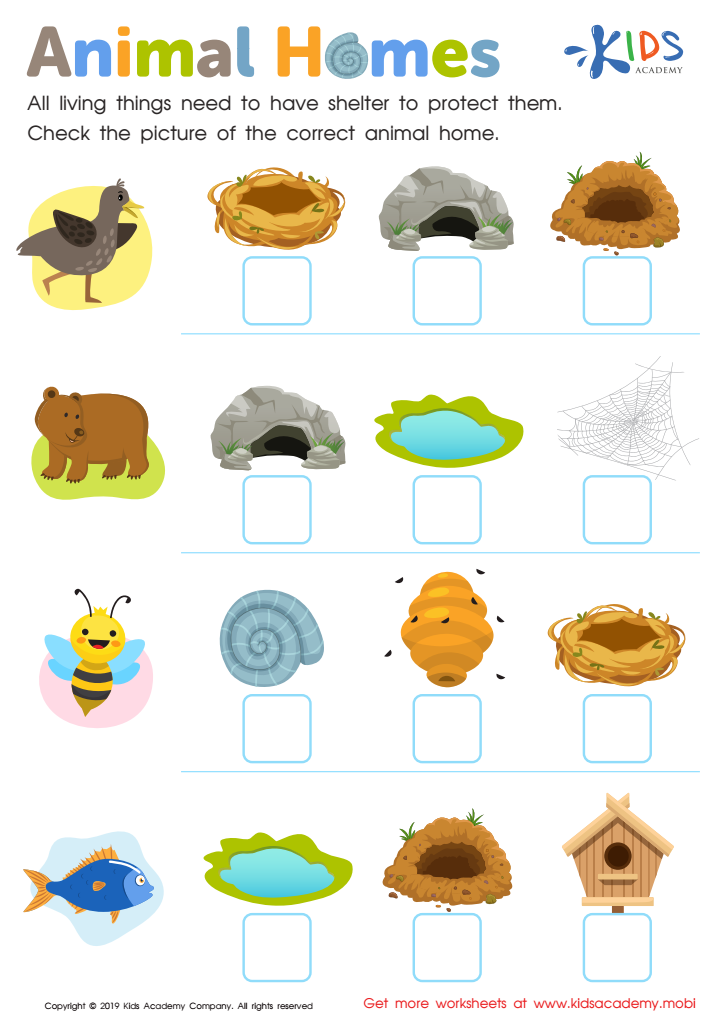
Animal Homes Worksheet
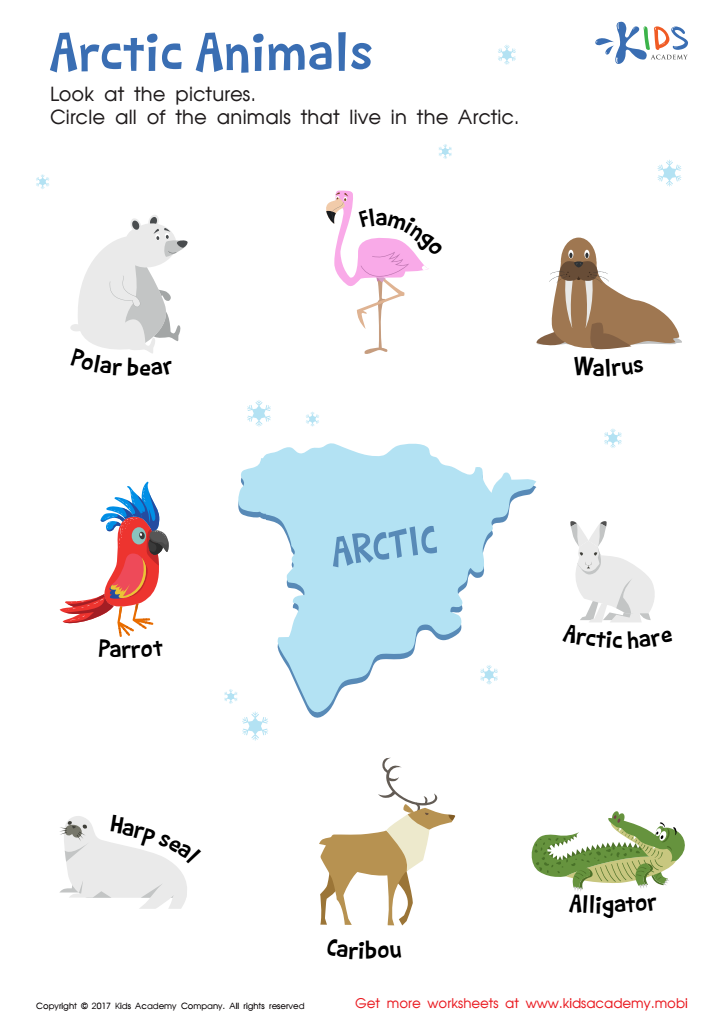
Arctic Animals Worksheet
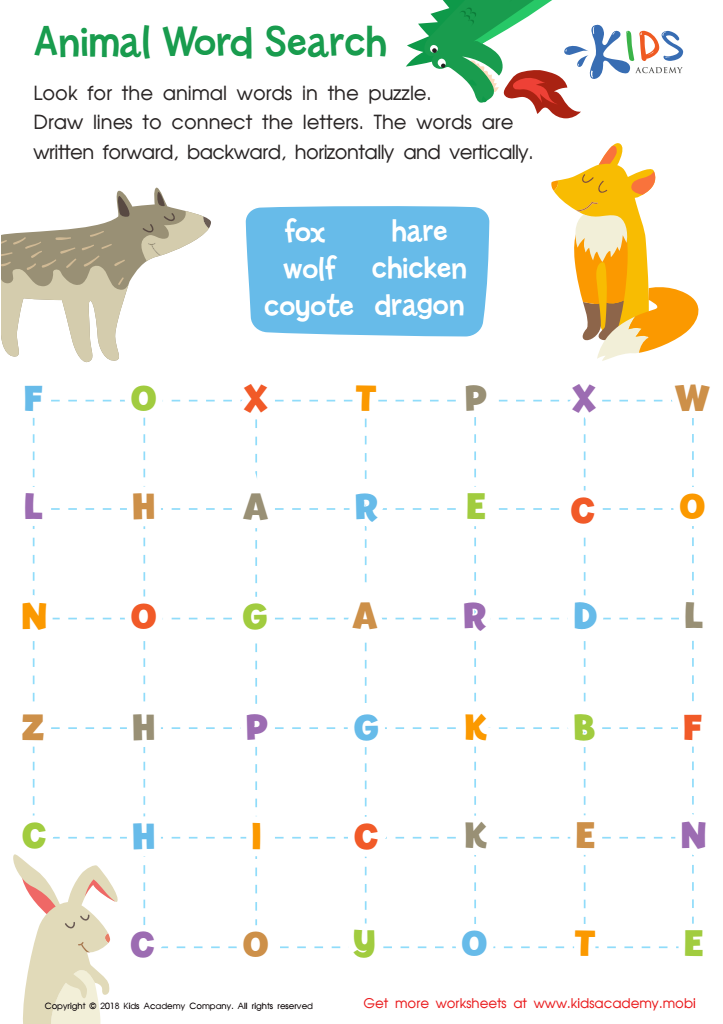
Animal Word Search Worksheet
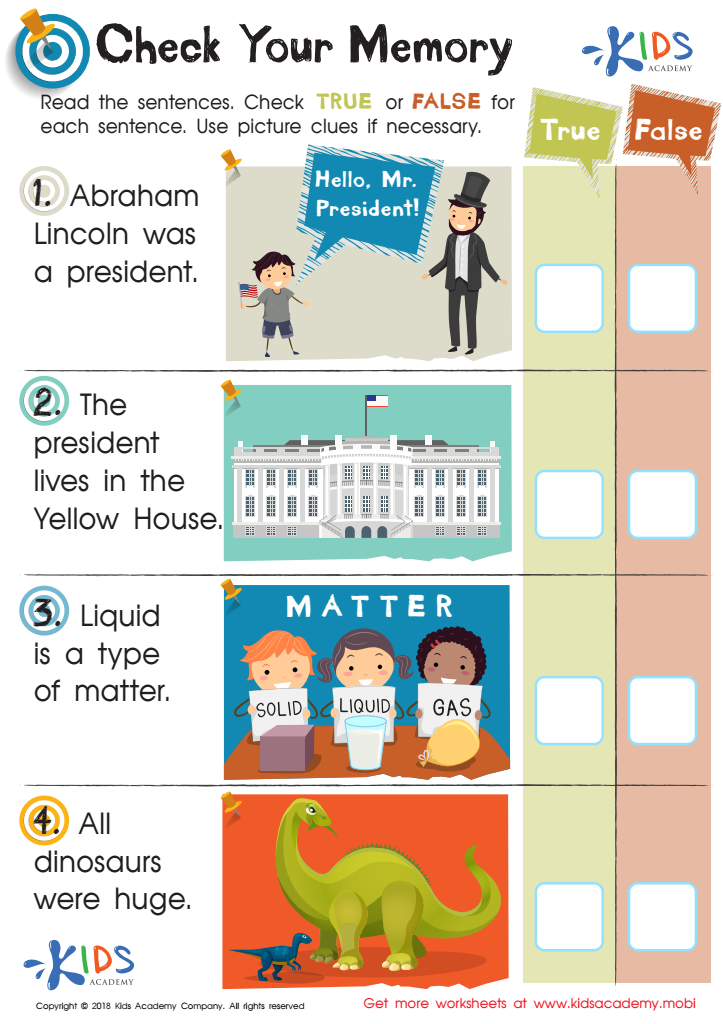
Check Memory Worksheet








Parents and teachers should care about the cognitive development related to plants and animals for children aged 5-7 because it lays the foundation for critical thinking, environmental awareness, and scientific curiosity. Early childhood is a pivotal time for cognitive development, with kids rapidly processing and learning from their surroundings. Introducing concepts of plants and animals at this stage can remarkably enhance their understanding of the natural world, fostering a sense of wonder and responsibility towards the environment.
Learning about plants and animals helps children grasp basic scientific concepts and promotes observation and classification skills. For example, understanding the difference between living and non-living things, learning about life cycles, and recognizing various habitats not only builds vocabulary and knowledge but also enhances logical and analytical thinking. This can be incredibly engaging, often sparking a lifelong interest in science and nature.
Moreover, this knowledge teaches children the interdependence between humans and the natural world, helping them to develop respect and empathy for other living beings. Activities like planting seeds or observing insects stimulate curiosity and creativity, implementing hands-on learning which is essential at this age.
By integrating these topics into early education, parents and teachers can cultivate well-rounded, informed, and compassionate individuals who are prepared to cherish and protect their natural environment.








