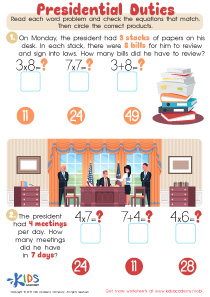
Visual recognition Community Worksheets for Ages 5-7
4 filtered results
-
From - To
Enhance your child's visual recognition skills with our engaging Community Worksheets for ages 5-7! Designed by educators, these printable worksheets help young learners identify and connect with various community elements. Through cheerful, colorful activities, children will recognize community helpers, buildings, and everyday scenes, boosting their observational skills and vocabulary. Perfect for classroom or home use, these activities make learning fun and interactive, promoting not only visual recognition but also cognitive development and social awareness. Visit Kids Academy to download and start exploring the magical world of your community today!
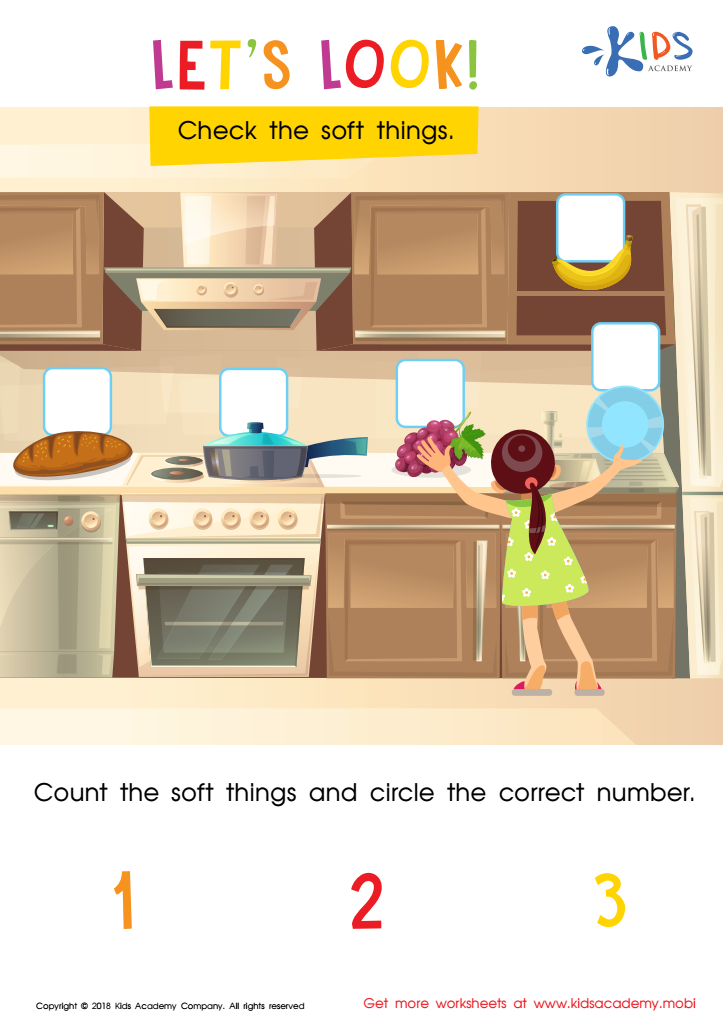
Let's Look! Assessment Worksheet
 Assign to My Students
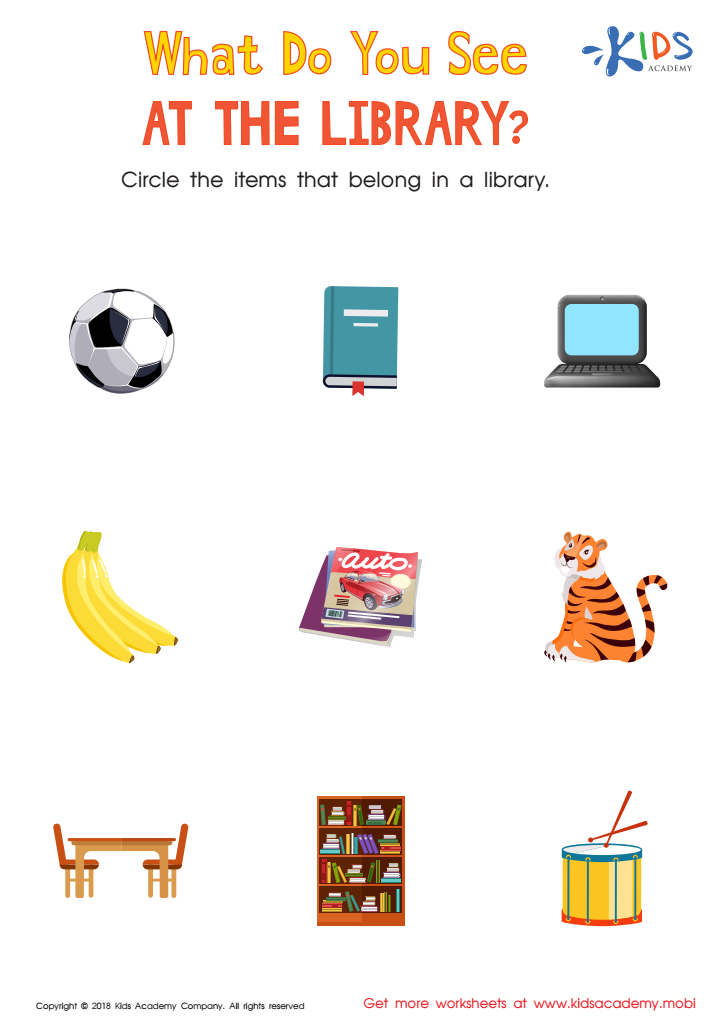
What Do you See at the Library? Worksheet
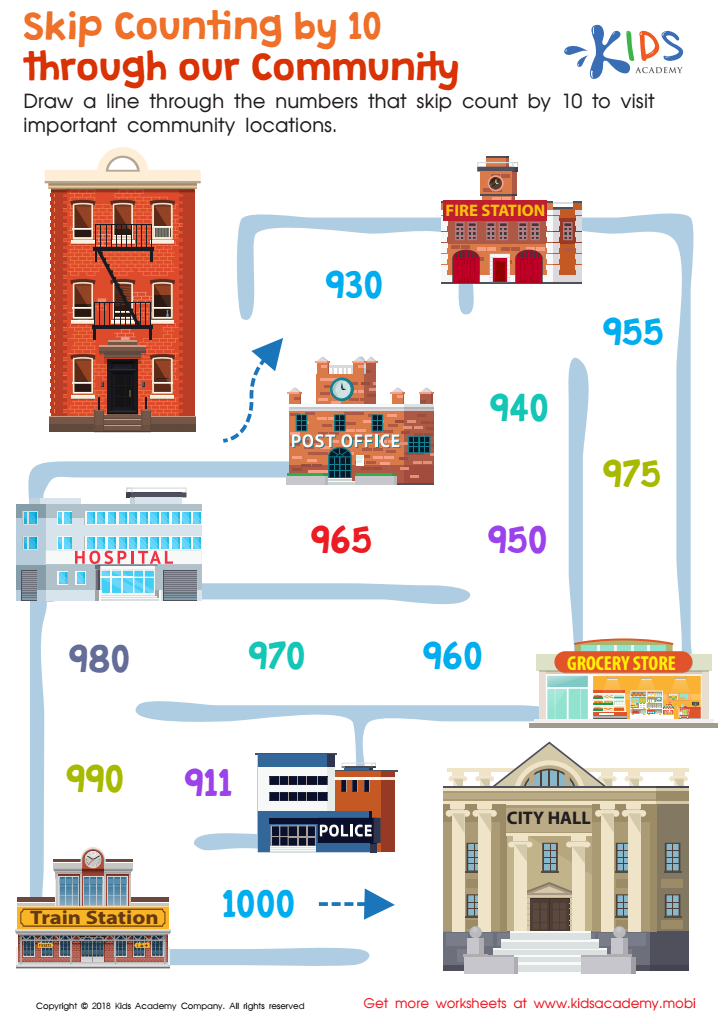
Skip Counting by 10 Through Our Community Worksheet
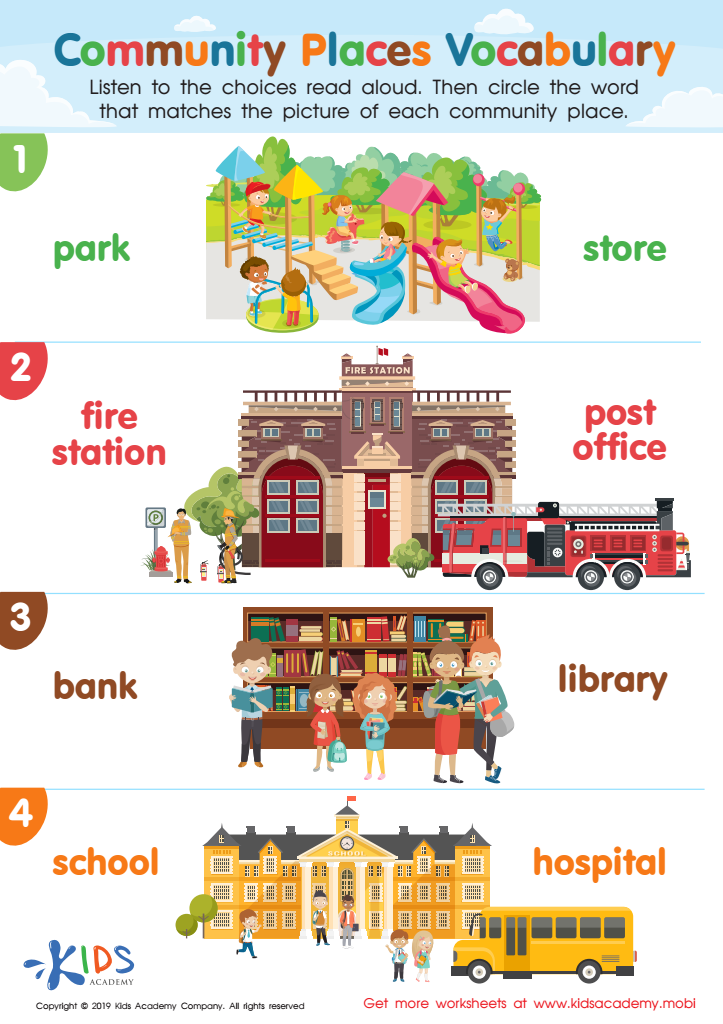
Community Places Vocabulary Worksheet








Parents and teachers should care about Visual Recognition Community (VRC) for ages 5-7 because this developmental period is critical for cognitive and social growth. VRC encompasses activities that enhance children's abilities to identify and interpret visual information, laying the foundation for essential skills across various areas of learning.
Firstly, visual recognition is directly linked to early literacy. When children recognize letters, numbers, and images, they can better decode words and understand mathematical concepts, facilitating smoother transitions into reading and math proficiency.
Secondly, engaging in VRC activities enhances attention to detail and observational skills. These capabilities are vital for problem-solving tasks, fostering higher-order thinking skills that students will utilize throughout their academic journeys.
Additionally, VRC fosters social development. Cooperative learning environments where children work on visual tasks together promote teamwork, communication, and empathy, reinforcing social skills that are crucial for personal development and interpersonal relationships.
Lastly, VRC activities are often hands-on and interactive, making learning enjoyable and engaging. This type of captivating instruction method helps cultivate a love of learning from an early age, encouraging children to become curious, lifelong learners.
By focusing on VRC for young learners, parents and teachers can support well-rounded development that addresses both academic and social-emotional needs, setting children up for long-term success.