Vocabulary expansion Geography Worksheets for Ages 5-7
4 filtered results
-
From - To
Boost your child's understanding of geography with our engaging Vocabulary Expansion Geography Worksheets, perfect for ages 5-7. Designed to enhance social studies skills, these printable worksheets introduce young learners to essential geographic terms while making learning fun. Each worksheet includes educational tasks that encourage word recognition and comprehension, laying a strong foundation for future studies. From landforms to map symbols, our activities ensure early-grade students grasp key concepts, promoting critical thinking and curiosity about the world. Ideal for classroom use or at-home reinforcement, these worksheets are a valuable resource in your child's educational journey. Start exploring today!
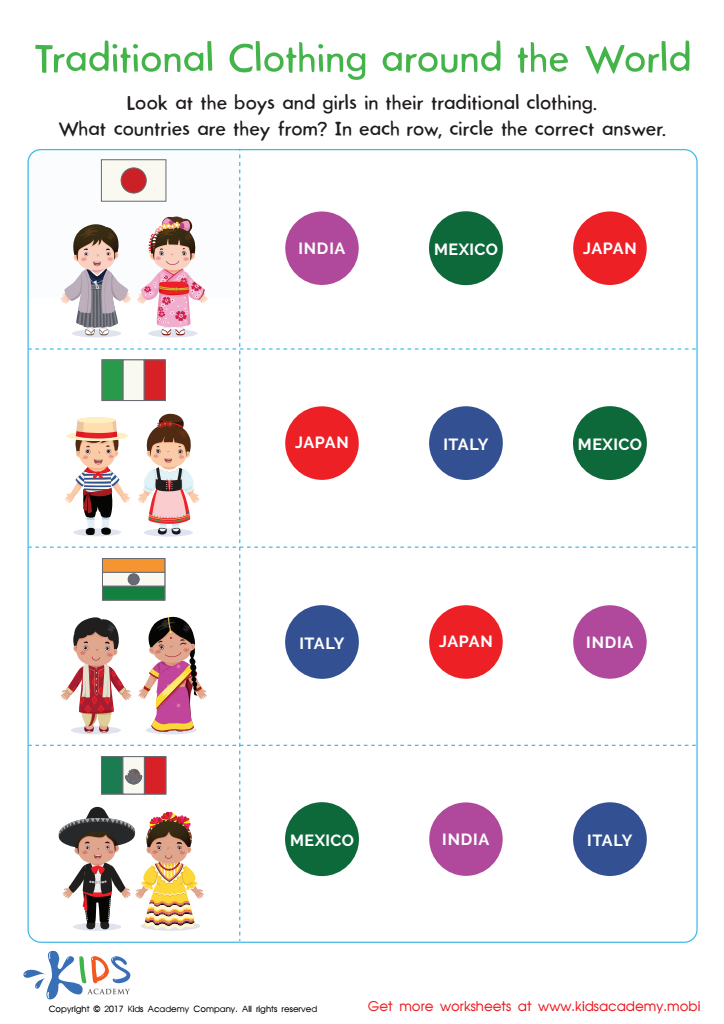
Traditional Clothing Worksheet
 Assign to My Students
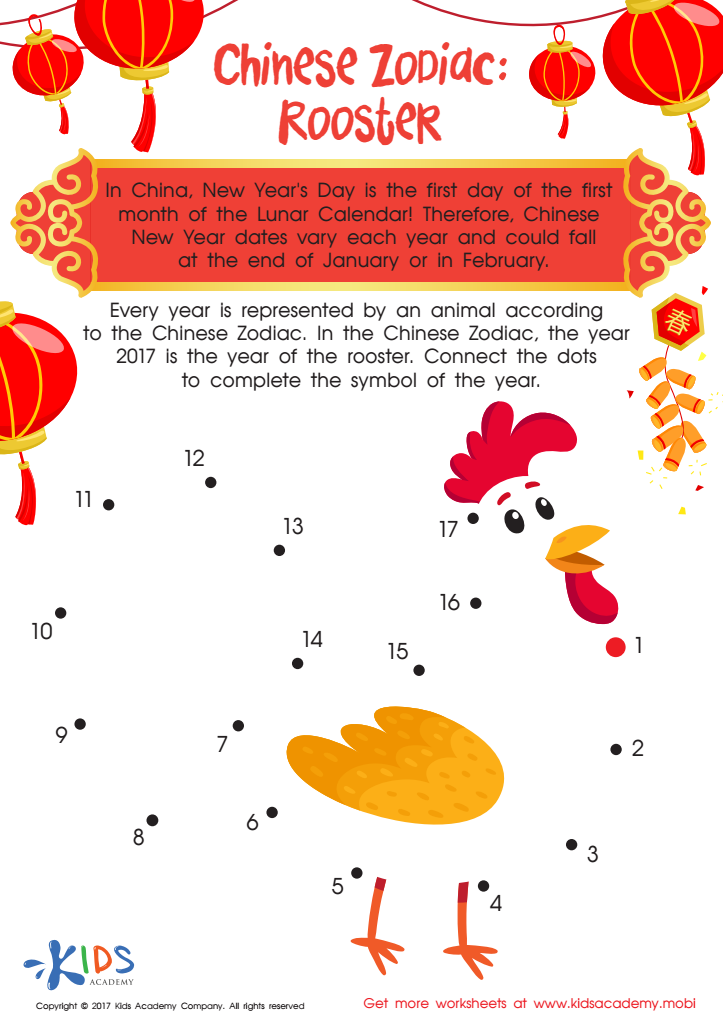
Chinese Zodiac Printable
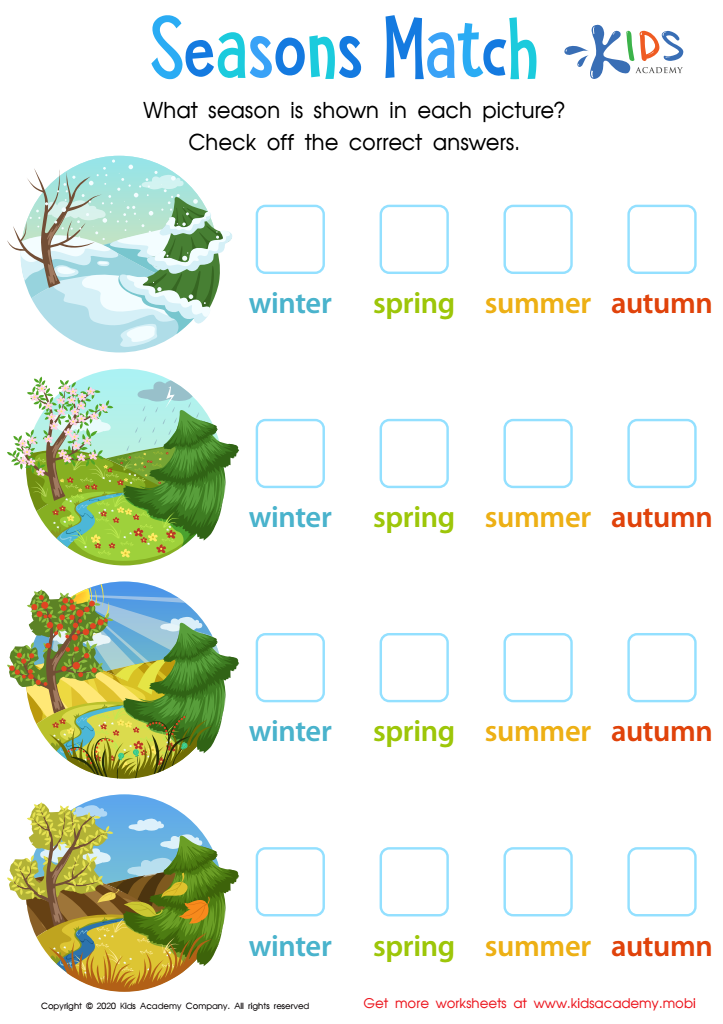
Seasons Match Worksheet
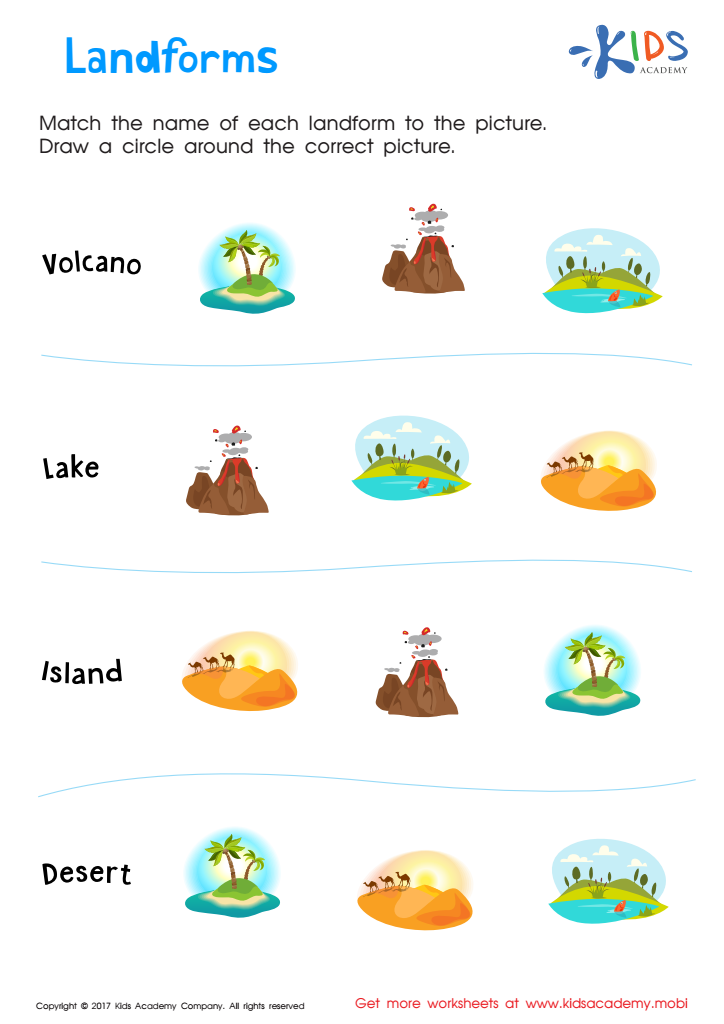
Landforms Printable



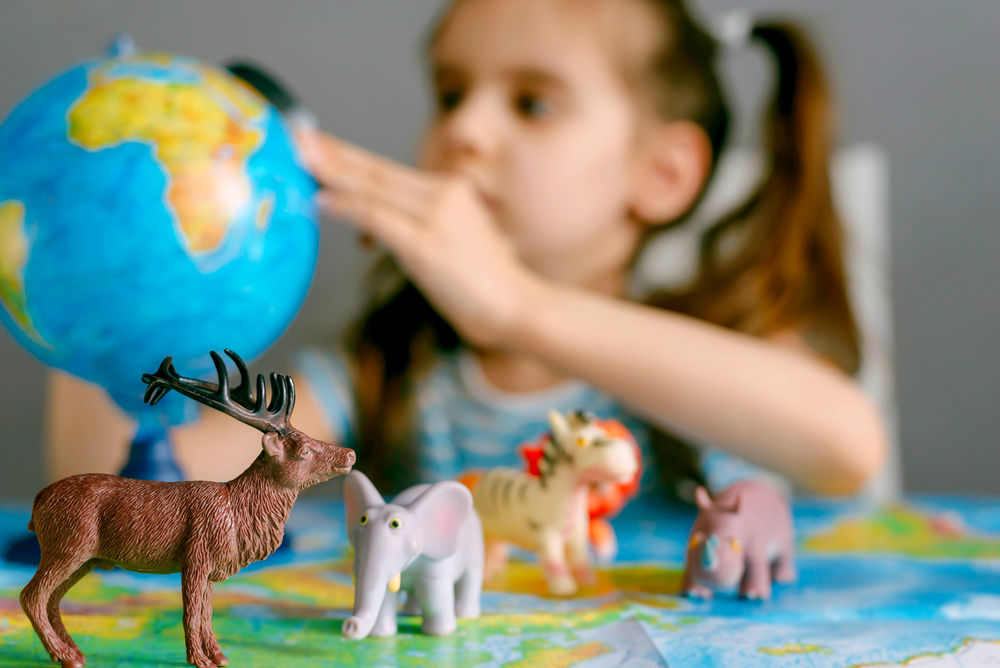



Vocabulary expansion in geography for children aged 5-7 is crucial for several reasons. Firstly, young minds are exceptionally receptive during this age, creating a prime opportunity to build a rich vocabulary that forms the foundation for future learning. By teaching geography-related words, children not only enhance their language skills but also gain critical understanding of the world around them, sparking curiosity and nurturing a sense of adventure and discovery.
Geography vocabulary helps children comprehend their environment, recognize different places, and understand basic concepts of location, distance, and direction. Learning words like “continent,” “island,” “ocean,” and “country” provides them with the tools to discuss and think about the Earth meaningfully. This groundwork is essential for later educational stages where more complex geographical concepts are introduced.
Moreover, vocabulary expansion supports cognitive development. As children encounter and use new words, they improve their memory, critical thinking, and problem-solving skills. It also fosters better communication abilities, allowing children to express their ideas and understand others more effectively.
Parents and teachers caring about vocabulary expansion in geography demonstrate a commitment to holistic education, reinforcing the importance of connecting language with real-world knowledge. This enriches children’s minds and broadens their horizons, laying the groundwork for lifelong learning and appreciation of the world.








