Handwriting practice Governance and Civics Worksheets for Ages 5-7
4 filtered results
-
From - To
Discover our engaging Handwriting Practice Governance and Civics Worksheets, designed specifically for children aged 5-7! These worksheets incorporate essential concepts of governance and civics, making learning fun and interactive as young learners develop their handwriting skills. Through various exercises, children will familiarize themselves with key civic terms while practicing letter formation and sentence structure. Perfect for home or classroom use, our resources encourage knowledge of community roles, leadership, and responsibility. Foster your child's literacy and civic awareness simultaneously with our comprehensive and educational handwriting worksheets, tailored to promote both academic and personal growth in early learners. Start exploring today!
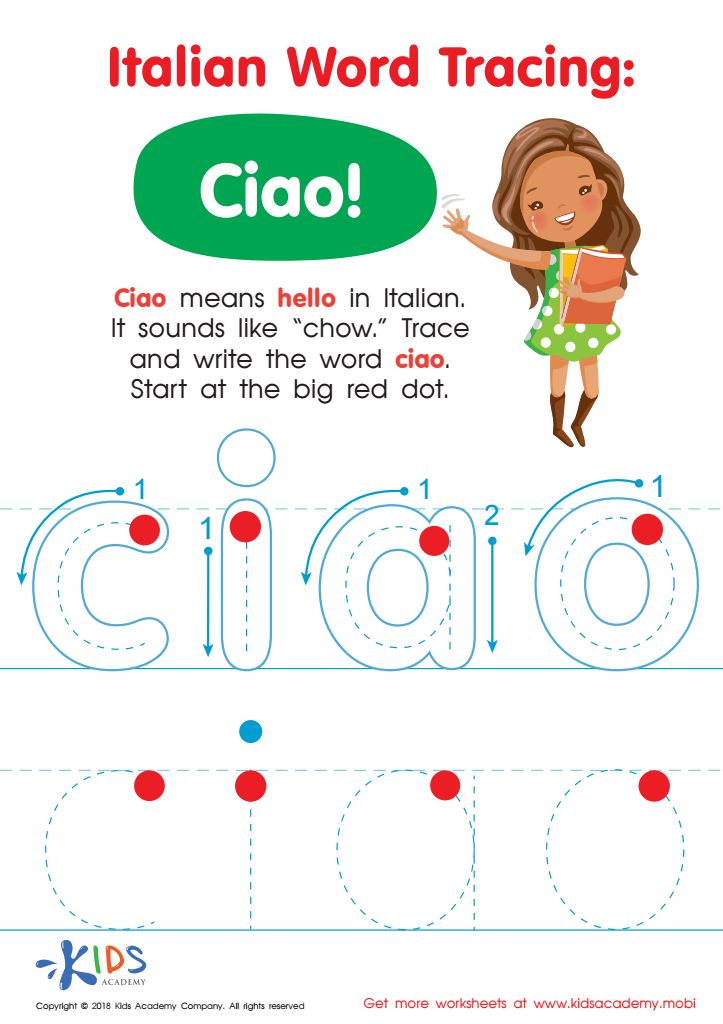
Italian Word Tracing: Ciao Worksheet
 Assign to My Students
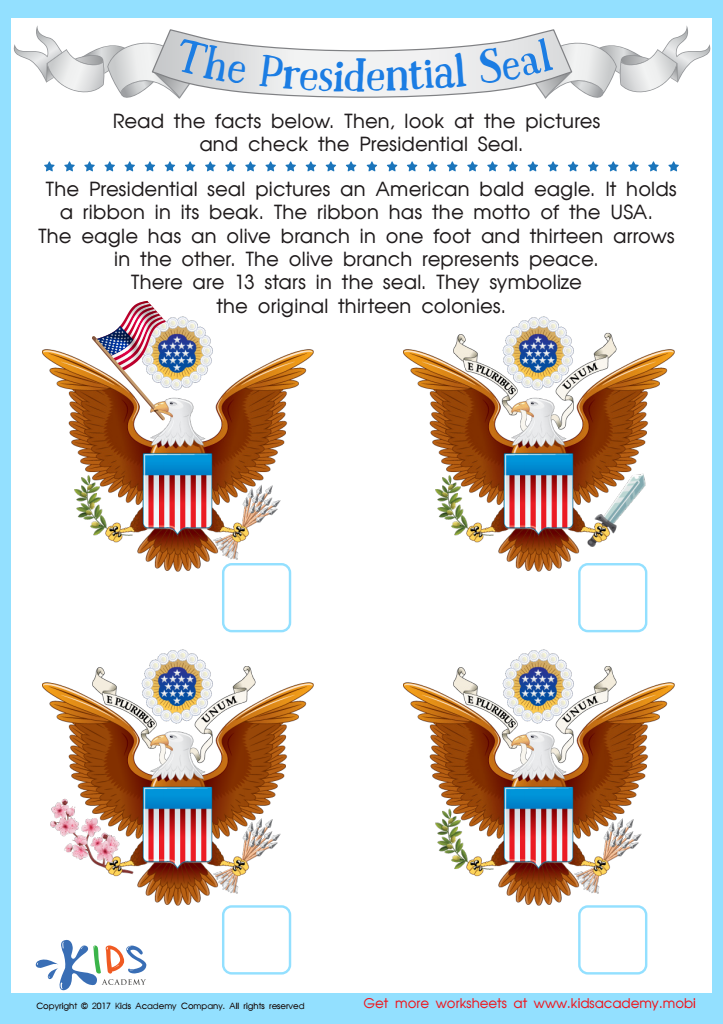
The Presidential Symbol Worksheet
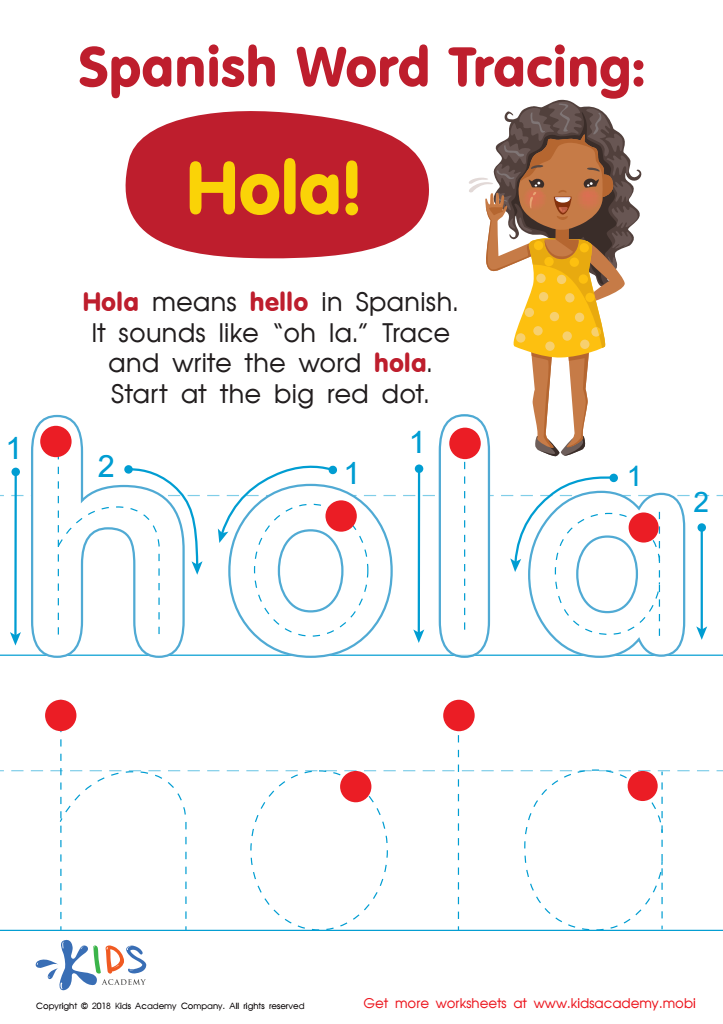
Spanish Word Tracing: Hola Worksheet
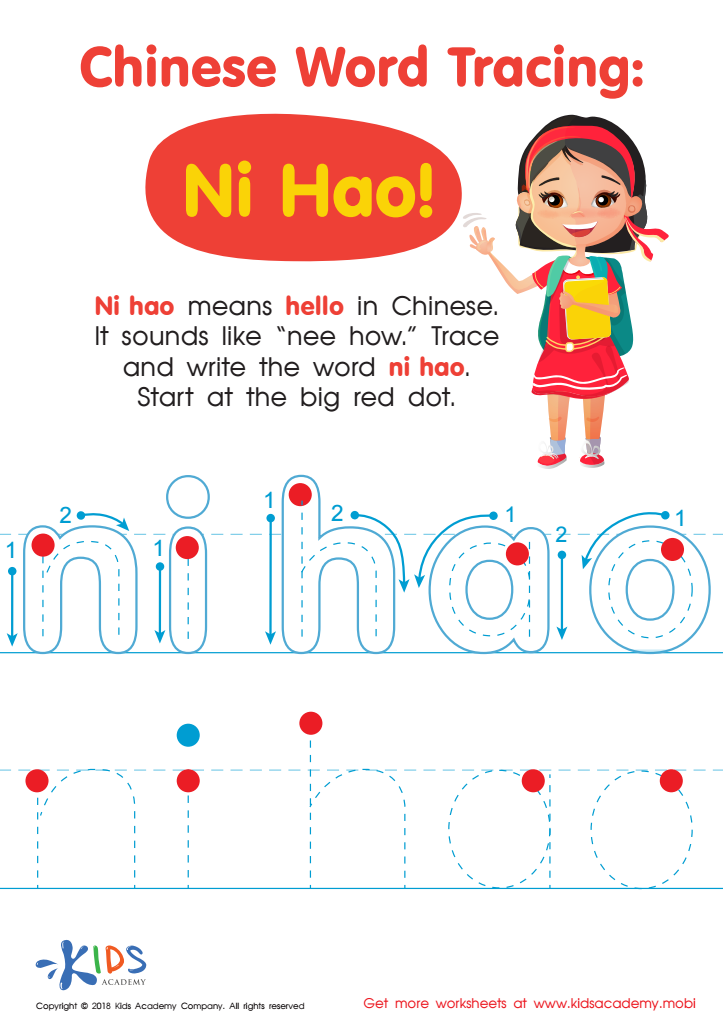
Chinese Word Tracing: Ni Hao Worksheet


Handwriting practice serves as an essential foundation for young learners, particularly ages 5-7, making it crucial for parents and teachers to prioritize this skill within the context of governance and civics education. At this formative age, children develop fine motor skills and cognitive coordination through writing, which directly impacts their ability to express themselves clearly and effectively.
In teaching governance and civics, incorporating handwriting practice helps children articulate their understanding of foundational concepts like community, citizenship, and rights. Writing gives students a voice, encouraging them to engage in discussions about their role in society and the importance of civic responsibilities. As they practice forming letters and words, they are also learning to present their ideas thoughtfully, fostering critical thinking skills.
Additionally, handwriting encourages focus and discipline, traits vital for participating in civic life. Children learn the value of clear communication, which is essential not only in academics but also as engaged citizens capable of expressing their opinions and contributing to the democratic process. Overall, investing time in handwriting practice within civics education builds literacy skills while nurturing informed and active participants in their communities. Parents and teachers thus play a vital role in laying the groundwork for future civic engagement through this blend of skills.








