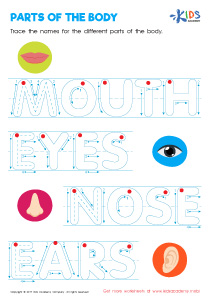
Counting skills World Around Us Worksheets for Ages 5-7
5 filtered results
-
From - To
Discover our vibrant Counting Skills Worksheets designed for children aged 5-7! These engaging activities help young learners explore the world around them while developing essential counting abilities. From identifying objects to counting animals, our worksheets are crafted to make learning fun and interactive. Each activity encourages children to practice their counting in real-life contexts, fostering both numerical understanding and cognitive skills. Perfect for home or classroom settings, these resources promote essential math foundations while sparking curiosity about their surroundings. Dive into a world of counting adventure with our thoughtfully designed worksheets and watch your child grow with confidence in their math skills!
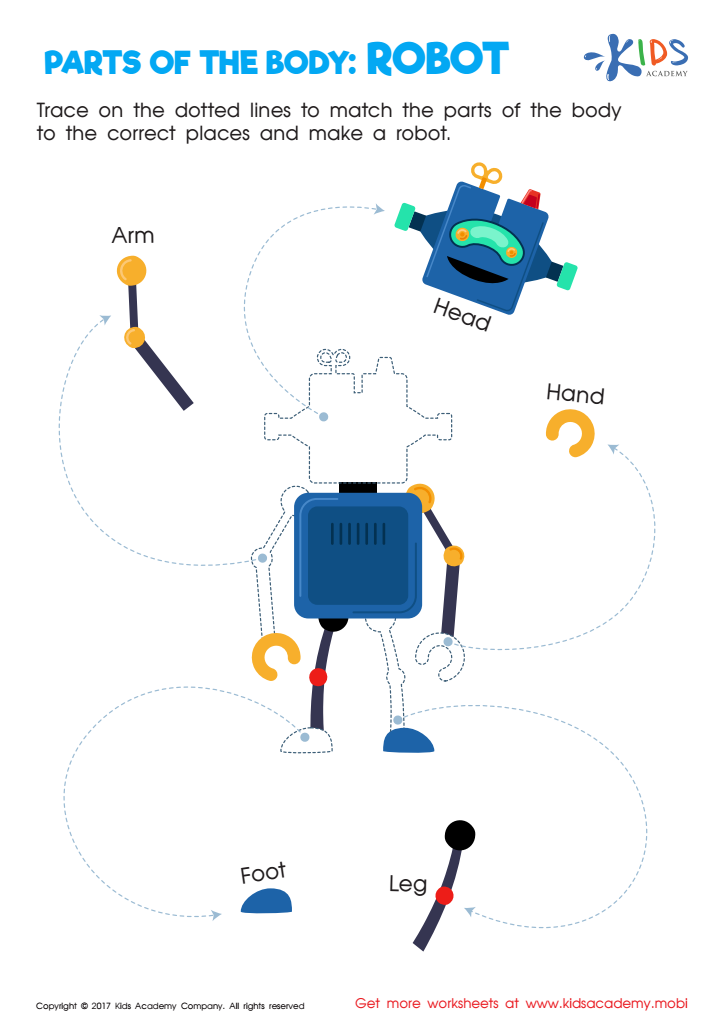
Robot Printable
 Assign to My Students
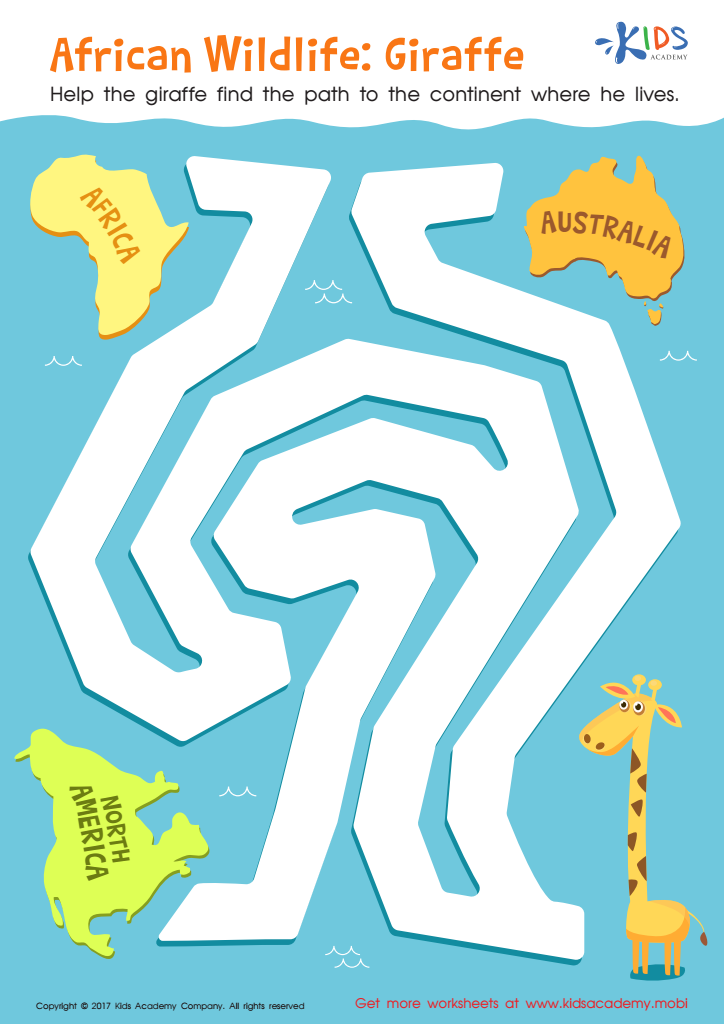
African Wildlife: Giraffe Worksheet
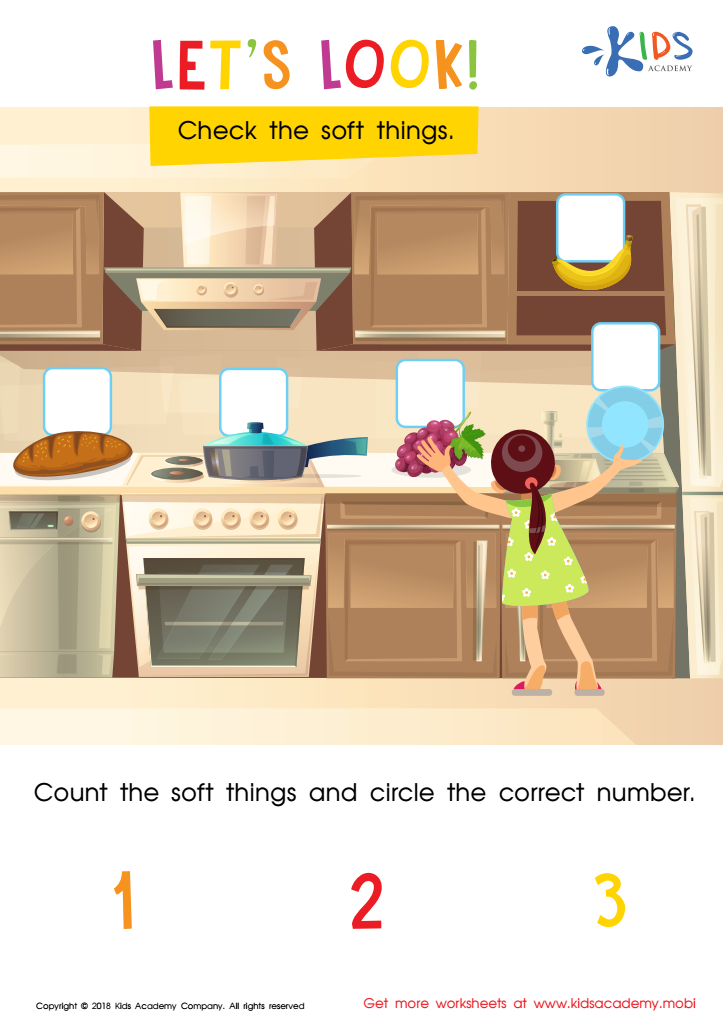
Let's Look! Assessment Worksheet
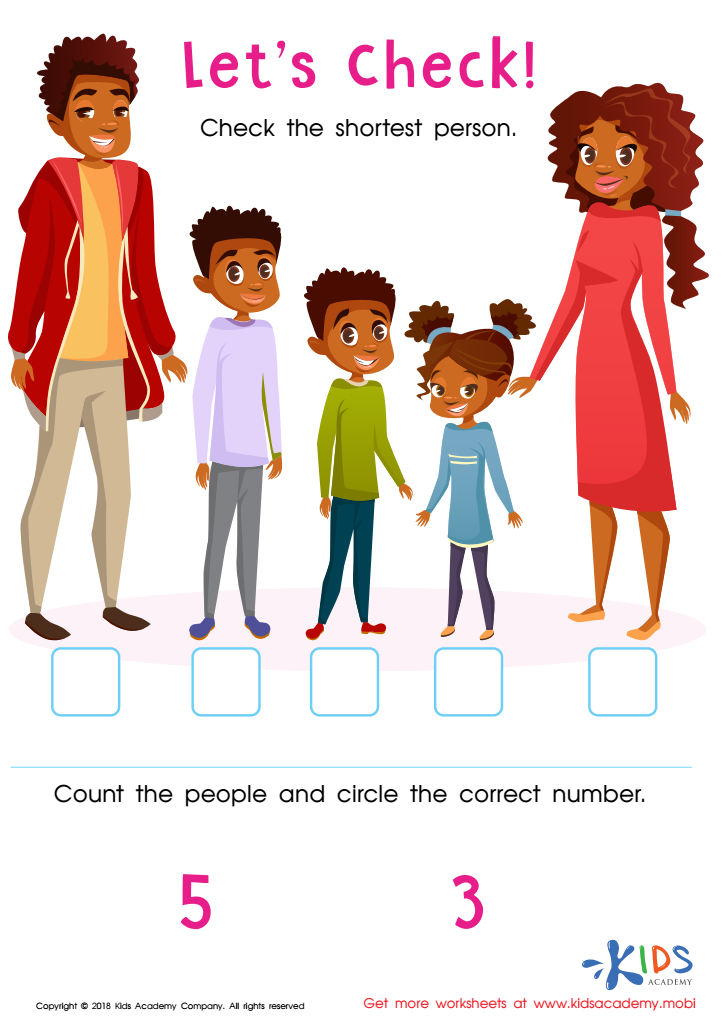
Let's Check! Assessment Worksheet
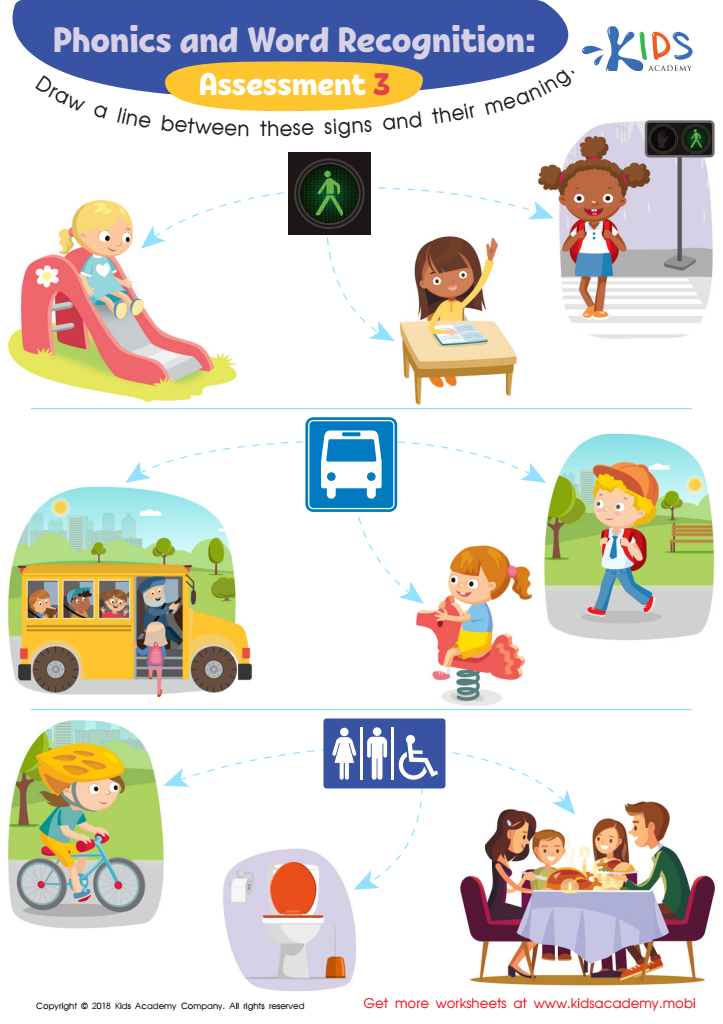
Phonological Awareness: Assessment 3 ELA Worksheet







Counting skills are fundamental to the cognitive development of children aged 5-7, serving as a foundation for their future learning. Encouraging counting through engaging activities helps kids grasp essential mathematical concepts, fostering not just numerical literacy but also critical thinking. These skills play a vital role in understanding the world around them—whether it’s recognizing patterns, comparing quantities, or solving everyday problems.
For parents and teachers, promoting counting skills can enhance children's ability to navigate social situations and make informed decisions. Mastery of counting fosters confidence, enabling children to partake in activities like group sports, sharing in playtime, or participating in classroom discussions. Additionally, it nurtures curiosity and exploration, supporting their abilities to observe and interact with their environment in meaningful ways.
Moreover, strong counting skills during early childhood align with academic success later in life. It opens doors to more complex mathematical ideas, benefiting literacy development as well. By emphasizing counting skills, parents and teachers can help children develop a robust understanding of numbers, ensuring they are well-equipped for future educational challenges and societal interaction. Ultimately, fostering these skills contributes to a well-rounded and empowered generation of learners.