Capitalization rules Capitalization Worksheets for Ages 5-7
6 filtered results
-
From - To
Introduce your young learners to the fundamental rules of capitalization with our engaging and educational Capitalization Worksheets for ages 5-7. These fun, interactive worksheets are designed to help children master the use of capital letters in sentences, names, and the beginning of paragraphs. Perfect for both classroom and home use, they enhance writing skills through practice and repetition. Our worksheets ensure that foundational grammar lessons are comprehended and retained with ease, setting up your kids for future writing success. Jump-start your child's understanding of proper capitalization today with our expertly-crafted, age-appropriate resources.
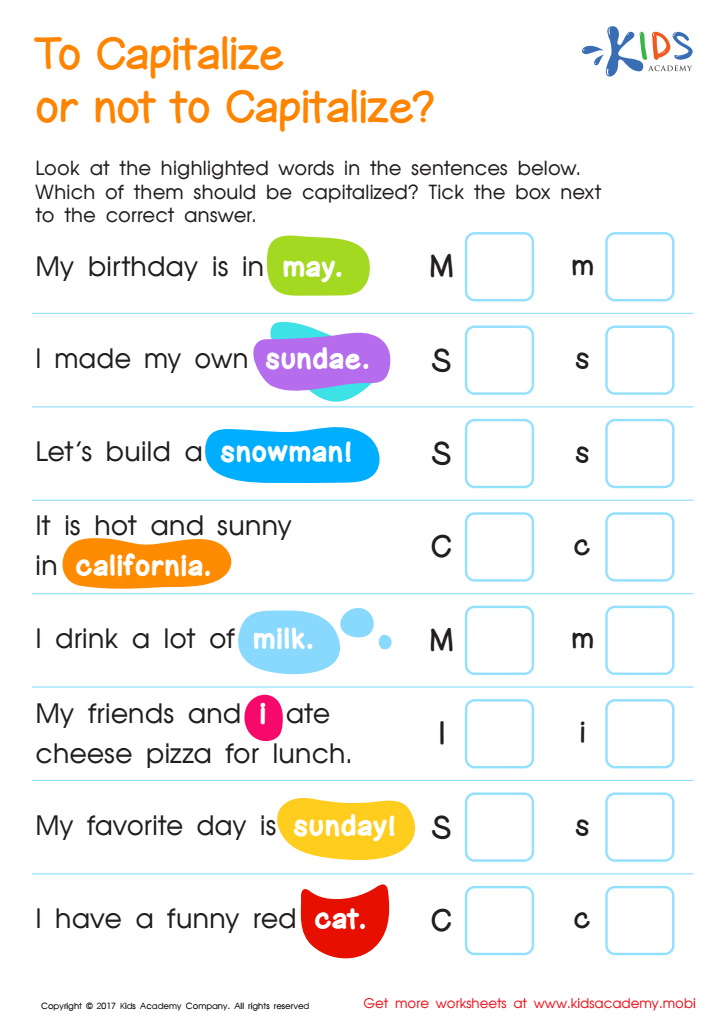
Capitalization: To Capitalize or Not? Printable
 Assign to My Students
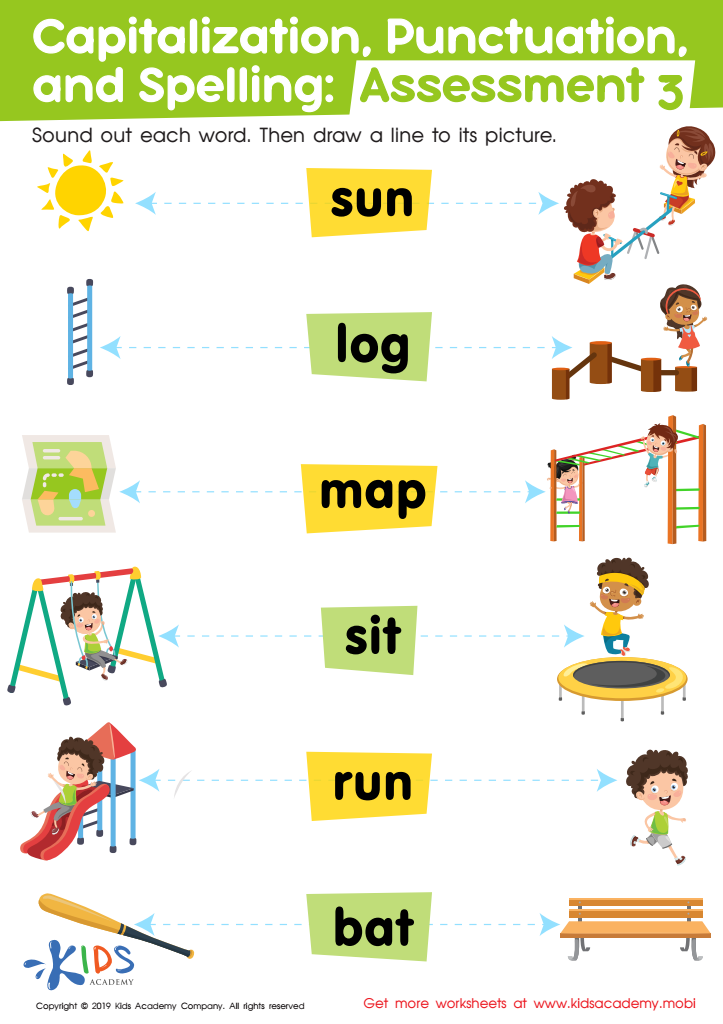
Capitalization. Punctuation. Spelling. Assessment 3 Worksheet
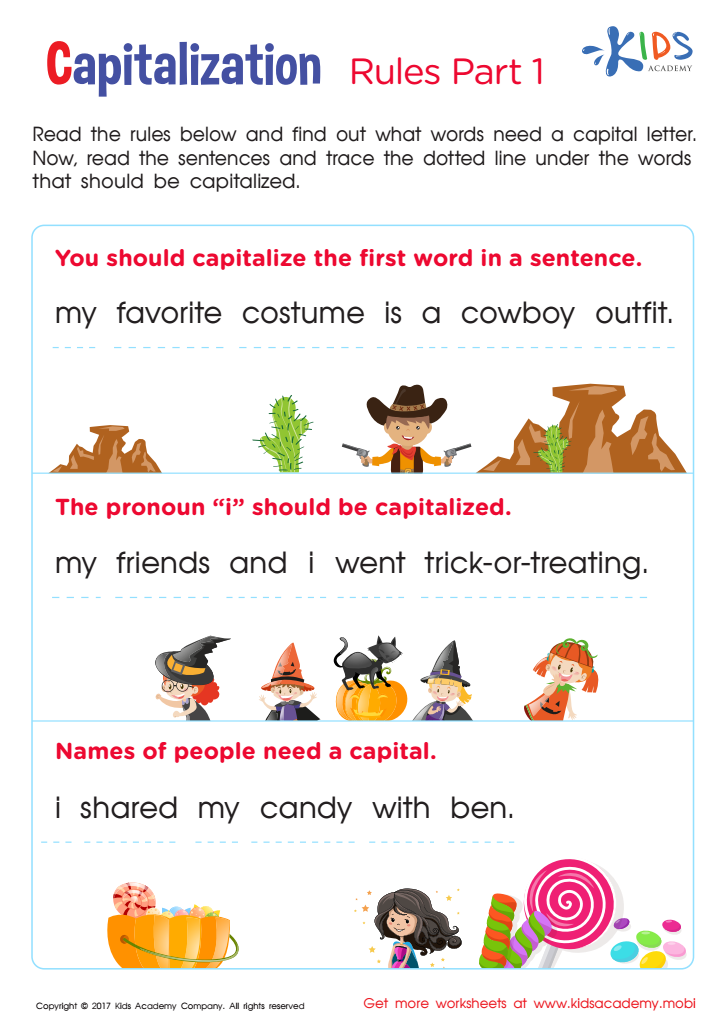
Capitalization Rules: Part 1 Worksheet
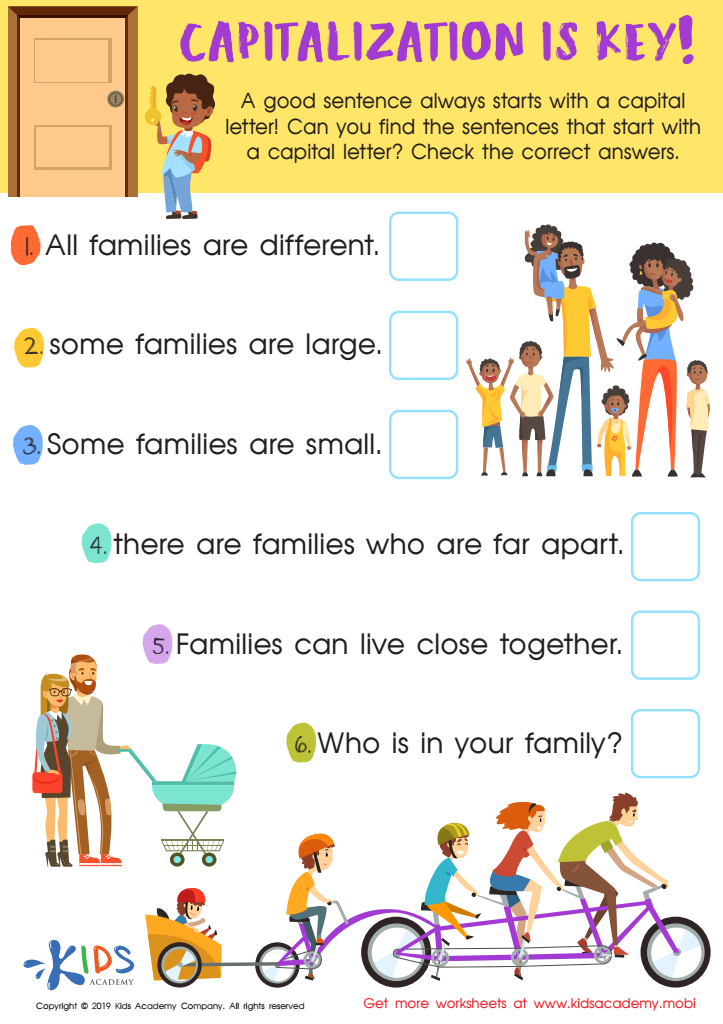
Capitalization Key Worksheet
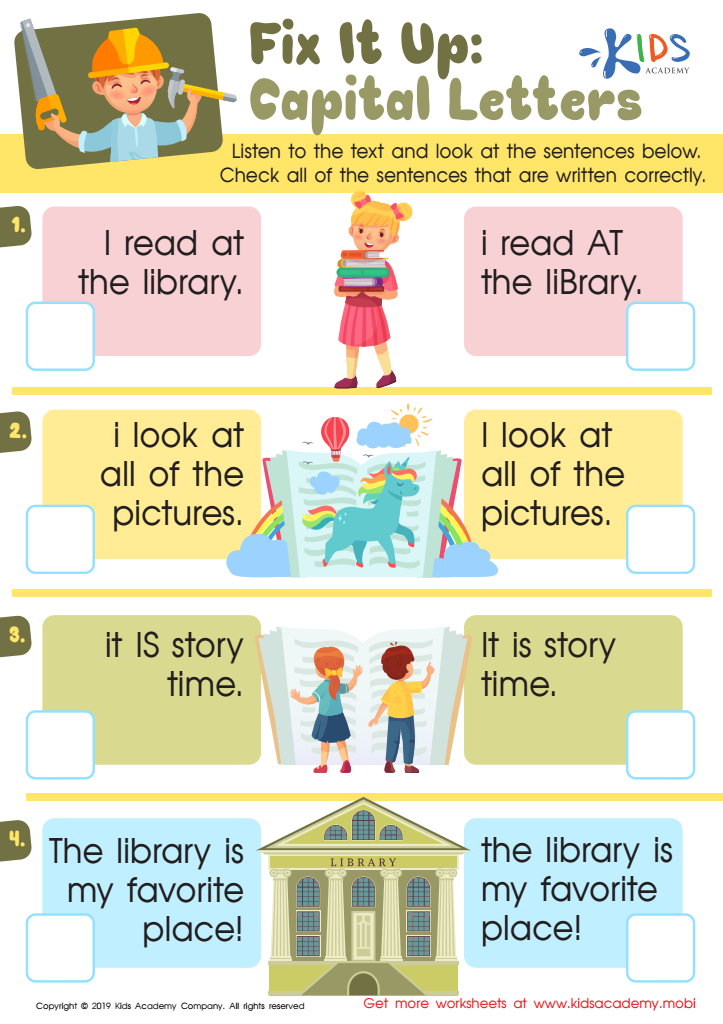
Fix Capital Letters Worksheet

How to Capitalize Worksheet






Understanding capitalization rules is essential for young learners aged 5-7, as it forms the foundation of strong writing skills. When parents and teachers emphasize these rules, they help children recognize the importance of clear and effective communication. Early adherence to capitalization ensures that children don't develop bad writing habits which can be harder to correct later on.
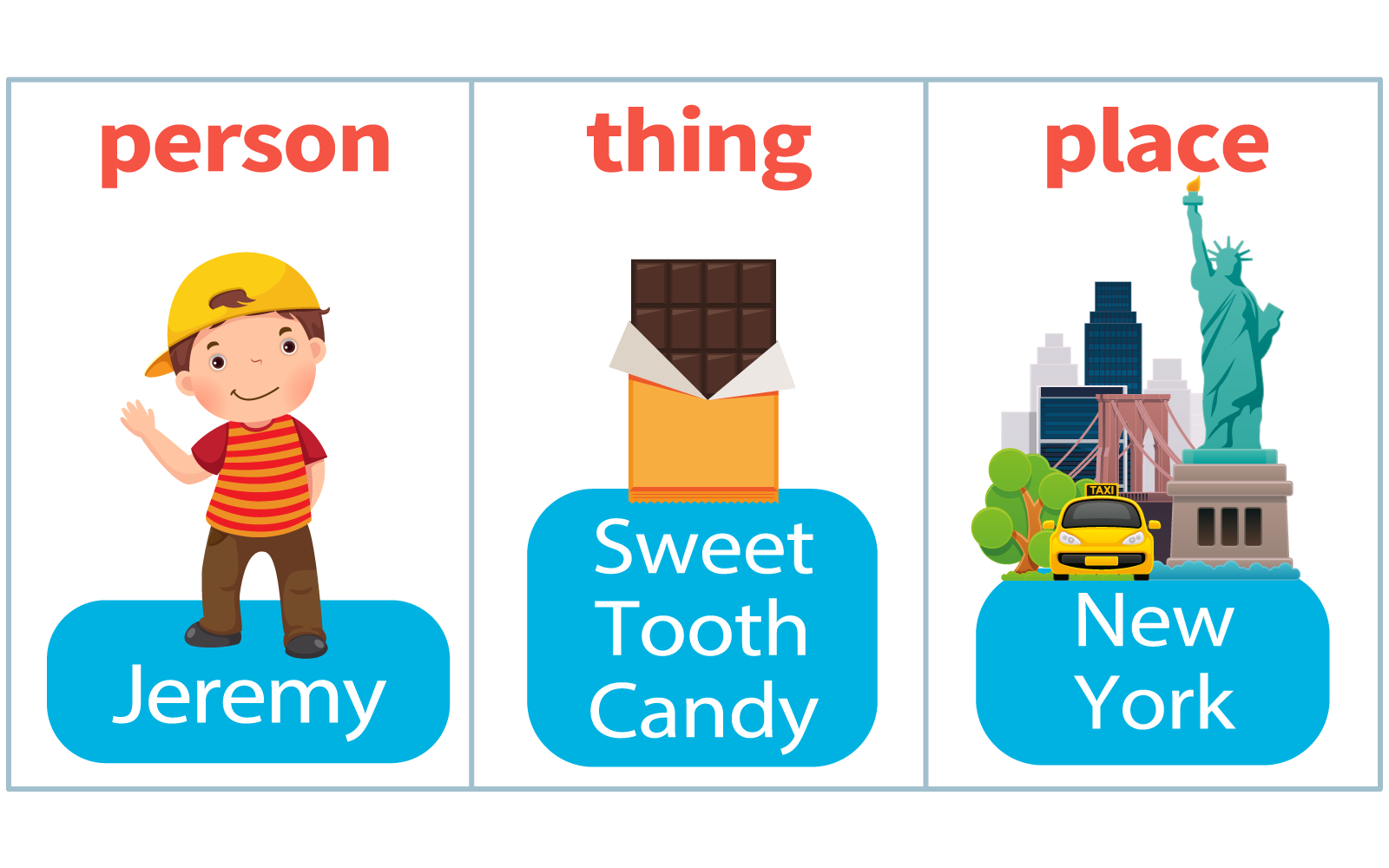
Capitalization, such as using a capital letter at the beginning of a sentence or for proper nouns (like names of people, places, and special occasions), teaches children to make distinctions in their writing. These distinctions help readers comprehend sentences with greater ease. For example, writing "today" instead of "Today" at the start of a sentence may confuse readers and potentially disrupt the flow of reading.
Early mastery of these rules also boosts a child’s confidence. When children see their work recognized and praised for correctness, they become more eager to write and share their ideas. It fosters a sense of pride in their work. Additionally, understanding and applying standard writing conventions prepares students for the literacy demands of future academic pursuits and even professional communication.
Overall, grounding young minds in capitalization rules equips them with essential tools for accurate and polished writing, benefitting their overall academic growth and self-esteem.








