Vocabulary enhancement Grammar Worksheets for Ages 5-7 - Page 3
51 filtered results
-
From - To
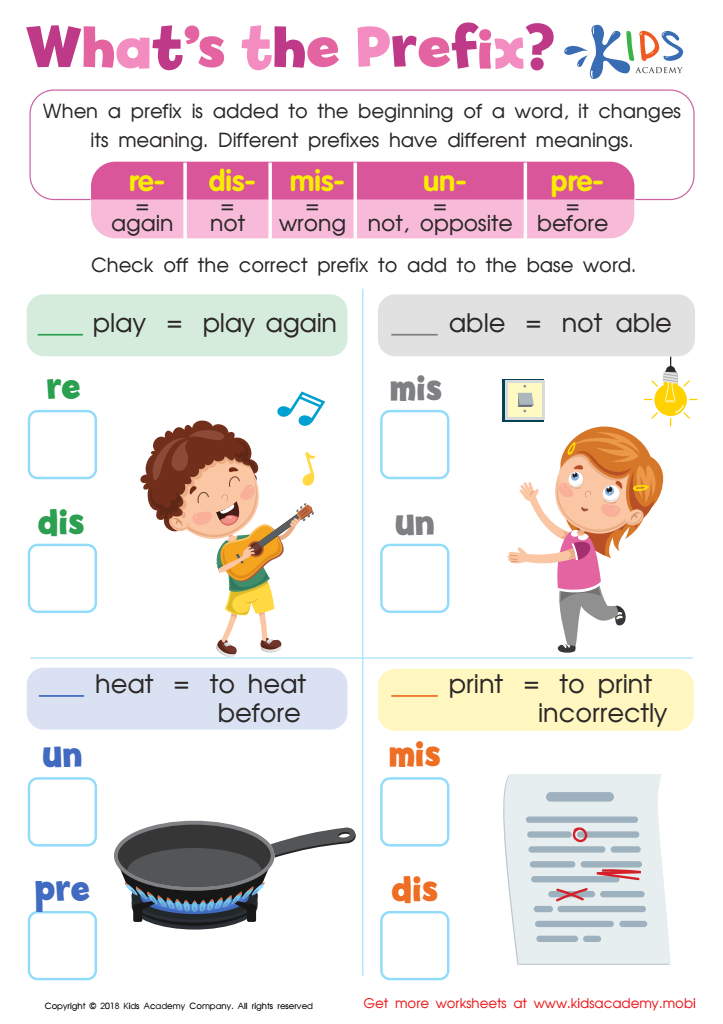
Reading: What Is the Prefix Worksheet
 Assign to My Students
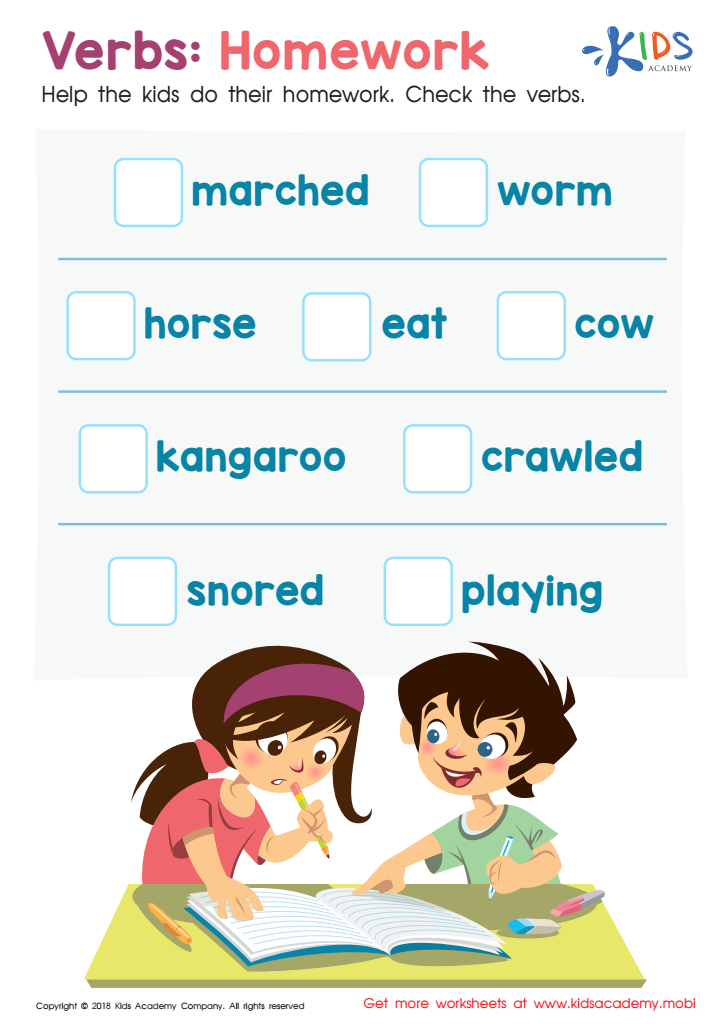
Verbs Homework Worksheet
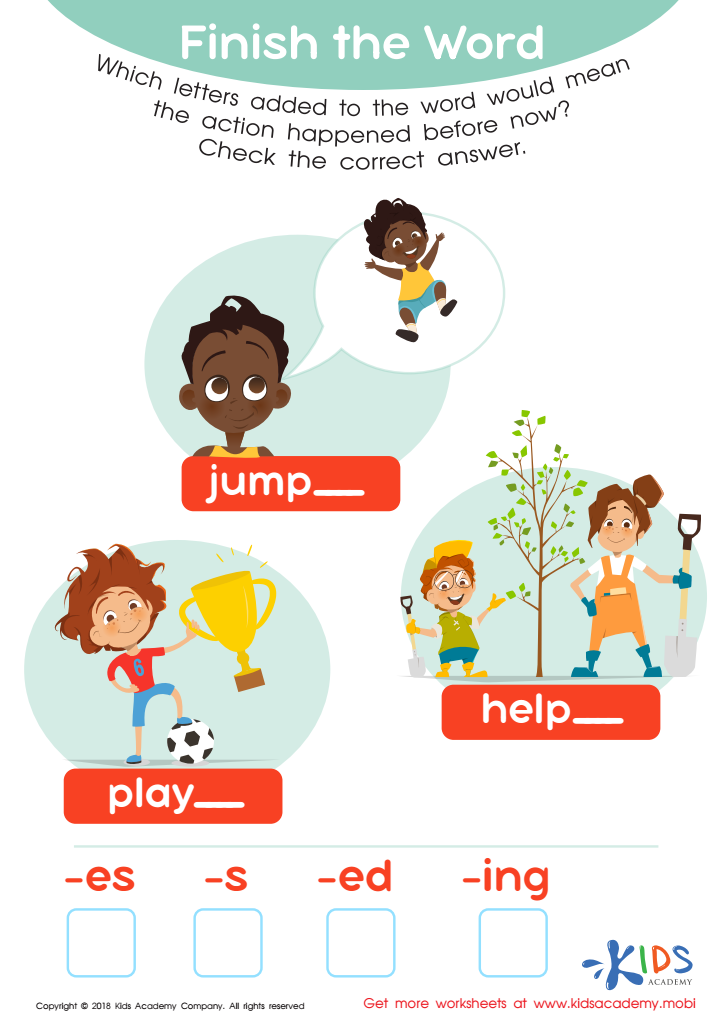
Finish the Word Worksheet





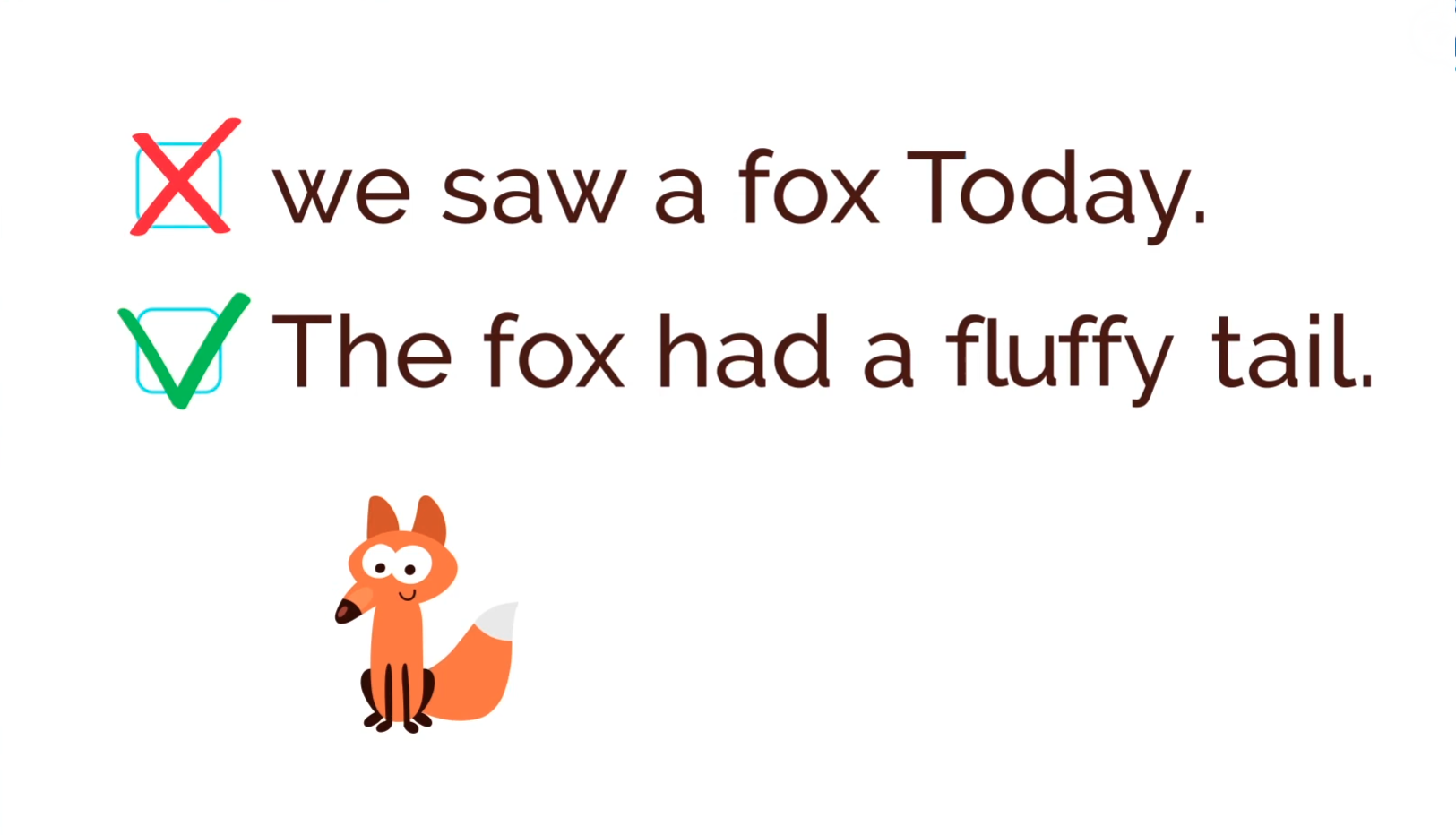

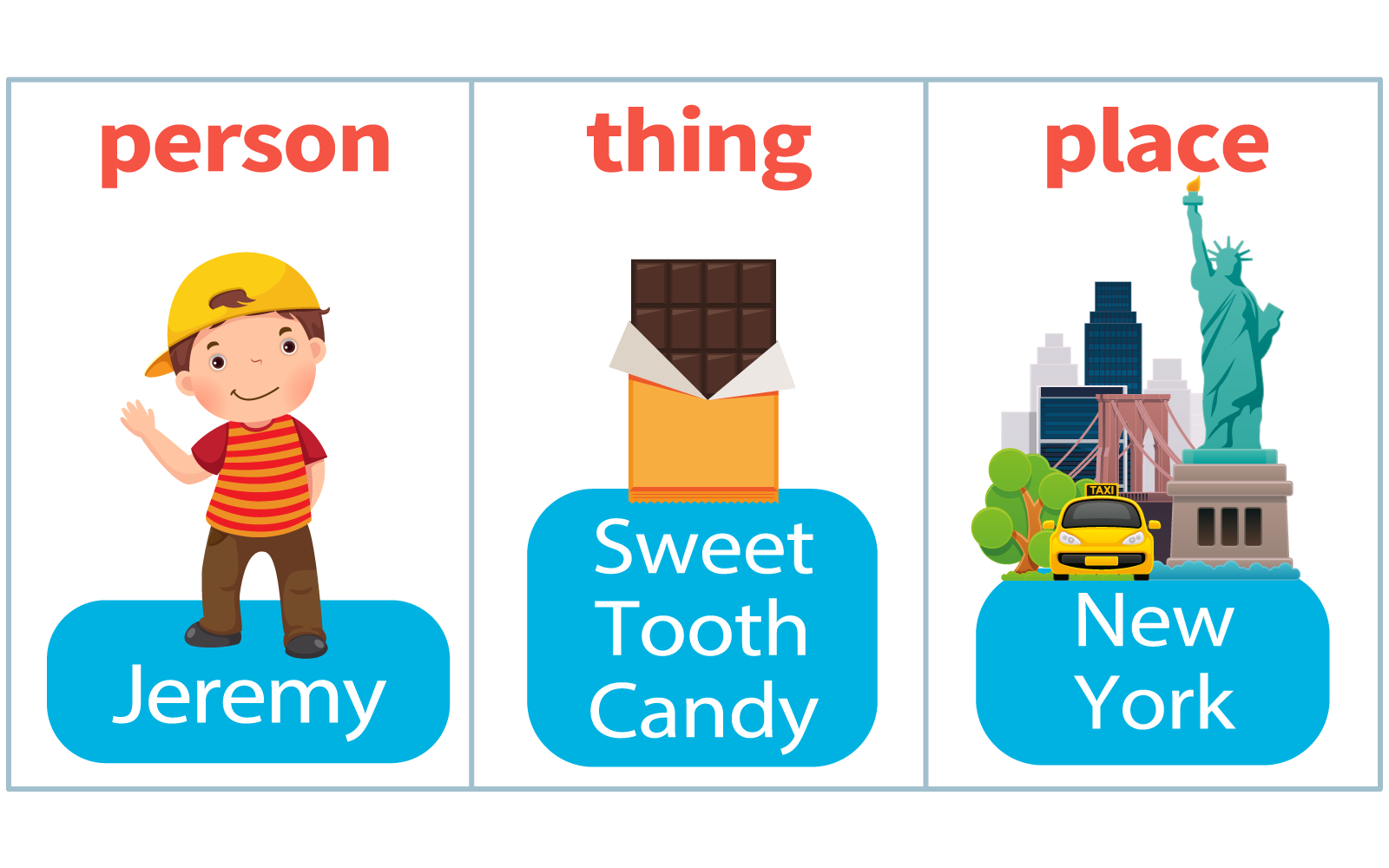
Vocabulary enhancement and grammar are crucial for children aged 5-7 because these foundational years shape their communication skills. At this developmental stage, kids are like sponges, absorbing new information rapidly. Expanding their vocabulary helps them to express thoughts, emotions, and ideas more clearly and effectively. A rich vocabulary allows children to understand stories, follow instructions better, and engage in more meaningful conversations with peers and adults.
Grammar, on the other hand, provides the structure for this expanding vocabulary. Proper grammar usage helps children form coherent sentences, making their communication clear and understandable. When kids grasp basic grammatical rules, they can read and write more effectively, which are critical skills for academic success.
Furthermore, vocabulary and grammar development contribute to cognitive growth. As young children learn new words and sentence structures, they're also honing critical thinking abilities, such as categorization, pattern recognition, and problem-solving.
Additionally, a stronger vocabulary and a good grasp of grammar boost self-confidence. Children who can articulate their thoughts well are more likely to participate actively in class, ask questions, and build positive social relationships. Engaging in these exercises also lays a strong foundation for lifelong literacy and learning, benefitting children well beyond their early school years.








