Letter recognition Elementary Phonics Worksheets for Ages 5-8
5 filtered results
-
From - To
Unlock your child's potential with our engaging Letter Recognition Elementary Phonics Worksheets, designed for ages 5-8! These resources are perfect for young learners as they explore the fascinating world of letters and sounds. With vibrant illustrations, interactive activities, and a variety of exercises, children will enjoy practicing letter recognition while building a strong foundation in phonics. Our worksheets promote essential skills such as tracing, matching, and identifying letters in different contexts, encouraging both fun and education. Whether in the classroom or at home, these worksheets are excellent tools for inspiring a love of learning and literacy in your child!
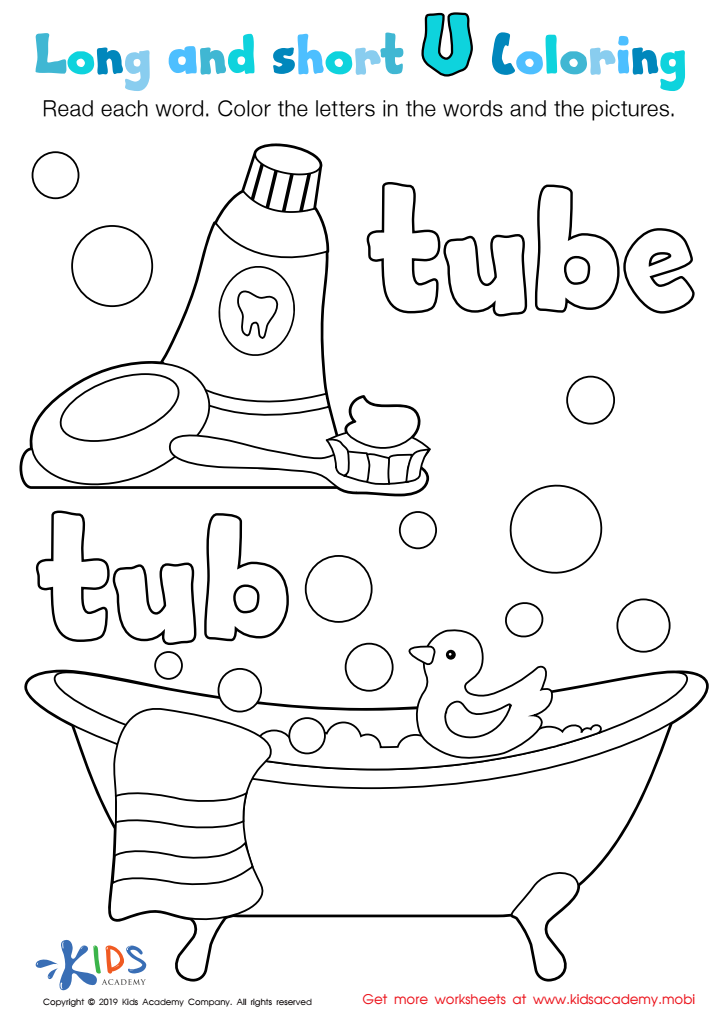
Long and Short U Worksheet
 Assign to My Students
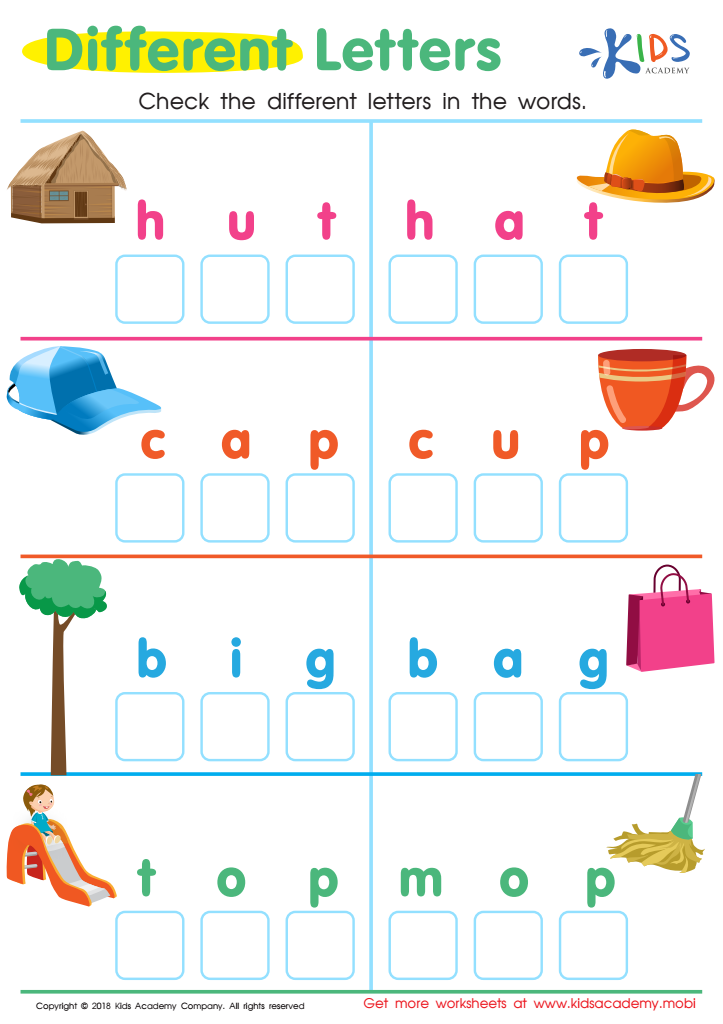
Different Letters Reading Worksheet
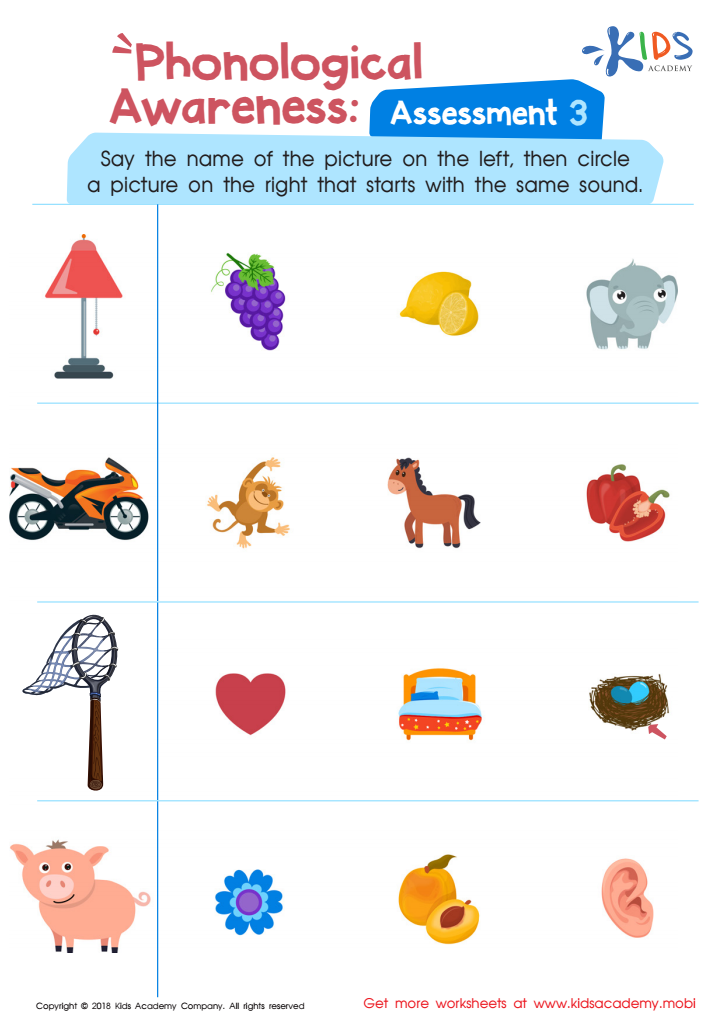
Phonological Awareness: Assessment 3 Worksheet

Long and Short E Worksheet
Assign to My Students
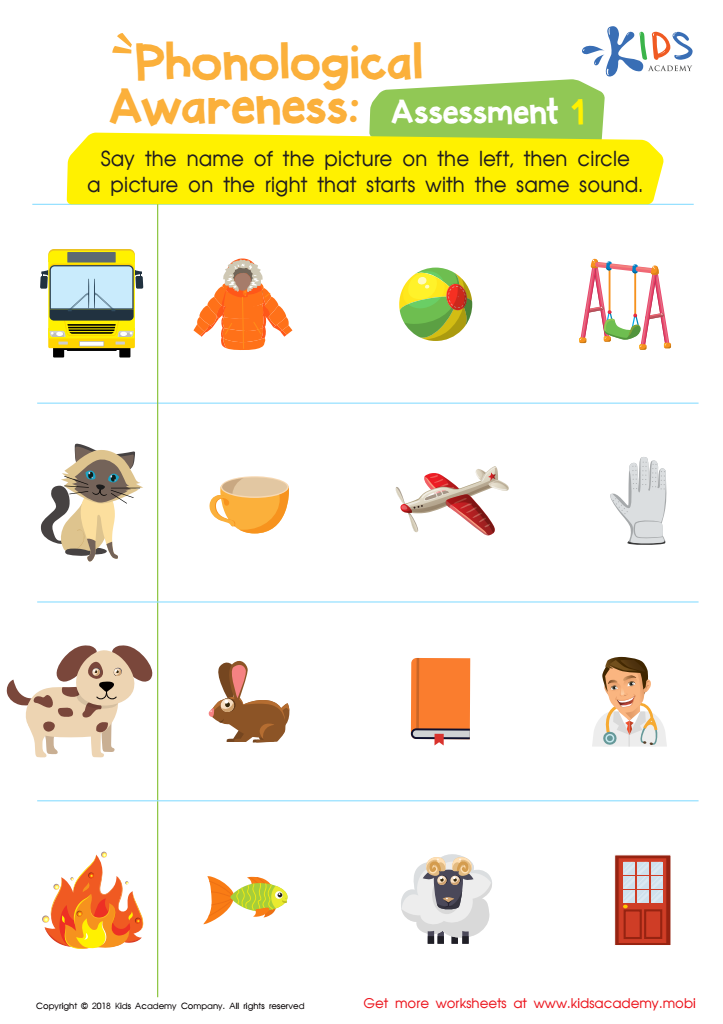
Phonological Awareness: Assessment 1 Worksheet




Letter recognition is a foundational skill for young learners, particularly those aged 5-8, in their journey to becoming proficient readers. This crucial component of elementary phonics focuses on helping children identify and understand letters, which significantly influences their literacy development. When parents and teachers prioritize letter recognition, they set the stage for improved reading and writing skills, ultimately fostering greater academic success.
Recognizing letters ensures that children can decode words and understand phonetic principles, which facilitates fluent reading. Strong letter recognition skills also enhance spelling abilities as children begin to associate sounds with their corresponding letters. Furthermore, early literacy development is linked to improved vocabulary, comprehension, and critical thinking skills.
Beyond academics, the ability to recognize letters can boost a child’s confidence and motivation in learning. When young learners succeed in identifying letters, they feel empowered to tackle new reading challenges. Engaging in playful activities like letter games, songs, and crafts not only make learning fun but also strengthen the bond between parents and teachers with their children. Ultimately, nurturing letter recognition through targeted phonics instruction is a vital step in ensuring that children meet their reading milestones and develop a lifelong love for literature.







