Alphabetical understanding Alphabet Worksheets for Ages 5-8
4 filtered results
-
From - To
Boost your child's alphabetical understanding with our engaging Alphabet Worksheets for ages 5-8, available at Kids Academy. Designed to build a strong foundation in letter recognition and sequencing, these worksheets make learning fun and interactive. Featuring a variety of activities such as tracing, matching, and finding letters, our worksheets cater to different learning styles. Perfect for kindergarten and early elementary students, these resources help kids develop essential reading and writing skills. Discover how our expertly crafted Alphabet Worksheets can enhance your child's educational journey, ensuring they grasp alphabetical concepts with confidence and ease. Visit Kids Academy today!
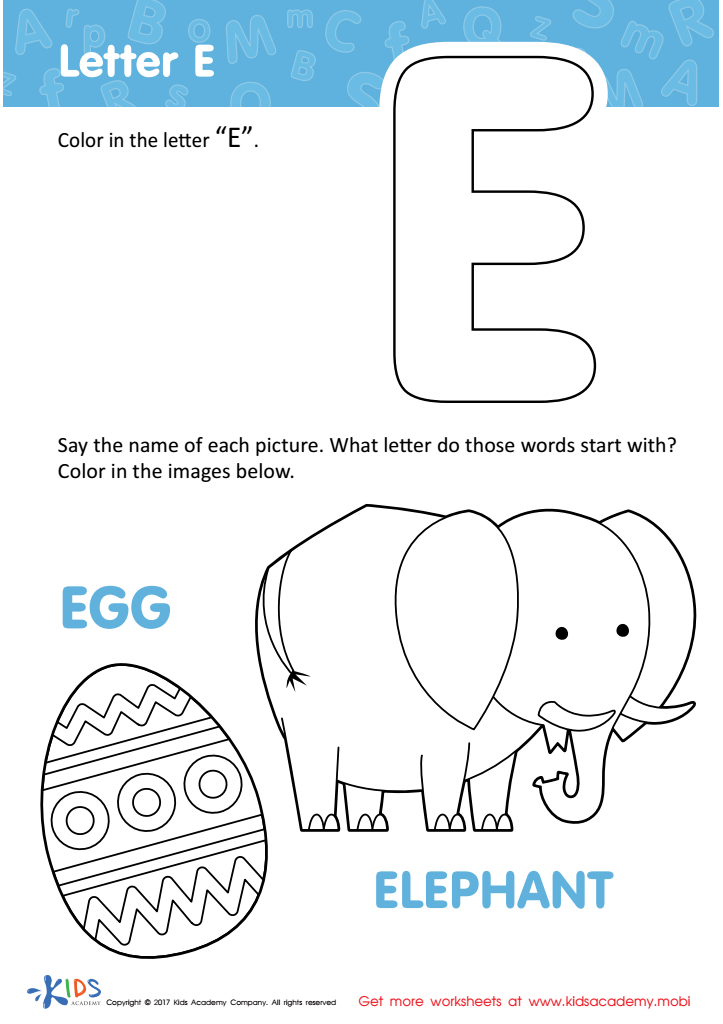
Letter E Coloring Sheet
 Assign to My Students
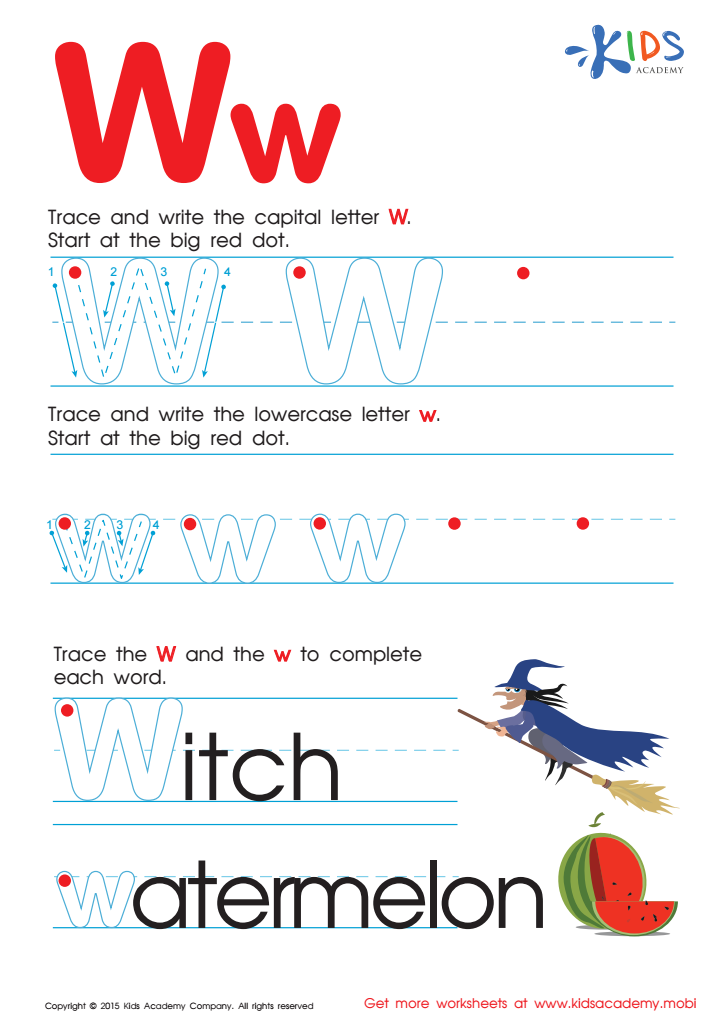
Letter W Tracing Page
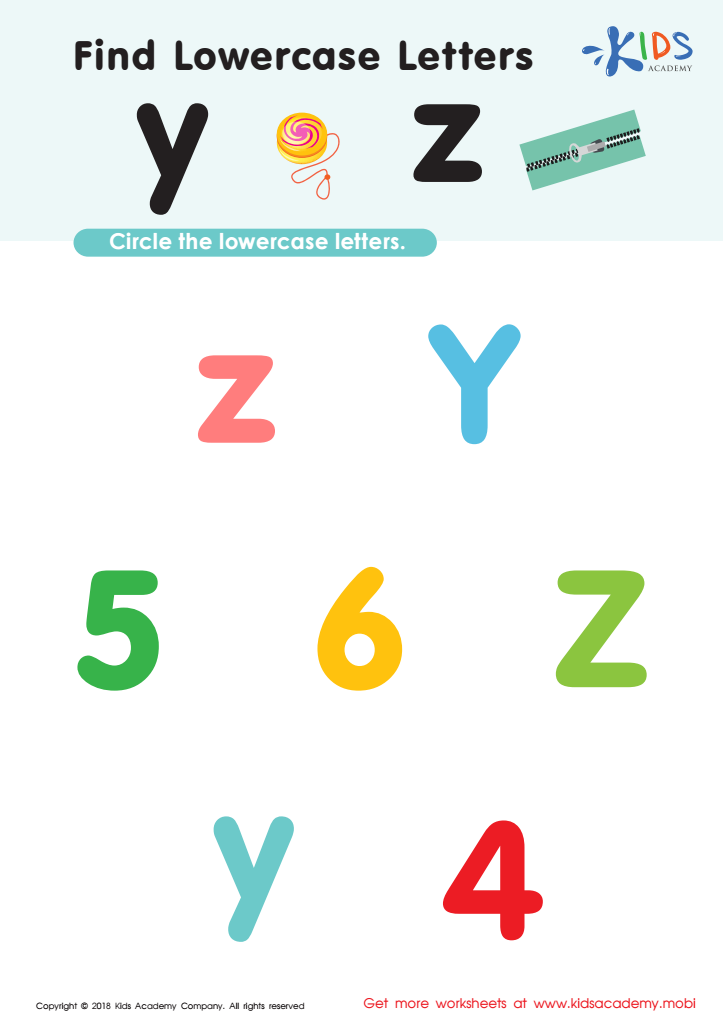
Find Lowercase Letters y z Worksheet
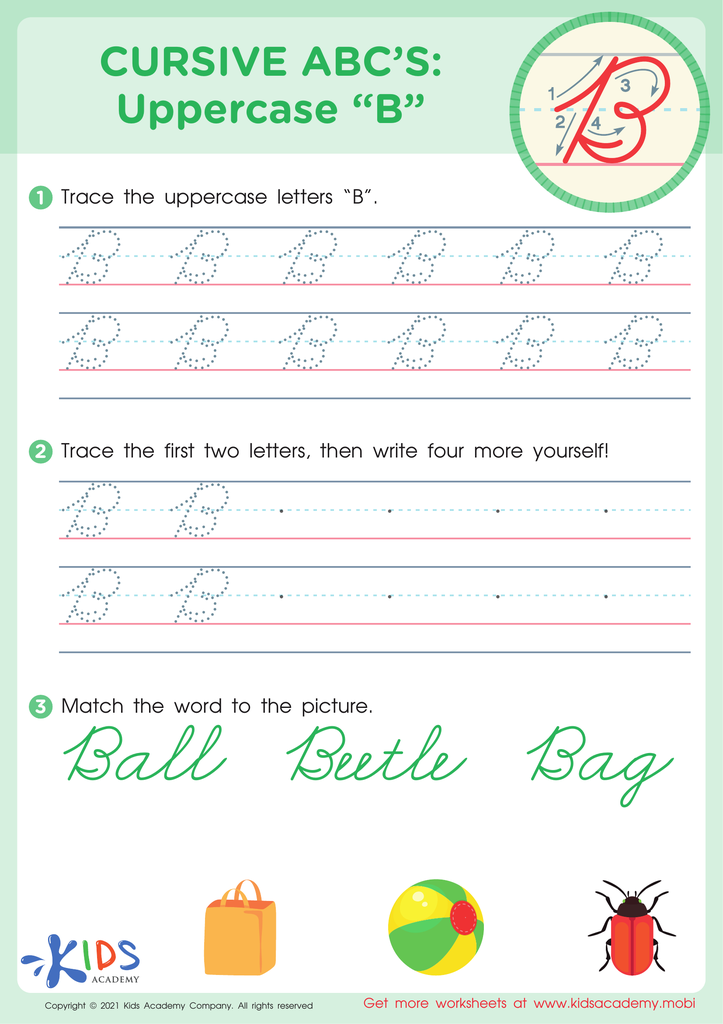
Cursive ABCs: Uppercase B







Alphabetical understanding is foundational for children ages 5-8 because it lays the groundwork for effective reading and writing skills, essential components of their overall education and communication abilities. During this crucial developmental period, children transition from recognizing letters to correlating them with sounds and forming words. If children grasp the alphabet early, they are better positioned to decode new words, enhance their vocabulary, and construct sentences, all of which are critical for reading comprehension and expressive language.
For parents and teachers, emphasizing alphabetical understanding can spark a lifelong love for learning. Engagingly teaching letters equips children with the skills needed to approach books with confidence, reducing frustration and increasing motivation. This fundamental grasp aids memory retention and cognitive development, promoting better performance in broader academic subjects.
Moreover, an early understanding of the alphabet fosters independence in children. Simple activities, like singing alphabet songs or recognizing letters on street signs, encourage active participation in their learning environment, making education more interactive and enjoyable. Consequently, investing time and resources into developing alphabetical skills will yield long-term benefits, boosting literacy rates, academic success, and eventually enabling children to engage thoughtfully and critically with the world around them.







