Alphabet Recognition Letter Recognition Worksheets for Ages 5-8 - Page 2
45 filtered results
-
From - To
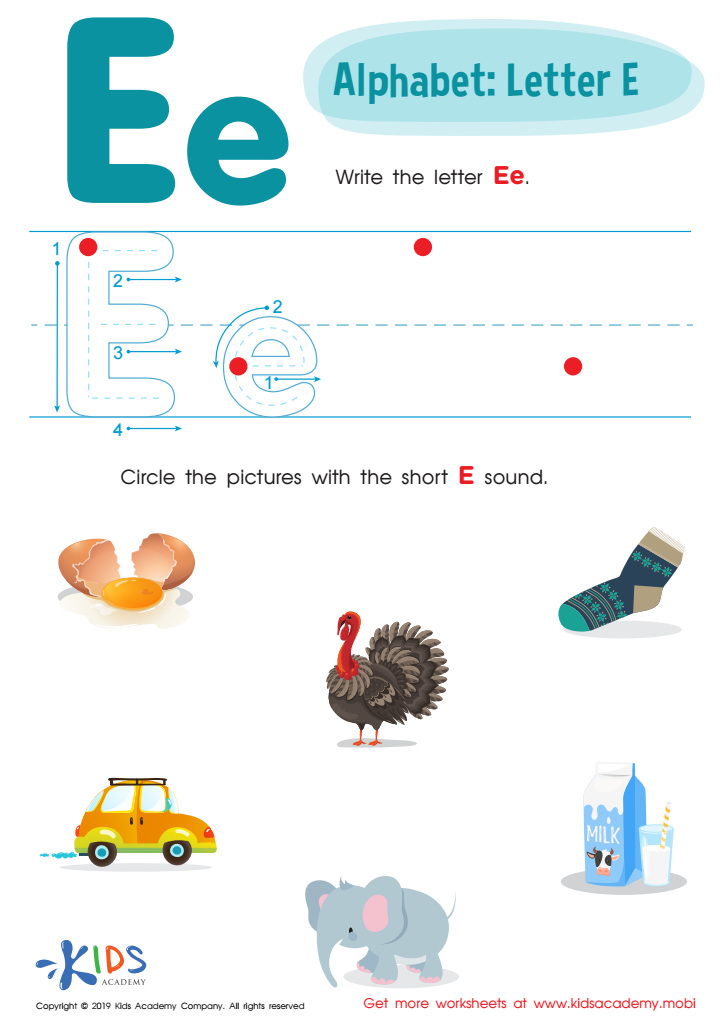
Letter E Tracing Worksheet
Letter W Coloring Sheet
 Assign to My Students
Letter O Coloring Sheet
Assign to My Students
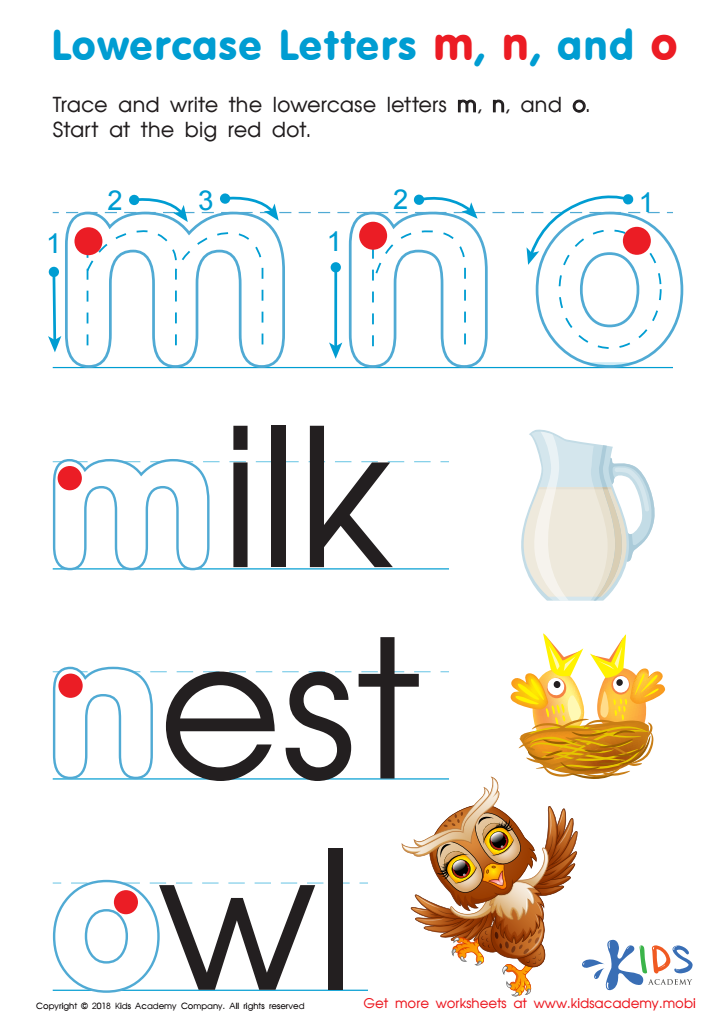
Lowercase Letters m n o Worksheet
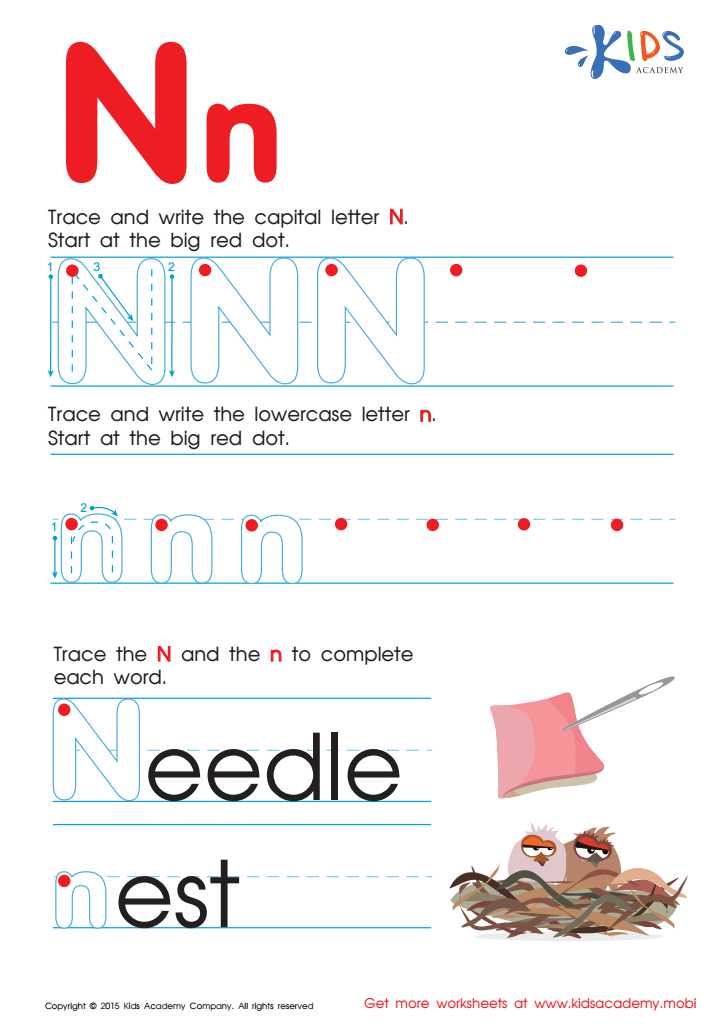
Letter N Tracing Page
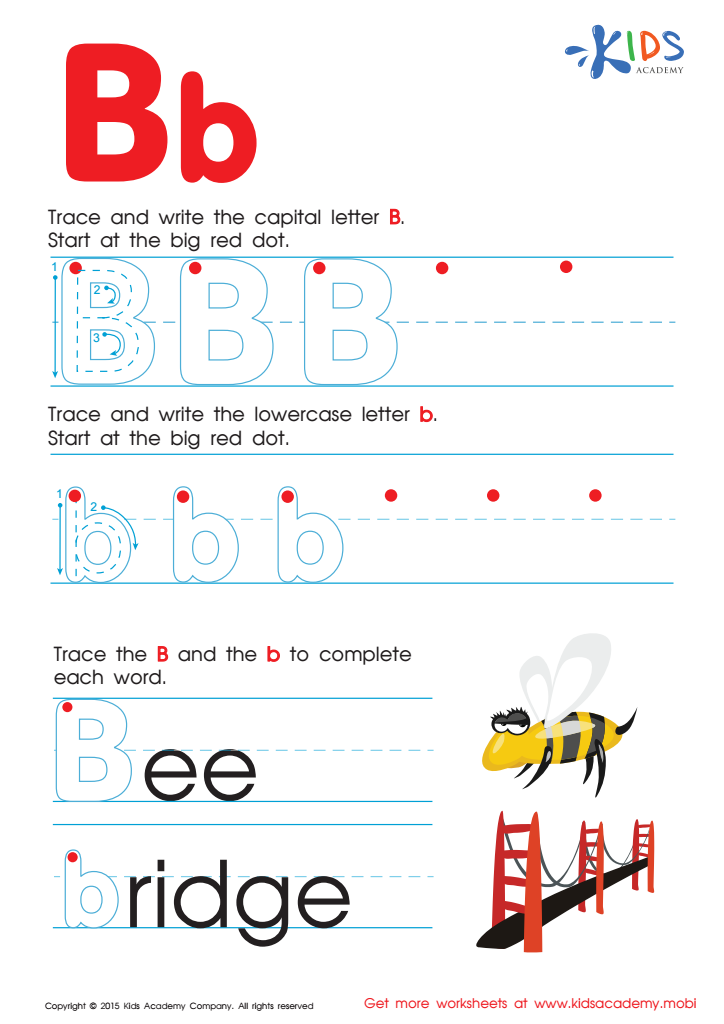
Letter B Tracing Page
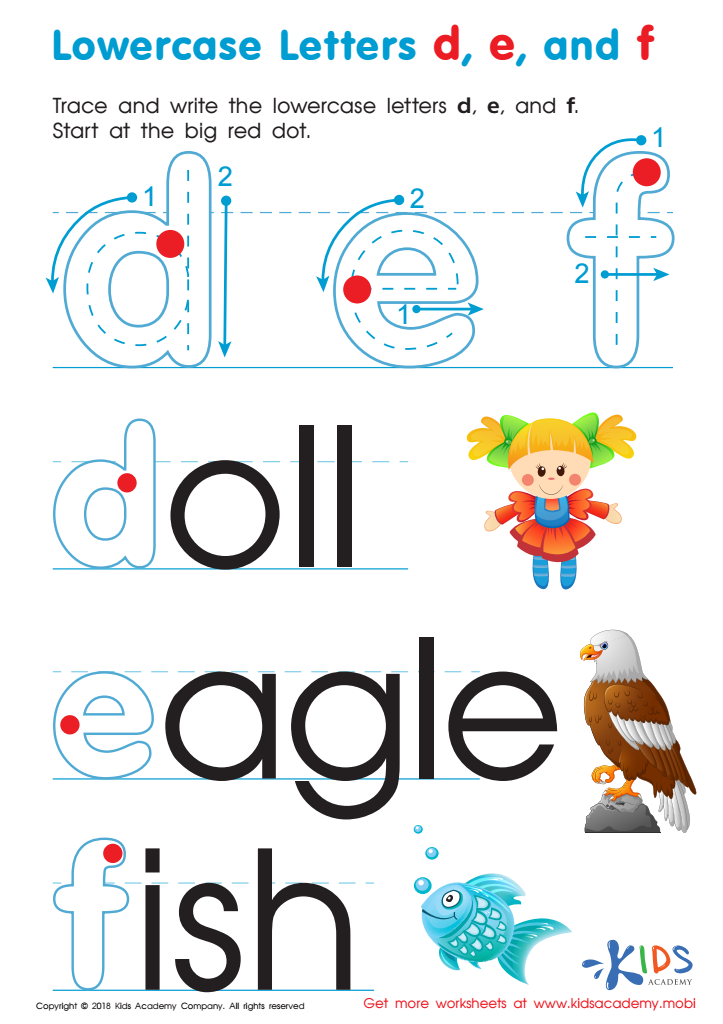
Lowercase Letters d e f Worksheet
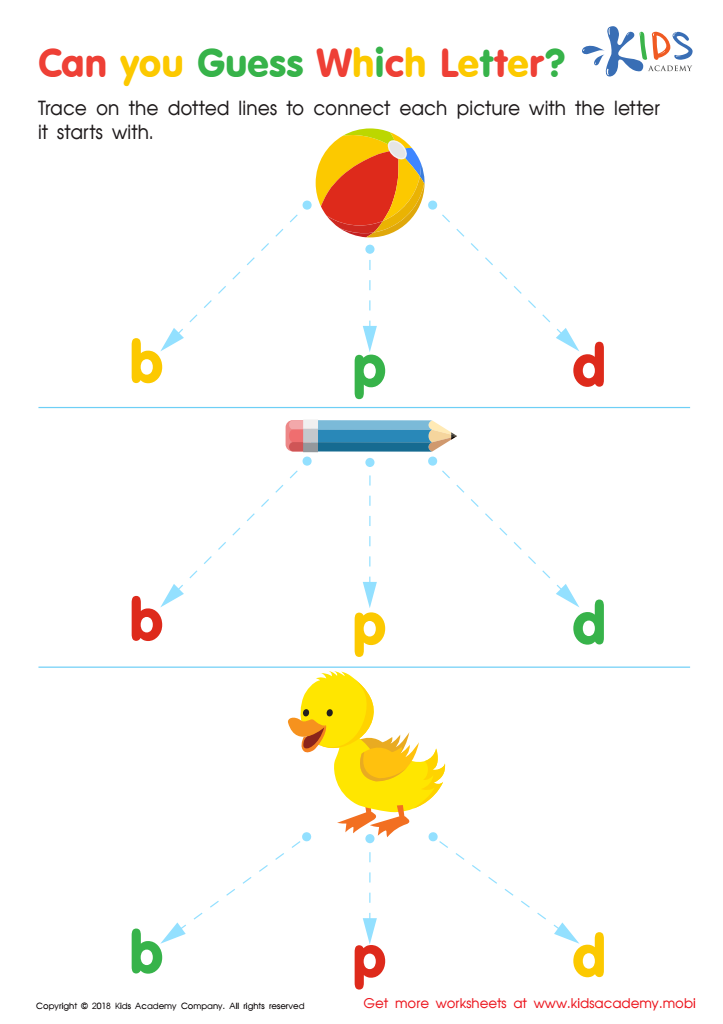
Can you Guess Which Letter? Worksheet
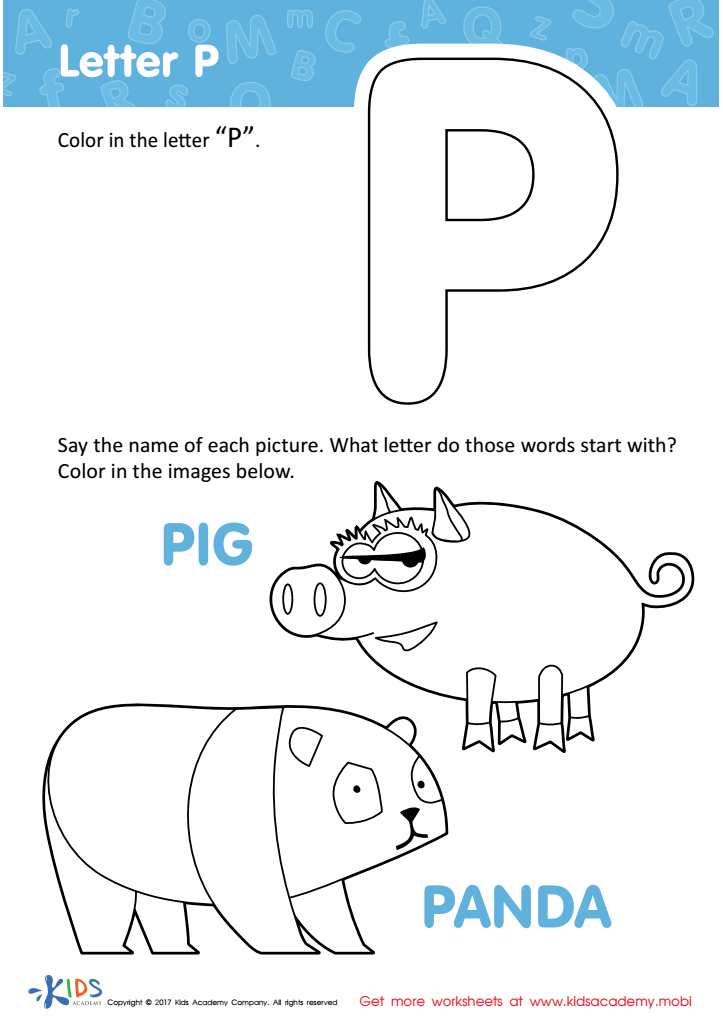
Letter P Coloring Sheet
Assign to My Students
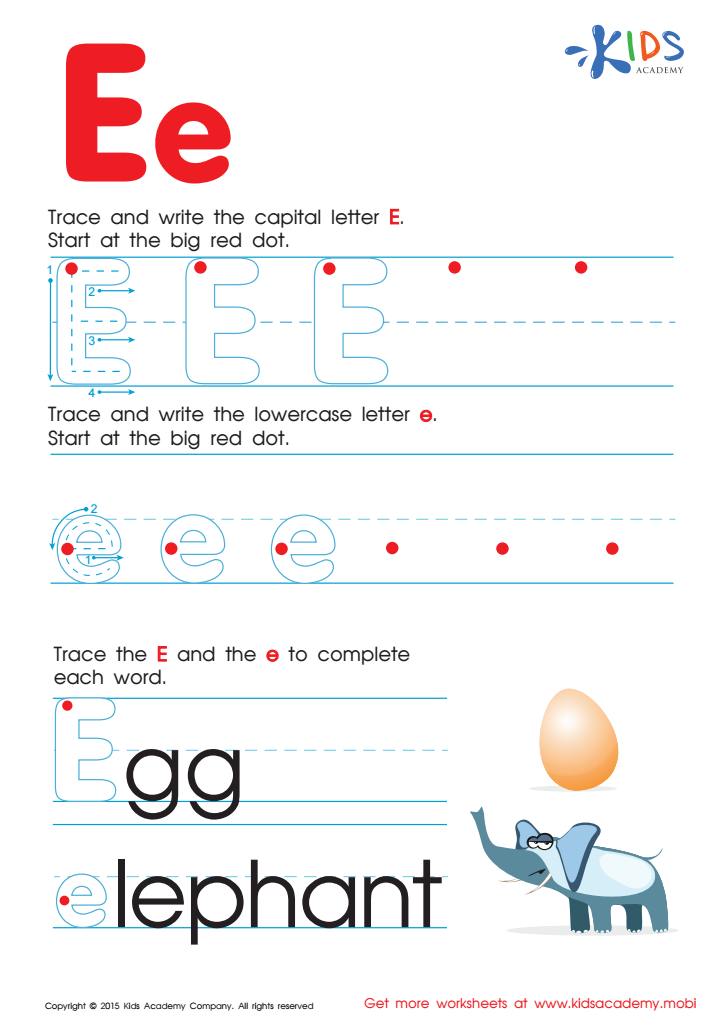
Letter E Tracing Page
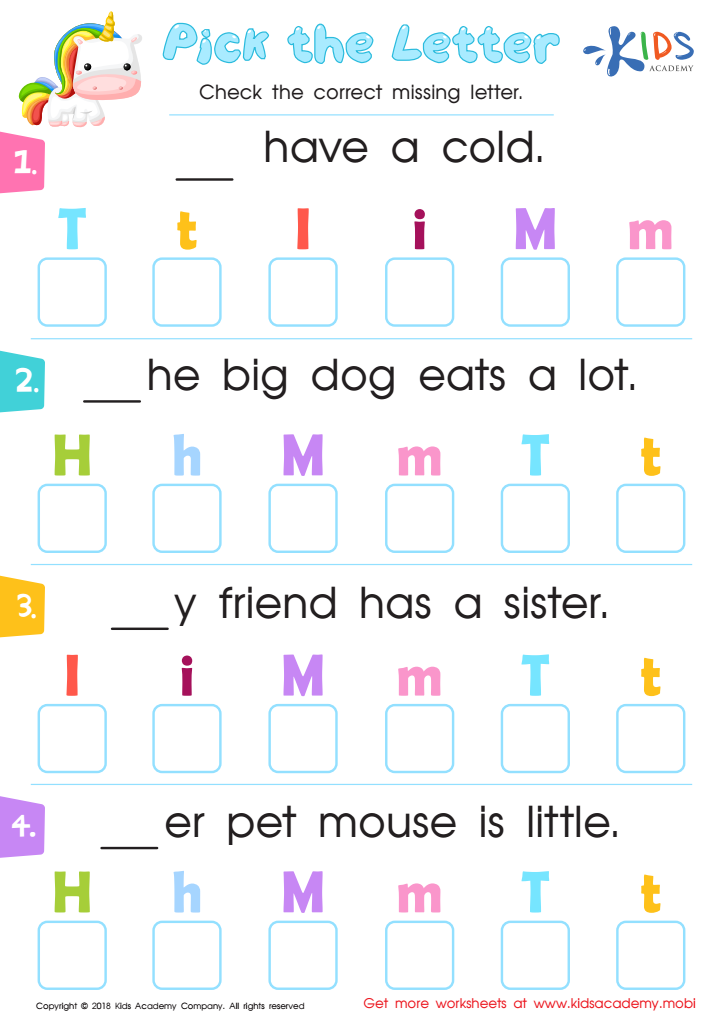
Pick the Letter Worksheet
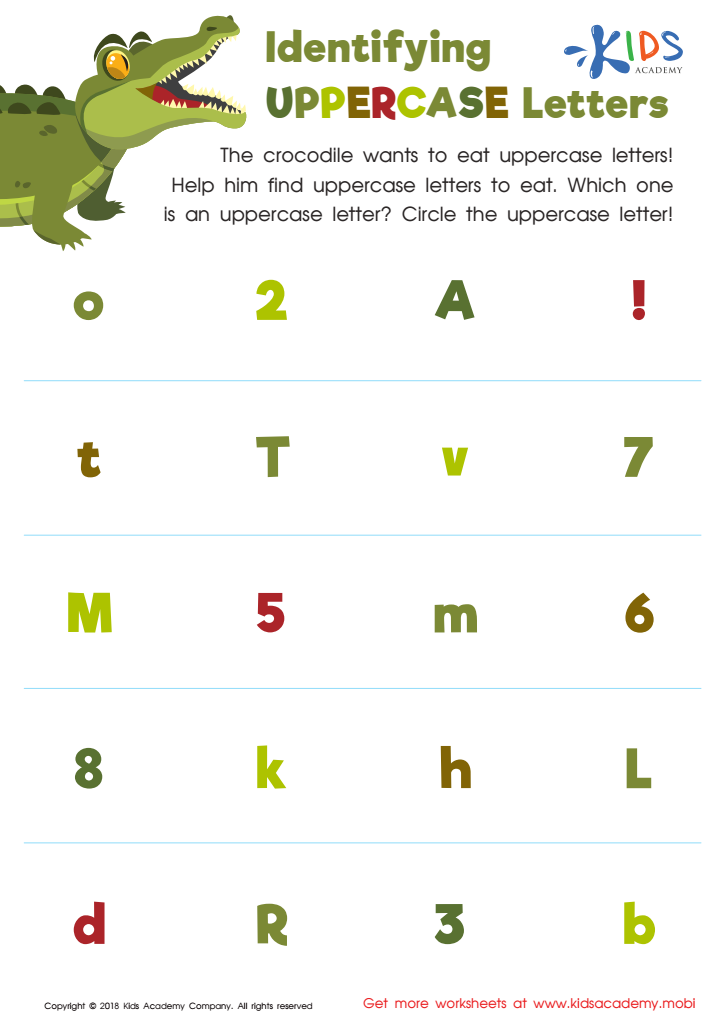
Identifying Uppercase Letters Worksheet
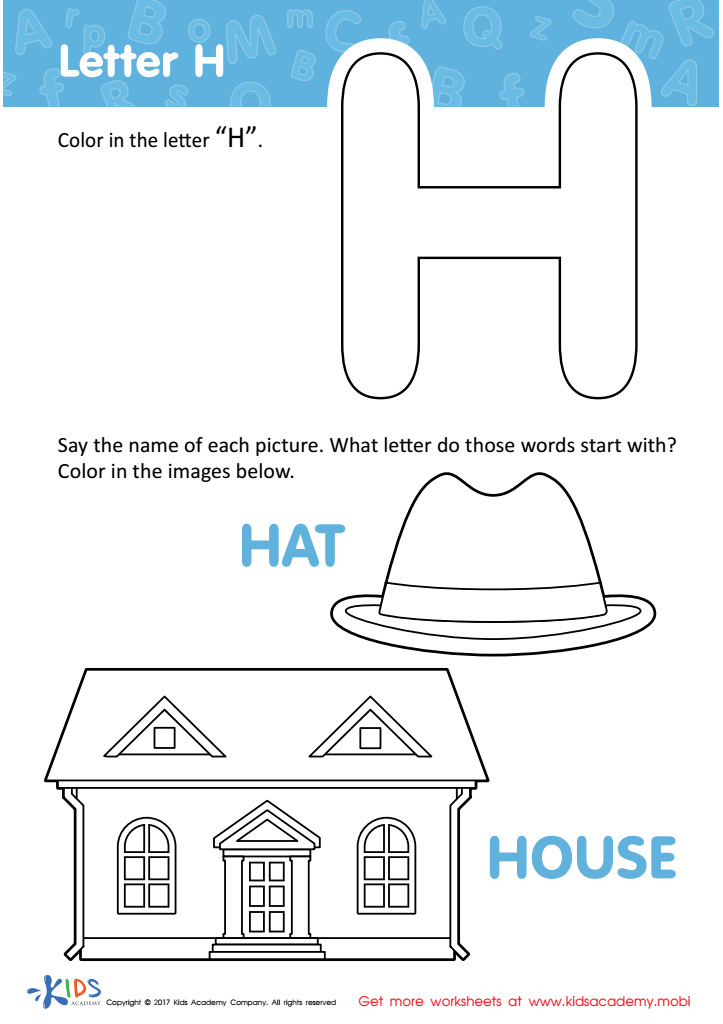
Letter H Coloring Sheet
Assign to My Students
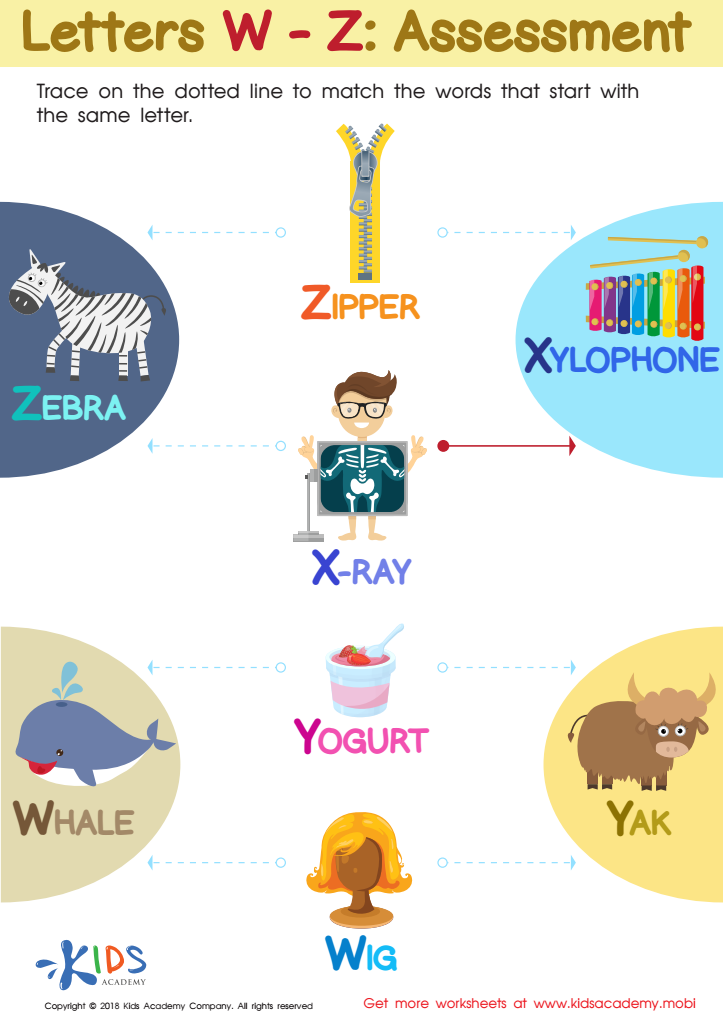
Letters W–Z Tracing Worksheet
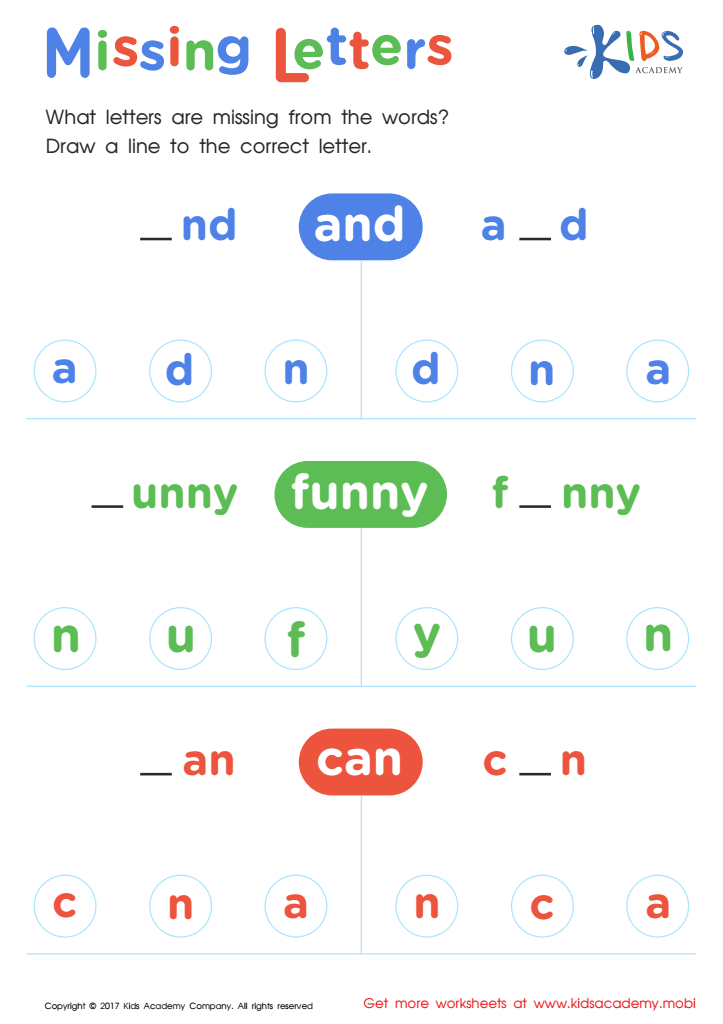
Missing Letters Worksheet
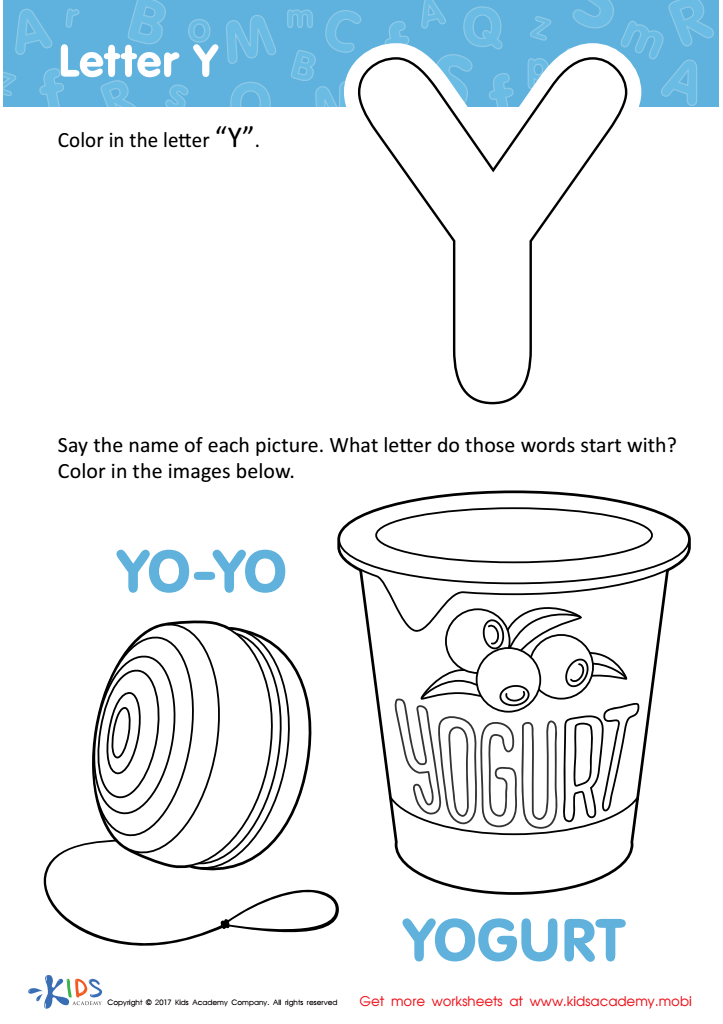
Letter Y Coloring Sheet
Assign to My Students
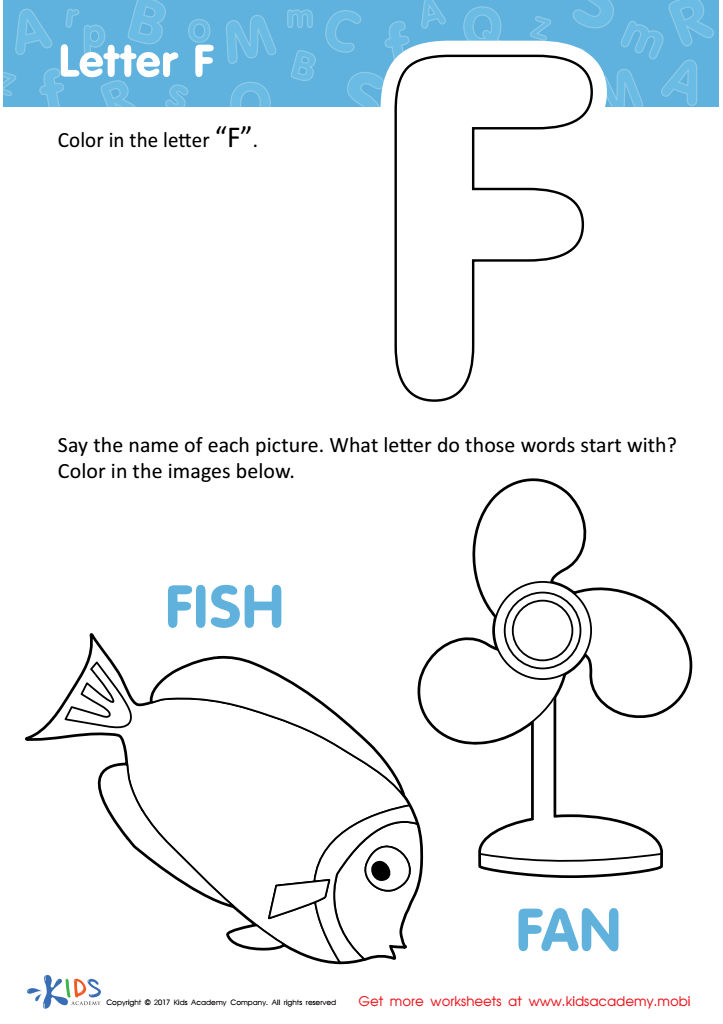
Letter F Coloring Sheet
Assign to My Students
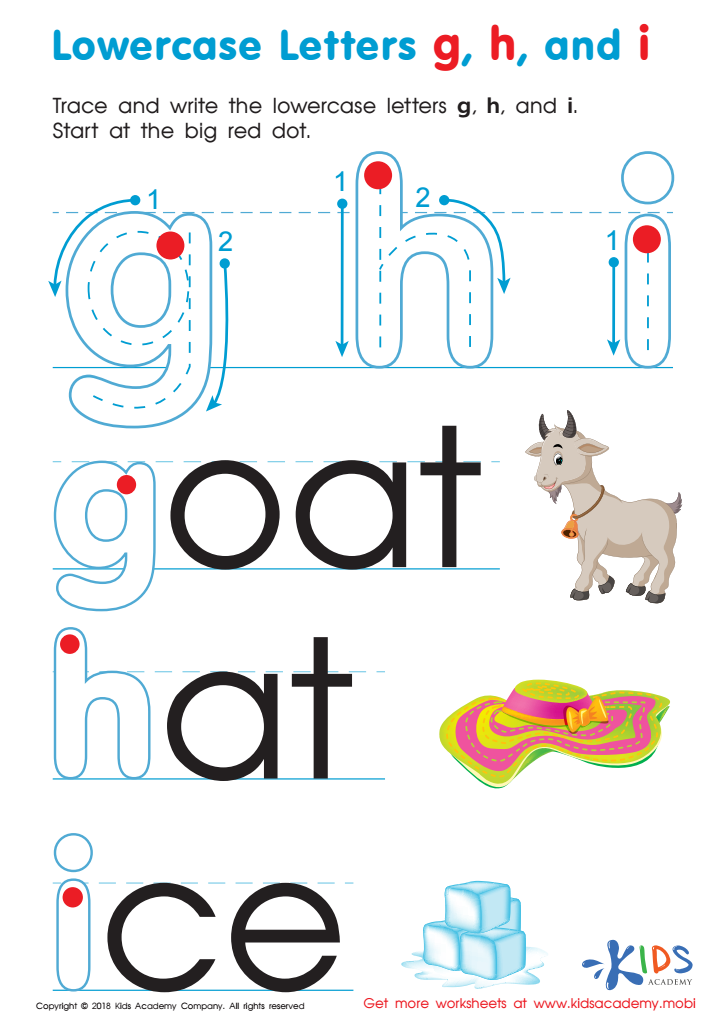
Lowercase Letters g h i Worksheet
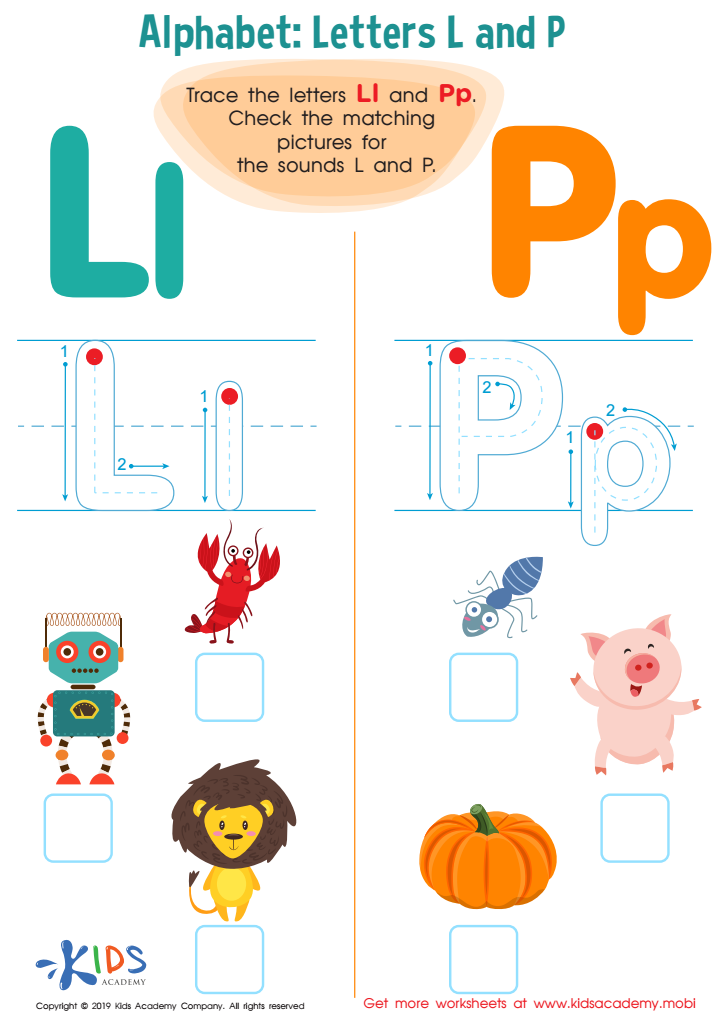
Letter L and P Tracing Worksheet
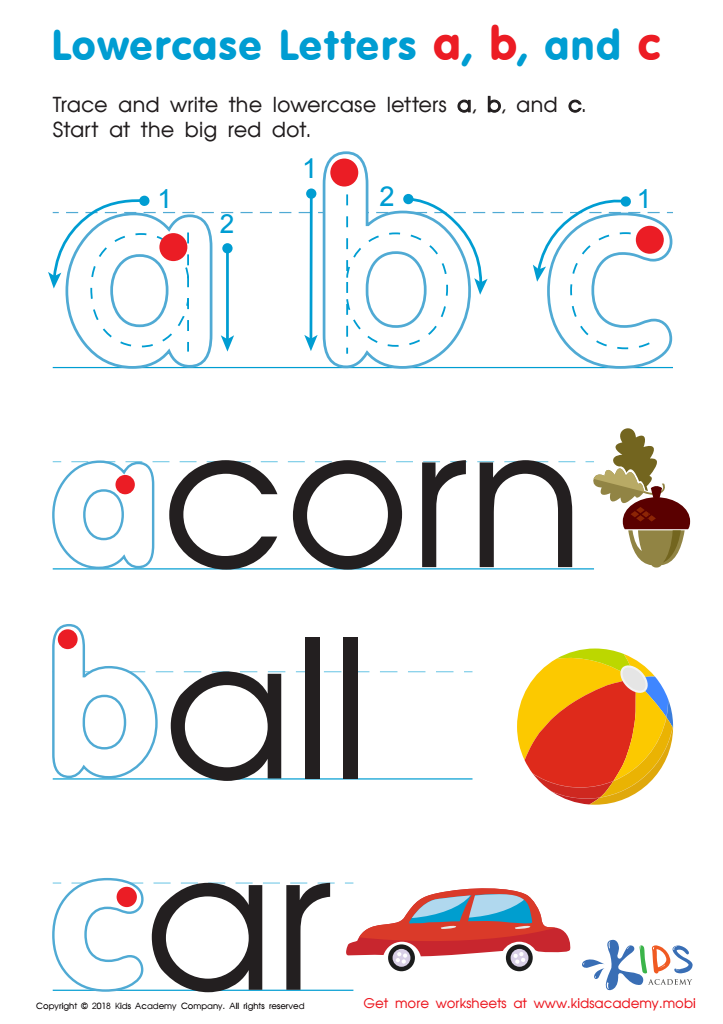
Lowercase Letters a b c Worksheet
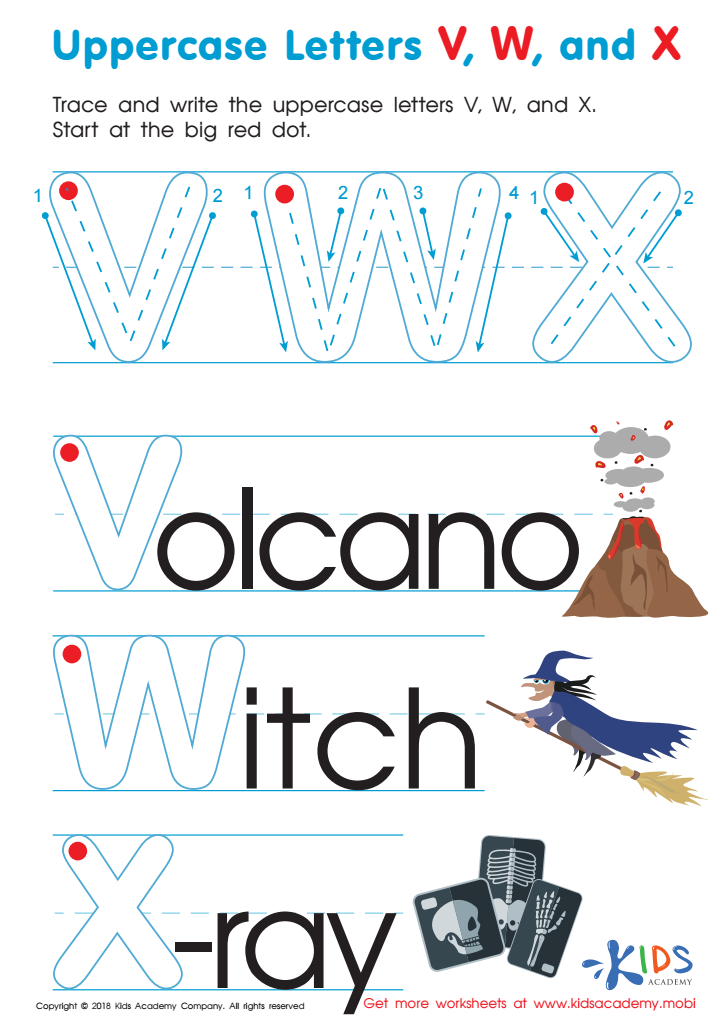
Uppercase Letters V, W, and X Worksheet








Alphabet recognition is a foundational skill crucial for young children's literacy development. When teachers and parents focus on this, they lay the groundwork for a child’s reading and writing capabilities, key elements for future academic success. For ages 5-8, children undergo a critical period of intellectual and language growth, making it an ideal time to introduce them to letter-sound relationships.
Being proficient in alphabet recognition helps children decode words by sounding out letters, improving their ability to read confidently. Moreover, it aids in vocabulary development as children learn that different letters (or combinations of letters) represent distinct sounds. This skill becomes increasingly vital as they progress from understanding single words to comprehending complete sentences and texts.
Furthermore, early alphabet knowledge supports early writing skills. When children confidently identify letters, they are more apt to attempt writing them, fostering their spelling and motor skills. Teachers and parents are then able to encourage practice that strengthens these competencies, reinforcing the child's overall literacy.
In addition, children with strong alphabet foundations usually experience greater ease and enjoyment in learning to read, cultivating a lifelong love for reading. Lastly, consistent success in these capabilities can enhance children’s self-esteem and enthusiasm for learning, further contributing to their holistic academic development.







