Vocabulary enhancement Letter Recognition Worksheets for Ages 5-8
4 filtered results
-
From - To
Discover fun and engaging Vocabulary Enhancement Letter Recognition Worksheets designed for children ages 5-8. Our worksheets seamlessly blend letter recognition with vocabulary building to foster early literacy skills in young learners. Each activity offers age-appropriate, interactive exercises that teach new words while reinforcing letter identification. Ideal for classroom use or at-home practice, these worksheets promote reading readiness and linguistic development in a playful, educational setting. Unlock your child's potential with our expertly crafted resources that support a lifelong love of learning. Explore now and give your child the essential tools for academic success!
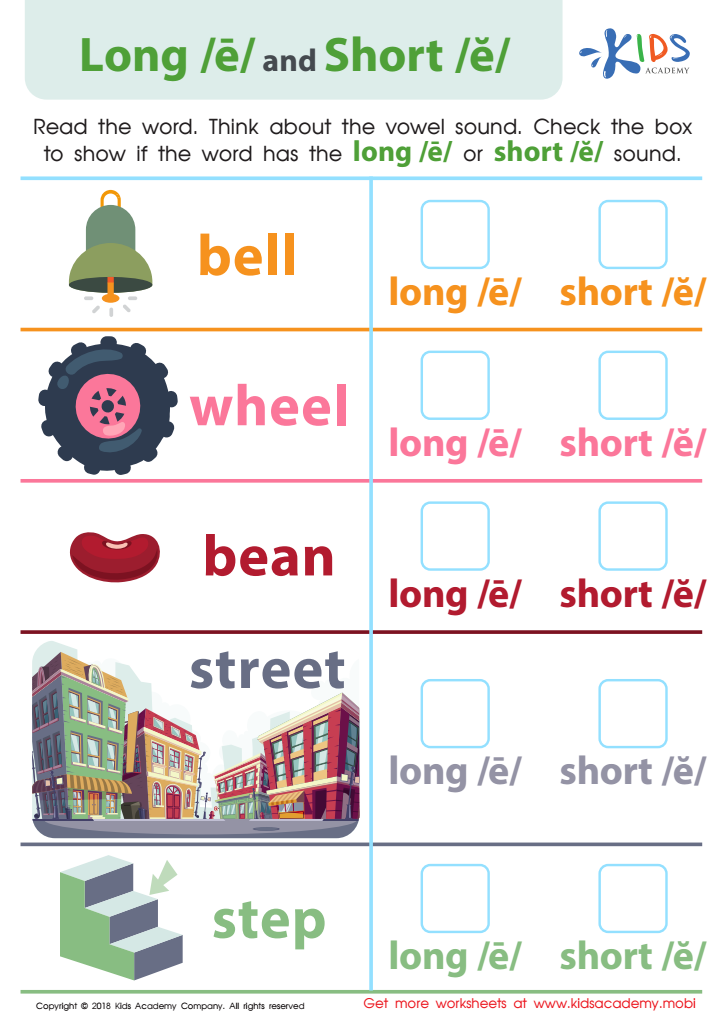
Reading: Long E and Short E Worksheet
 Assign to My Students
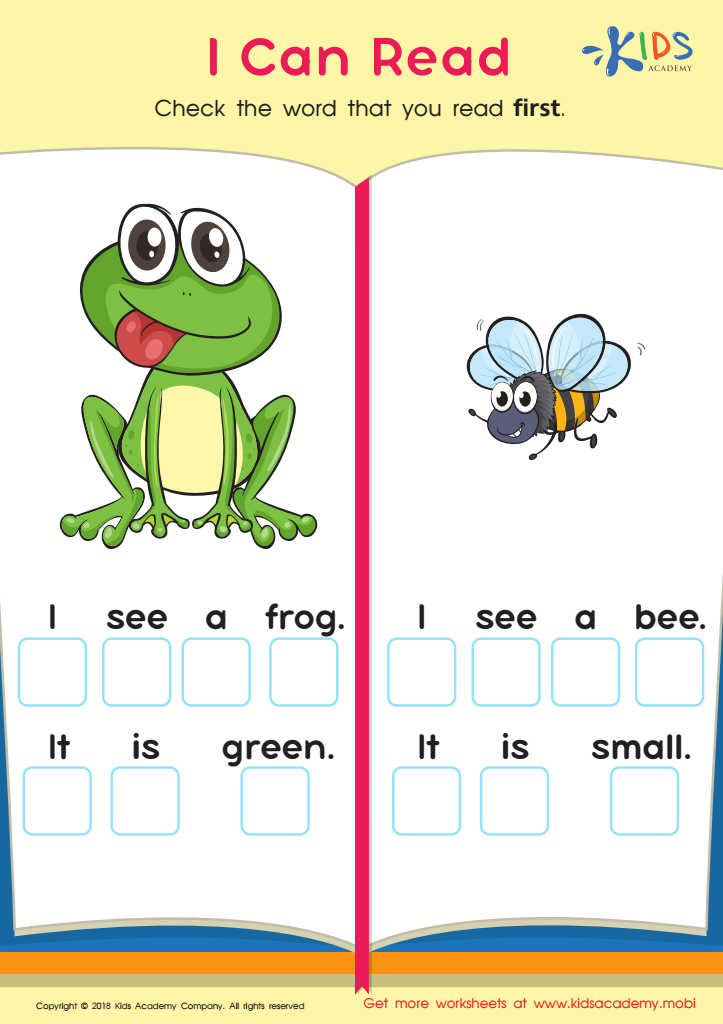
I Can Read Worksheet
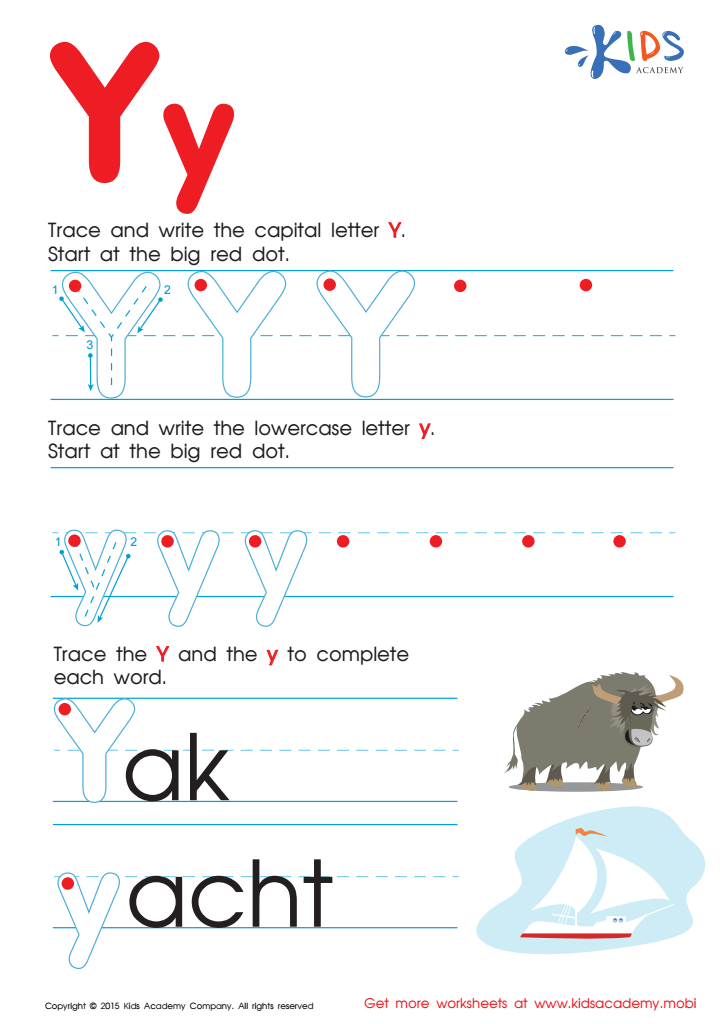
Letter Y Tracing Page
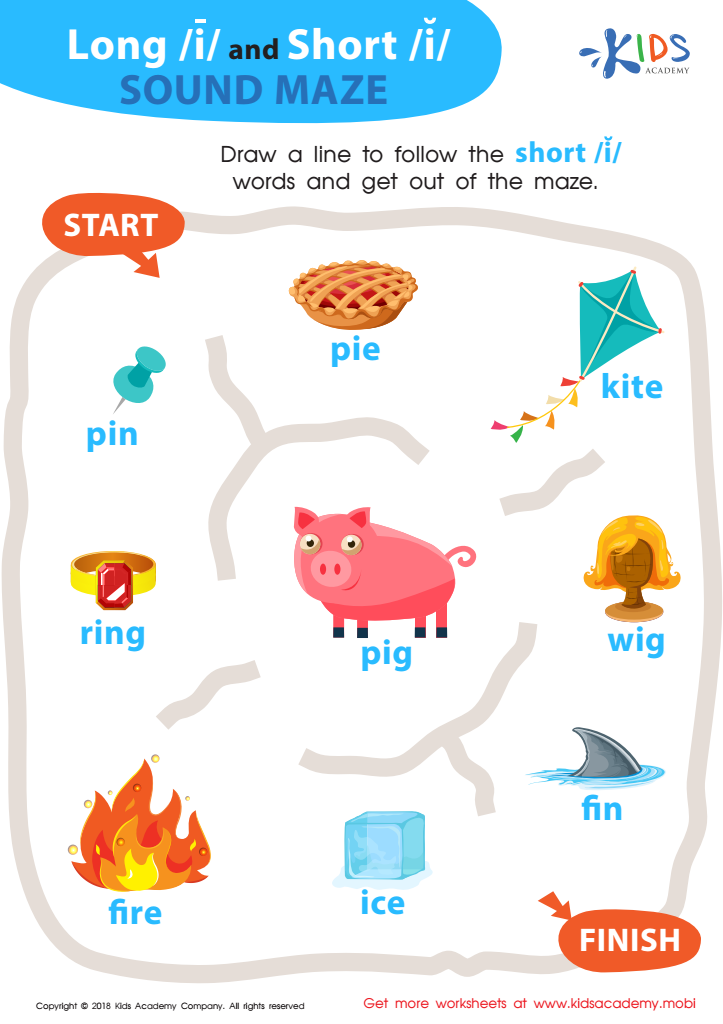
Reading: Long I and Short I Sound Maze Worksheet








Parents and teachers should prioritize vocabulary enhancement and letter recognition for children aged 5-8 because these foundational skills are crucial in language development and literacy. During this formative period, children's brains are highly receptive to learning, making it the optimal time to build a robust linguistic foundation.
Vocabulary development helps children express themselves more accurately and confidently, enabling better communication with peers and adults. Enhanced vocabulary is directly linked to improved reading comprehension, as knowing more words allows children to understand and engage with texts more effectively.
Letter recognition, on the other hand, is the stepping stone to reading and writing. Understanding letters and their sounds (phonics) enables children to decode words, leading to successful reading experiences. This recognition is critical for spelling and helps prevent future reading difficulties.
Moreover, these skills contribute to academic success across all subjects, as the ability to read and comprehend instructions and questions is fundamental to learning. Socially, it aids in their ability to follow directions and participate in conversations, fostering self-confidence.
By focusing on vocabulary and letter recognition early, parents and teachers set children on a path that promotes lifelong learning, curiosity, and intellectual growth. It also prepares them for future educational success and a richer, more articulate mode of self-expression.







