Reading development Phonics Worksheets for Ages 5-8
5 filtered results
-
From - To
Unlock your child's reading potential with our engaging Phonics Worksheets, designed for kids ages 5-8. These expertly crafted resources focus on vital reading development skills, including letter recognition, phonemic awareness, and word formation. Each worksheet combines fun activities with educational content, ensuring young learners stay motivated and engaged. Through a step-by-step approach, children gradually build their reading foundation, making learning to read an enjoyable and effective process. Whether they're at home or in the classroom, these phonics worksheets are the perfect tool for supporting your child's journey to literacy success. Explore our collection and watch their reading skills flourish!
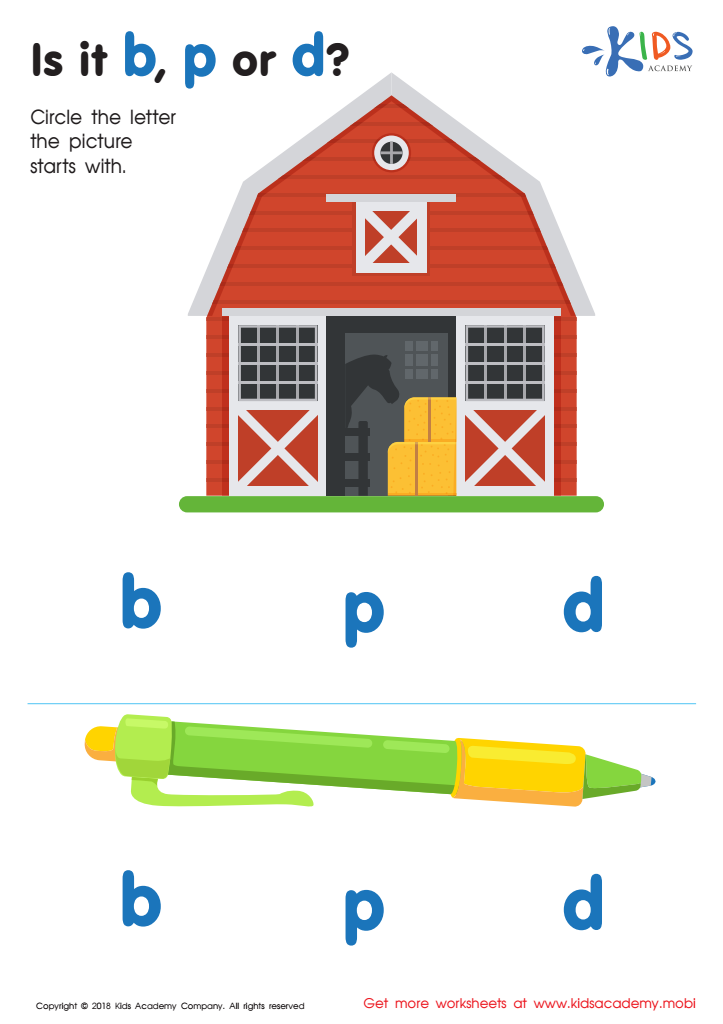
Is it b, p or d? Worksheet
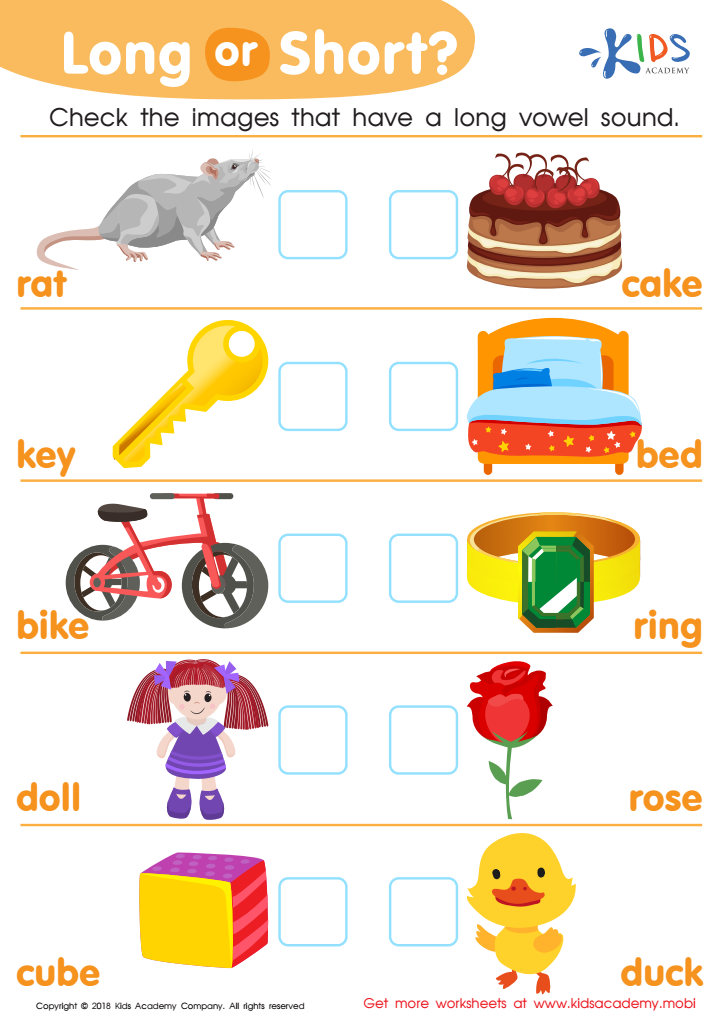
Long or Short Reading Worksheet
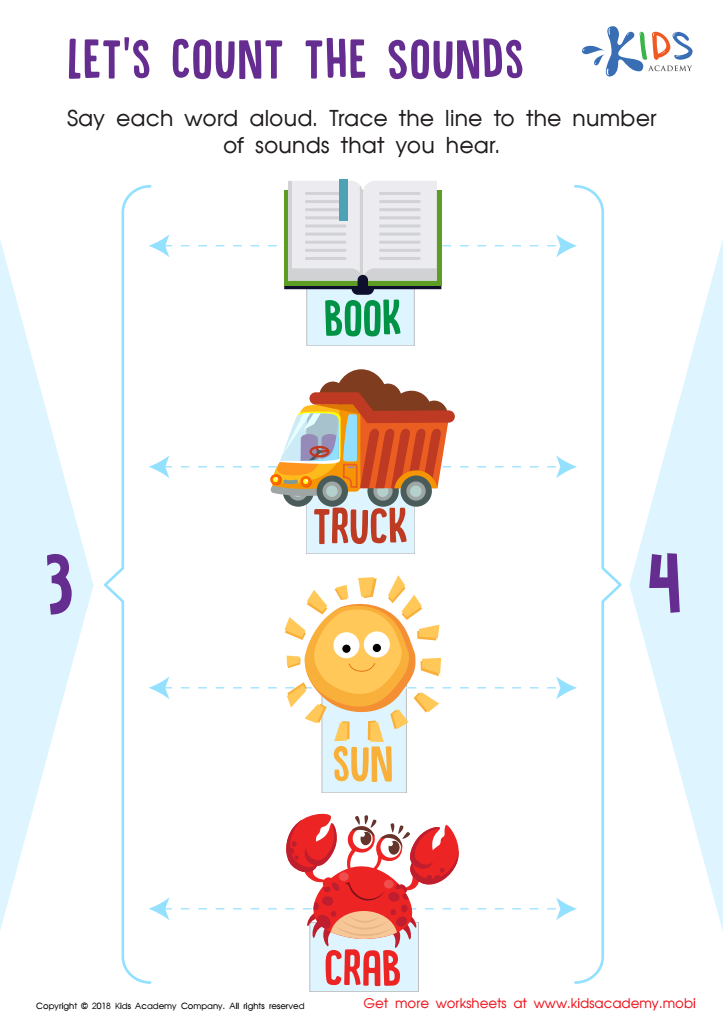
Let's Count the Sounds Worksheet
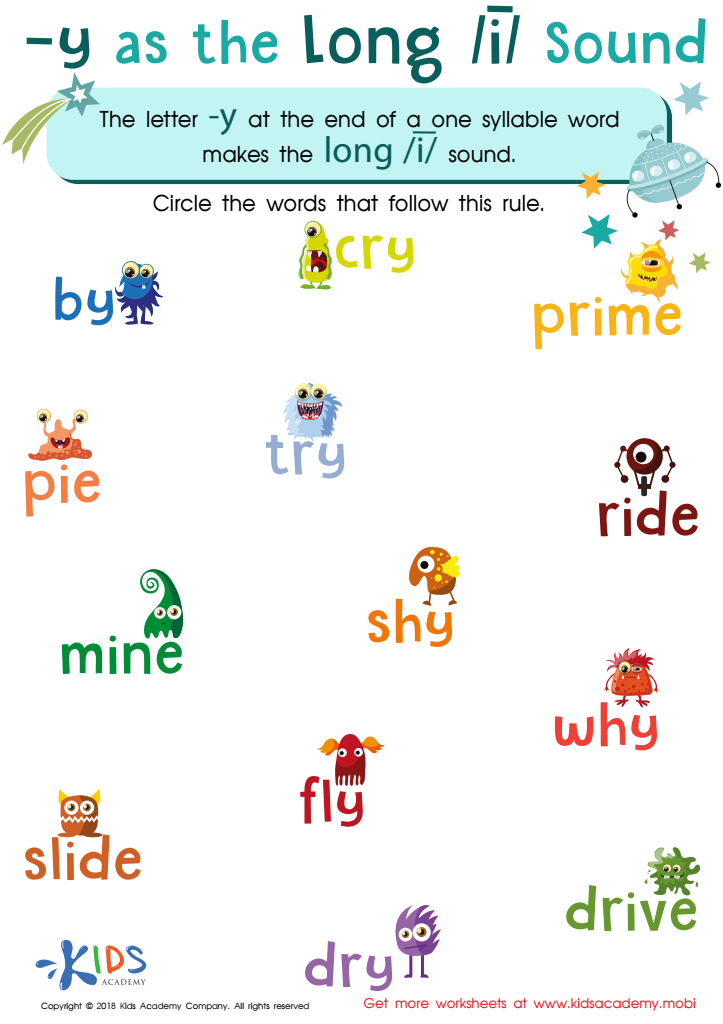
Reading: Y as Long I Worksheet
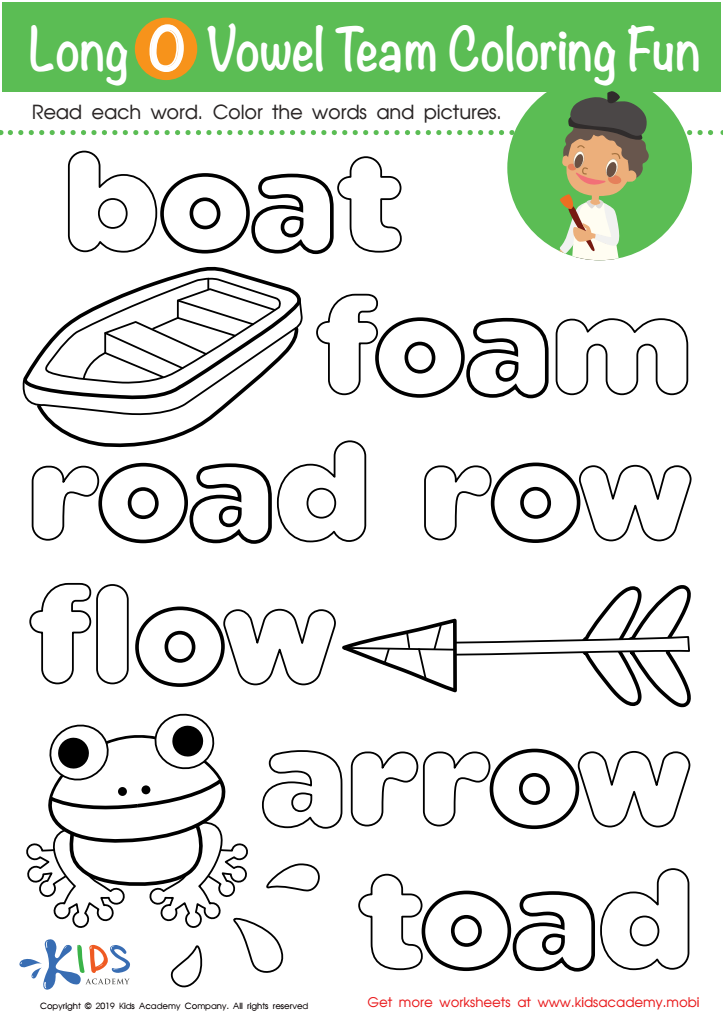
Long O Vowel Team Coloring Worksheet
 Assign to My Students








Parents and teachers should care deeply about reading development and phonics for children aged 5-8 because these foundational skills are crucial for their overall academic success and lifelong learning. Phonics instruction helps children understand the relationship between letters and sounds, which is essential for decoding words. This knowledge enables young readers to recognize familiar words quickly and sound out new ones confidently, boosting their reading fluency.
At this critical age, the brain is highly receptive to learning new skills, and establishing strong reading habits now sets the stage for future educational achievement. Reading proficiency is closely linked to success in other subjects, including math, science, and social studies, as it enhances comprehension and critical thinking skills.
Furthermore, early literacy skills promote a love for reading, which can lead to a lifelong passion for learning. Children who enjoy reading are more likely to explore new topics, expand their vocabulary, and develop better verbal and written communication skills.
Lastly, early reading success fosters confidence and motivation. Children who struggle with reading can become discouraged and frustrated, potentially leading to disengagement from school. By prioritizing phonics and reading development, parents and teachers can empower children, giving them the tools they need to succeed both inside and outside the classroom.







