Alphabet Recognition Tracing Letters Worksheets for Ages 5-8 - Page 2
28 filtered results
-
From - To

Uppercase Letters Y Z Worksheet
 Assign to My Students
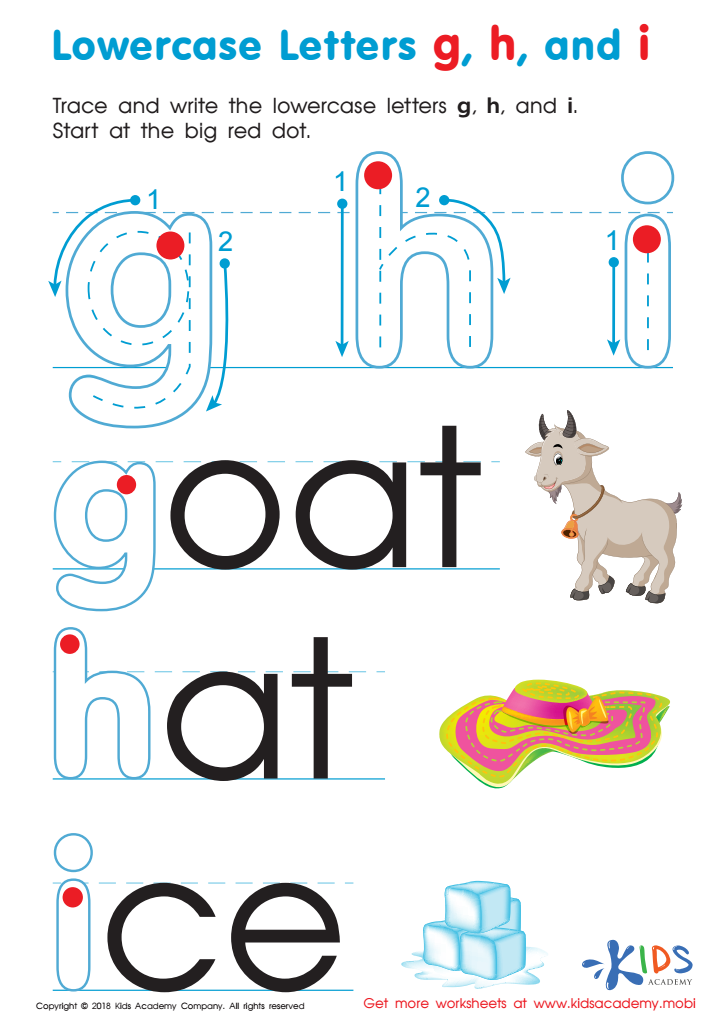
Lowercase Letters g h i Worksheet
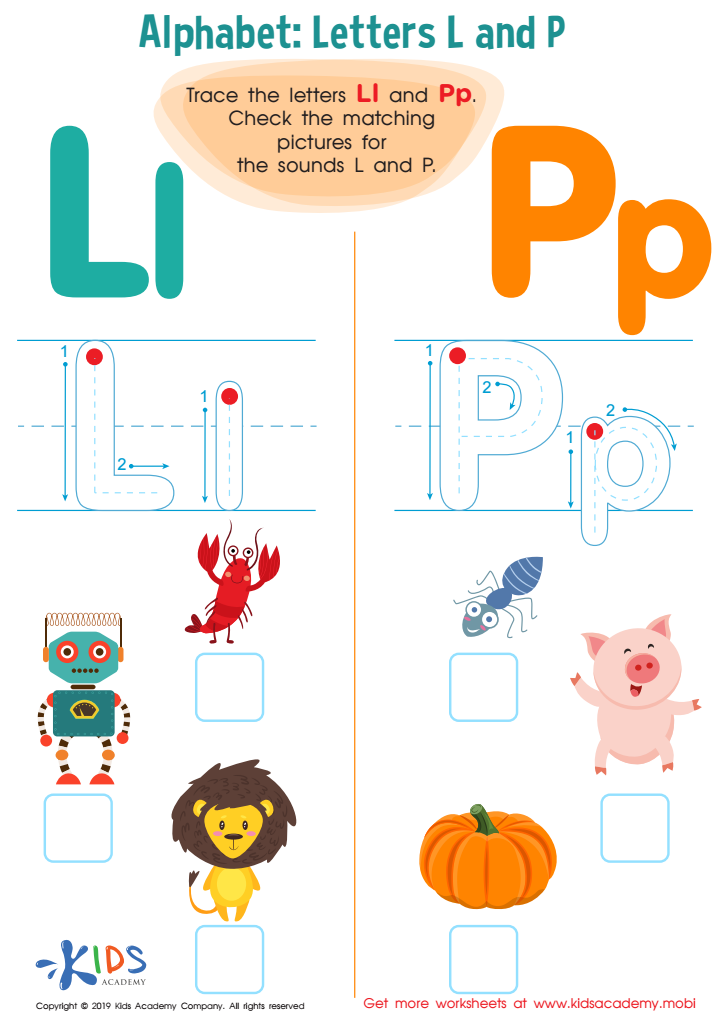
Letter L and P Tracing Worksheet
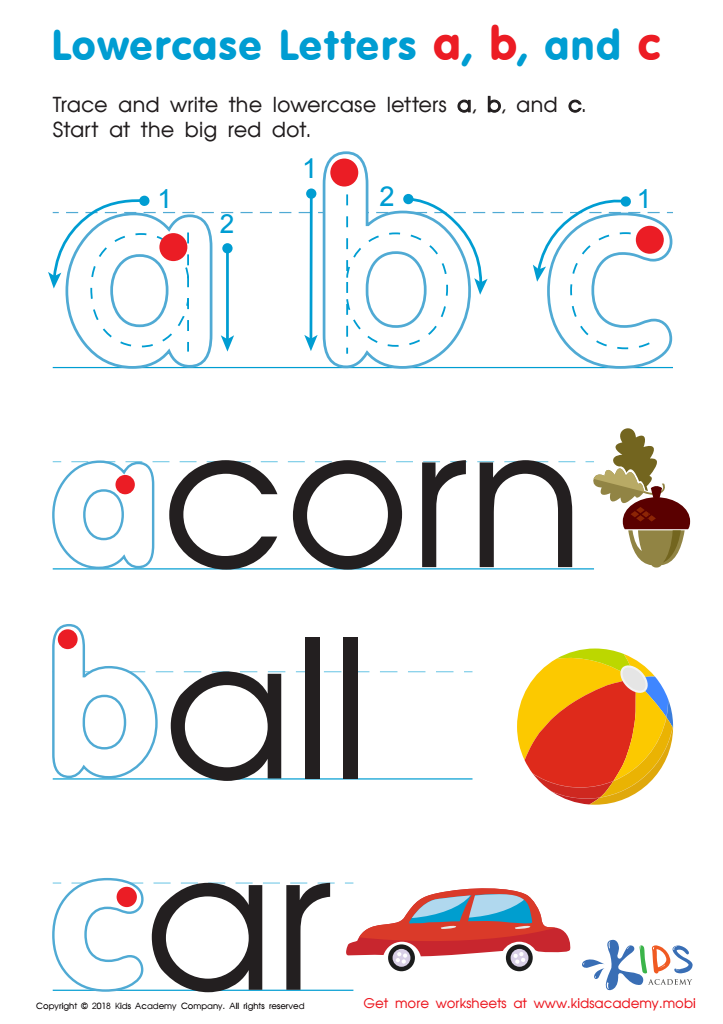
Lowercase Letters a b c Worksheet







Alphabet recognition and tracing letters are critical foundational skills for children aged 5-8, and parents or teachers should prioritize their development for several reasons. At this developmental stage, children are typically beginning their journey into formal education, and mastering the alphabet lays the groundwork for successful reading and writing.
Firstly, alphabet recognition helps children identify letters by sight, which is a fundamental step in learning to read. Being able to distinguish between different letters enables children to decode words and understand text. This skill directly influences their ability to comprehend stories, follow instructions, and engage with educational materials.
Secondly, tracing letters reinforces fine motor skills and hand-eye coordination, which are essential for writing. As children trace letters, they learn the correct letter formations, which in turn improves their handwriting. This practice helps in developing muscle memory and prepares them for written assignments in more advanced grades.
Additionally, early proficiency in these skills can boost a child's confidence and interest in literacy-related activities. When children feel competent in their abilities, they are more likely to enjoy reading and writing, fostering a lifelong love for learning.
In summary, caring about alphabet recognition and tracing letters for children aged 5-8 is vital because it equips them with essential literacy skills, supports motor development, and enhances their overall academic confidence and enthusiasm.








