Lowercase identification Upper & Lowercase Letters Worksheets for Ages 5-8
5 filtered results
-
From - To
Enhance your child's learning experience with our engaging "Lowercase Identification" Upper & Lowercase Letters Worksheets tailored for ages 5-8. These printable worksheets from Kids Academy offer a fun and interactive way for young learners to identify and differentiate between uppercase and lowercase letters. By incorporating vibrant visuals and age-appropriate activities, these worksheets not only reinforce letter recognition but also boost early reading skills. Perfect for both classroom and at-home learning, our resources are designed to build a strong literacy foundation, ensuring your child is set up for success in their educational journey. Download now and make learning fun!
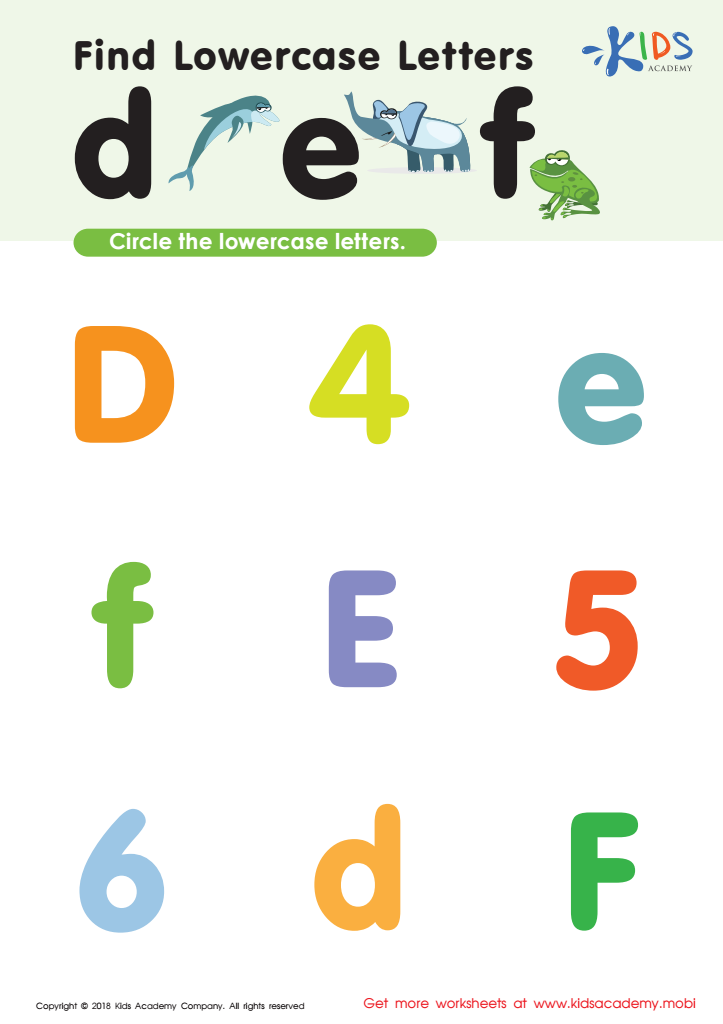
Find Lowercase Letters d e f Worksheet
 Assign to My Students
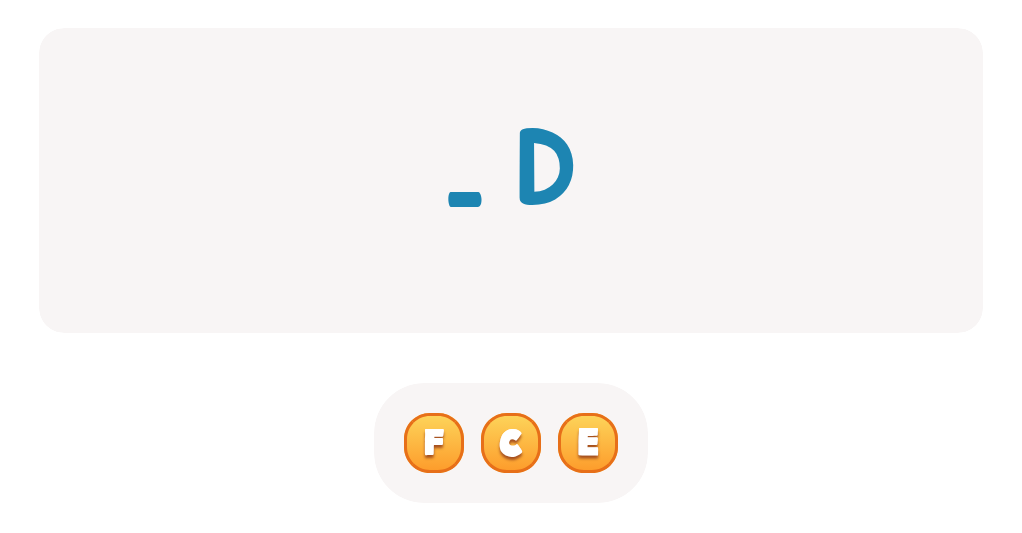

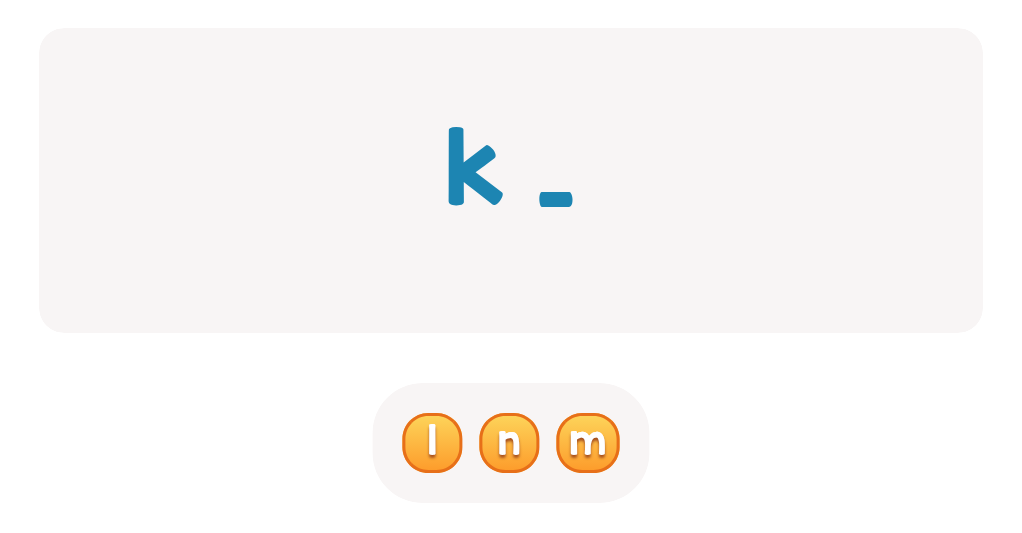
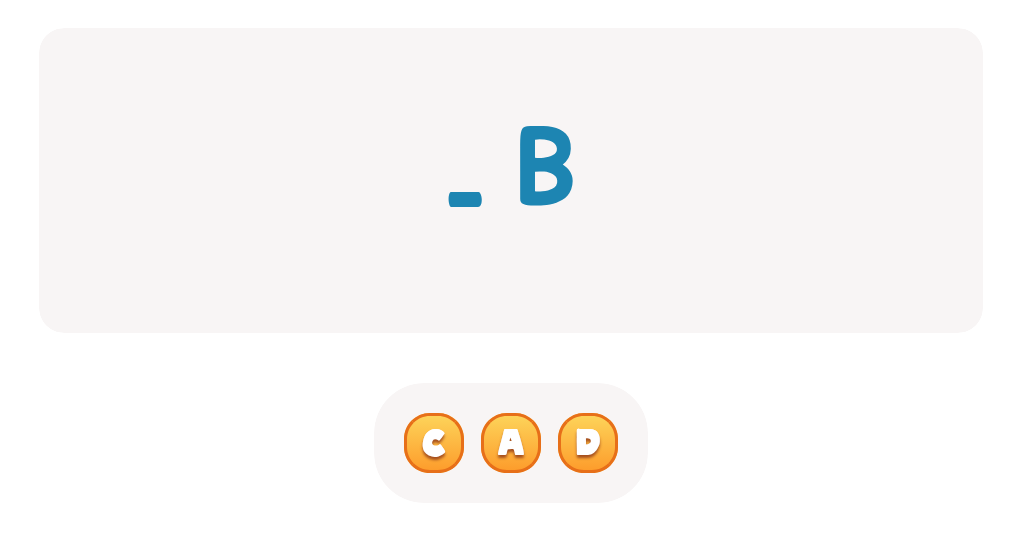

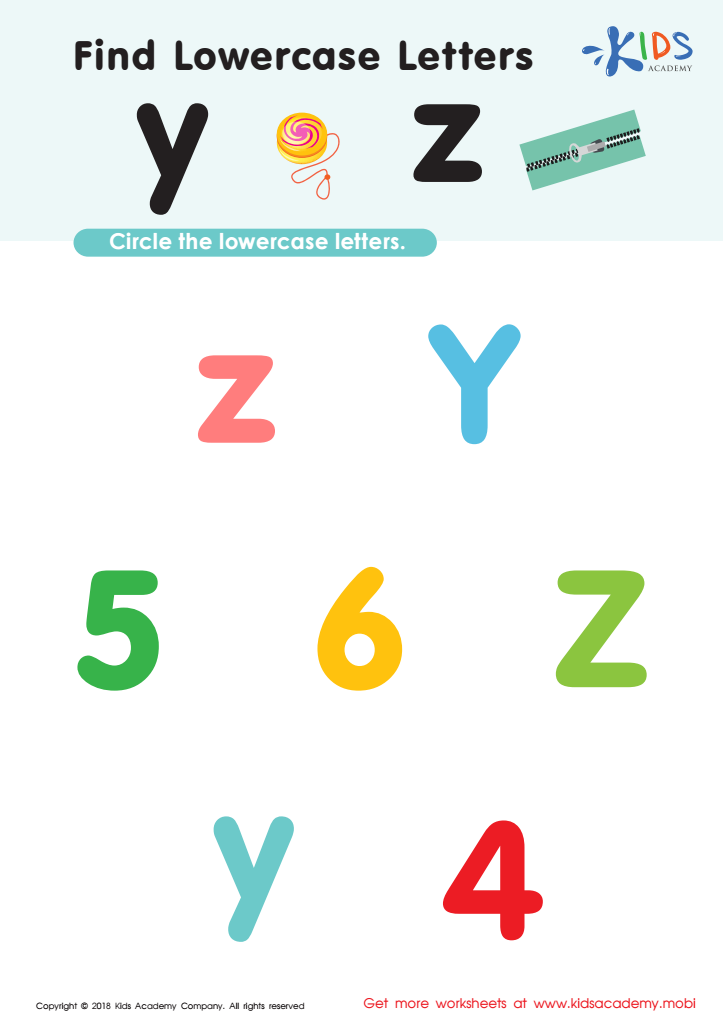
Find Lowercase Letters y z Worksheet

Find lowercase letters a b c Worksheet
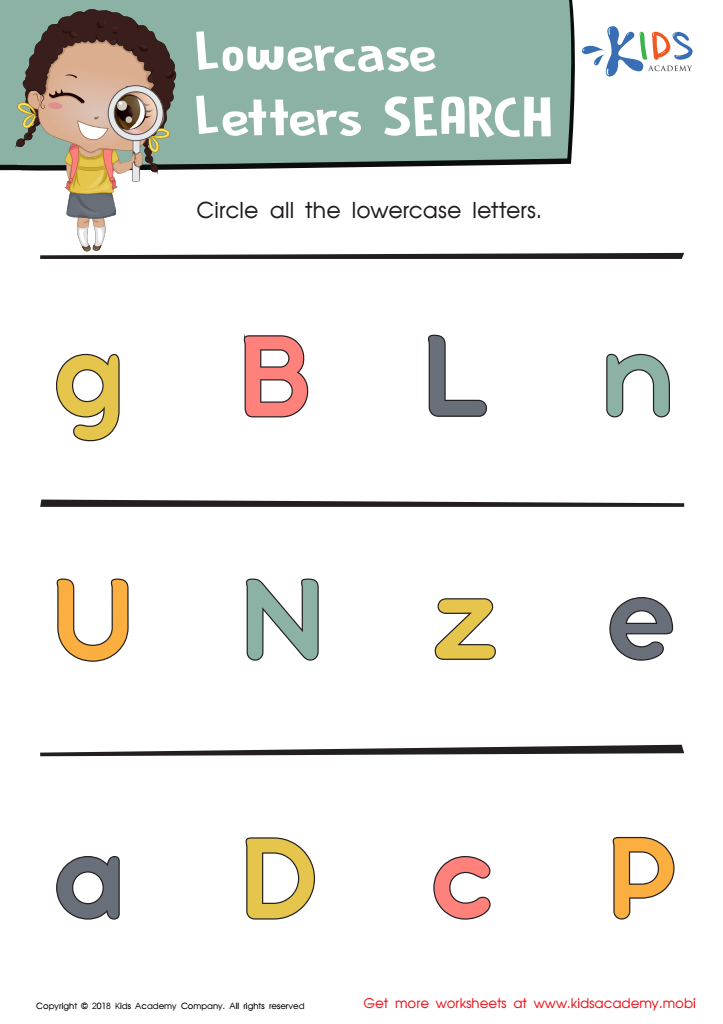
Lowercase Letters Search: Assessment Worksheet
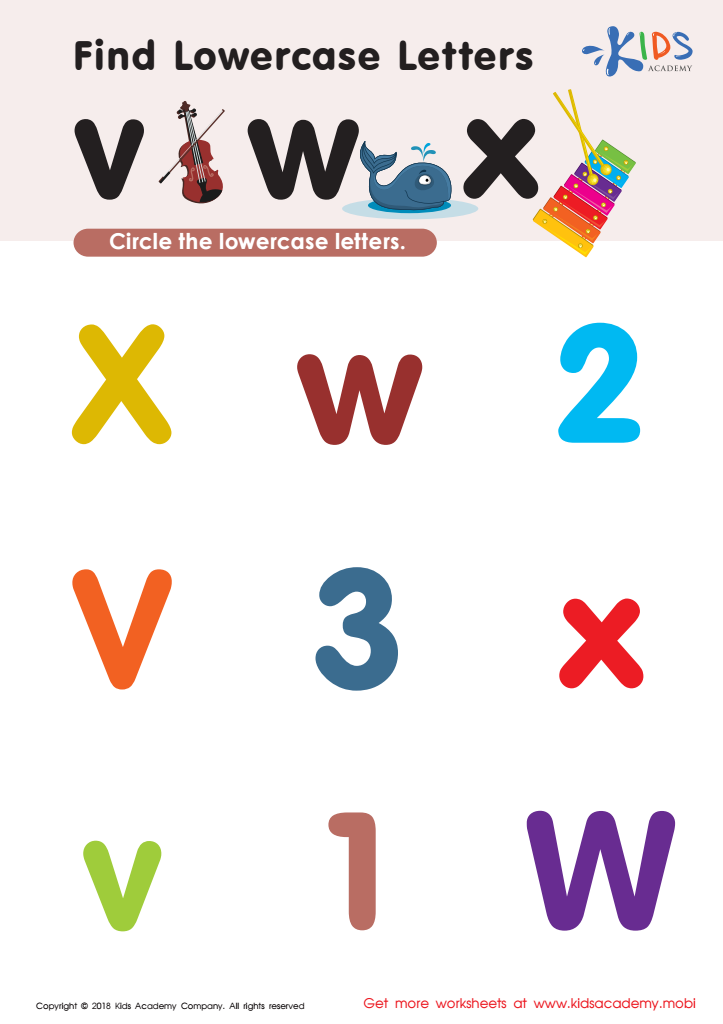
Find Lowercase Letters v w x Worksheet






Understanding and identifying uppercase and lowercase letters form the foundation for early literacy skills in children aged 5-8. This age range is critical as children transition from recognizing simple shapes and symbols to decoding words and sentences. Proficiency in distinguishing between uppercase and lowercase letters enables smooth progress in reading and writing. When children can effortlessly identify and match these letters, they decode words more efficiently, which bolsters their reading confidence and fluency.
From a cognitive perspective, learning both cases aids in alphabet familiarity, an essential step toward literacy. Lowercase letters, more frequently used in written texts, need extra emphasis for young learners primarily exposed to uppercase in earlier learning stages. This direct recognition enhances phonemic awareness, critical for advanced phonics skills and word recognition.
Parents and teachers play a quintessential role in cultivating these skills. They can provide supportive and engaging environments that include varied, hands-on activities like alphabet games, tracing exercises, and read-aloud sessions. Consistent reinforcement can help solidify letter-recognition and phonemic skills. Allowing children to master recognizing and using both uppercase and lowercase letters can ultimately set a strong foundation for lifelong literacy habits, academic confidence, and effective communication skills.







