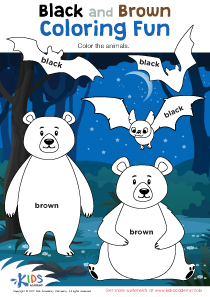
Alphabet Recognition English for Beginners Worksheets for Ages 5-8
32 filtered results
-
From - To
Enhance your child's literacy journey with our engaging "Alphabet Recognition Worksheets" designed specifically for beginners ages 5-8. These printable worksheets offer fun and interactive activities that introduce letters, helping young learners recognize, trace, and write both uppercase and lowercase letters. With colorful illustrations and varied exercises, each worksheet promotes essential skills in reading and writing, catering to visual and kinesthetic learners. Perfect for homeschooling or classroom settings, these resources support English as a second language, ensuring every child develops a solid foundation in the alphabet. Download our worksheets today to spark joy and confidence in your child’s early learning experience!
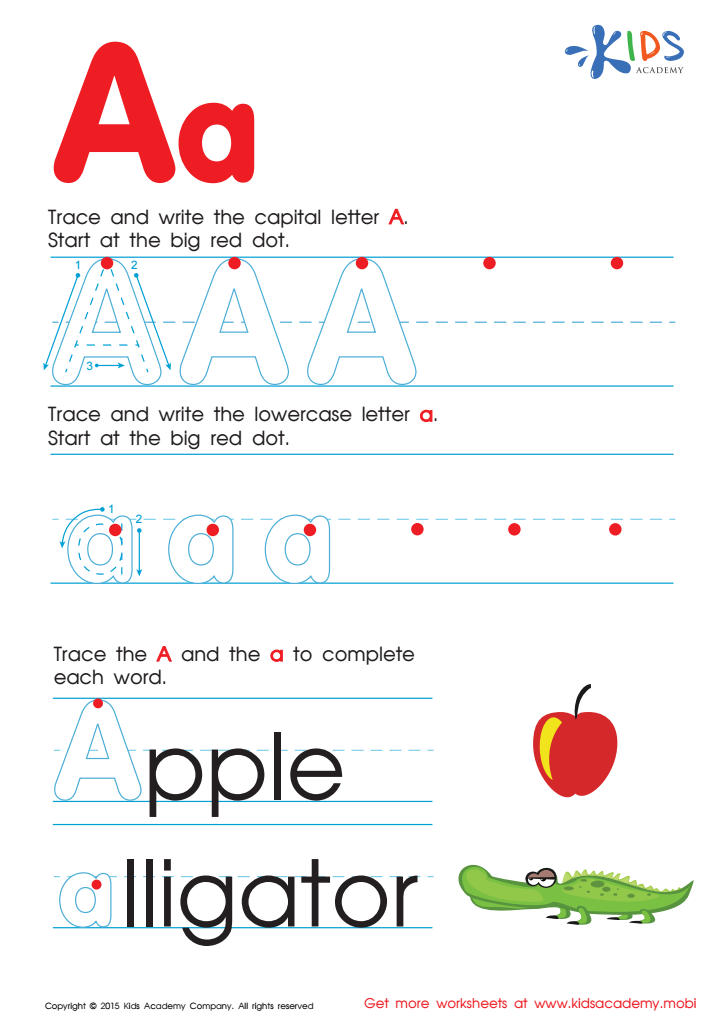
Letter A Tracing Page
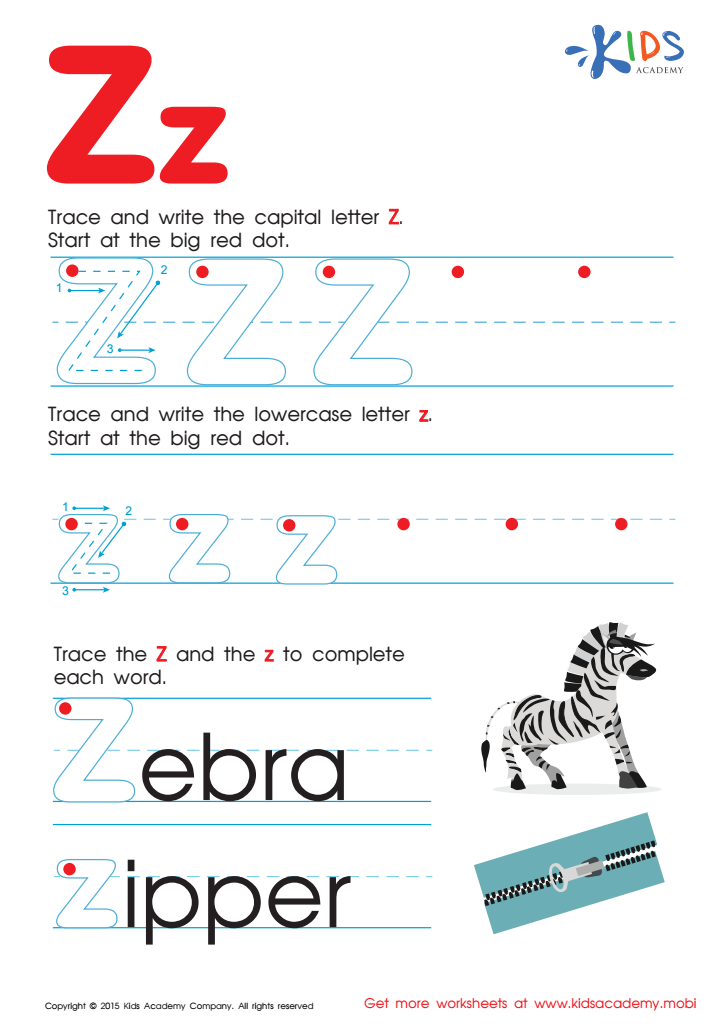
Letter Z Tracing Page
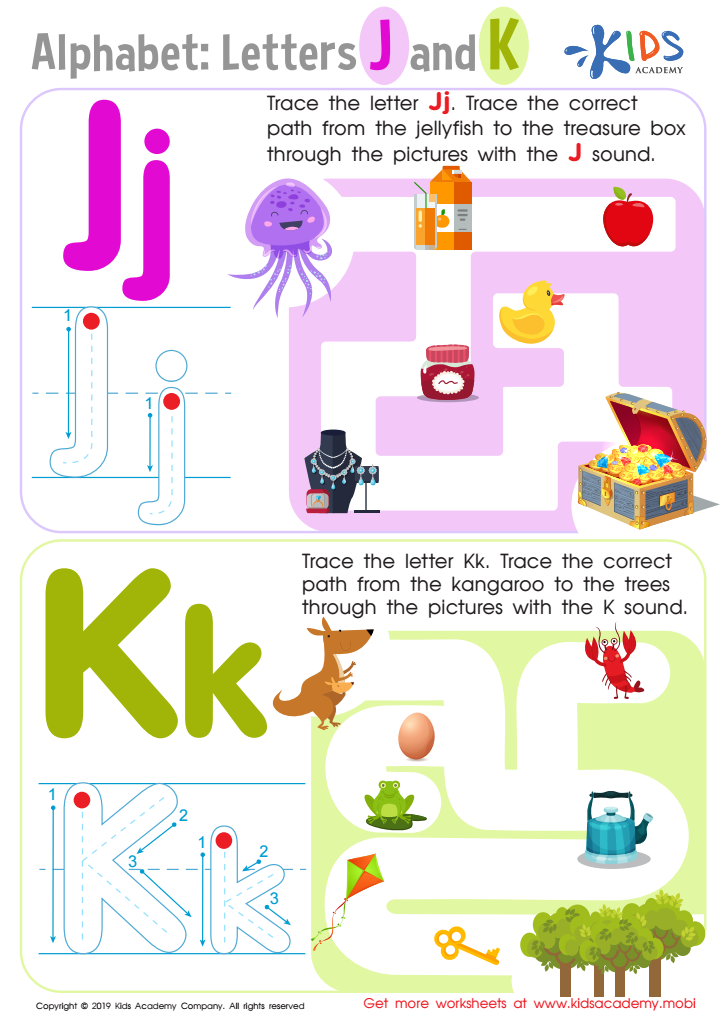
Letters J and K Tracing Worksheet
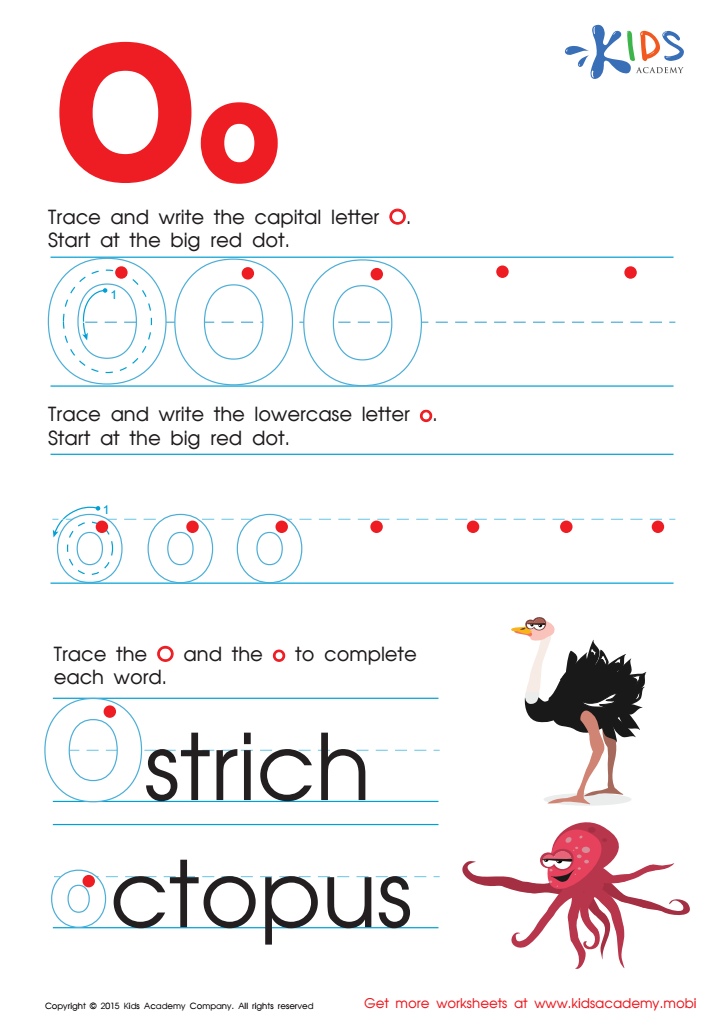
Letter O Tracing Page
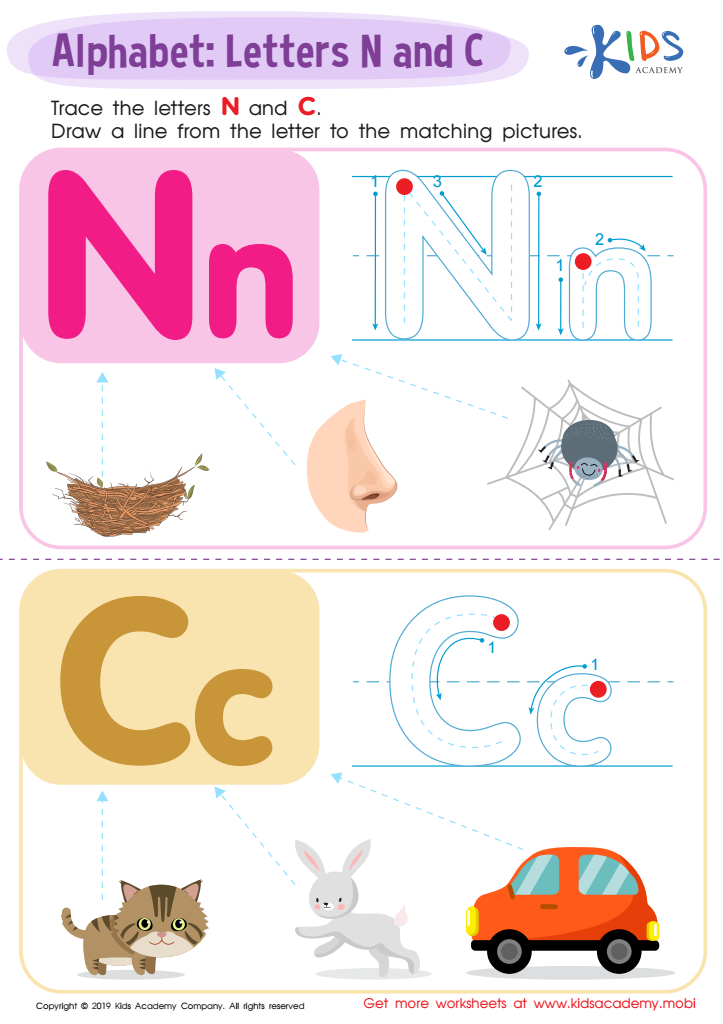
Letter N and C Tracing Worksheet
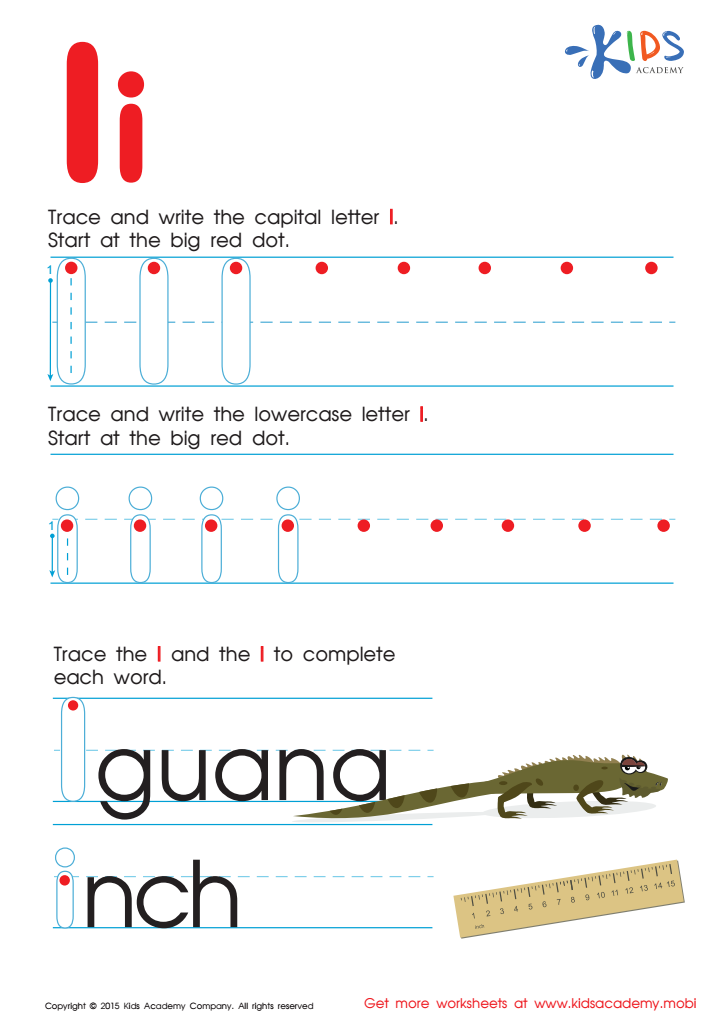
Letter I Tracing Page
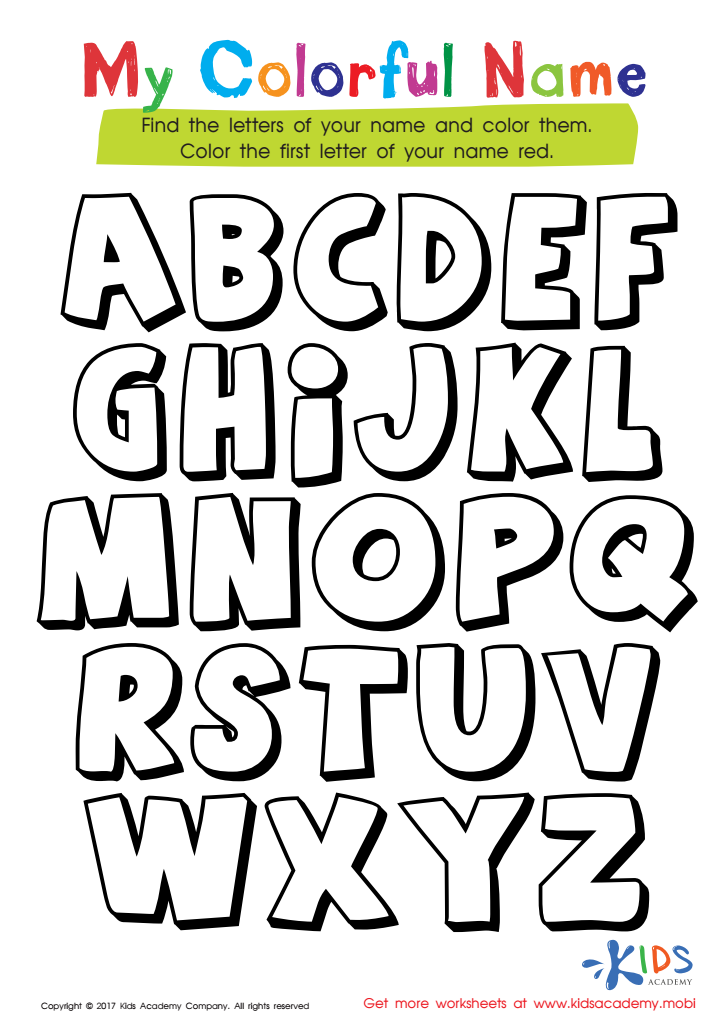
My Colorful Name Worksheet
 Assign to My Students
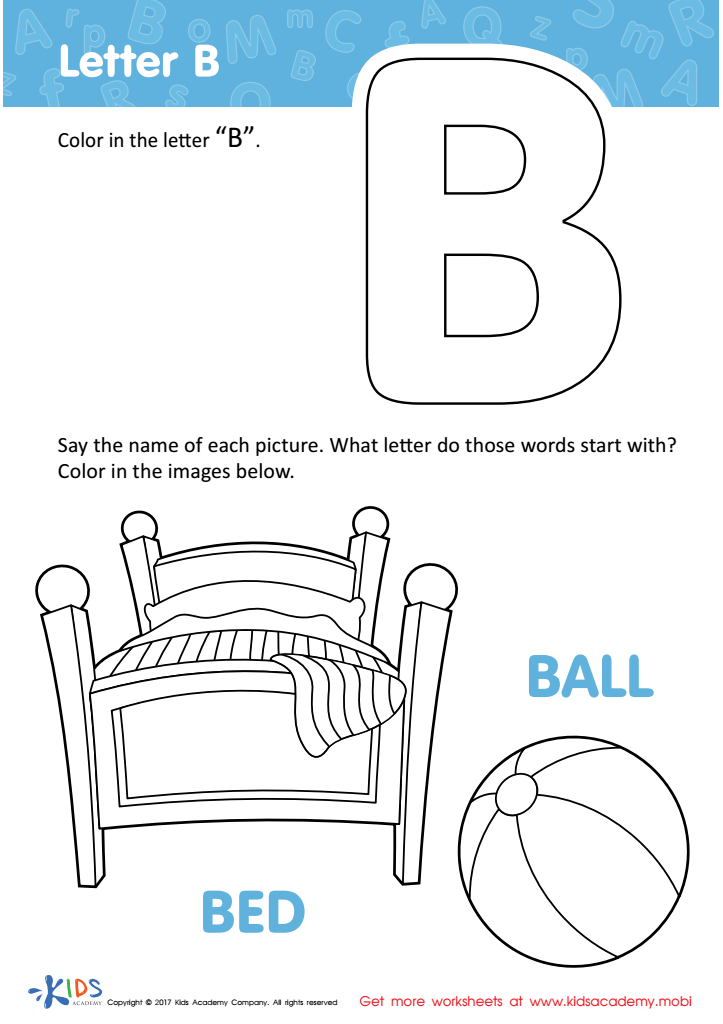
Letter B Coloring Sheet
Assign to My Students
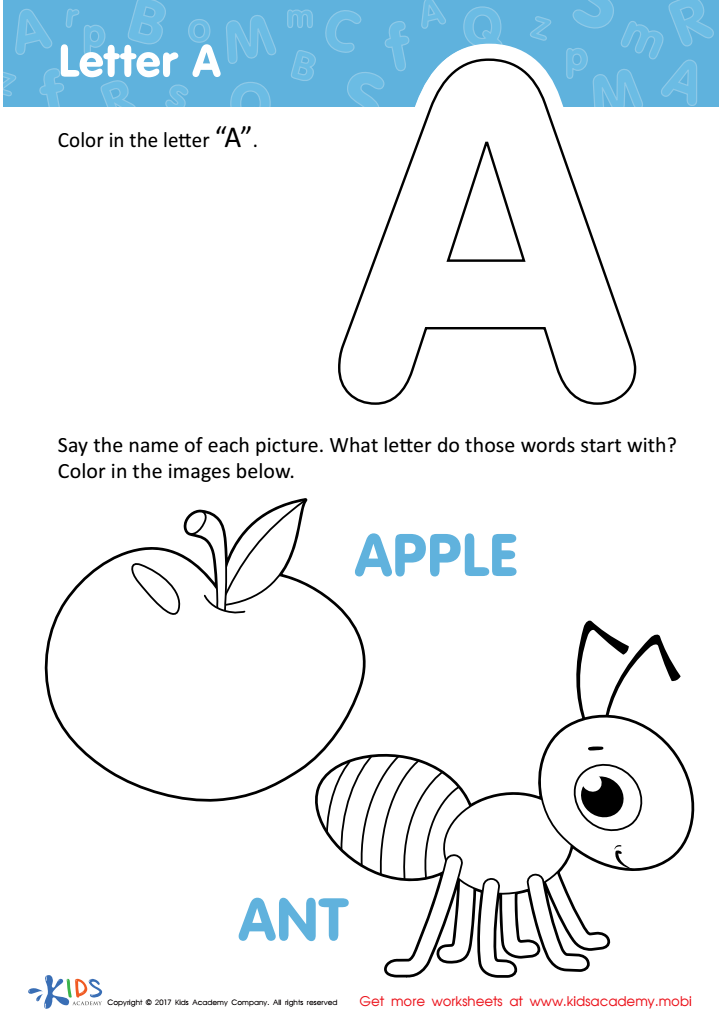
Letter A Coloring Sheet
Assign to My Students
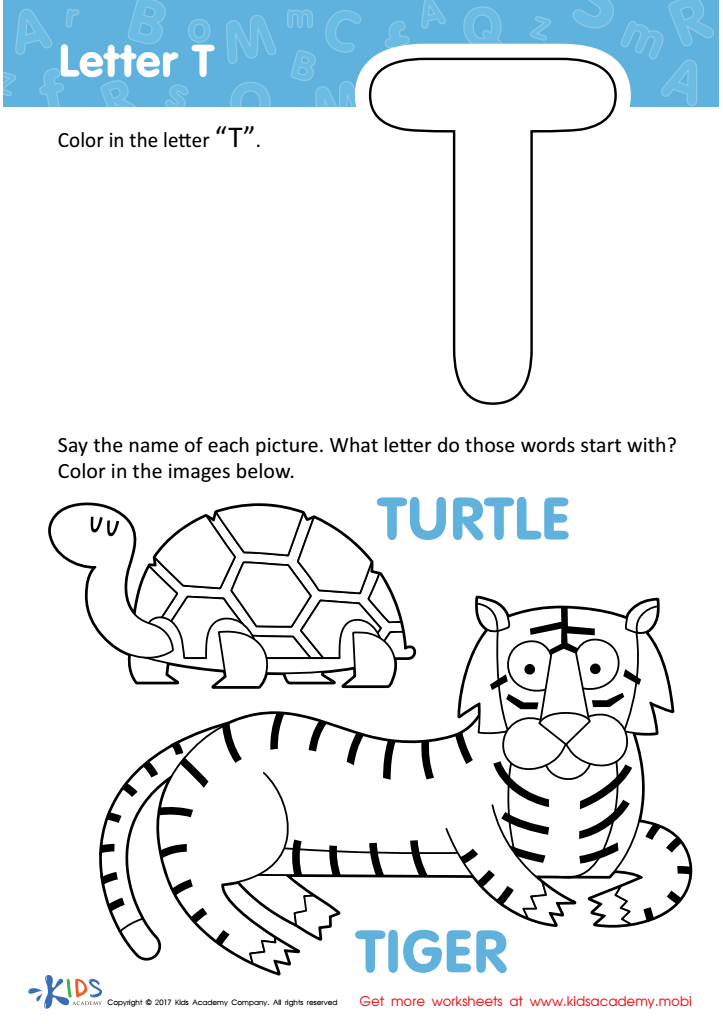
Letter T Coloring Sheet
Assign to My Students
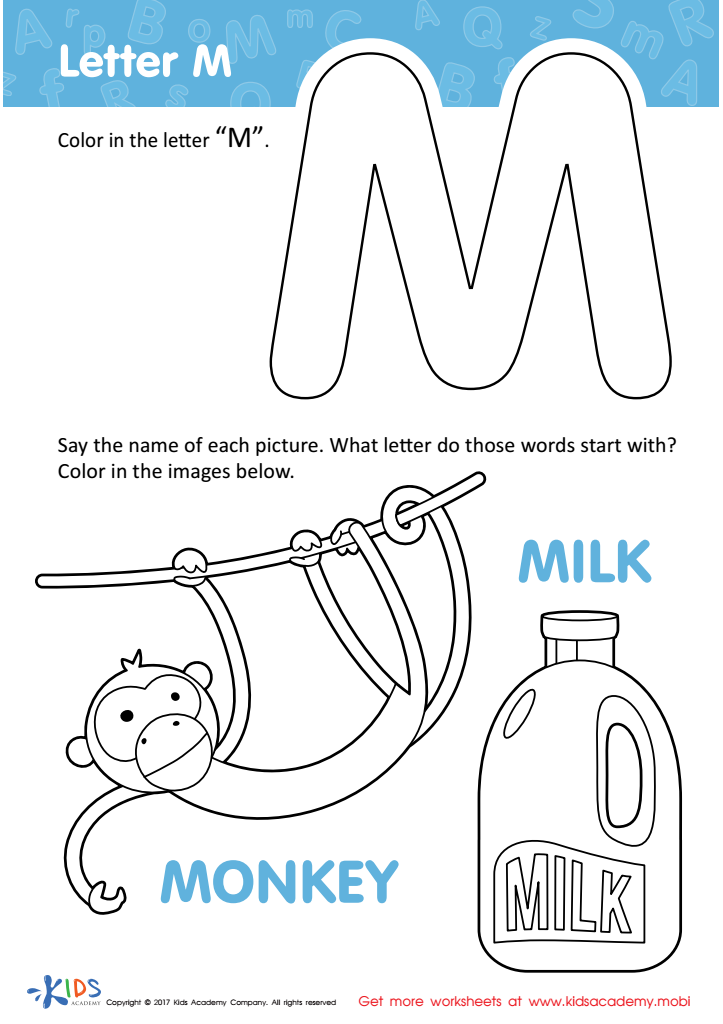
Letter M Coloring Sheet
Assign to My Students
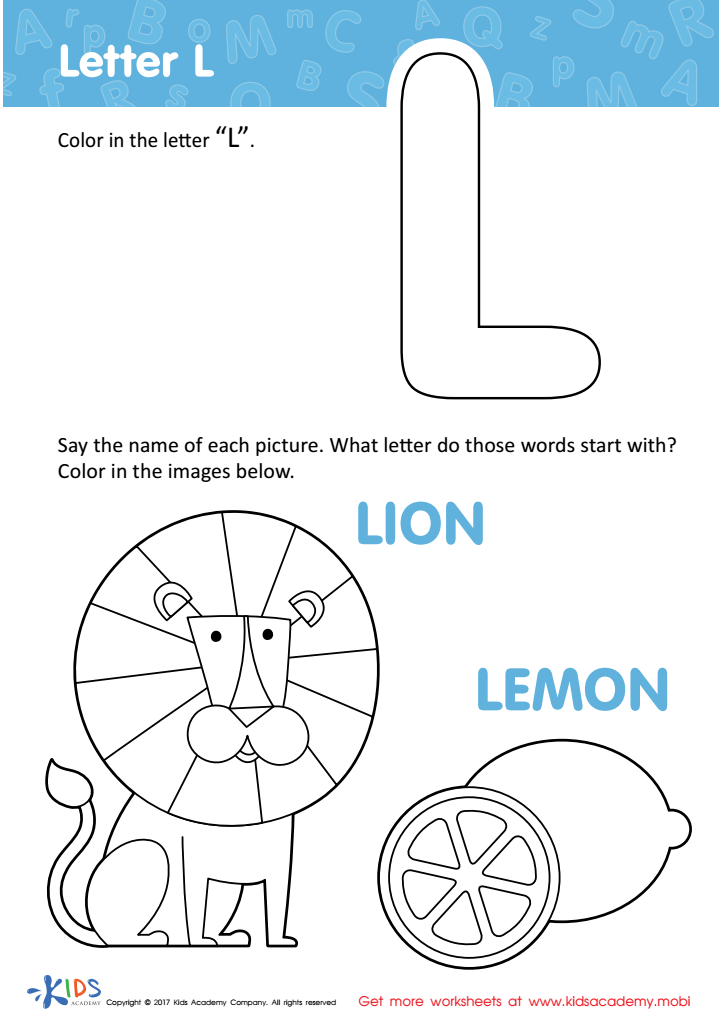
Letter L Coloring Sheet
Assign to My Students
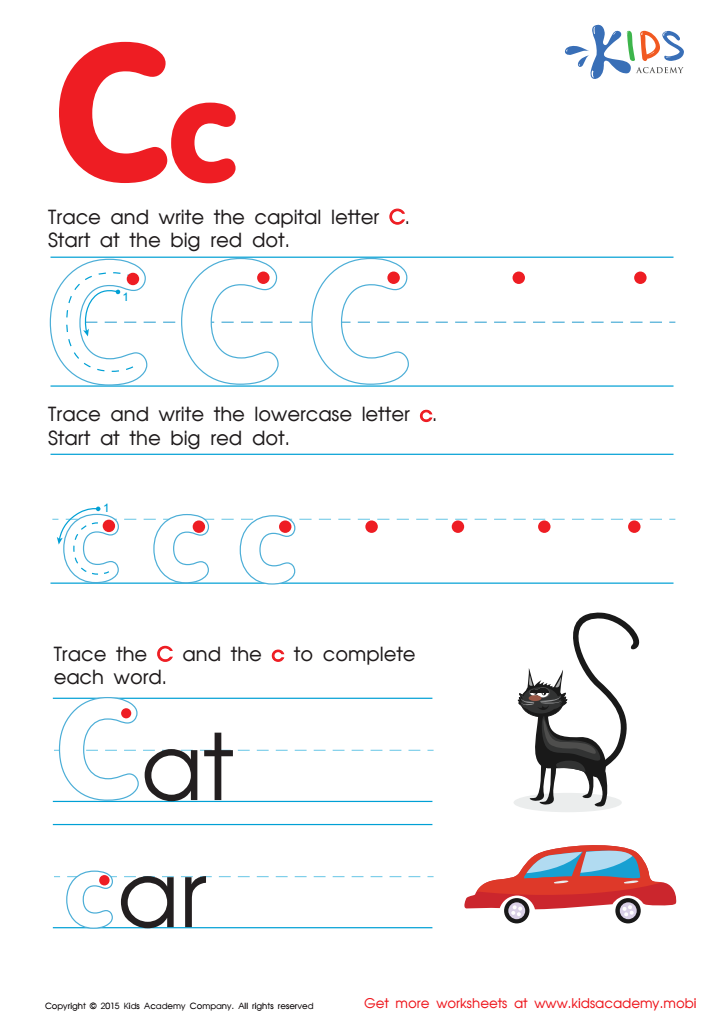
Letter C Tracing Page
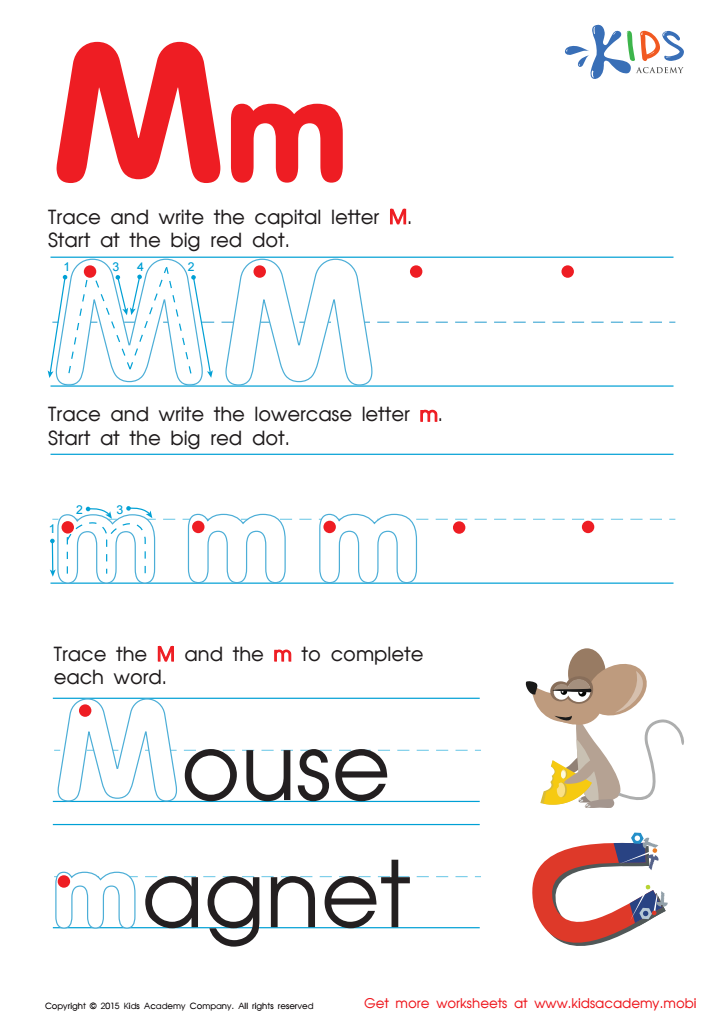
Letter M Tracing Page
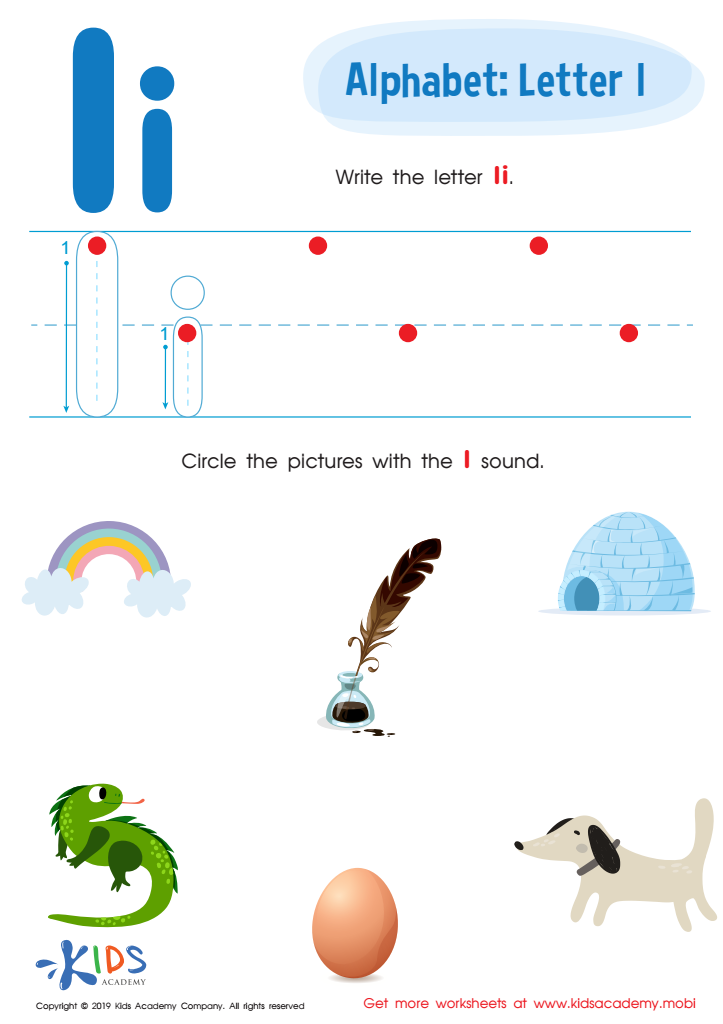
Letter I Tracing Worksheet
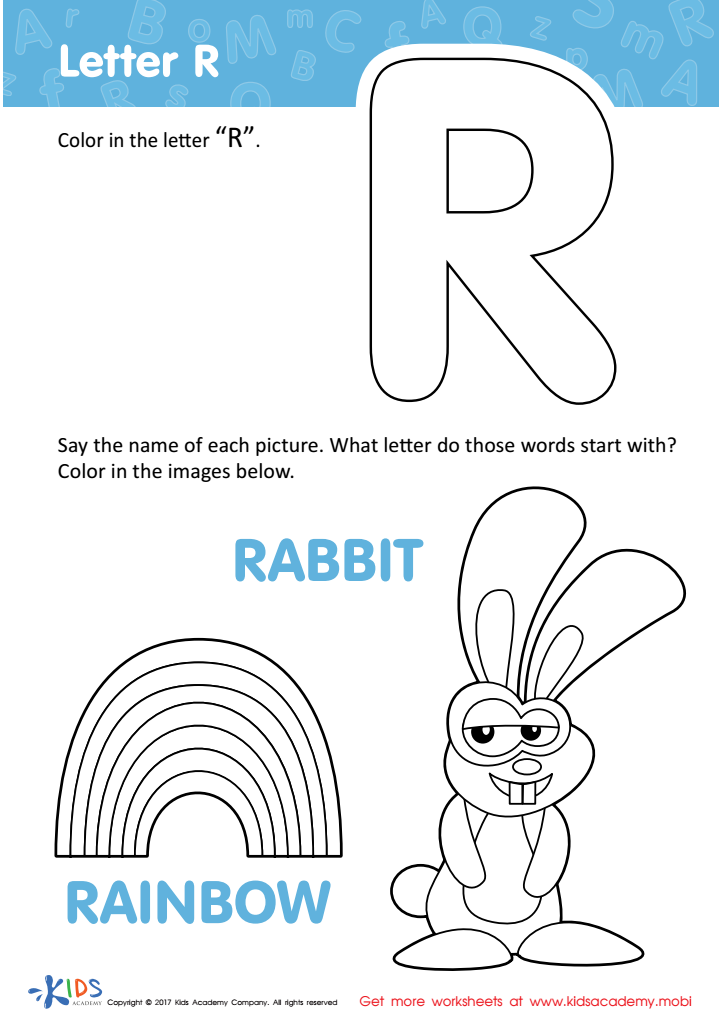
Letter R Coloring Sheet
Assign to My Students
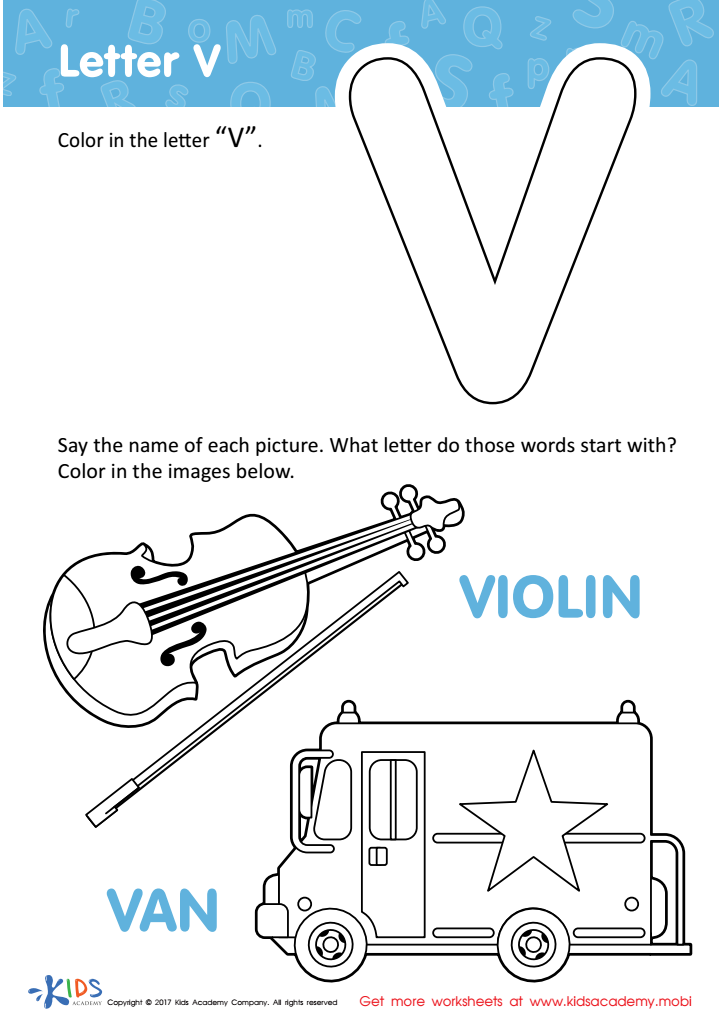
Letter V Coloring Sheet
Assign to My Students
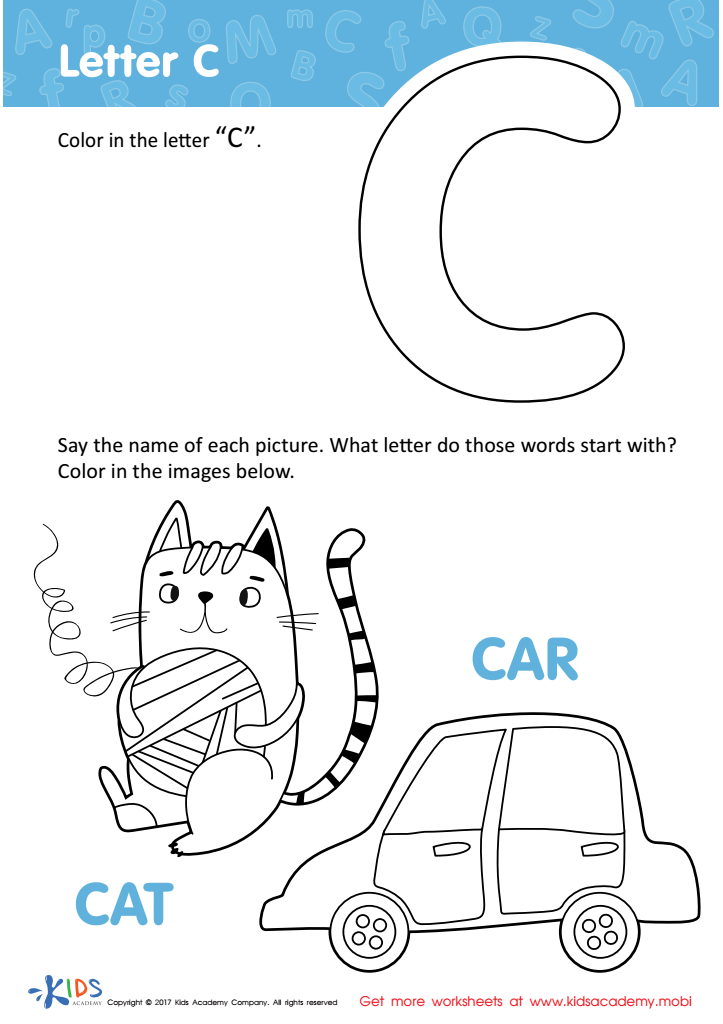
Letter C Coloring Sheet
Assign to My Students
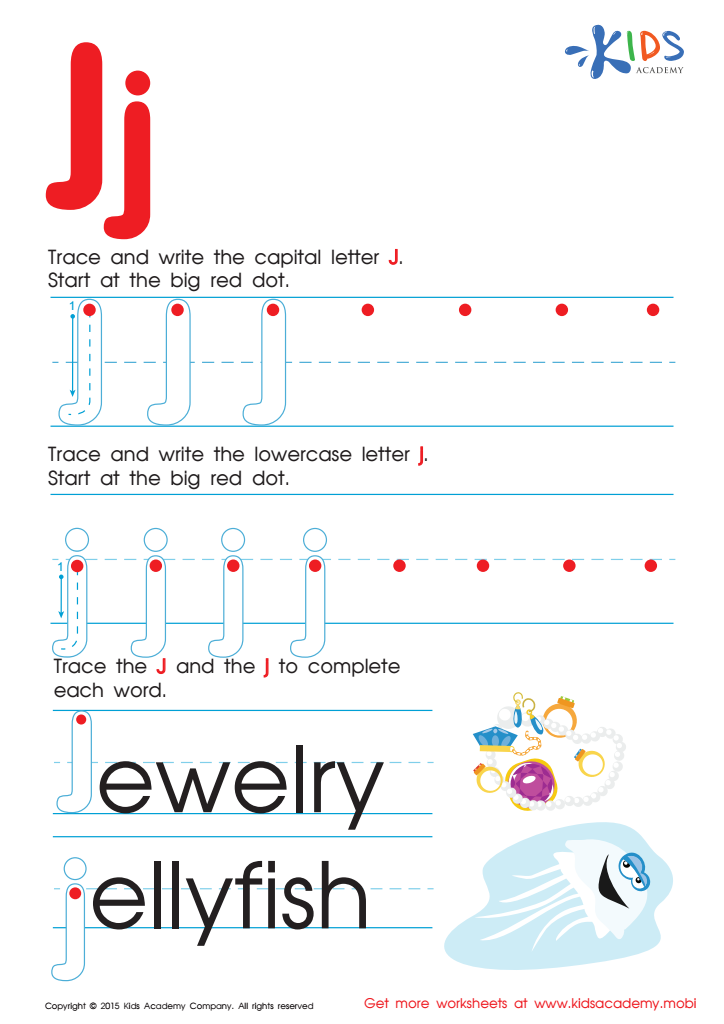
Letter J Tracing Page
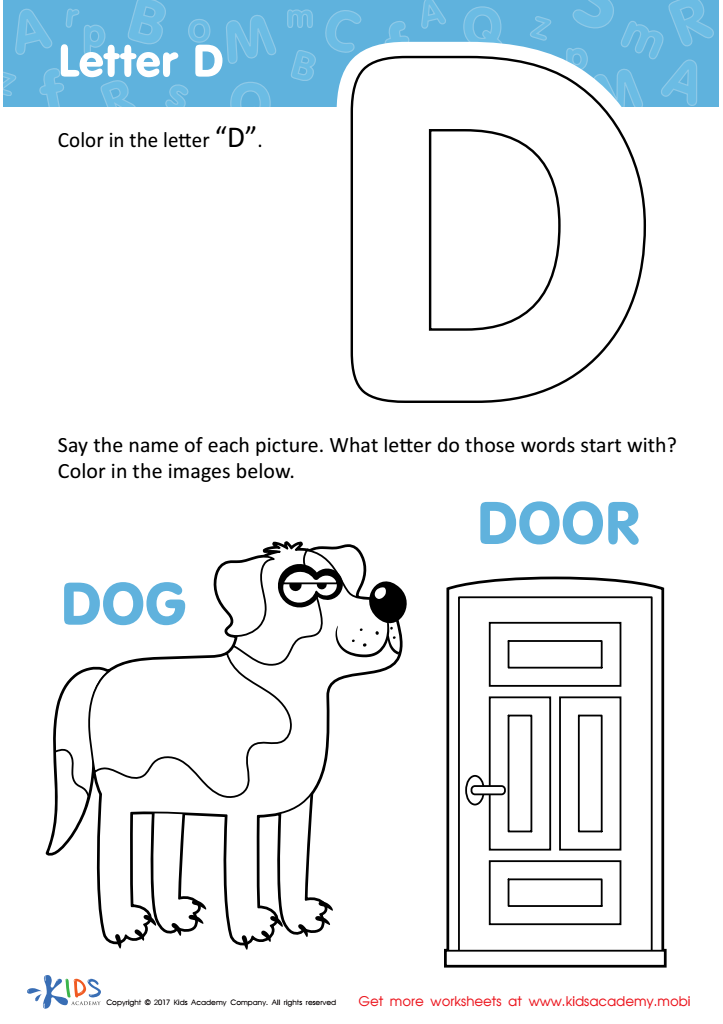
Letter D Coloring Sheet
Assign to My Students
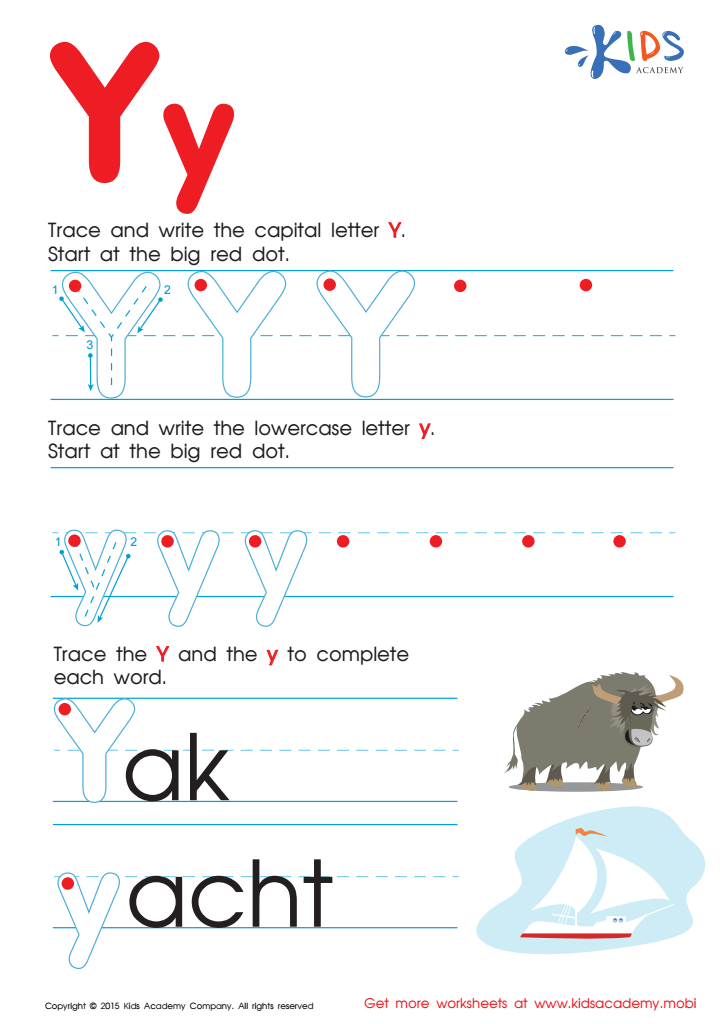
Letter Y Tracing Page
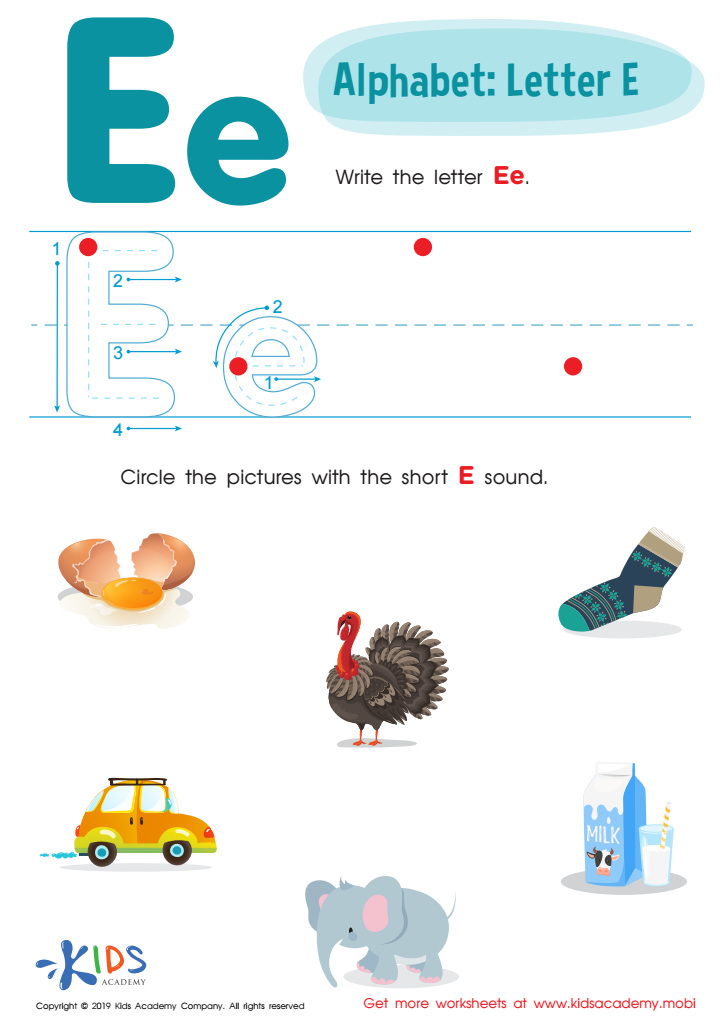
Letter E Tracing Worksheet
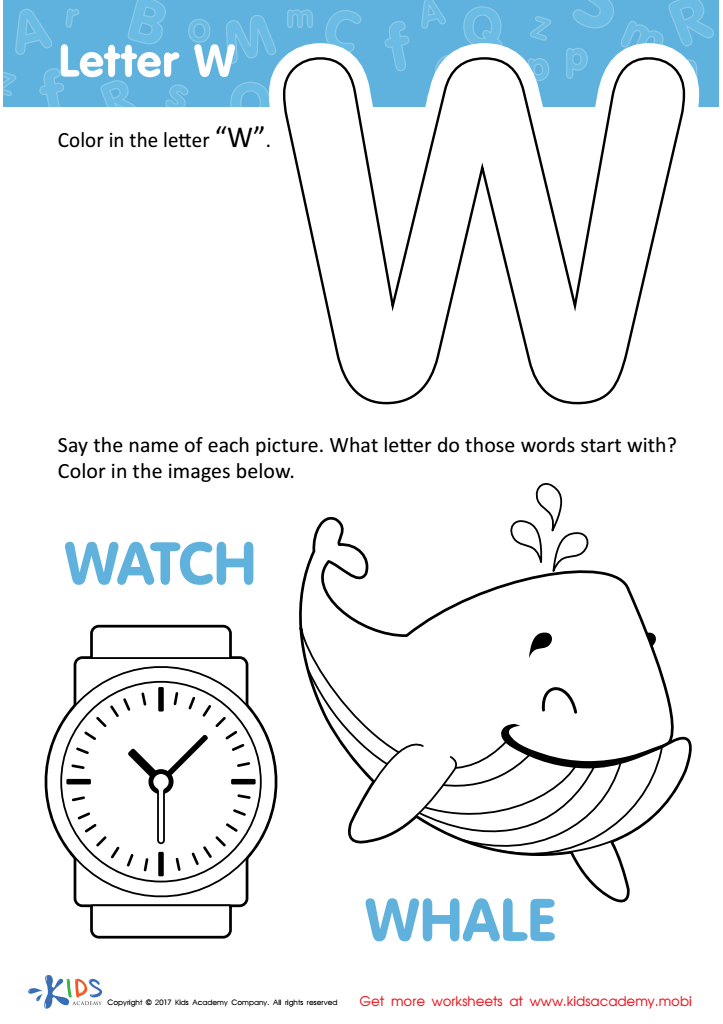
Letter W Coloring Sheet
Assign to My Students
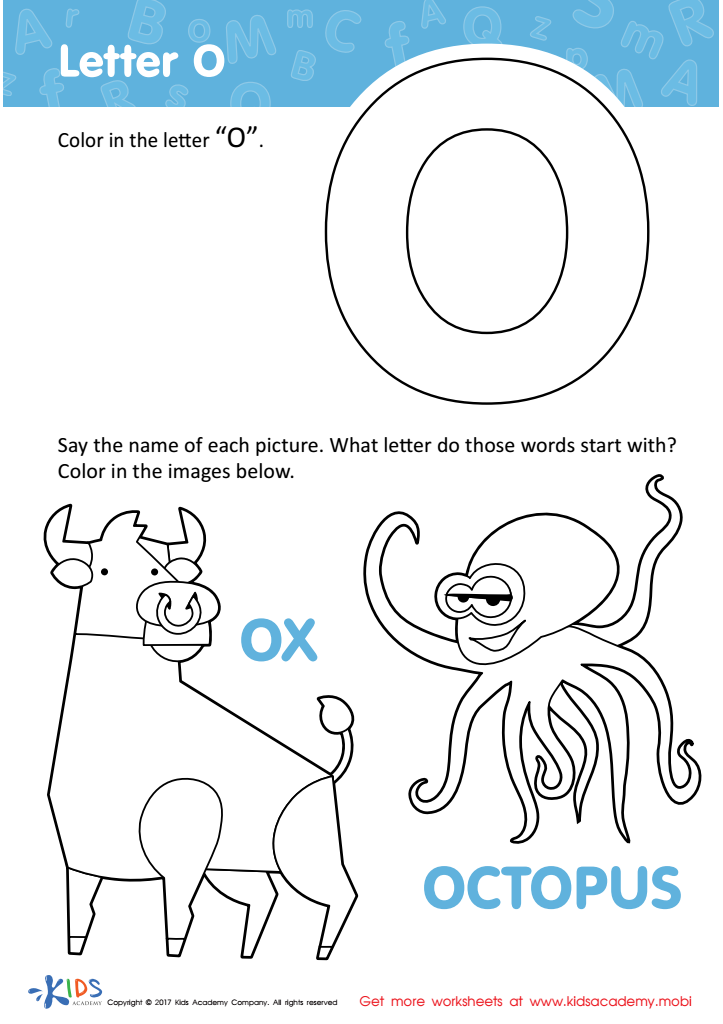
Letter O Coloring Sheet
Assign to My Students





Alphabet recognition is a vital foundational skill for children aged 5-8, laying the groundwork for their reading and writing abilities. Parents and teachers should prioritize this critical milestone for several reasons. First, recognizing letters is the first step in learning to read. It enables children to decode words, which fosters literacy and comprehension skills crucial for academic success.
Additionally, alphabet recognition assists with phonemic awareness, helping children associate sounds with letters, an essential aspect of language development. This skill boosts their confidence and enthusiasm in learning, making literacy experiences more enjoyable and engaging.
Furthermore, being able to recognize and produce letters aids in the development of fine motor skills as children practice writing them. It fosters creativity and expression in written form, encouraging children to communicate their thoughts and feelings effectively.
Moreover, early mastery of the alphabet promotes future learning, enabling children to tackle more complexreading and language challenges as they progress. By investing in alphabet recognition, parents and teachers collaboratively create a supportive learning environment that values educational growth, setting children on a path toward lifelong learning and achievement. Ultimately, fostering this skill is essential for children's overall success in school and beyond.