Answering questions Worksheets for Ages 5-8
6 filtered results
-
From - To
Discover engaging and educational "Answering Questions Worksheets" designed for children ages 5-8. These printable worksheets from Kids Academy inspire young learners to enhance their comprehension and analytical skills. Each worksheet provides a variety of fun activities and exercises that encourage kids to read, think, and respond thoughtfully to questions related to different topics. Perfect for parents, teachers, and homeschooling families, these age-appropriate resources make learning enjoyable and effective. Foster a strong foundation in critical thinking and open-ended questioning with our diverse selection of worksheets, crafted to support your child's academic growth and curiosity.
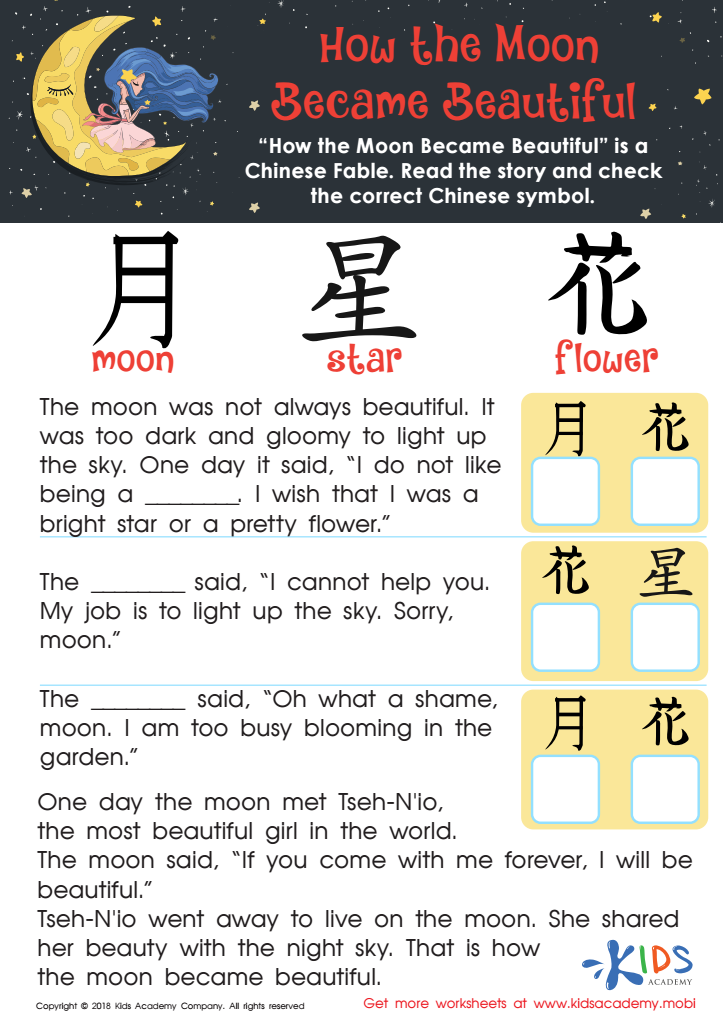
How the Moon Became Beautiful Worksheet
 Assign to My Students
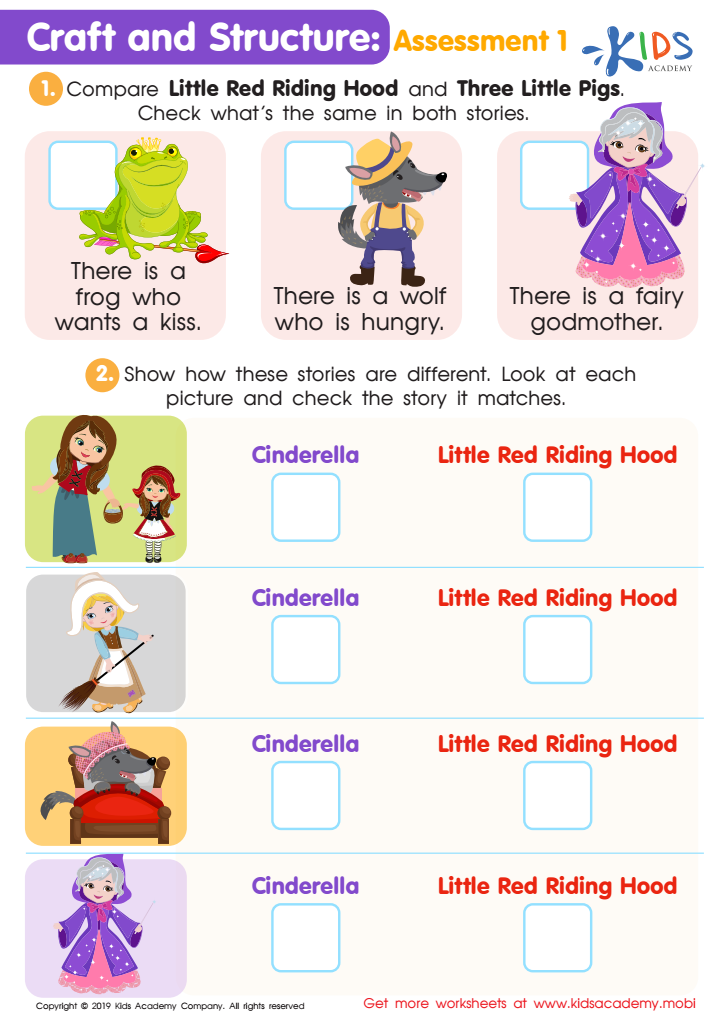
Craft and Structure: Assessment 1 Worksheet
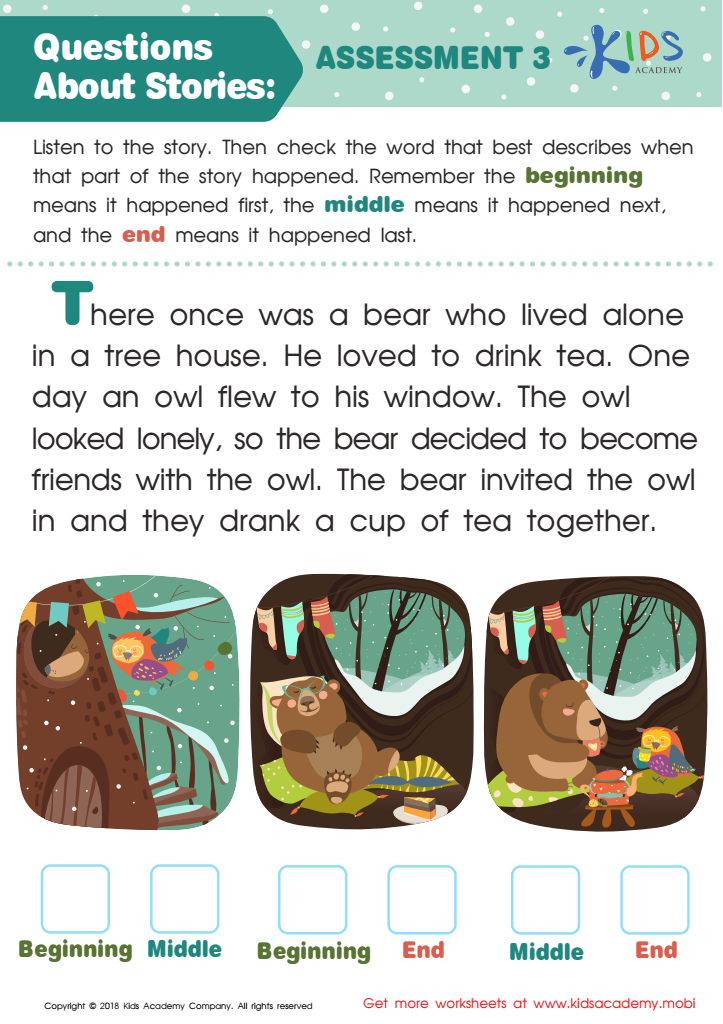
Questions About Stories: Assessment 3 Worksheet
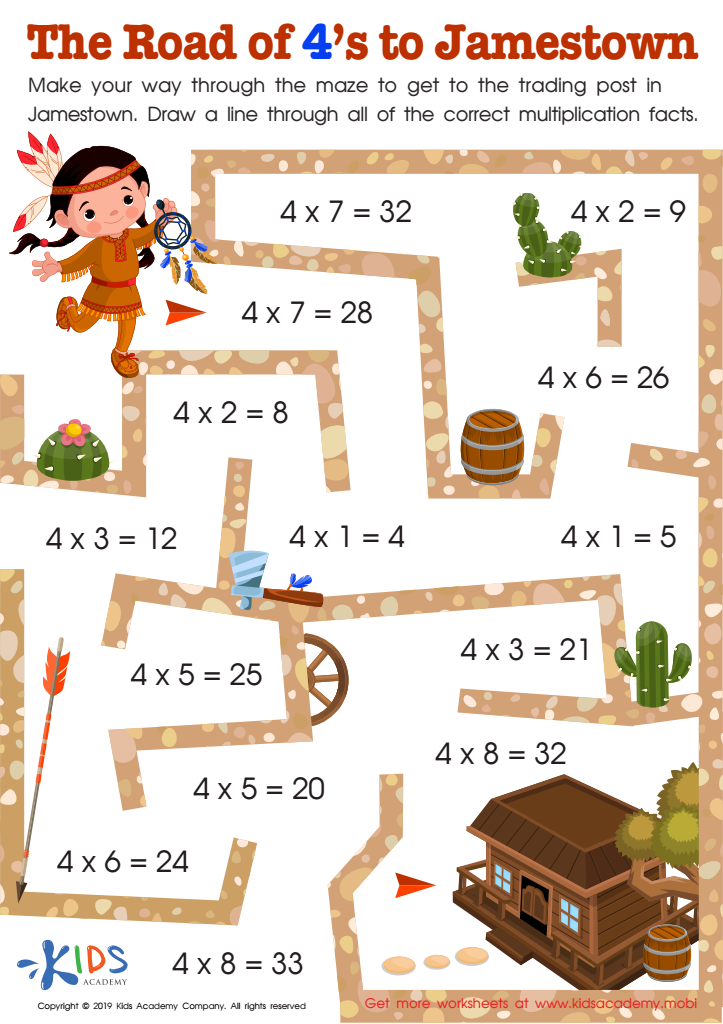
The Road of 4’s to Jamestown Worksheet
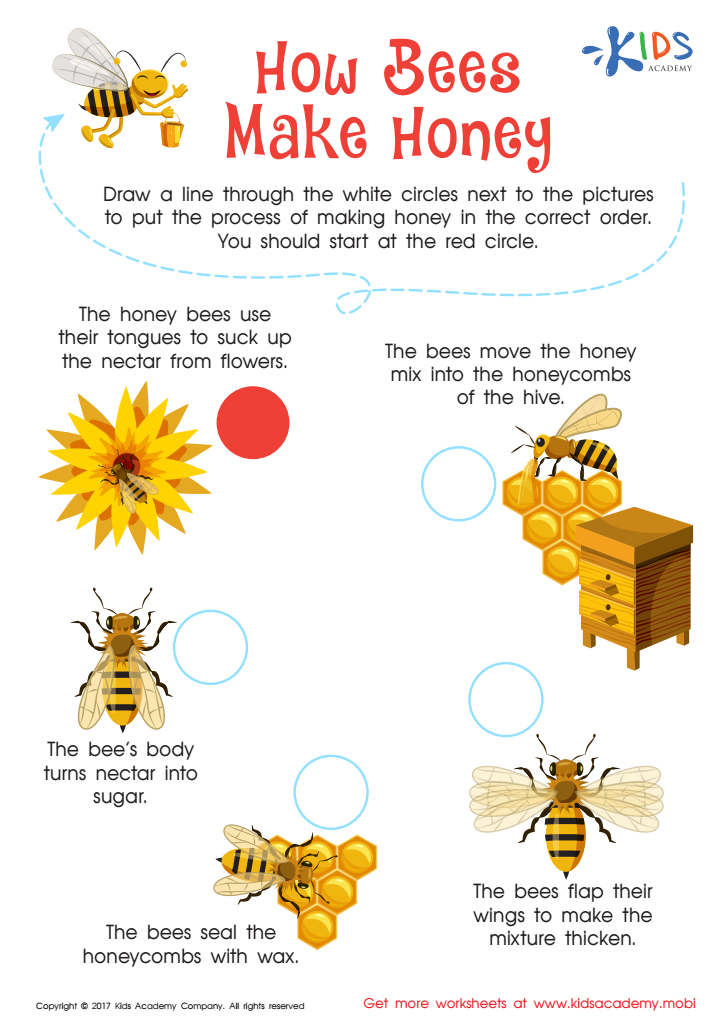
Honey Bee Worksheet




.jpg)



Answering questions for children aged 5-8 is crucial for their cognitive and emotional development. At this age, kids are naturally curious and constantly asking "why," "how," and "what." Responding thoughtfully to their inquiries helps satisfy this curiosity, encouraging a love for learning that can last a lifetime. It also aids in developing critical thinking skills; by answering their questions, you're helping them understand the world around them and make connections between different ideas.
Moreover, engaging with their questions builds vocabulary and language skills. Children learn new words and concepts through these interactions, facilitating better communication abilities. It can also foster an emotional bond. When adults take the time to listen and respond, kids feel valued and heard, boosting their self-esteem and emotional well-being.
Ignoring or dismissing their questions, on the other hand, can lead to frustration and a reluctance to ask questions in the future. It may even stifle their natural curiosity. Therefore, parents and teachers should nurture this inquiring nature. Encouraging questions creates an enriching learning environment and helps cultivate a supportive and trusting relationship between children and adults. This not only benefits the child academically but also builds a strong foundation for emotional and social growth.








