Associative learning Worksheets for Ages 5-8
7 filtered results
-
From - To
Dive into the world of associative learning with our colorful and engaging worksheets, designed specifically for children aged 5-8! These meticulously crafted learning tools enhance cognitive skills by helping young minds make meaningful connections between concepts, words, and images. Through fun exercises like matching games, comparisons, and storytelling, kids will develop critical thinking and memory skills. Encouraging active interaction and hands-on learning, these worksheets offer the perfect balance between education and play. Ideal for both classroom environments and at-home practice, our associative learning worksheets make learning an adventure that's both productive and enjoyable!
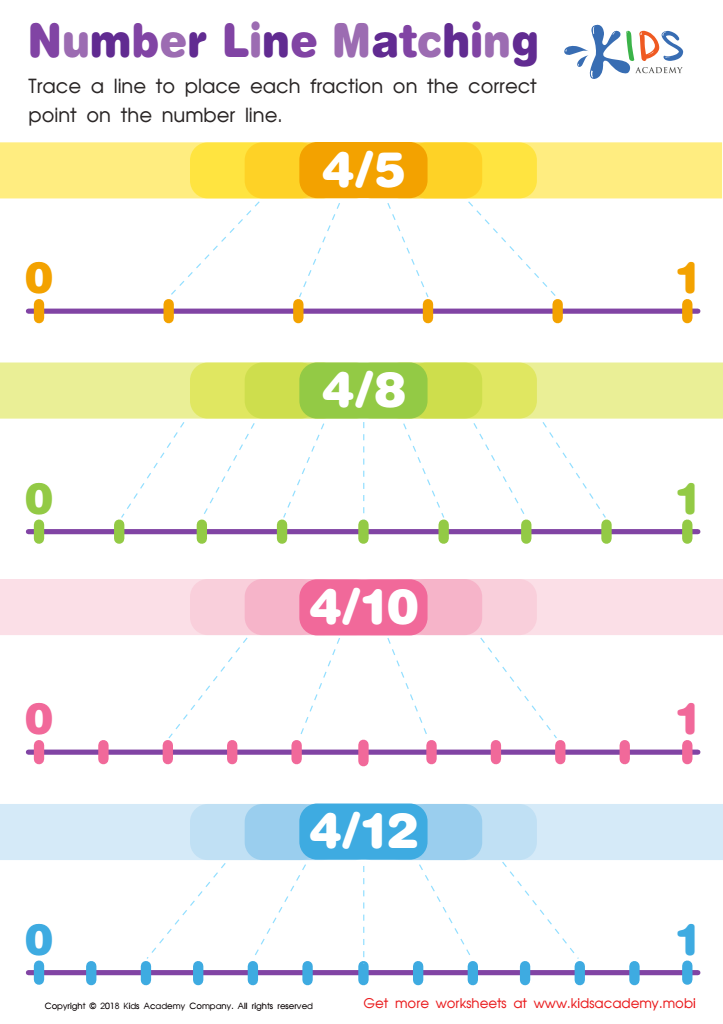
Number Line Matching Worksheet
 Assign to My Students
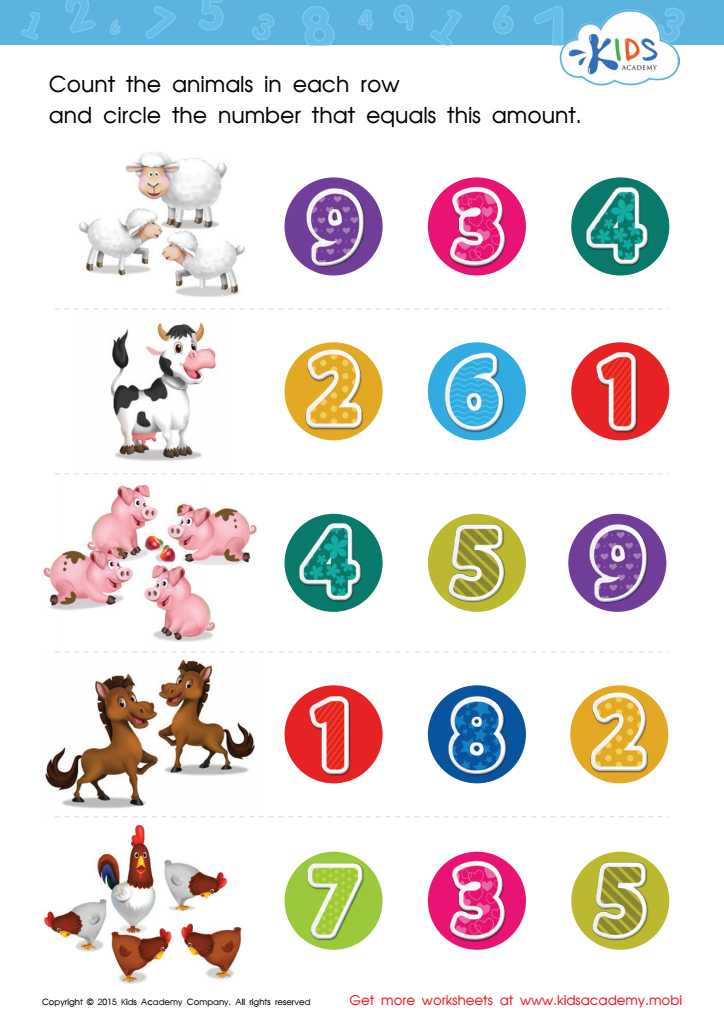
Count and Match 1 – 5 Math Worksheet
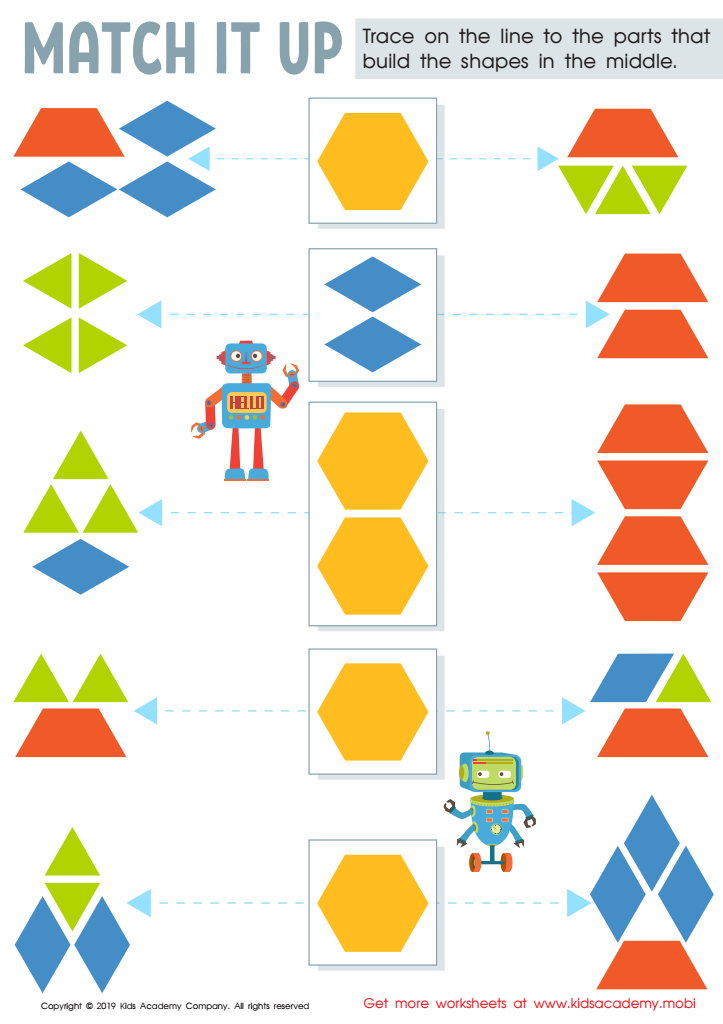
Match It up Worksheet
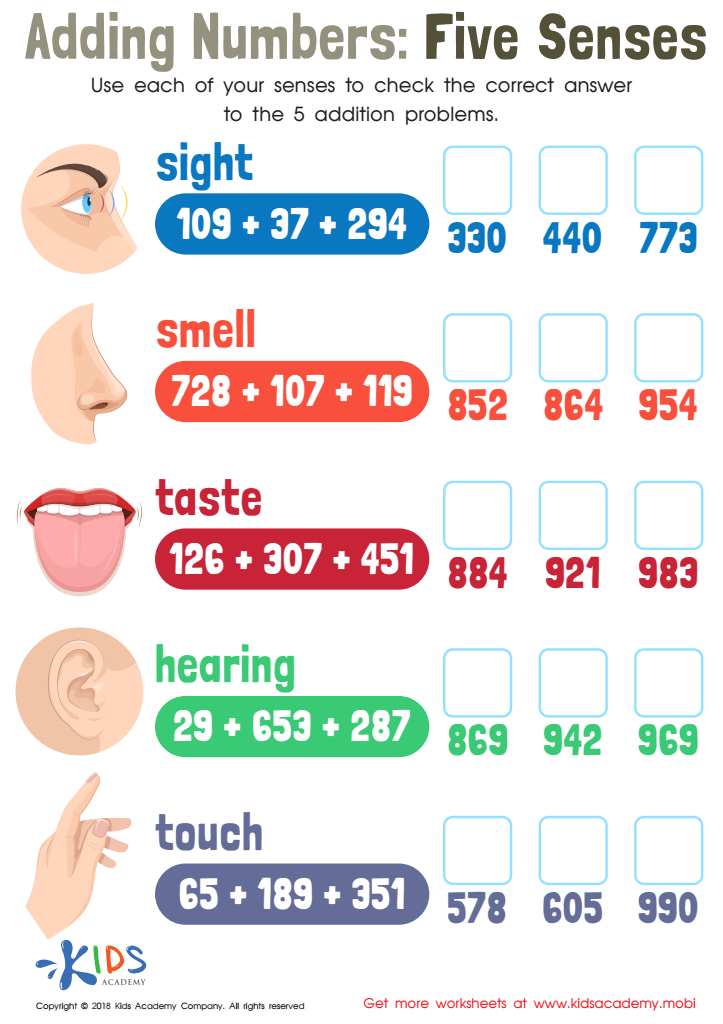
Adding Numbers: Five Senses Worksheet
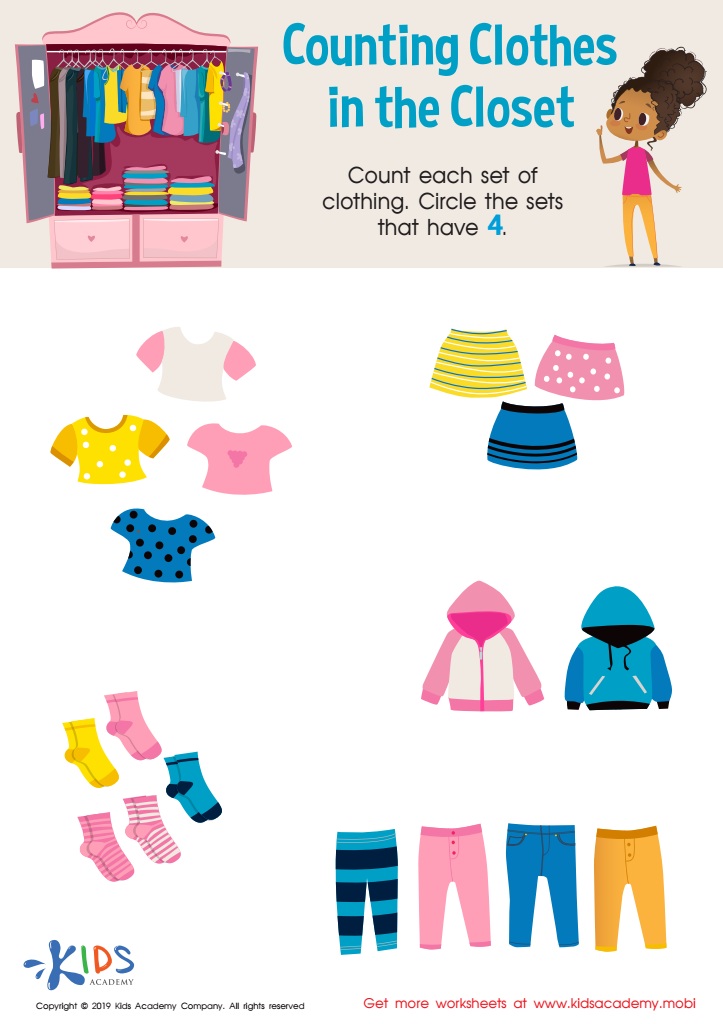
Counting Clothes Worksheet







Associative learning, which occurs when a connection is formed between two stimuli or between a behavior and a response, is vital for children aged 5-8. This period is a critical developmental stage during which foundational cognitive abilities are established. Through associative learning, children are able to grasp complex concepts by linking new information to what they already know, facilitating better retention and understanding.
For parents and teachers, fostering associative learning can significantly enhance educational outcomes. For instance, when a child learns that red stop lights and signs signify stopping, associating this observation with real-life experiences grows their comprehension and analytical skills. This kind of learning helps young children to better understand abstract concepts through relatable analogies, improving their problem-solving and reasoning abilities.
Furthermore, associative learning can contribute to emotional and social development. By associating certain behaviors with positive or negative responses, children learn the importance of social cues, empathy, and making better ethical decisions. This prepares them for more nuanced social interactions both now and in the future.
In summary, parents and teachers should prioritize associative learning strategies because they lay down pivotal cognitive, emotional, and social foundations. These methods not only make learning more engaging but also equip children with skills essential for lifelong success.








