
Basic math learning Worksheets for Ages 5-8
3 filtered results
Difficulty Level
Grade
Age
-
From - To
Subject
Activity
Standards
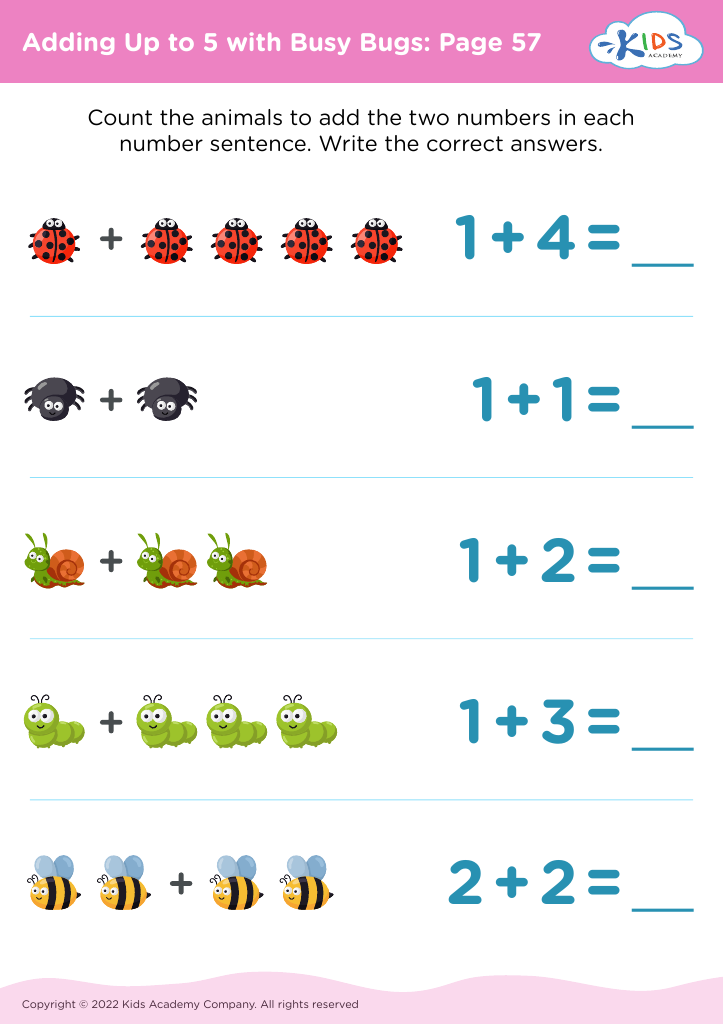
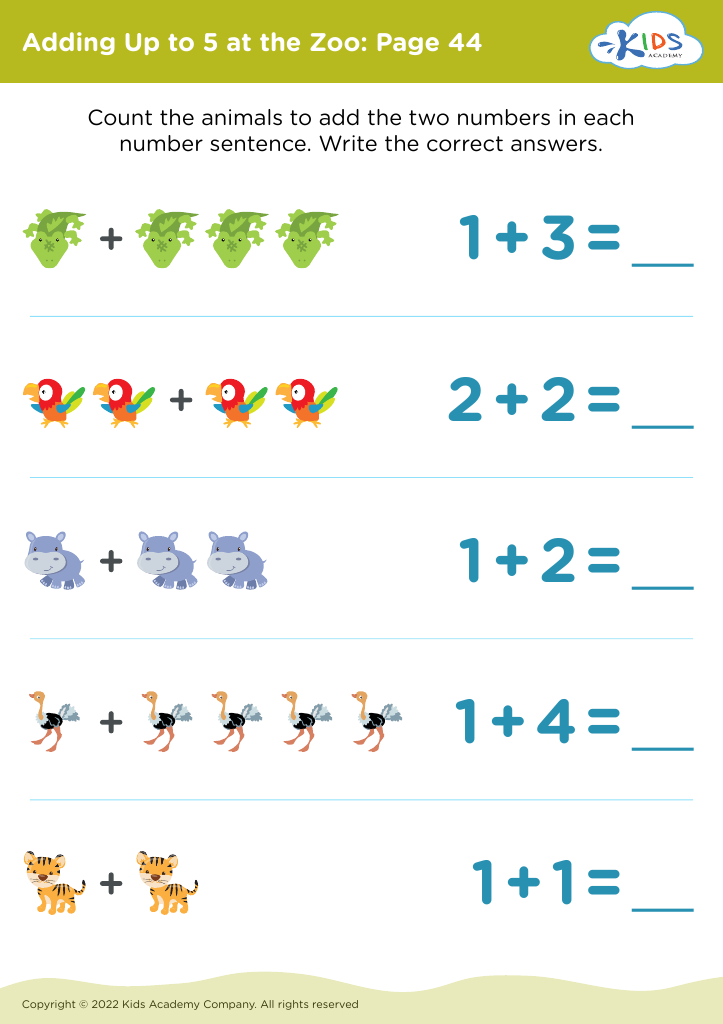
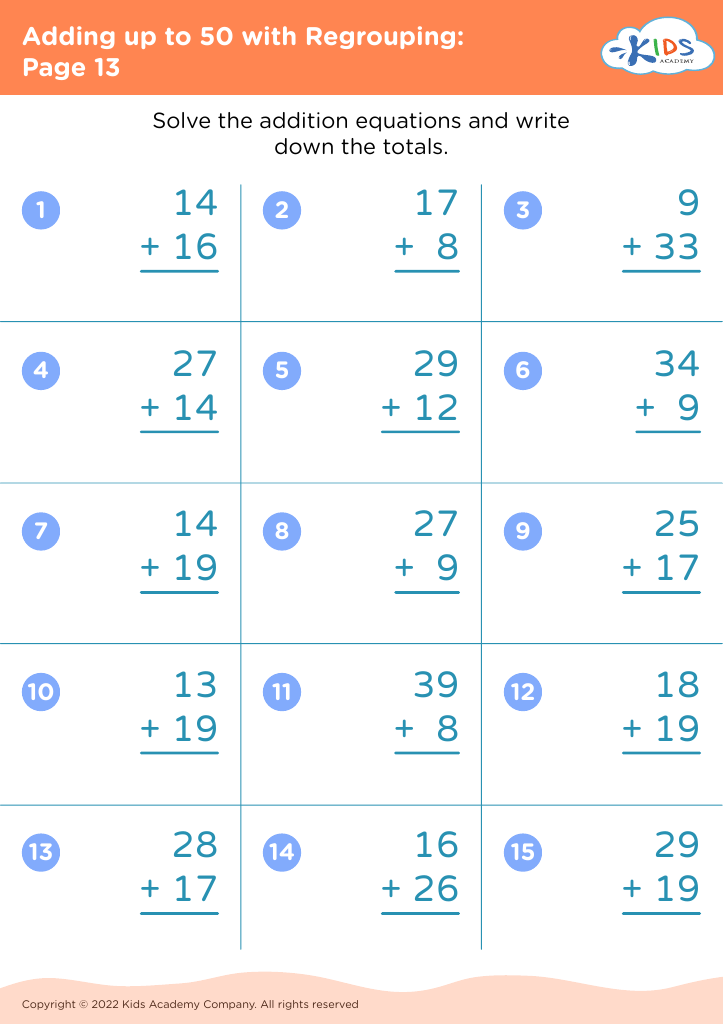
Discover essential math worksheets tailored for ages 5-8 at Kids Academy. Our engaging activities are designed to build strong foundational skills, from counting and number recognition to basic addition and subtraction. Each worksheet promotes critical thinking and problem-solving in a fun, interactive way. Perfect for young learners, parents, and educators, these resources support classroom lessons and strengthen home learning. Help your child gain confidence and excel in math with these expertly crafted printables. Explore our collection today and set your child on a path to mathematical success! Download now and make math learning an enjoyable adventure.
Favorites
With answer key
Interactive
Join Kids Academy for Free
Who is primarily going to use this learning content?







Basic math learning for children aged 5-8 is crucial as it lays the foundation for their future academic and everyday life skills. At this age, children are natural learners and are especially receptive to acquiring new concepts. Introducing math early helps them develop essential cognitive skills such as problem-solving, logical reasoning, and critical thinking. These skills are not only fundamental for math itself but are also transferable to other subject areas and real-life situations.
When children grasp basic math concepts like numbers, counting, addition, and subtraction, they gain confidence and a sense of achievement. This early success can foster a positive attitude toward learning in general, making them more likely to approach future educational challenges with enthusiasm. For parents and teachers, focusing on early math skills also makes it easier to identify and address any learning difficulties that may arise, providing timely support to ensure the child doesn’t fall behind.
Moreover, math literacy is vital for various everyday tasks, such as handling money, measuring ingredients for a recipe, or even planning time. Instilling strong math skills at an early age ensures that children are well-prepared for both their academic journey and their daily lives, making math learning an indispensable part of early education.








