Color Identification Worksheets for Ages 5-8 - Page 4
75 filtered results
-
From - To








Color identification is a crucial aspect of a child's early learning, especially between the ages of 5-8. At this stage, children are rapidly developing cognitive and language skills. Recognizing and naming colors not only enhances their vocabulary but also promotes visual literacy. This foundational skill supports other areas of learning, such as math and science, where children have to distinguish between objects, patterns, and sequences based on color.
For example, sorting chromatic objects or interpreting color-coded information can help with understanding complex concepts. Moreover, being adept at color recognition allows children to follow instructions better, whether they’re organizing their toys, completing art projects, or engaging in classroom activities. Psychologically, color identification helps in emotional development, as colors can be associated with different feelings and moods, aiding in emotional expression and understanding.
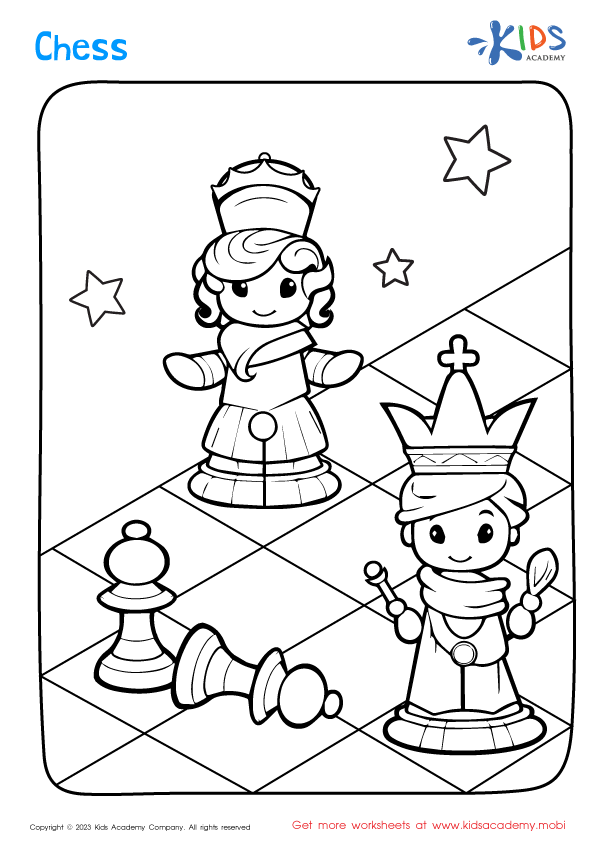
From a teachers’ and parents' perspective, activities that enhance color identification, such as coloring, interactive games, and visual arts, encourage creativity and imagination. It also leads to improved concentration and attention to detail. Therefore, investing time in developing a child's ability to identify and name colors lays a critical foundation that supports broad academic and personal development. It’s an enriching, multifaceted part of early childhood education that should not be overlooked.








