Counting accuracy Worksheets for Ages 5-8
3 filtered results
-
From - To
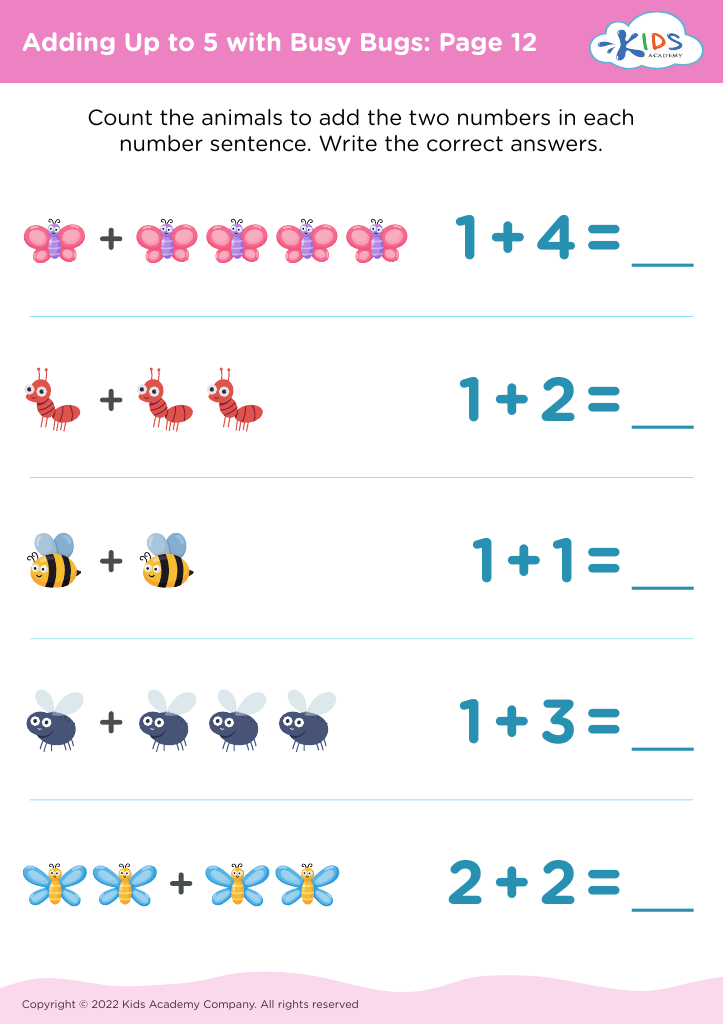
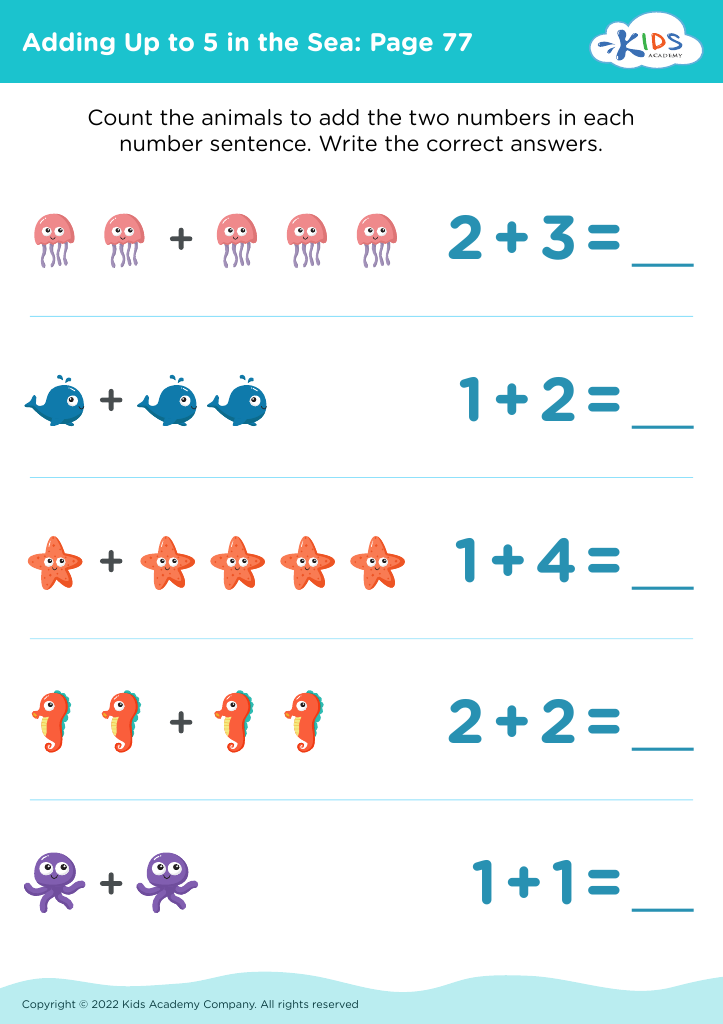
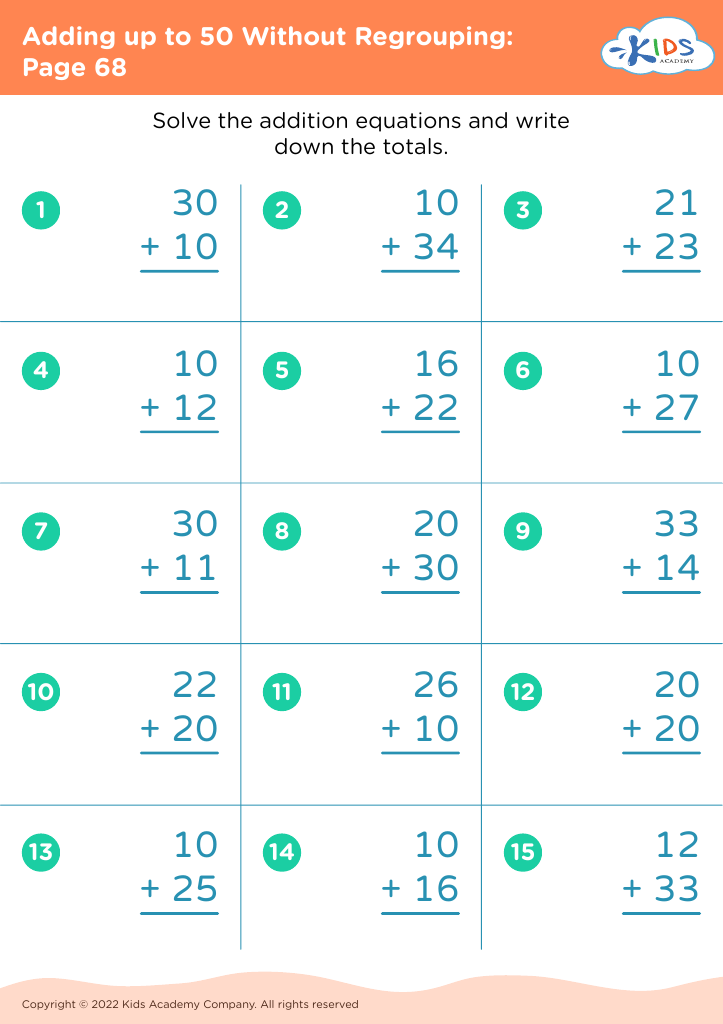
Discover our engaging Counting Accuracy Worksheets designed specifically for children aged 5-8. These interactive worksheets help young learners strengthen their counting skills, improve number recognition, and enhance their mathematical accuracy. Featuring colorful illustrations and age-appropriate challenges, our resources make learning fun and effective. Children will enjoy practicing their counting through a variety of exercises, including matching numbers, completing sequences, and counting objects. Perfect for homeschooling or classroom use, these worksheets support foundational math skills necessary for future success. Boost your child’s confidence and counting precision with our thoughtfully crafted worksheets, ensuring they grasp essential concepts while having fun!




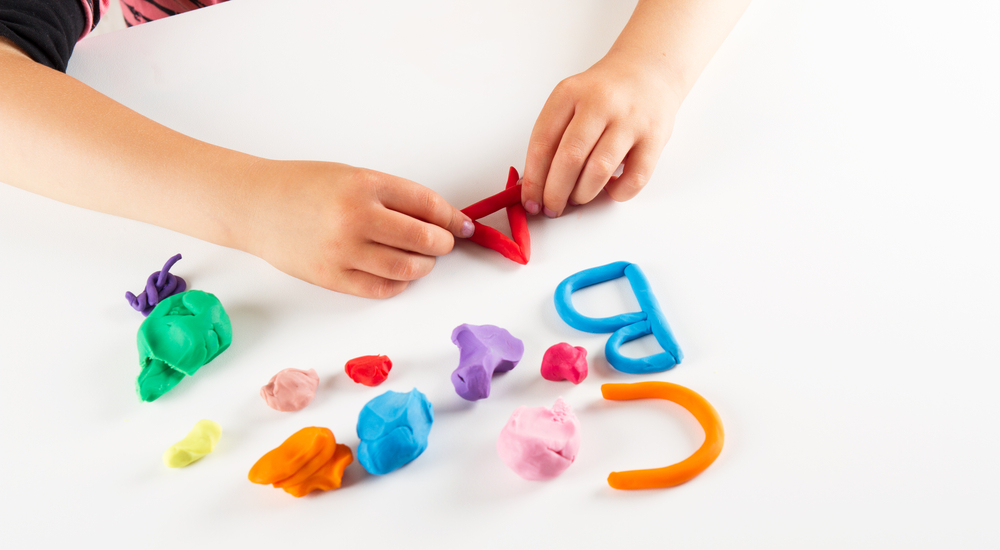
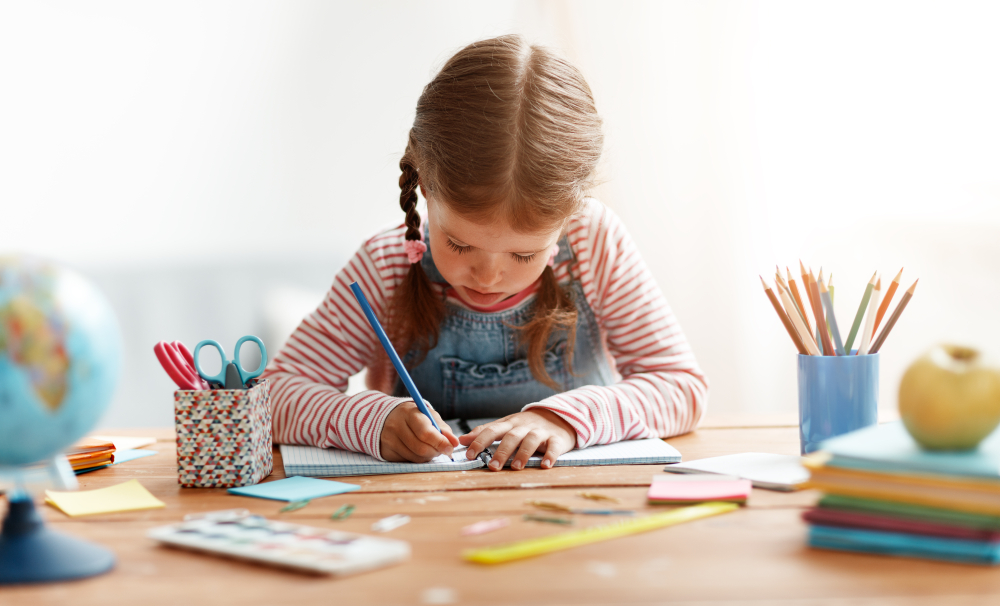
Counting accuracy in early education is foundational for children's mathematical development and cognitive skills. For children aged 5-8, mastering counting techniques sets the stage for more complex mathematical concepts later on, such as addition, subtraction, and even multiplication. When parents and teachers focus on counting accuracy, they help to build a strong numerical sense, which is essential for daily life activities, including budgeting, measuring, and time management.
Moreover, accurate counting fosters a sense of confidence in children. When they are able to count correctly and understand numerical concepts, they are more likely to engage actively in learning environments, boosting their overall academic performance. Additionally, error-prone counting can lead to misconceptions about larger concepts in math, hindering progression.
Beyond academics, the ability to count accurately also enhances fine motor skills and memory, as children often use physical objects when counting. Engaging in counting activities as a group promotes collaboration and social skills. Hence, parents and teachers play a critical role by emphasizing counting accuracy, incorporating it into play and learning activities, and providing supportive environments where children feel secure in practicing these essential skills. Ultimately, accurate counting serves as a critical building block for lifelong learning in mathematics.








