Data analysis skills Worksheets for Ages 5-8
3 filtered results
-
From - To
Discover our engaging Data Analysis Skills Worksheets designed for children aged 5-8. These fun, interactive activities help young learners develop essential analytical skills through age-appropriate exercises. Kids will explore data collection, sorting, interpreting graphs, and making decisions based on their findings. Our worksheets foster critical thinking and problem-solving abilities while making learning enjoyable. Perfect for home or classroom use, these resources encourage creativity and curiosity in young minds. Whether you're a parent or educator, our Data Analysis Skills Worksheets provide valuable tools to support early learners on their educational journey. Empower your child to understand the world of data today!
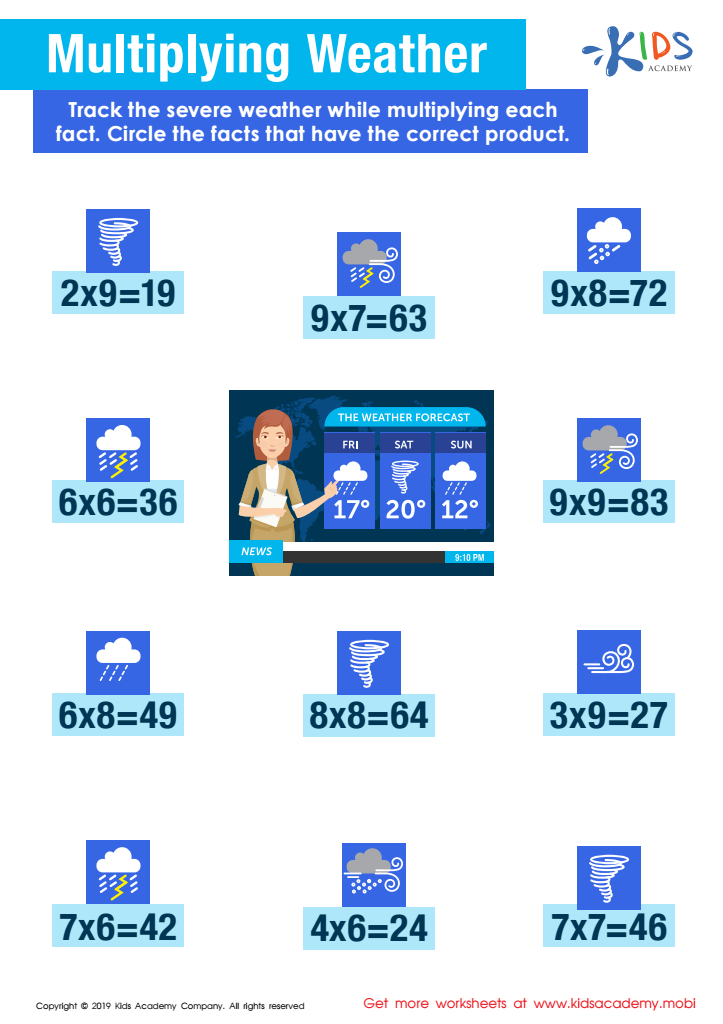
Multiplying Weather Worksheet
 Assign to My Students
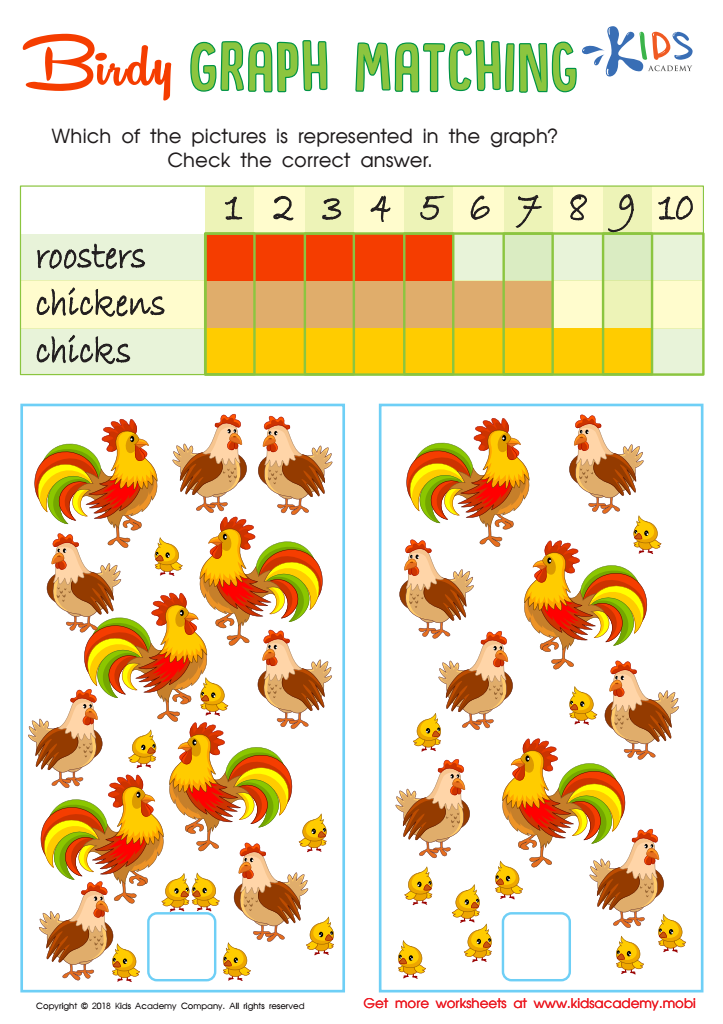
Birdy Graph Matching Worksheet
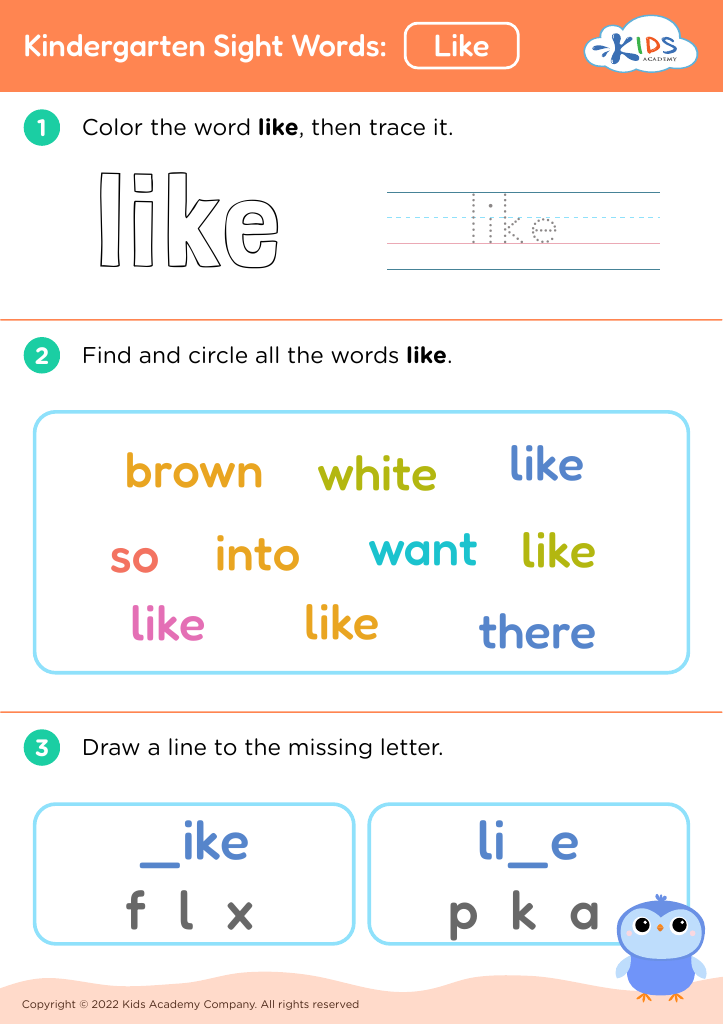








Data analysis skills are essential for children aged 5-8, as they lay the foundation for critical thinking and problem-solving abilities. At this developmental stage, children are naturally curious and eager to explore. Incorporating data analysis into their learning fosters this curiosity by helping them make sense of their observations and experiences. Understanding basic concepts like sorting, classifying, and interpreting simple graphs allows young learners to engage with the world around them in a meaningful way.
Moreover, these skills enhance numeracy and literacy. By analyzing data through simple experiments or surveys, children learn how to communicate their findings clearly, developing both mathematical and language skills. For parents and teachers, fostering data analysis encourages collaborative discussions about patterns, trends, and predictions, promoting teamwork and communication skills among peers.
In an increasingly data-driven world, early exposure prepares children for future academic requirements and boosts their confidence in handling complex information as they progress in school. Ultimately, a strong foundation in data analysis cultivates lifelong learning habits and equips children with tools to navigate and succeed in an evolving landscape, making it essential for parents and educators to prioritize these skills.








