
Drawing conclusions Worksheets for Ages 5-8
3 filtered results
Difficulty Level
Grade
Age
-
From - To
Subject
Activity
Standards
Enhance your child's critical thinking with our "Drawing Conclusions Worksheets for Ages 5-8." Designed to bolster young minds, these engaging worksheets help kids practice synthesizing information and making inferences, essential for reading comprehension and everyday decision-making. Each colorful, age-appropriate activity encourages active learning and curiosity, making learning fun and effective. Perfect for classroom use or at-home reinforcement, our worksheets are crafted to align with educational standards, ensuring your child builds strong analytical skills at their own pace. Foster a love for learning and equip your child with vital cognitive tools through our expertly designed resources.
Favorites
With answer key
Interactive
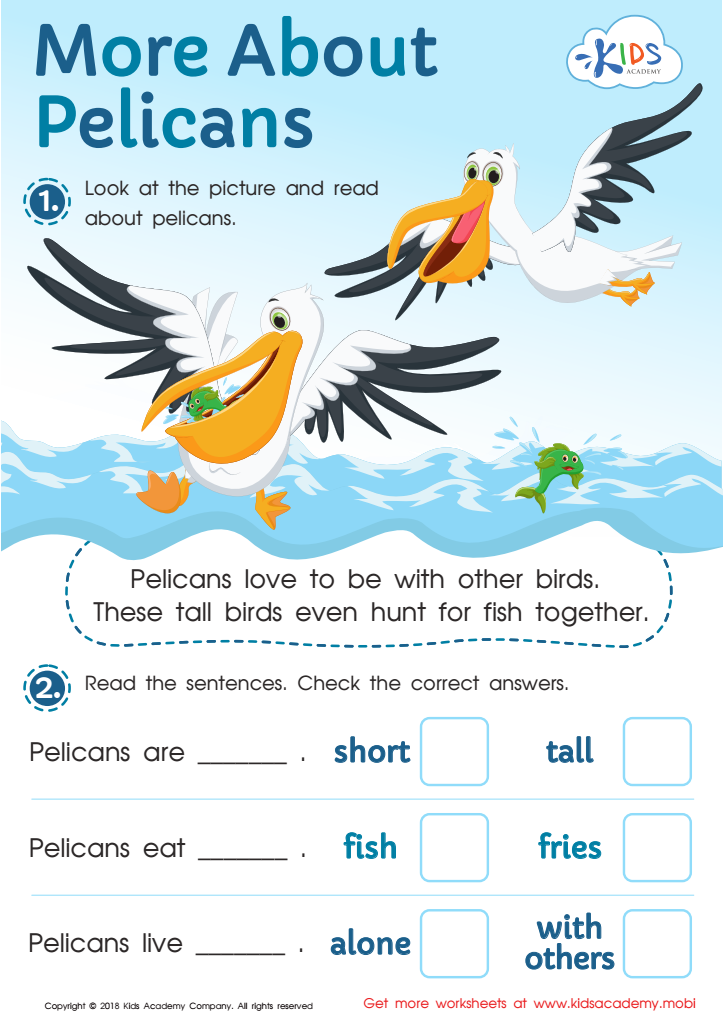
More About Pelicans Worksheet
Train your reader to look for clues in words with this fun worksheet about pelicans! As they read each sentence, they'll learn more about these majestic birds. Once they finish, answer the questions and explore even more!
 Assign to My Students
More About Pelicans Worksheet
Worksheet
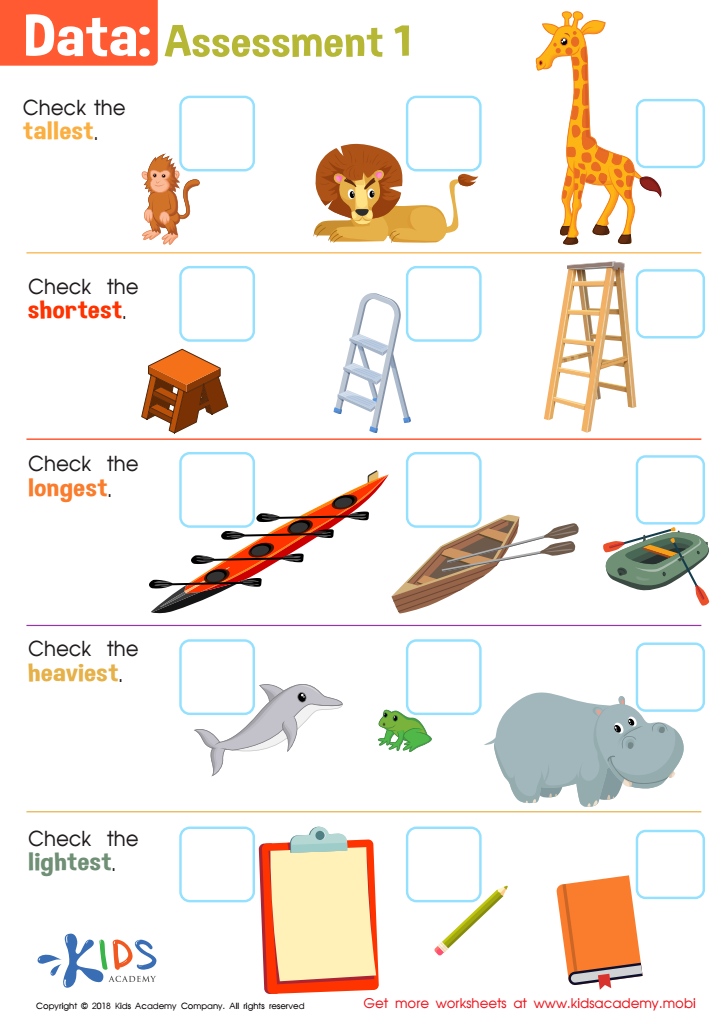
Data: Assessment 1 Worksheet
This free worksheet helps you assess where your young students are with measurement superlatives like tallest, shortest, heaviest, longest and lightest. It features cute, colorful pics of familiar objects so your kids have a reference, and helps you identify areas to work on.
Data: Assessment 1 Worksheet
Worksheet
Join Kids Academy for Free
Who is primarily going to use this learning content?


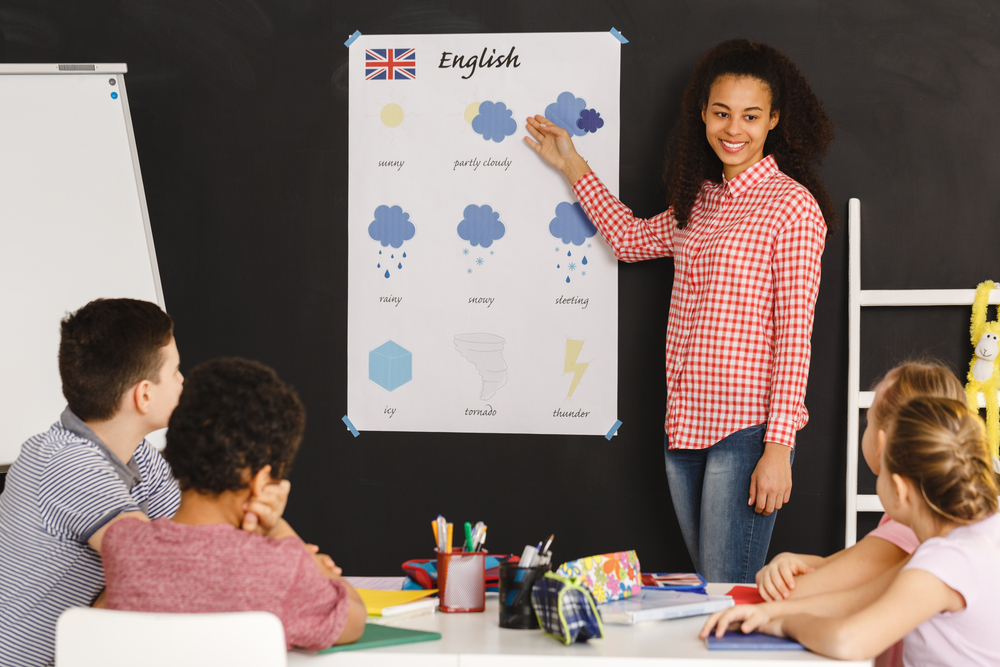





Drawing conclusions is a fundamental critical thinking skill that enables young children to go beyond mere observation by making inferences based on the context provided. For ages 5-8, fostering this skill is crucial for several reasons.
Firstly, it enhances reading comprehension. When children learn to draw conclusions, they become adept at understanding implied meanings, leading to a deeper grasp of stories and information. This enriched comprehension lays a strong foundation for future learning across various subjects.
Secondly, it boosts problem-solving abilities. By making educated guesses, children learn to link cause and effect, anticipate outcomes, and navigate complex situations, nurturing their analytical capabilities.
Moreover, drawing conclusions can significantly improve communication skills. Children become better at articulating their thoughts and defending their perspectives with evidence, fostering constructive discussions and cooperation with peers and adults.
Importantly, it promotes emotional and social intelligence. When young children can infer feelings and motivations, they become more empathetic and learn to interact more thoughtfully and respectfully with others.
Lastly, engaging in these mental processes stimulates cognitive development. By continually challenging their brains, children grow intellectually, ensuring they are inquisitive, perceptive, and better prepared for the academic challenges that lie ahead.
Thus, valuing and encouraging drawing conclusions empowers children with critical lifelong skills.








