Eye-hand coordination Worksheets for Ages 5-8
3 filtered results
-
From - To
Enhance your child's eye-hand coordination skills with our engaging worksheets designed for ages 5-8! Our collection offers a variety of fun and interactive activities that support developmental milestones, fine motor skills, and visual tracking. Each worksheet is crafted to keep young learners motivated while enhancing their focus and concentration. From drawing and coloring exercises to matching games, these worksheets provide the perfect balance of educational fun. Perfect for at-home learning or classroom environments, our eye-hand coordination worksheets help children build essential skills needed for success in many tasks, including writing and sports. Start nurturing your child’s potential today!
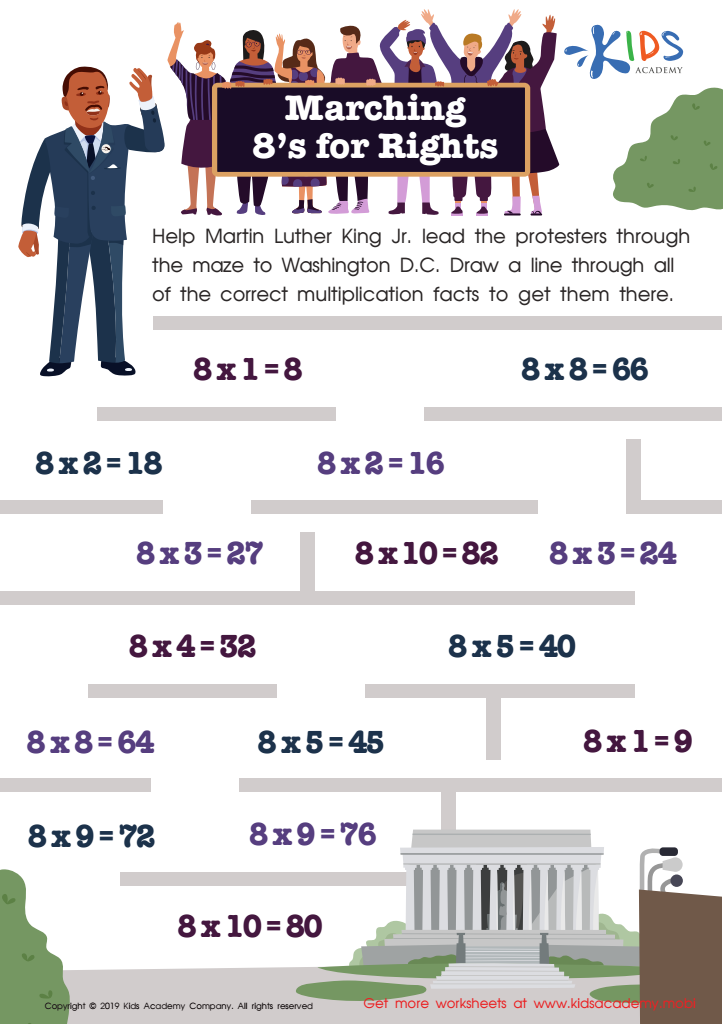
Marching 8’s for Rights Worksheet
 Assign to My Students



.jpg)

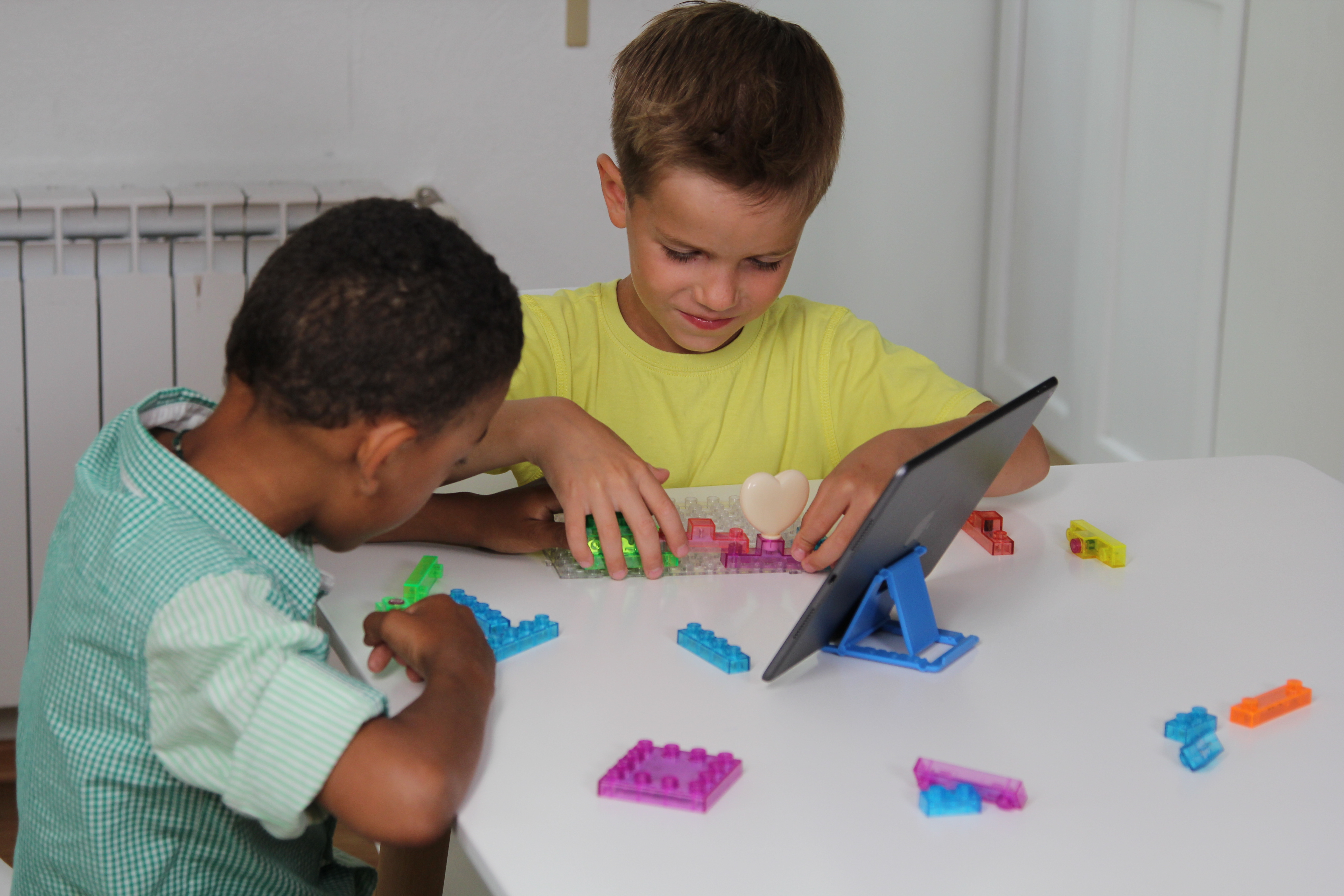


Eye-hand coordination is a crucial developmental skill for children aged 5 to 8, as it plays a significant role in their overall growth and learning. At this age, kids are engaging in activities that require precise movements, such as writing, drawing, cutting with scissors, and participating in various sports. Effective eye-hand coordination helps children perform these tasks with accuracy and control, contributing to their confidence and enjoyment in learning experiences.
Parents and teachers should care about nurturing this skill because it lays the foundation for future academic success and daily living activities. Good eye-hand coordination supports reading and writing fluency, as well as the ability to follow multi-step instructions, which are essential for problem-solving and critical thinking.
Additionally, improving eye-hand coordination can enhance social interactions, as participating in team sports and group activities fosters collaboration and communication skills. By encouraging play that strengthens this coordination—like ball games, puzzles, or arts and crafts—adults can significantly boost a child's cognitive, physical, and social development, creating a well-rounded learner inquisitive about the world around them. Prioritizing eye-hand coordination in early education ultimately aids children in becoming more skilled, confident, and active participants in their educational journey.








