Fraction identification Worksheets for Ages 5-8
8 filtered results
-
From - To
Explore our engaging Fraction Identification Worksheets, specially designed for children ages 5-8. These interactive resources provide a fun way for young learners to grasp the concept of fractions through colorful visuals and hands-on exercises. Each worksheet encourages kids to recognize and compare different fractions, helping to build their foundational math skills. Perfect for at-home learning or classroom use, our fractions worksheets foster critical thinking and problem-solving skills while keeping students entertained. Empower your child's mathematical journey today by downloading our easy-to-follow worksheets, tailored for early learners eager to explore the world of fractions! Start their adventure in math now!
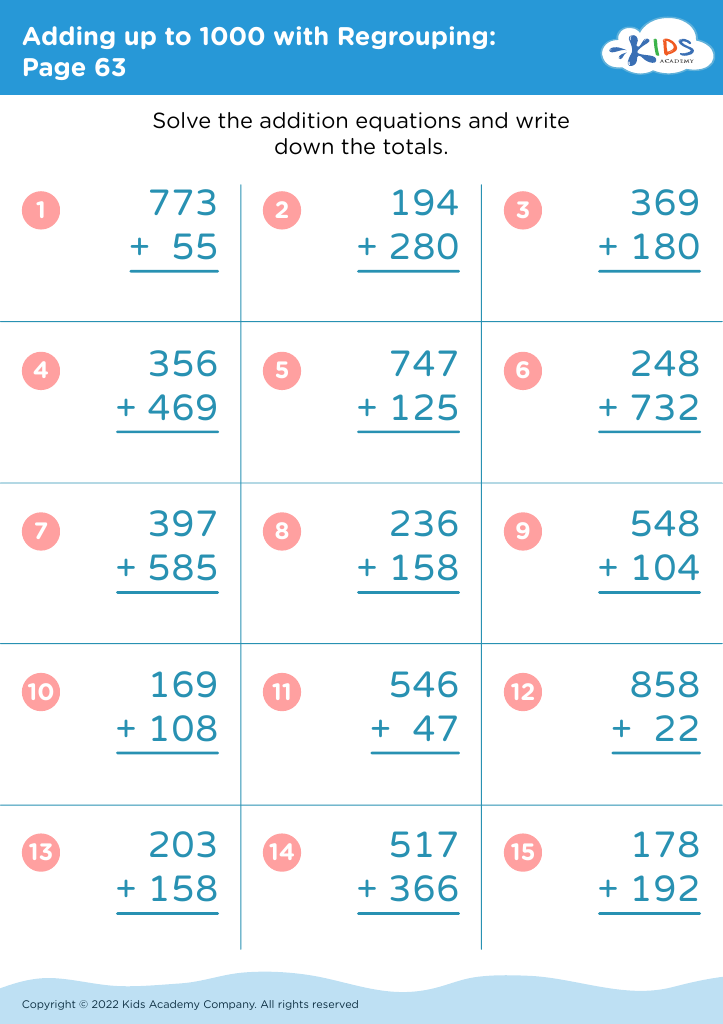
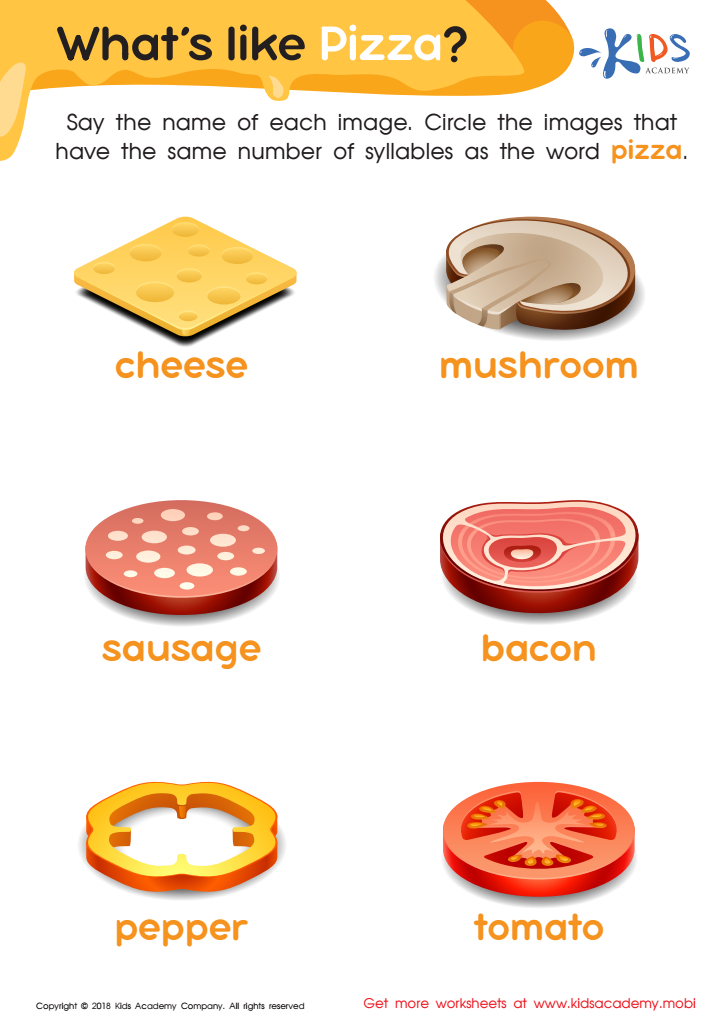
What's Like Pizza? Worksheet
 Assign to My Students
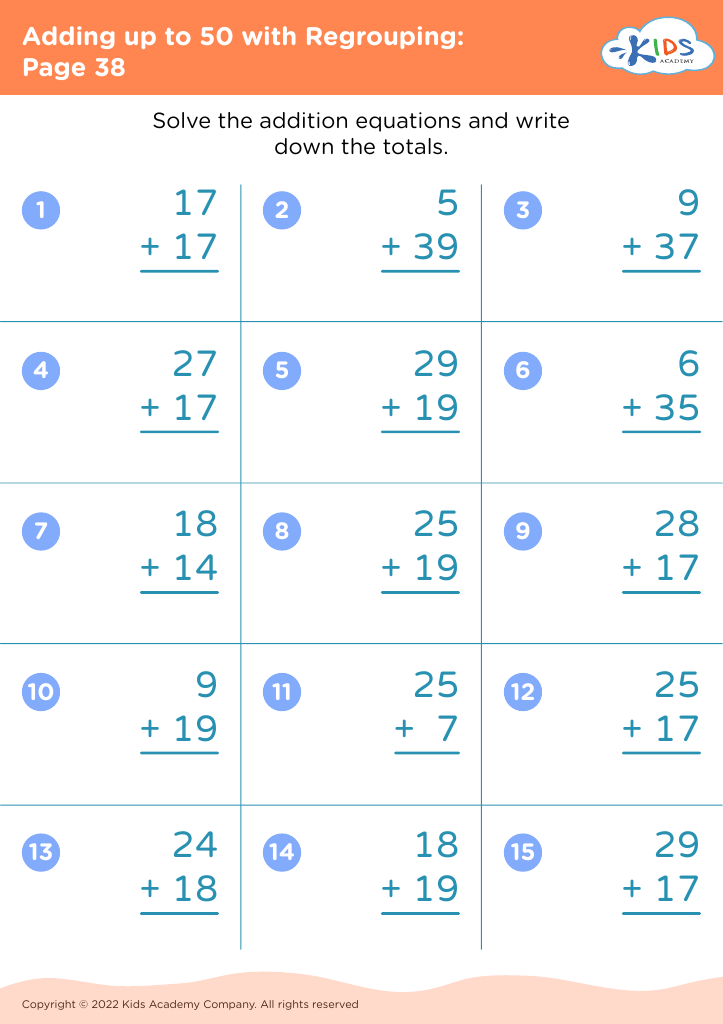
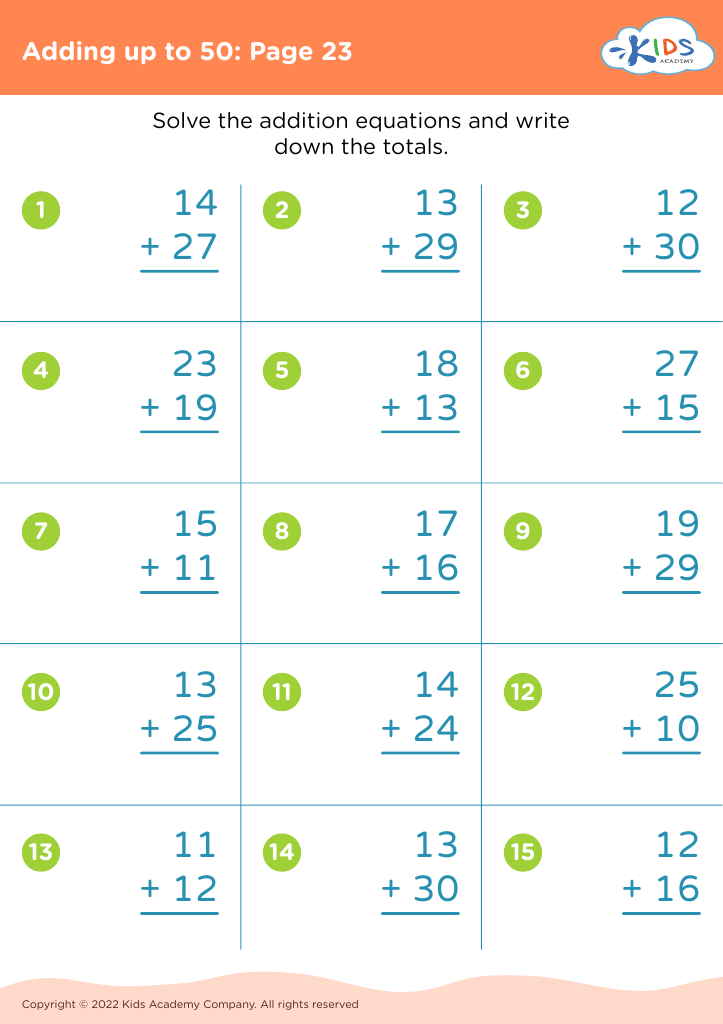
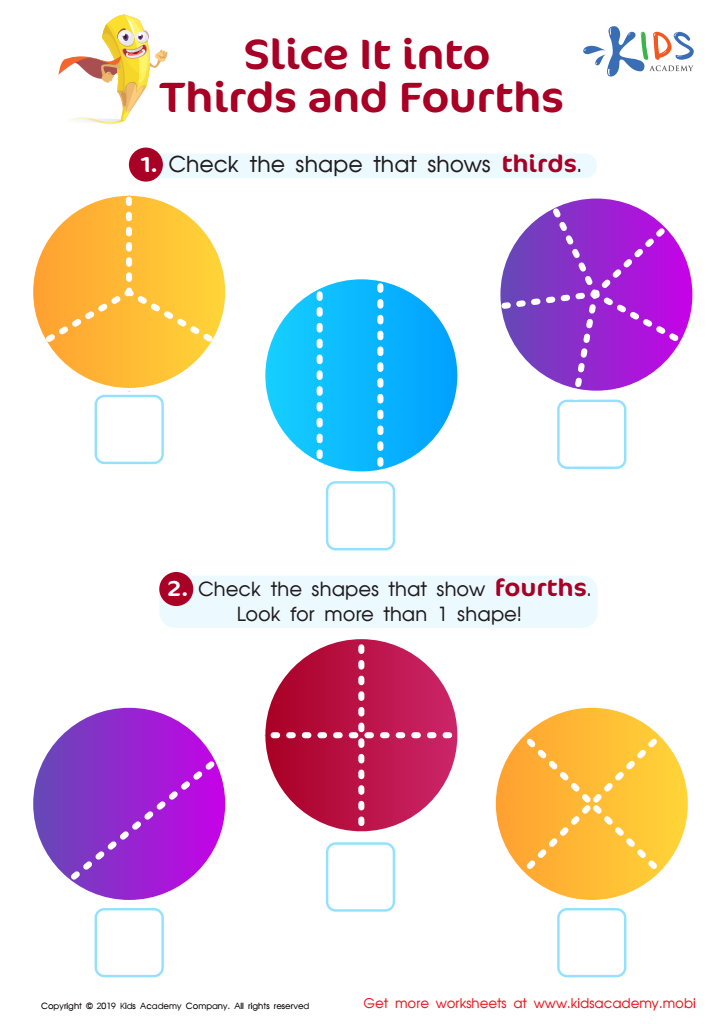
Slice in Thirds Fourths Worksheet
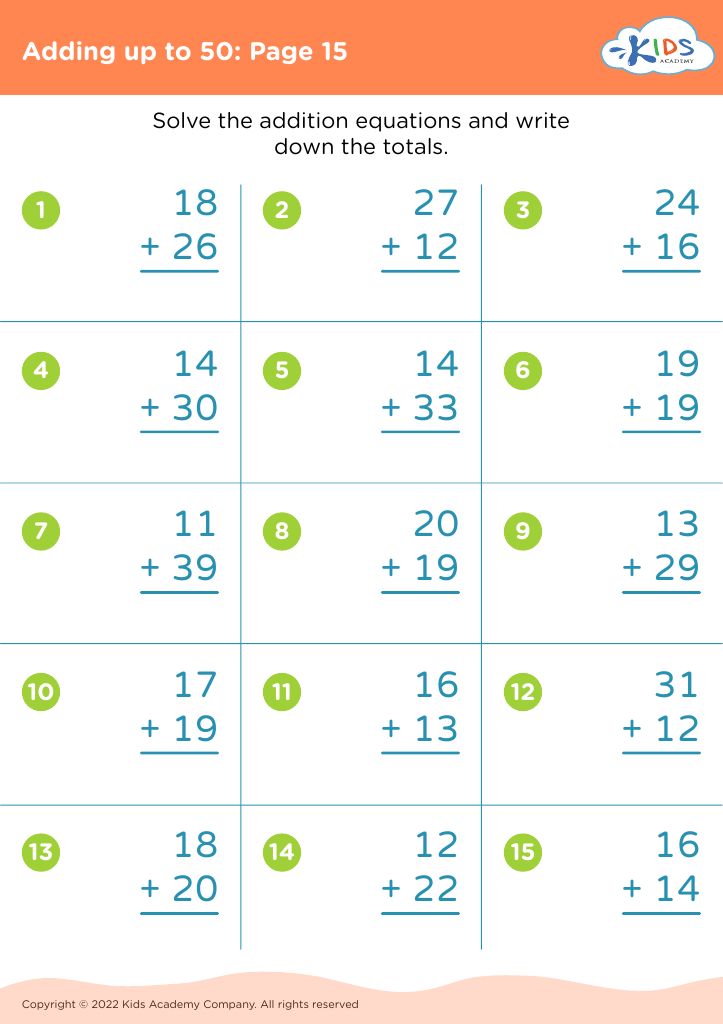
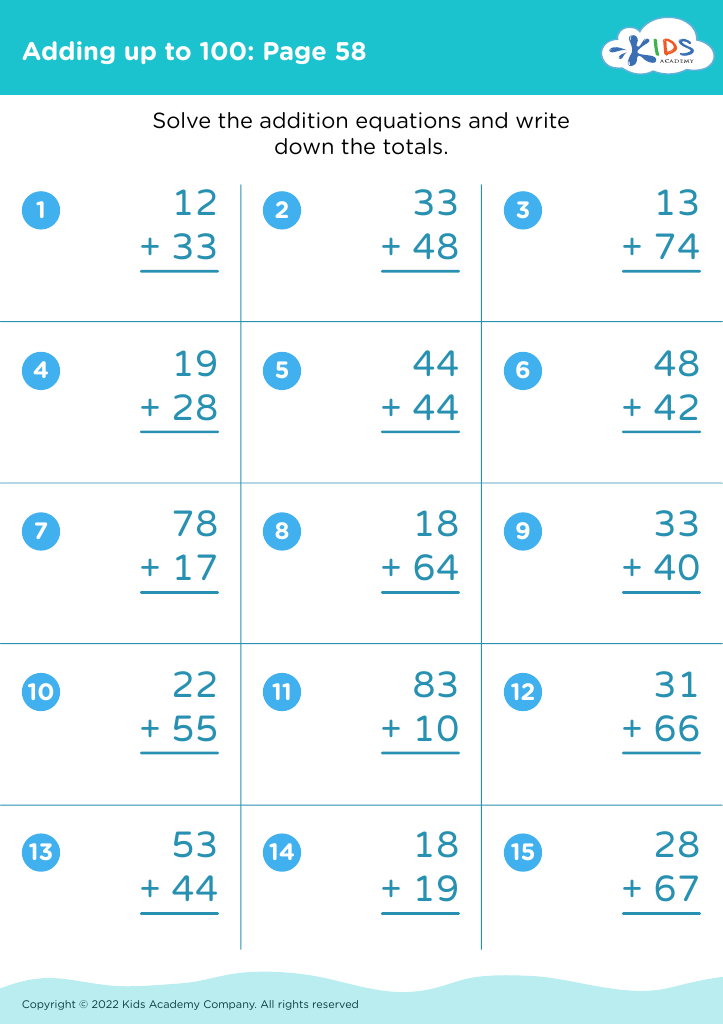
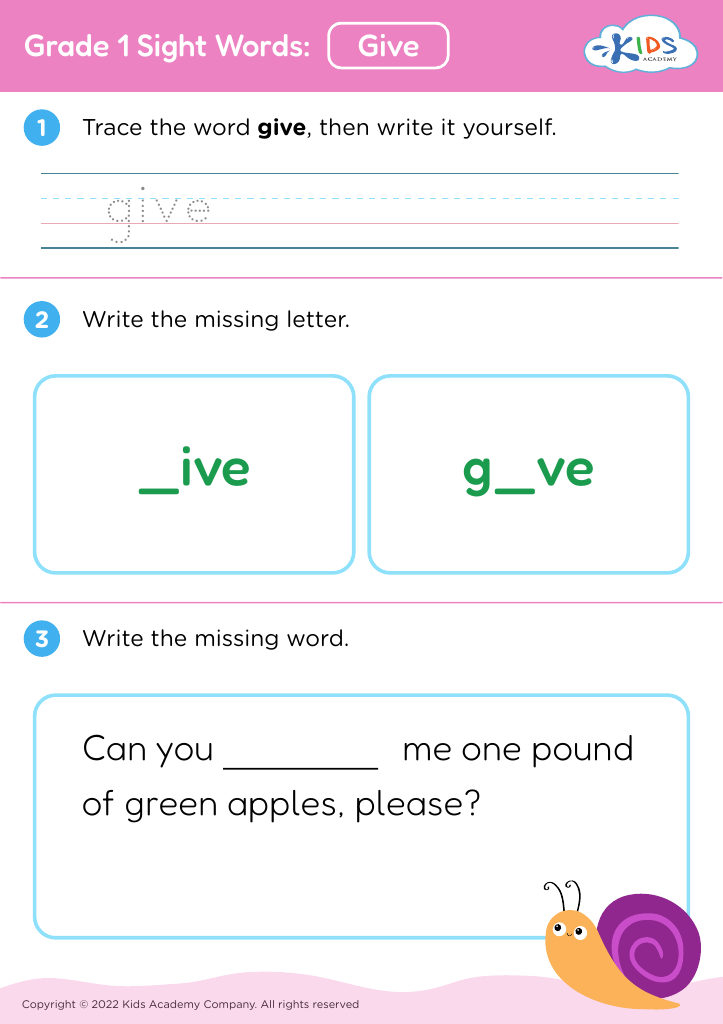








Understanding fraction identification is crucial for children aged 5-8, as it forms the foundation for later mathematical concepts. At this developmental stage, children are naturally curious and eager to learn about their world, including how to express parts of a whole. Learning about fractions encourages critical thinking and problem-solving skills, enabling children to grasp complex ideas as they advance in their education.
For parents and teachers, fostering fraction identification promotes mathematical fluency and confidence. It aids in building a numerical sense, allowing children to comprehend everyday scenarios like sharing food, dividing toys, or understanding time—experiences rich with fractions. Moreover, recognizing fractions can enhance language and communication skills, as children learn to articulate their understanding more effectively.
Encouraging familiarity with fractions also sets the stage for mastery of more advanced topics, such as ratios and proportions, in later grades. By engaging young learners through hands-on activities and playful learning, parents and teachers can make fractions enjoyable, ensuring children are well-prepared for success in future mathematics. Ultimately, prioritizing fraction identification in early education nurtures a lifelong appreciation for math and promotes academic achievement.








