Geography knowledge Worksheets for Ages 5-8 - Page 2
36 filtered results
-
From - To
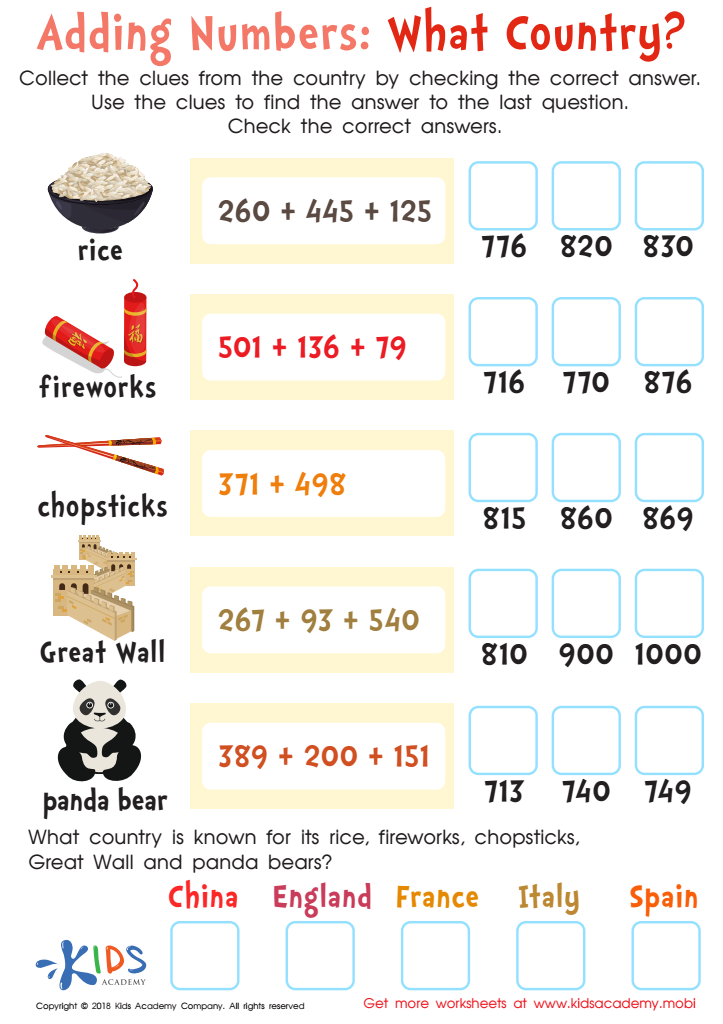
Adding Numbers: What Country Worksheet
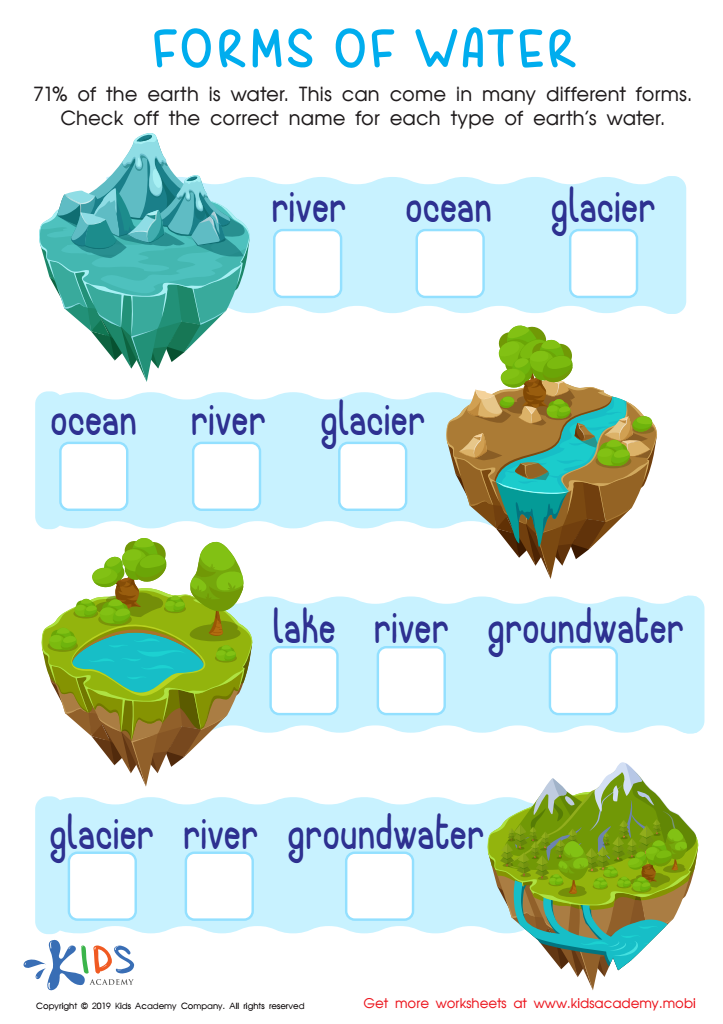
Forms of Water Worksheet
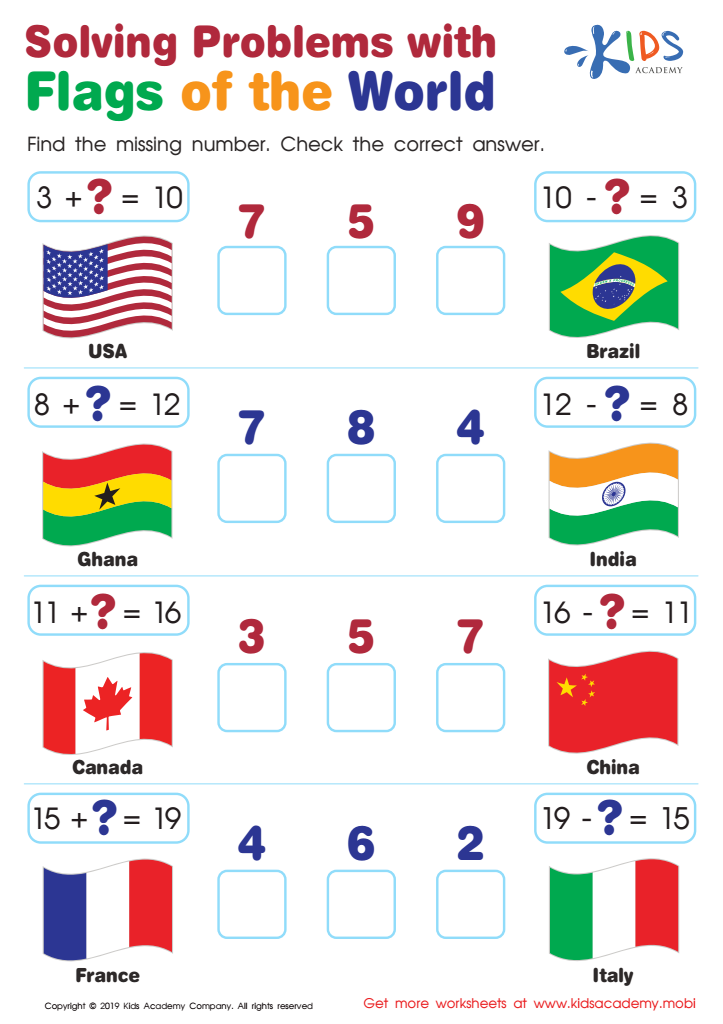
Solving Problems with Flags of the World Worksheet
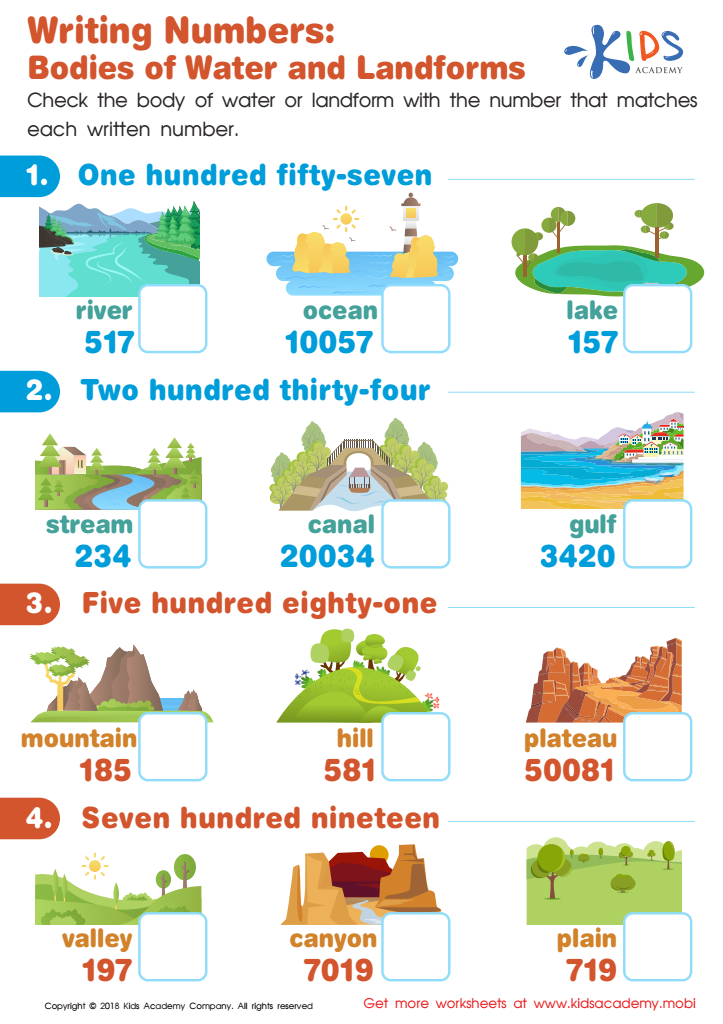
Bodies of Water and Landforms Writing Numbers Worksheet
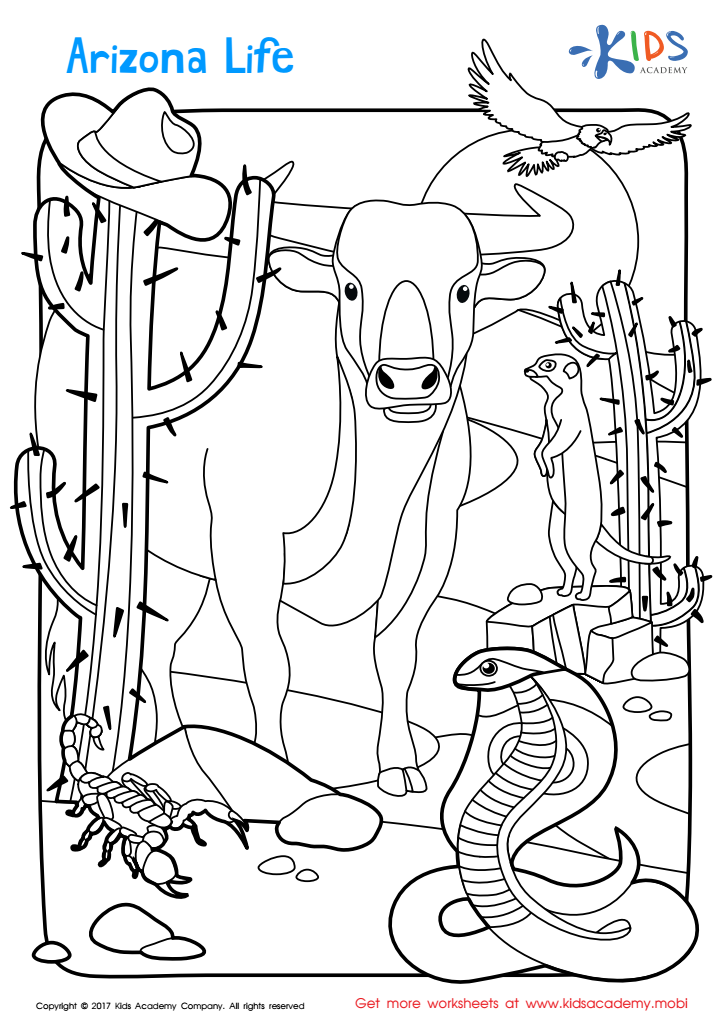
Arizona Coloring Page Worksheet
 Assign to My Students
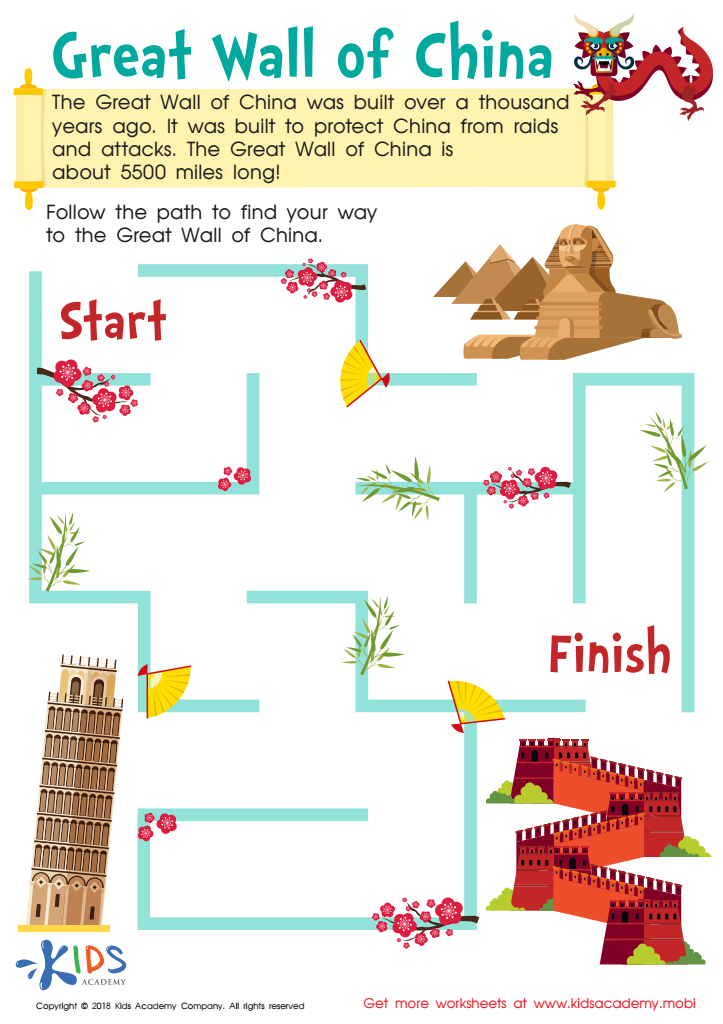
Great Wall of China Worksheet
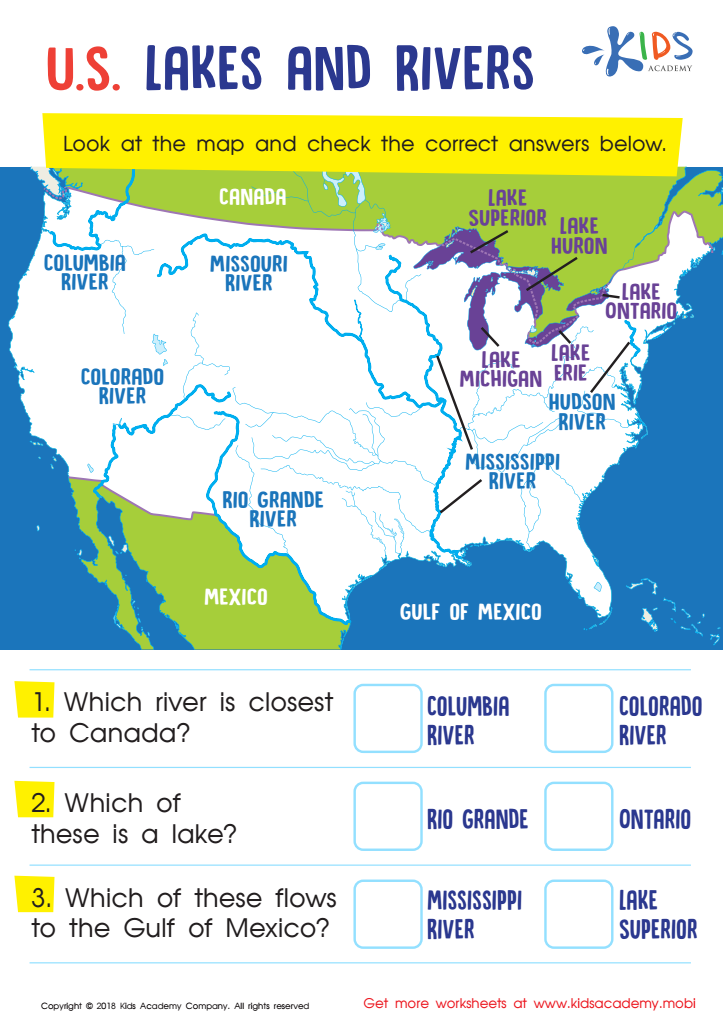
U.S. Lakes and Rivers Worksheet
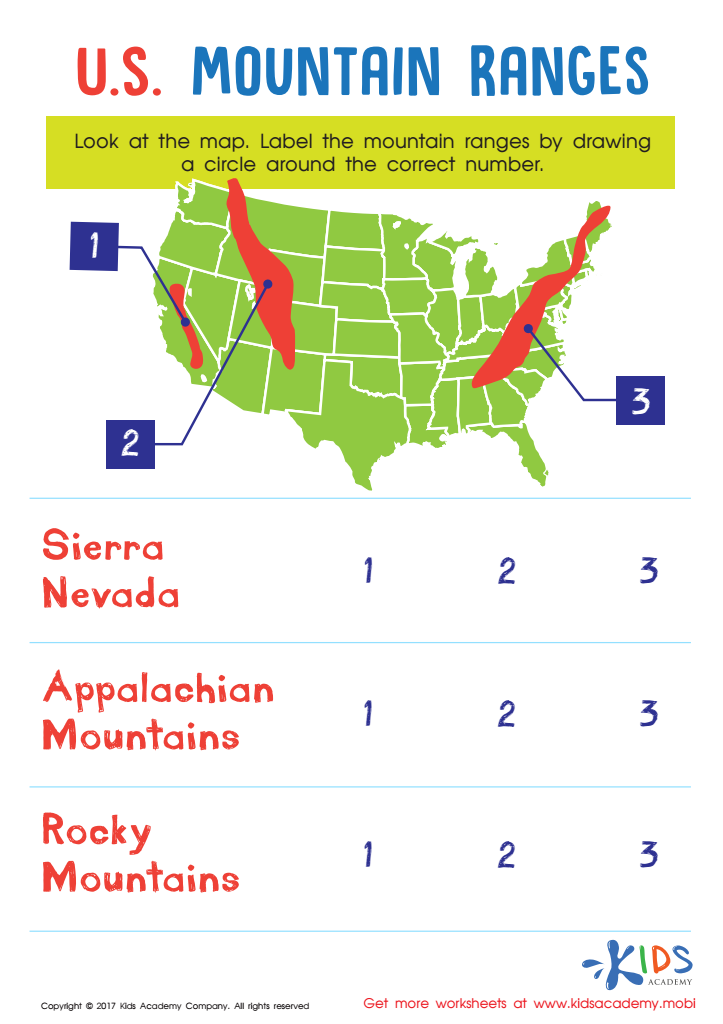
US Mountain Ranges Worksheet

Towns Worksheet
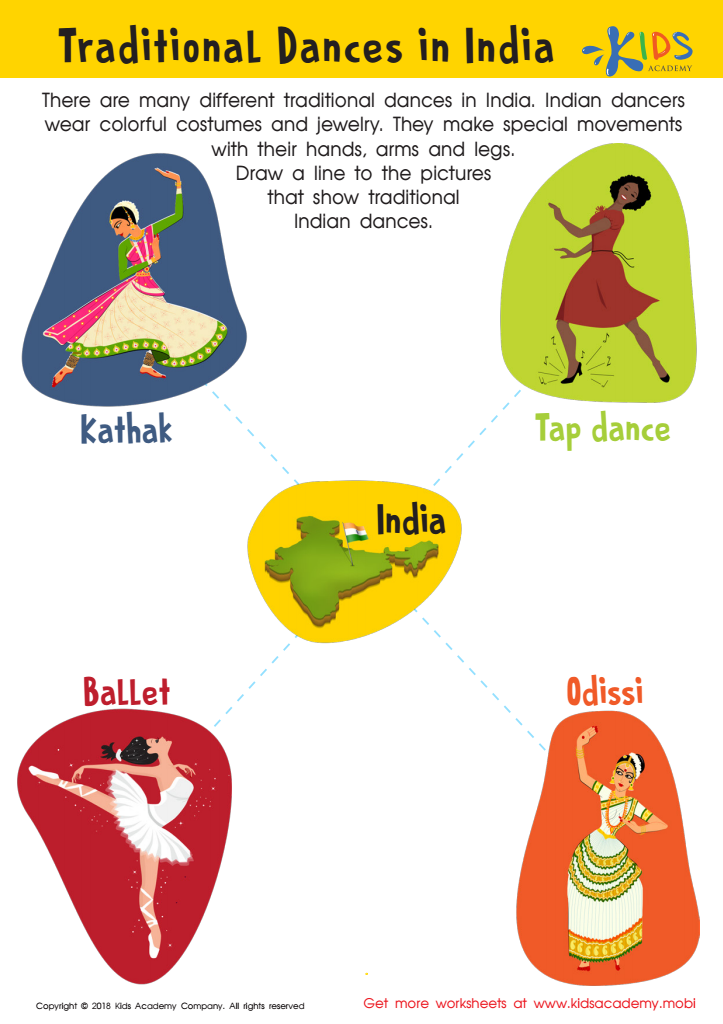
Traditional Dances in India Worksheet
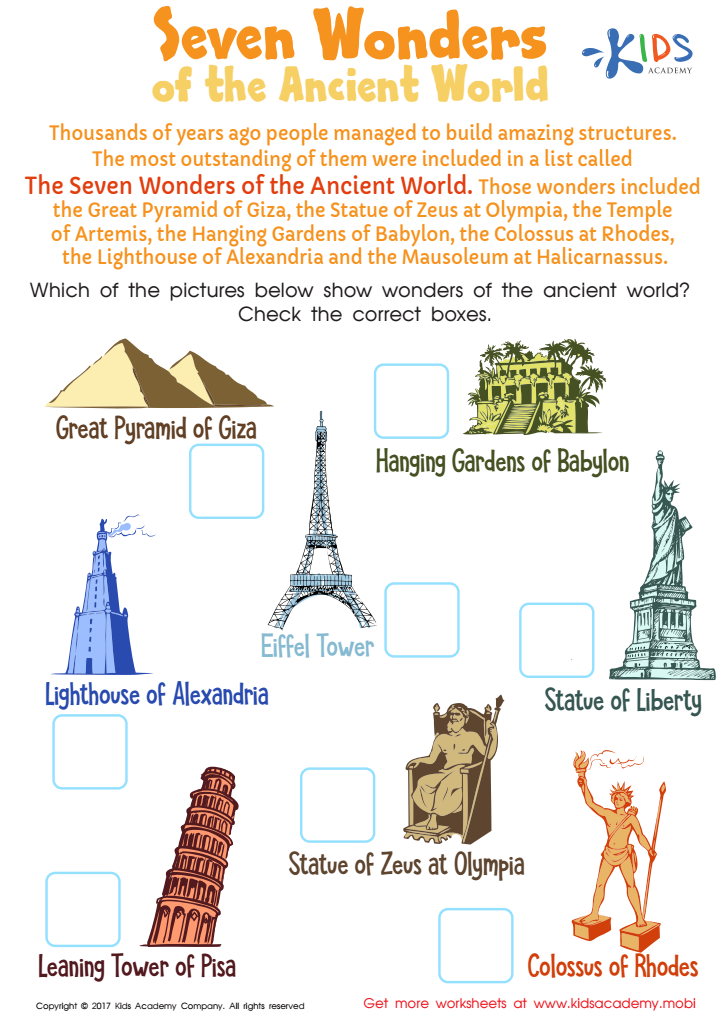
Seven Wonders of the Ancient World Worksheet
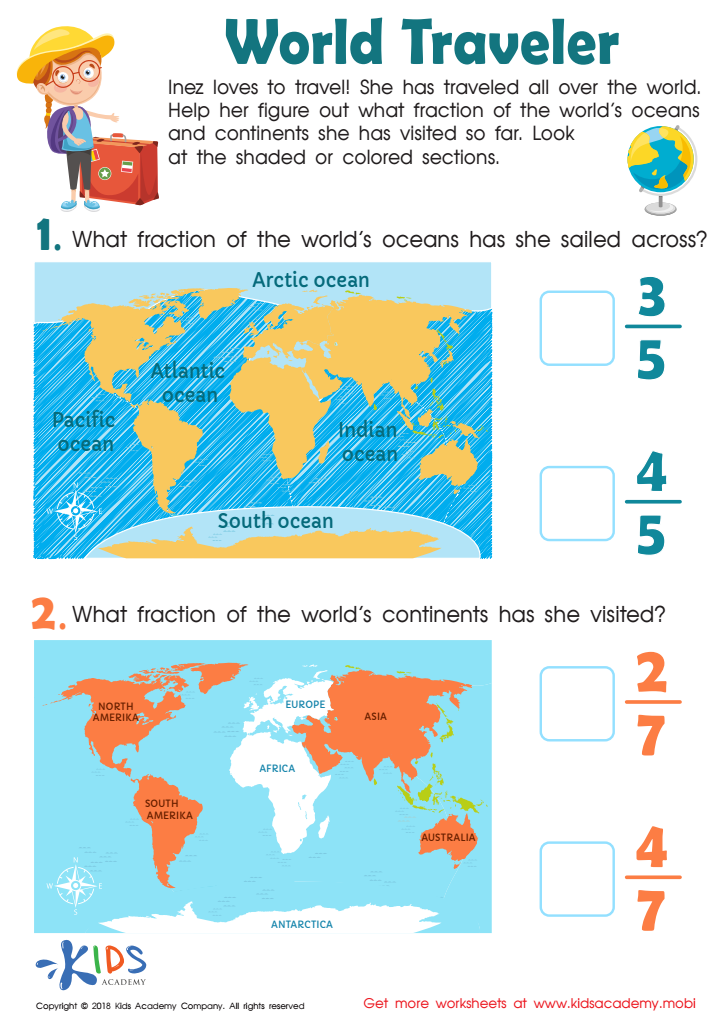
World Traveler Worksheet







Understanding geography is essential for children aged 5-8, as it forms the groundwork for their awareness of the world. At this age, children are naturally curious, and introducing them to geography helps them learn about diverse cultures, environments, and communities. This knowledge fosters a sense of belonging and identity, helping children appreciate their own place in the world.
Geography education enhances critical thinking and spatial awareness. Learning about maps, continents, and natural features allows children to conceptualize their surroundings and understand basic concepts like distance and location. It also helps them make connections between different places and global events as they grow.
Moreover, geography plays a significant role in nurturing empathy and global citizenship. By introducing young learners to other societies and ways of life, they develop respect and appreciation for diversity. This understanding equips them with the attitudes and skills needed to engage in a global society and address issues such as climate change, migration, and cultural differences.
Ultimately, teaching geography to young children promotes curiosity, critical thinking, and social responsibility, laying the foundation for informed, compassionate global citizens in the future. Parents and teachers should prioritize geography education to create an enriched learning experience.








