Identify shapes Worksheets for Ages 5-8
13 filtered results
-
From - To
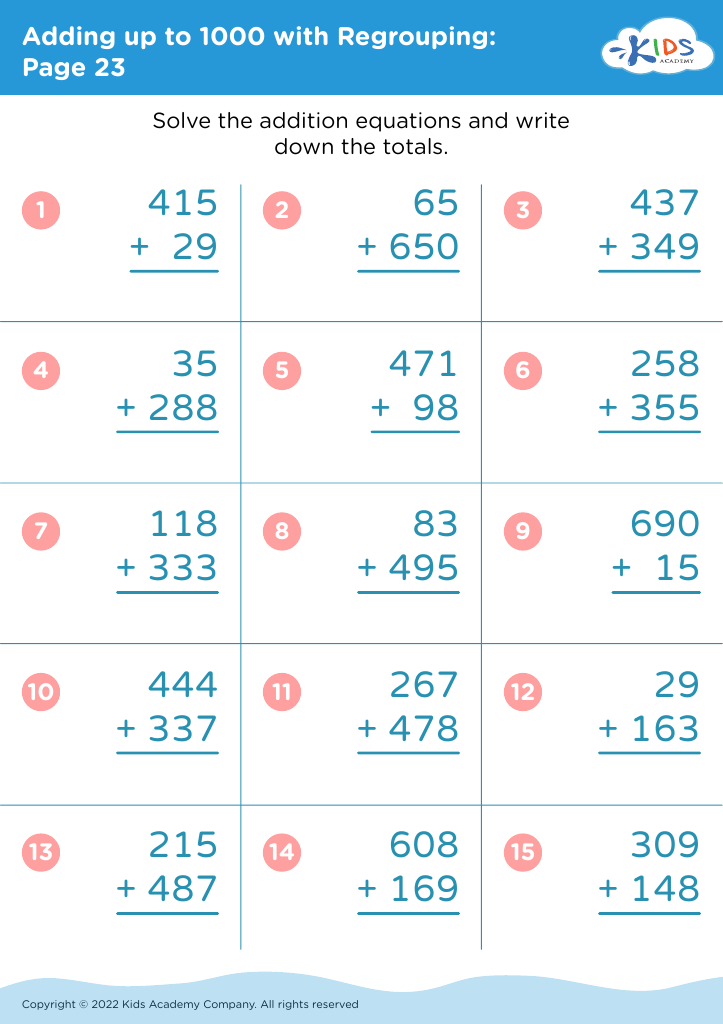
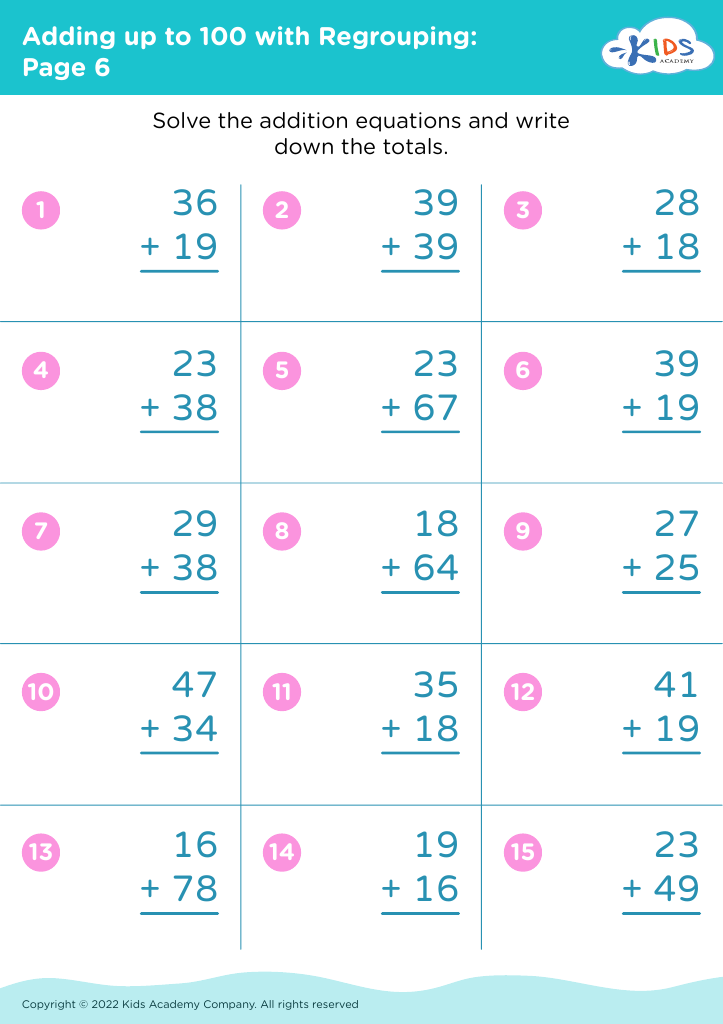
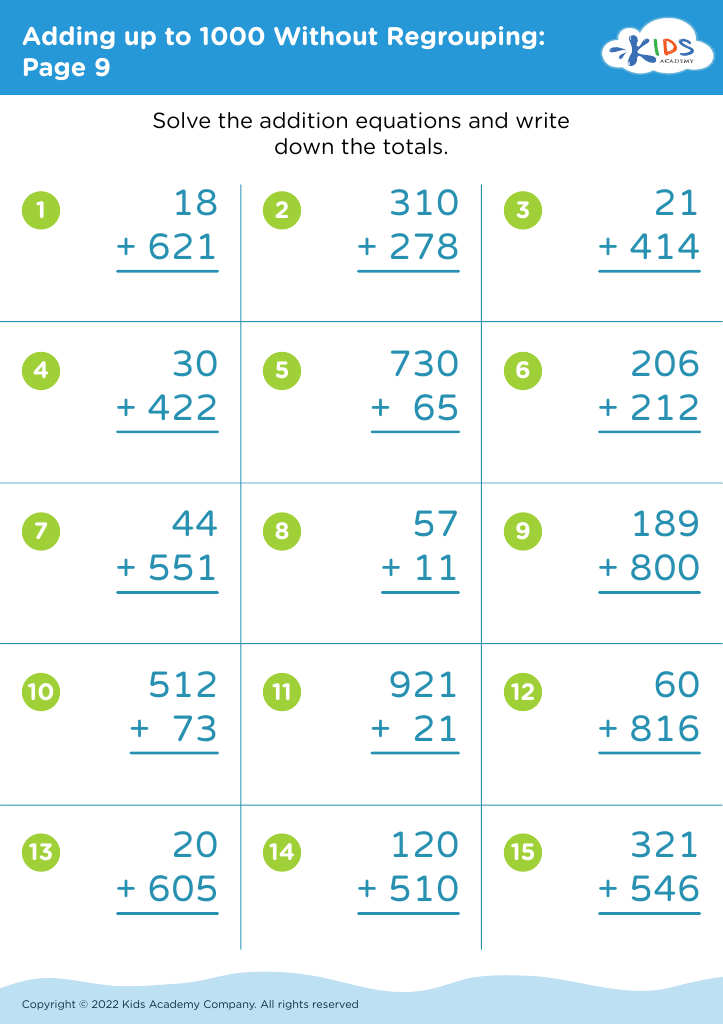
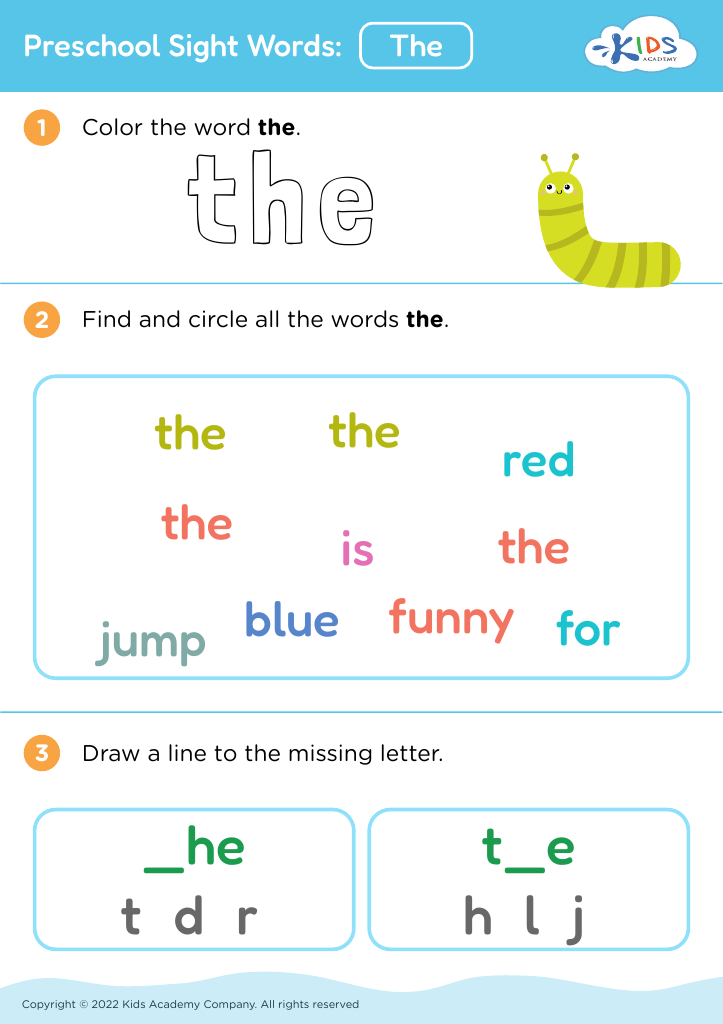
Welcome to our "Identify Shapes Worksheets" designed for kids ages 5-8! These engaging, colorful worksheets are perfect for young learners to explore and recognize various shapes, including circles, squares, triangles, and more. Each activity aims to enhance spatial awareness and develop critical observation skills through fun exercises, such as tracing, coloring, and matching. Our resources cater to different learning styles, ensuring every child can grasp these essential concepts. Whether used at home or in the classroom, our worksheets will make learning about shapes exciting and memorable. Start your child's journey into geometry with us today!
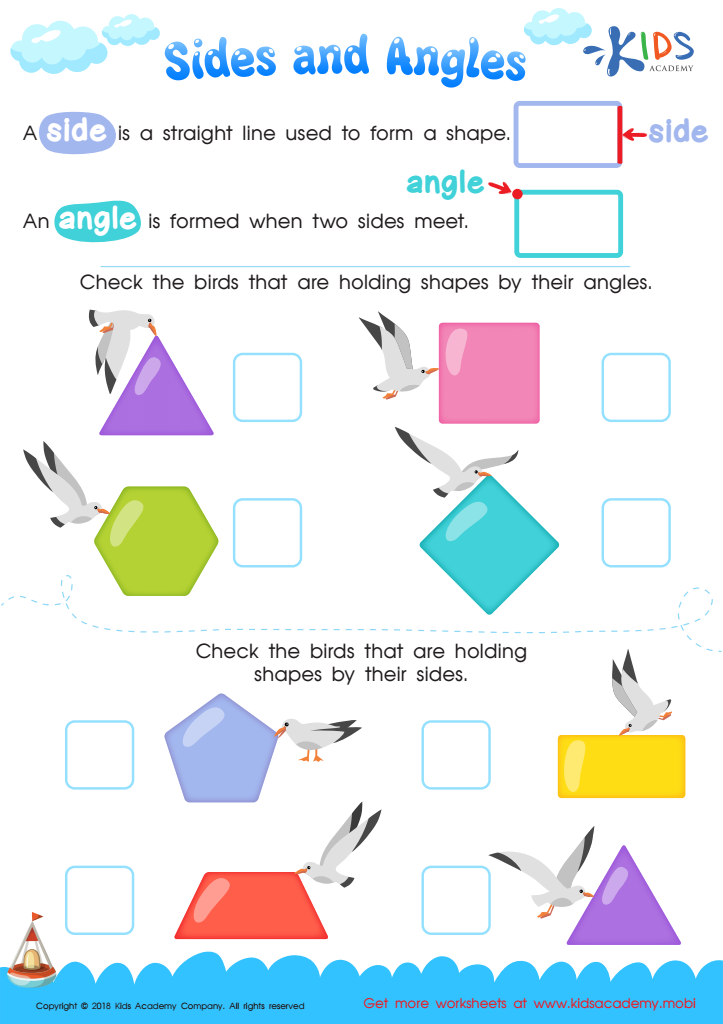
Sides and Angles Worksheet
 Assign to My Students
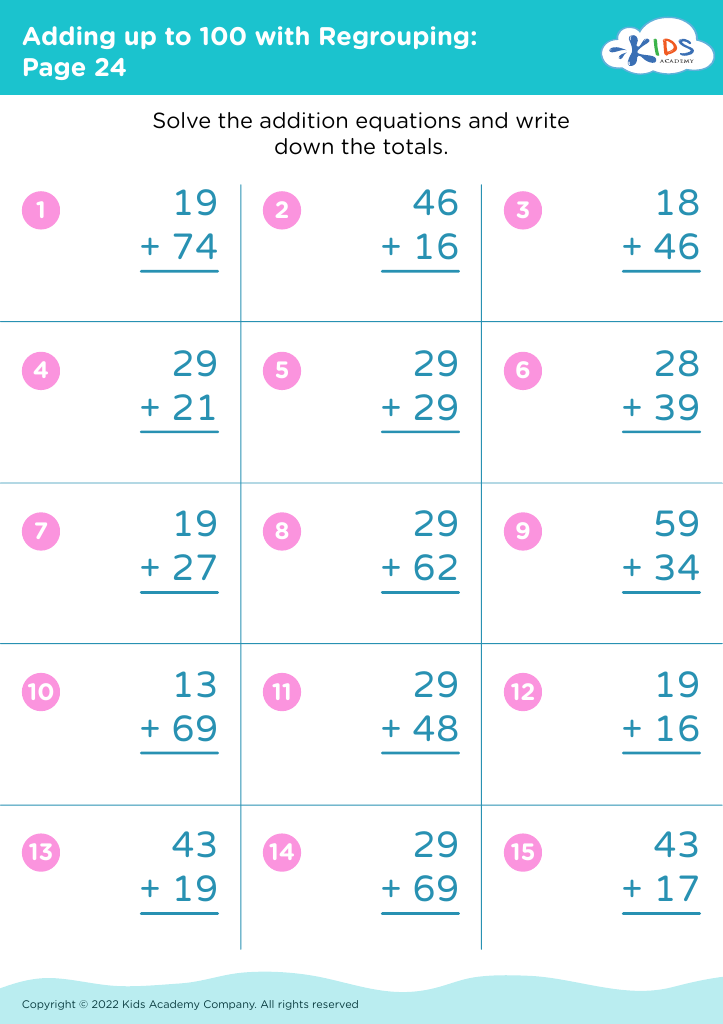
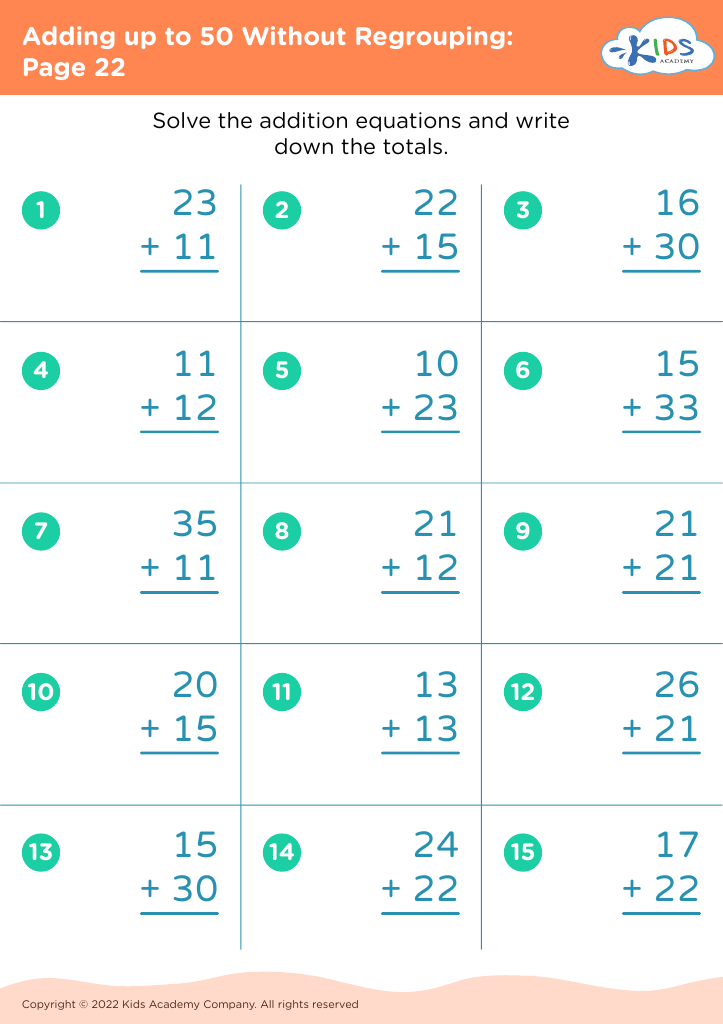
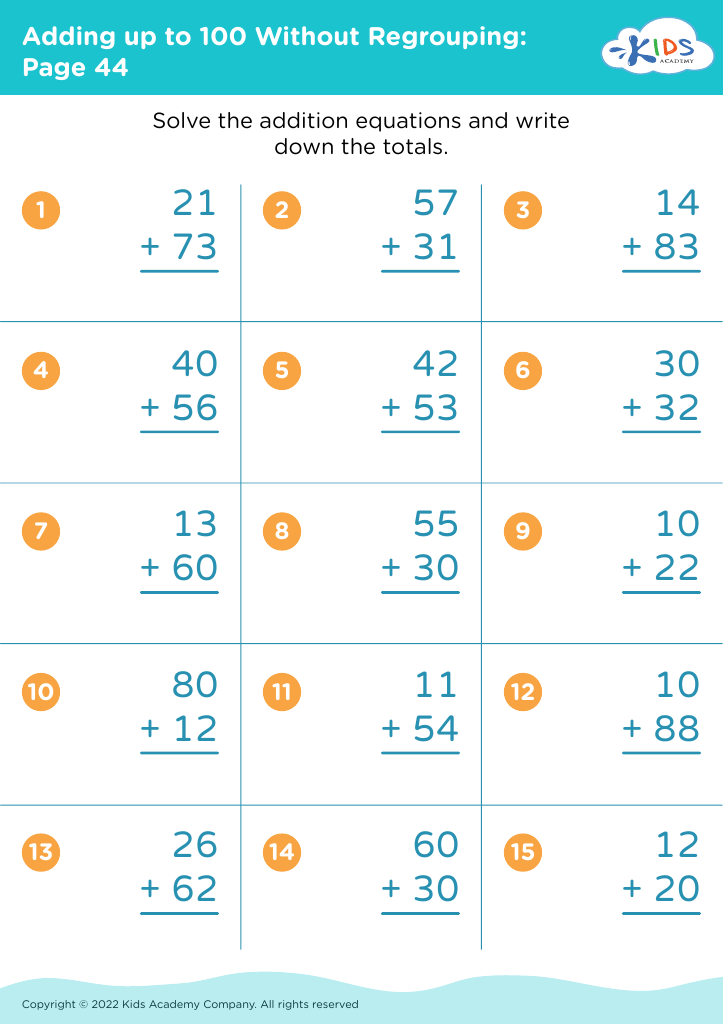



.jpg)




Identifying shapes is a fundamental skill for children aged 5-8, and it holds significant importance for both parents and teachers. At this age, children are naturally curious about their environment, and engaging with shapes helps foster critical thinking and observational skills. Recognizing different shapes lays the groundwork for more complex geometric concepts they will encounter later in their education.
Understanding shapes enhances spatial awareness, which is crucial for activities like reading maps, solving puzzles, and even in physical activities like sports. Additionally, shape recognition contributes to mathematical literacy, as children start to relate shapes to numbers, patterns, and symmetry. This foundational skill also supports language development, as children learn vocabulary related to geometry, making it easier for them to express their thoughts and ideas.
Moreover, incorporating shapes into everyday activities provides meaningful learning experiences. Parents and teachers can create fun and interactive games that reinforce shape identification, making learning enjoyable. As children gain confidence in identifying shapes, they develop a sense of accomplishment that boosts their self-esteem. Overall, focusing on shape recognition nurtures essential cognitive abilities, preparing young learners for future academic challenges while also enriching their everyday experiences.








