Identifying fractions Worksheets for Ages 5-8
7 filtered results
-
From - To
Teach young learners the basics of fractions with our fun and engaging "Identifying Fractions Worksheets for Ages 5-8." Perfect for early grade students, these worksheets simplify complex concepts using colorful visuals and interactive activities. Kids will learn to recognize and name fractions while having fun with hands-on practice. Suitable for both classroom and at-home learning, our worksheets offer a variety of exercises to master fractions, enhancing their math skills. Designed to align with foundational math standards, these resources ensure a strong mathematical foundation. Boost your child's confidence and numeracy skills with our expertly crafted worksheets today!
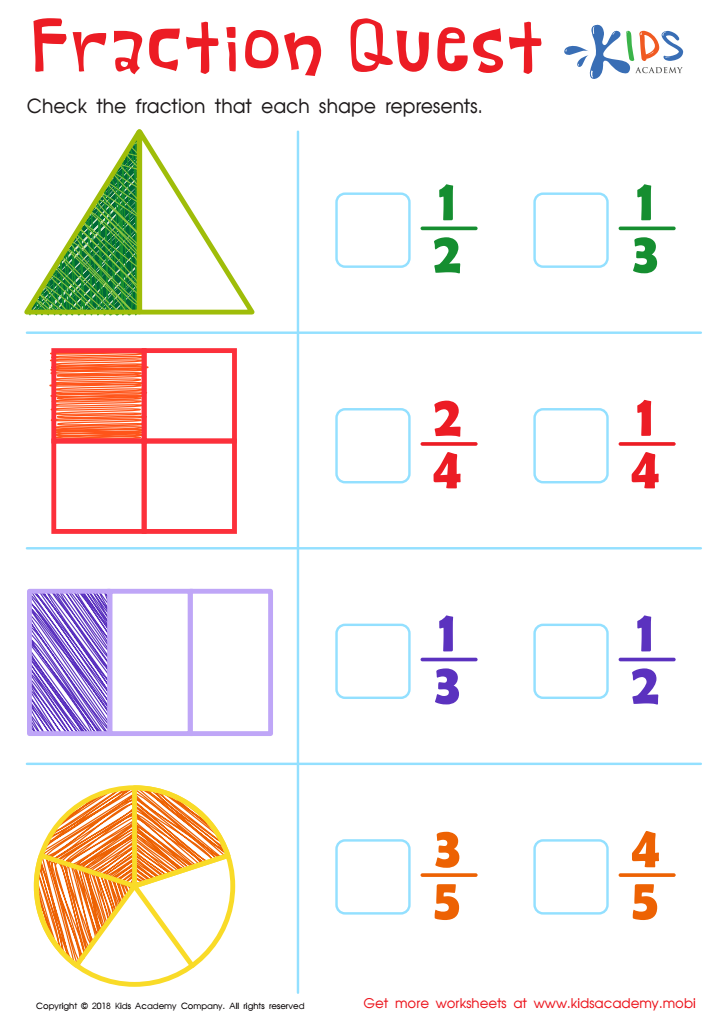
Fraction Quest Worksheet
 Assign to My Students
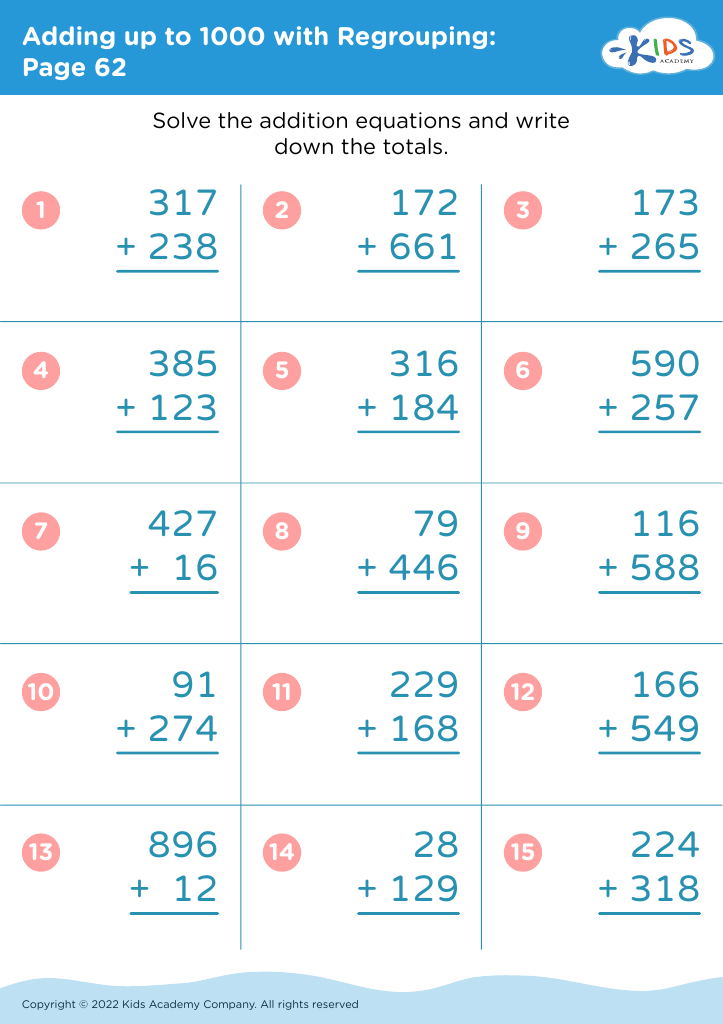
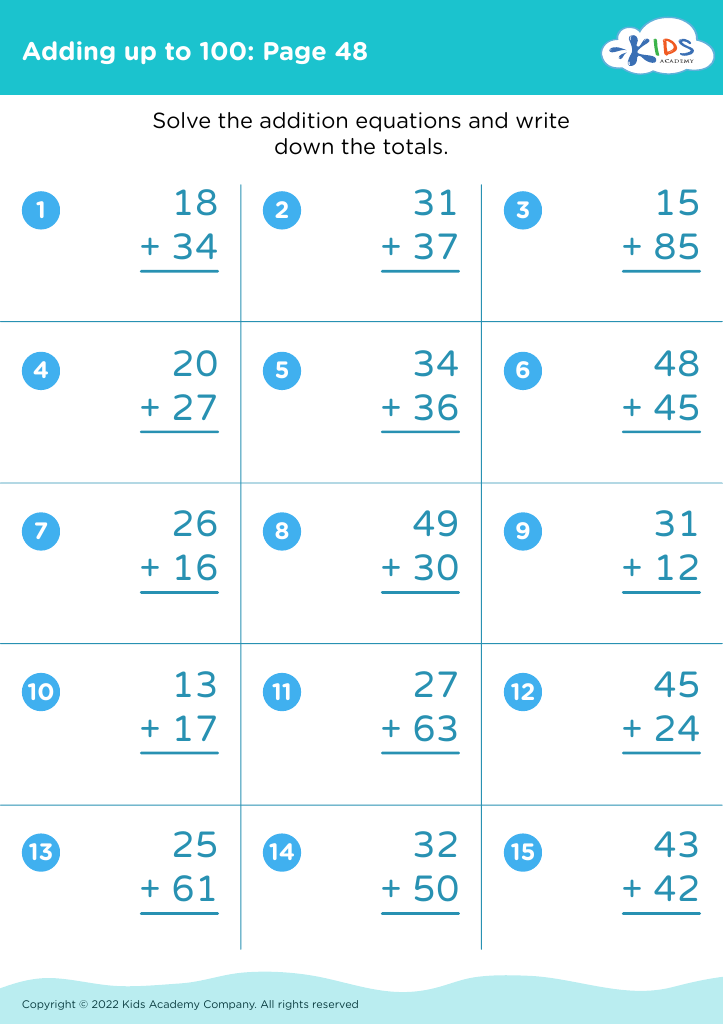
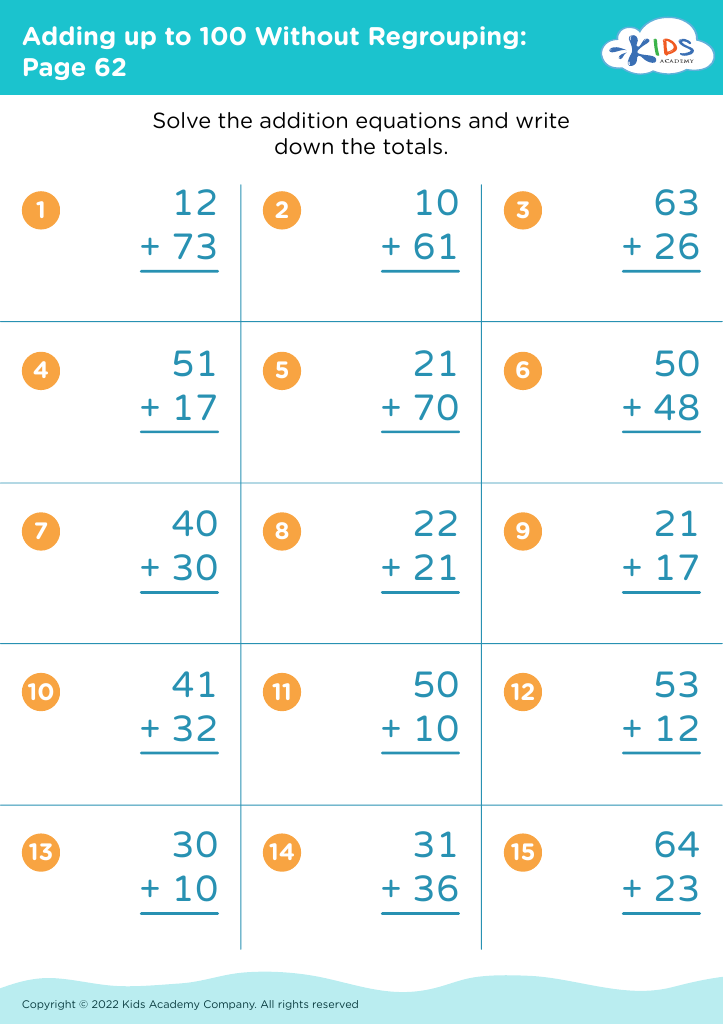








Understanding fractions at an early age is crucial for children’s mathematical development. Parents and teachers should care about introducing this concept to children aged 5-8 because it lays the foundation for future success in math. Fraction knowledge is integral to more advanced math topics such as division, algebra, and geometry. Early exposure helps students develop strong number sense, spatial reasoning, and problem-solving skills.
Moreover, fractions are not just academic; they are prevalent in everyday life. Whether sharing equally, cooking, shopping, or understanding sports statistics, a grasp of fractions helps children relate math to their world, making it more relevant and engaging.
Teaching fractions to young children also builds confidence. When children master foundational concepts early on, they feel more capable and positive about learning new, challenging topics. This positive attitude towards learning, in turn, fosters a lifelong love for education.
Lastly, accommodating diverse learning styles is easier at a young age. Introducing fractions through visual aids like pie charts, physical objects like fraction bars, and interactive activities helps cater to different learning preferences. By nurturing a thorough understanding of fractions early, parents and teachers can support holistic academic growth and practical life skills development.








