Mathematical problem-solving Worksheets for Ages 5-8
8 filtered results
-
From - To
Discover engaging and educational mathematical problem-solving worksheets designed for kids ages 5-8! Our collection focuses on building essential skills like addition, subtraction, patterns, and logical thinking through fun and interactive exercises. These printable worksheets are perfect for enhancing critical thinking at home or in the classroom. Tailored for young learners, each activity stimulates curiosity and develops a solid foundation in math. Visit Kids Academy for a rich selection of worksheets that make learning math an exciting adventure. Empower your child today with our expertly crafted, hands-on problem-solving resources!
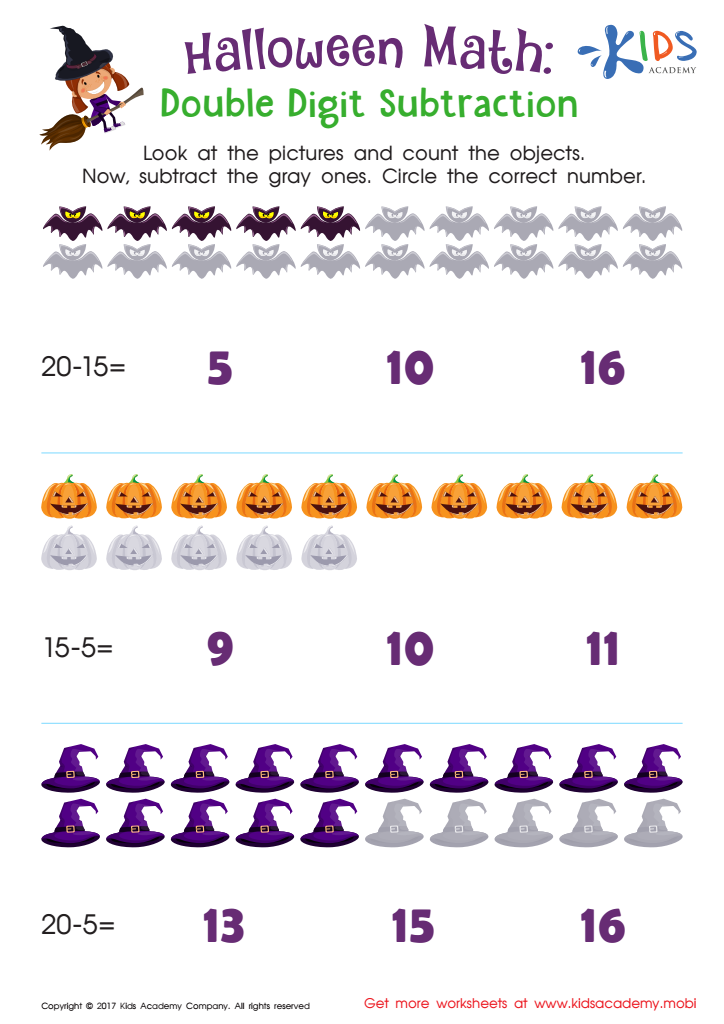
Halloween Math Subtraction Worksheet
 Assign to My Students
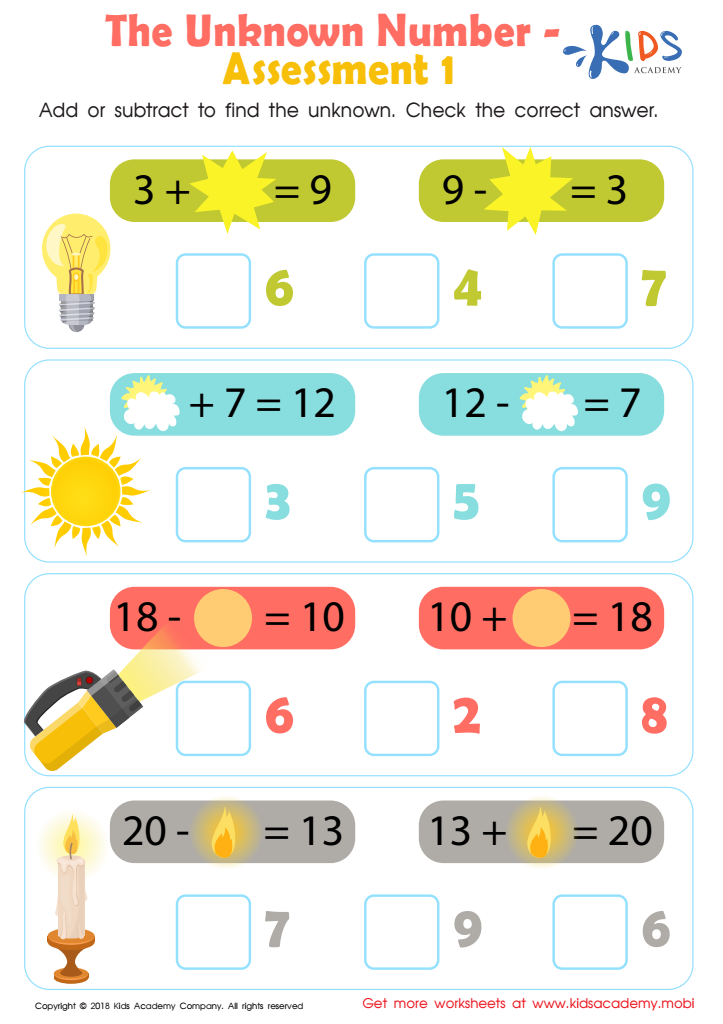
The Unknown Number: Assessment 1 Worksheet
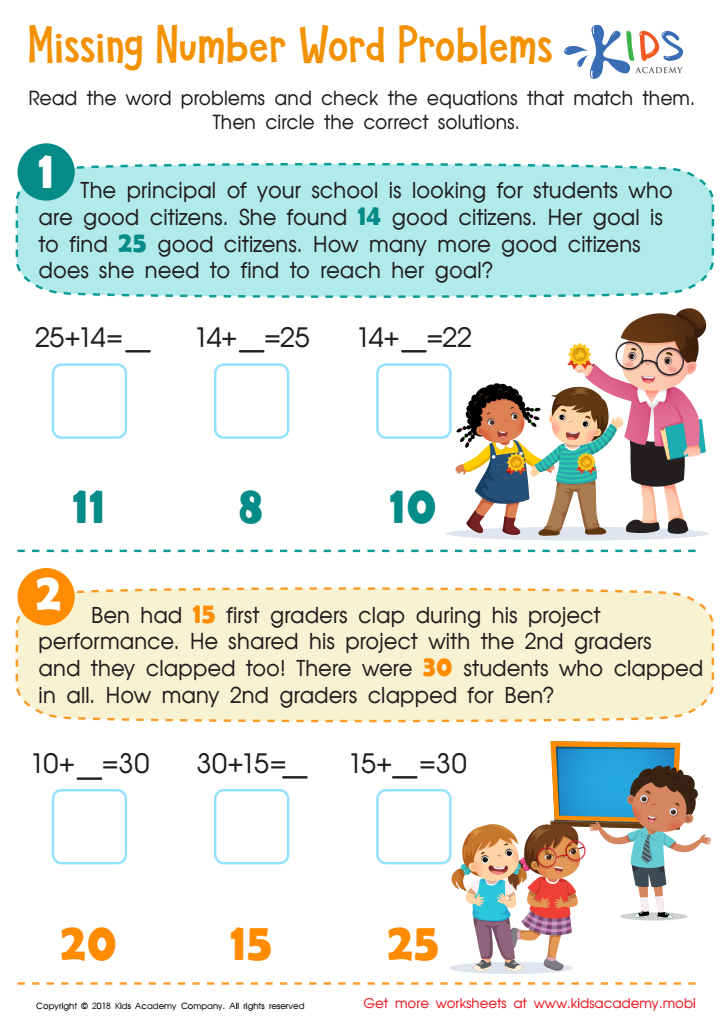
Missing Number Word Problems Worksheet
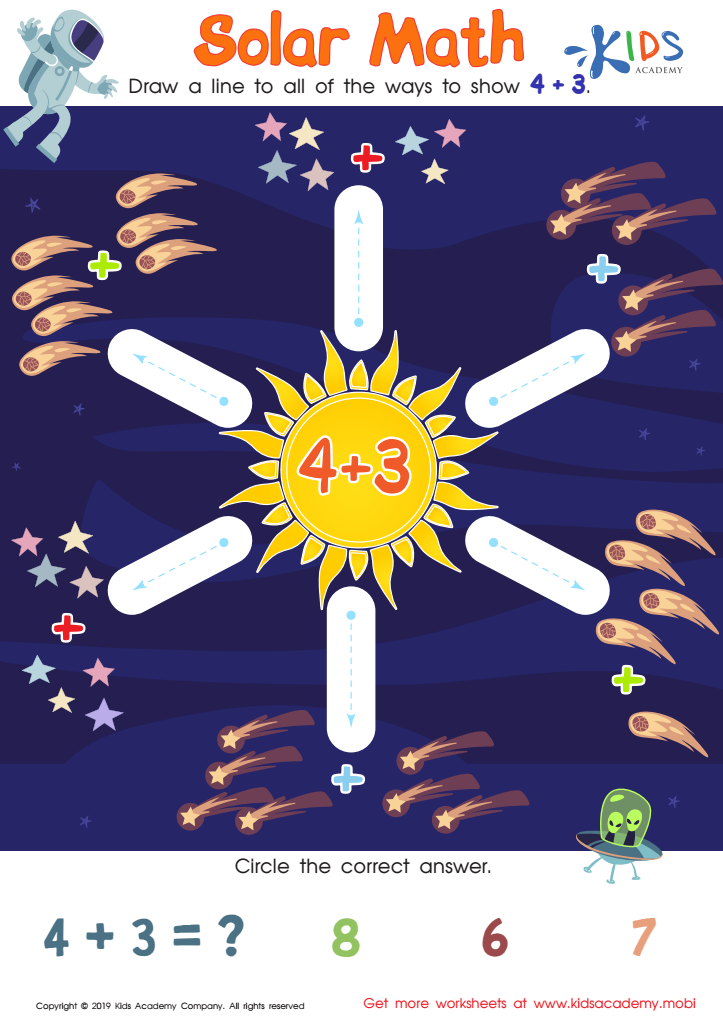
Solar Math Worksheet
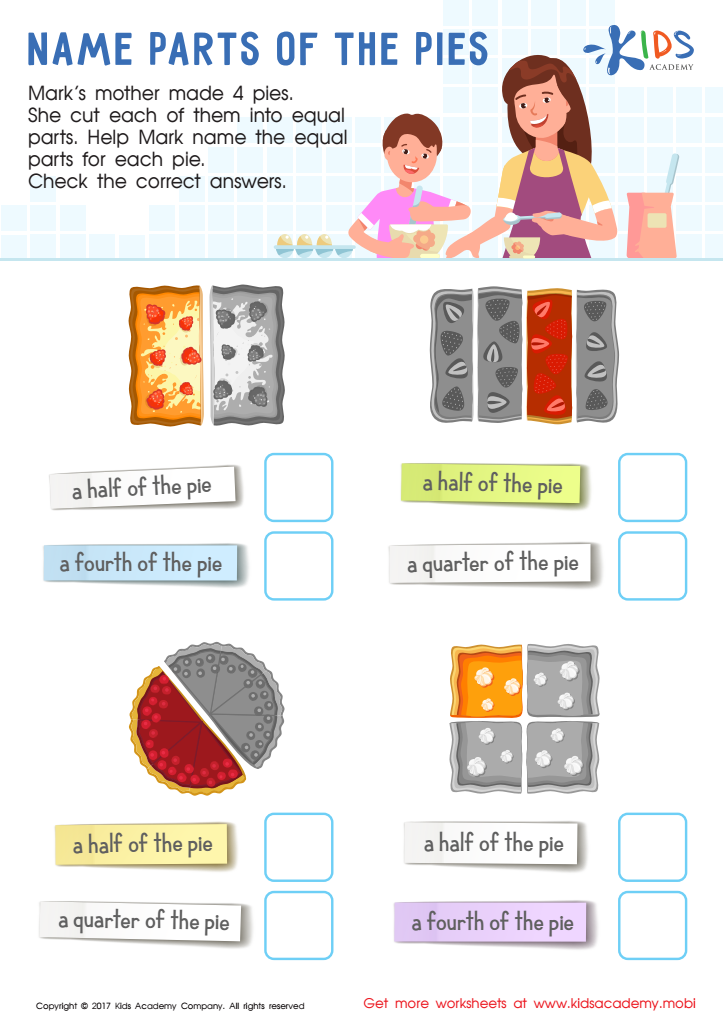
Name Parts of the Pies Worksheet

Comparisons Worksheet
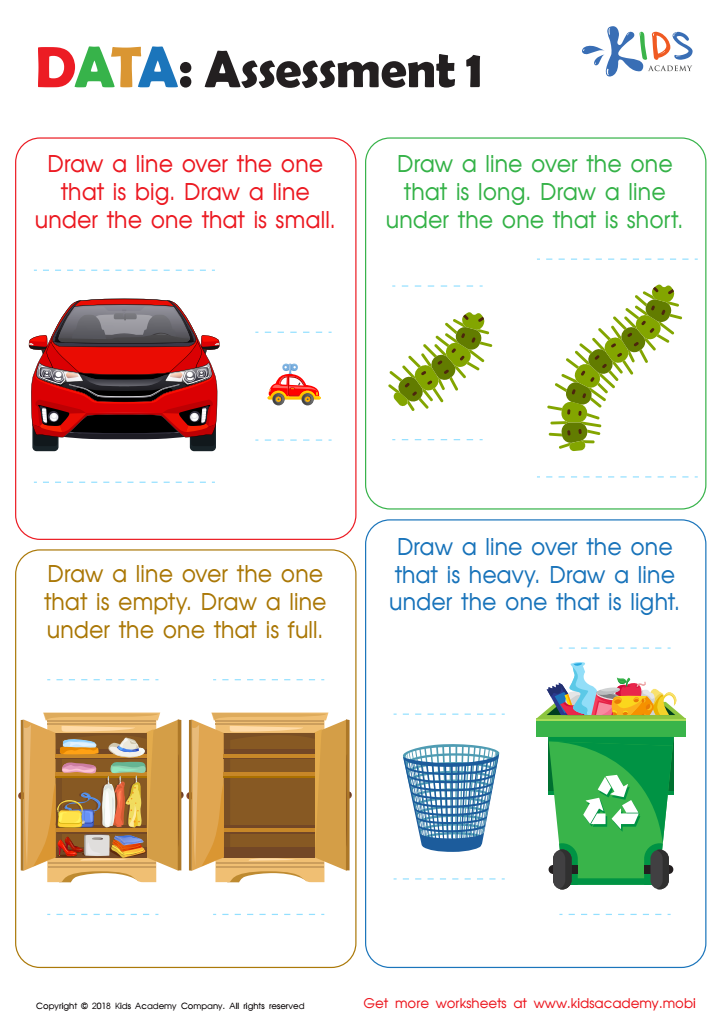
Data: Assessment 1 Worksheet
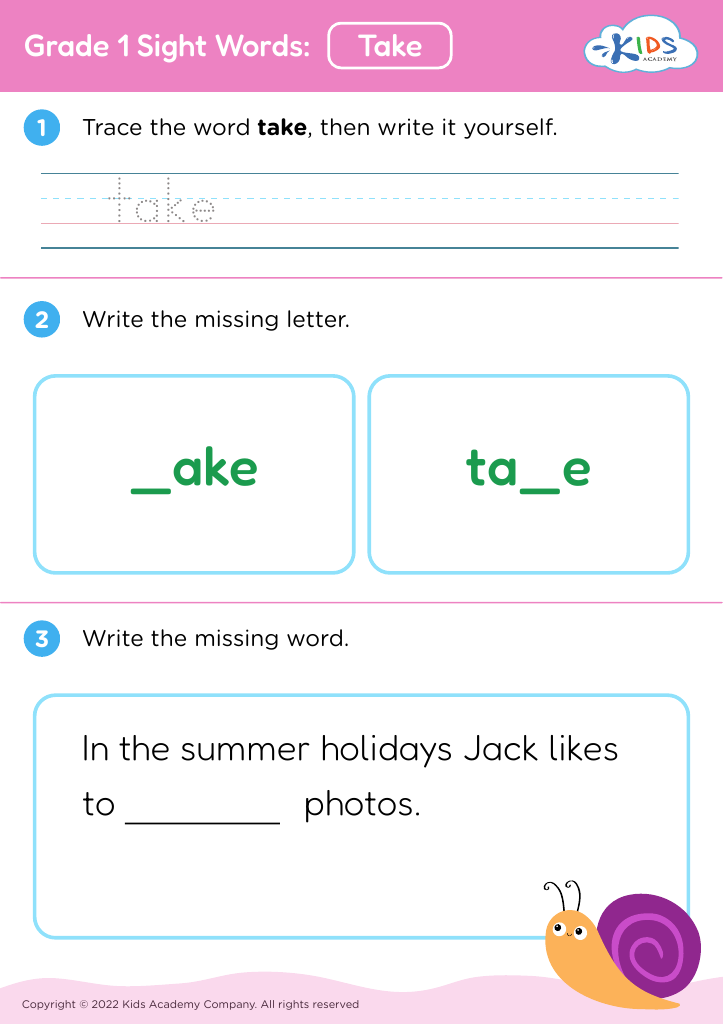


%20(1).jpg)




Mathematical problem-solving for children ages 5-8 is crucial as it lays the foundation for critical thinking and cognitive development. At this impressionable age, engaging with problems helps youngsters understand how to approach challenges, reason logically, and connect abstract concepts to real-world situations. By solving small-scale problems, children not only grasp basic mathematical principles like addition, subtraction, and pattern recognition but also build confidence in their problem-solving abilities—a skill that transcends beyond math class.
Moreover, early exposure to math problem-solving prepares kids for future academic success. Proficiency in math is a strong predictor of achievement in other subjects such as science and technology. When children practice these skills early on, they develop a positive attitude towards learning and a growth mindset, recognizing that persistence and practice can lead to improvement.
For parents and teachers, fostering a supportive and stimulating environment where mathematical challenges are seen as fun and engaging instead of intimidating makes a significant difference. Activities like puzzles, interactive games, and age-appropriate problem-solving tasks encourage a love for math. Importantly, this engagement allows children to see the applicability of math in everyday life, making the subject more relevant and less abstract, thus setting a powerful precedent for lifelong learning.








