Number ordering Worksheets for Ages 5-8
3 filtered results
-
From - To
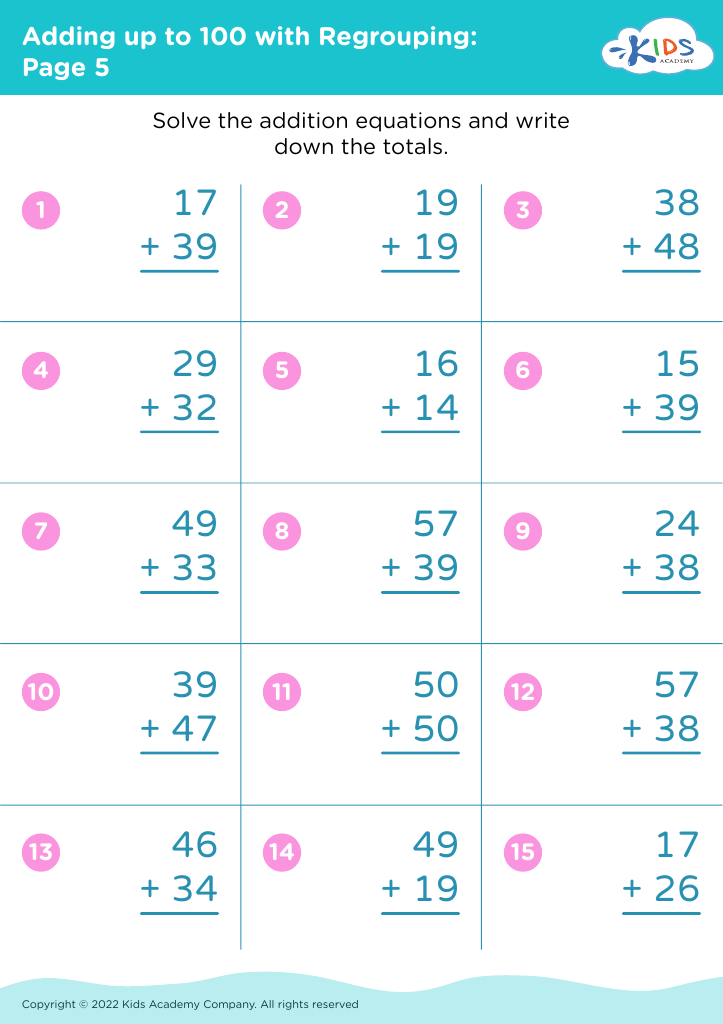
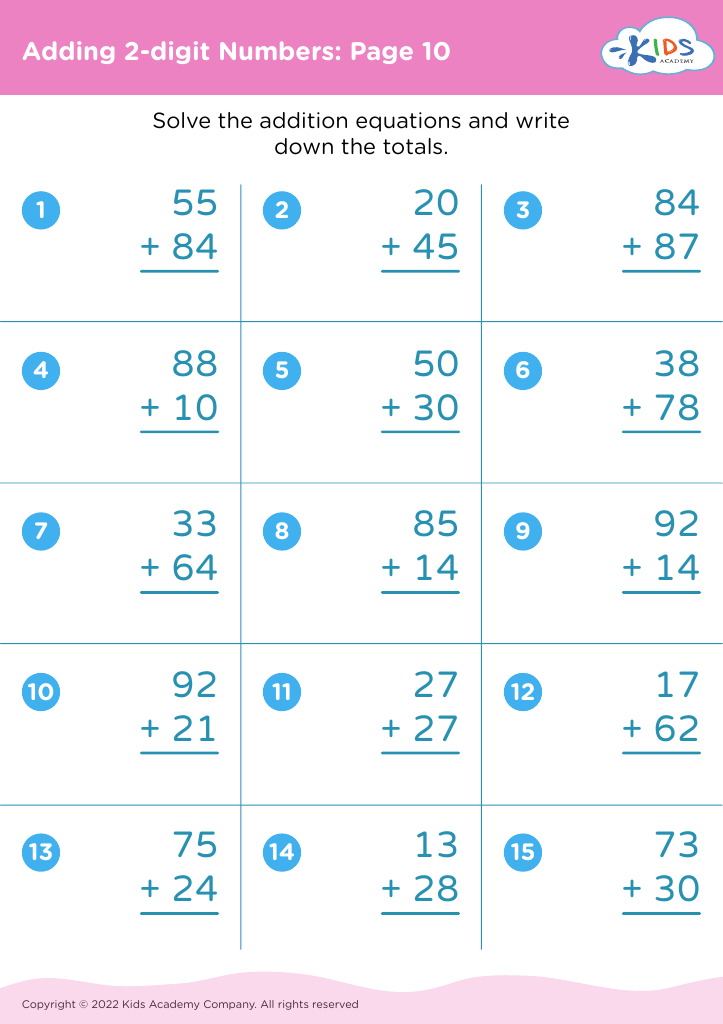
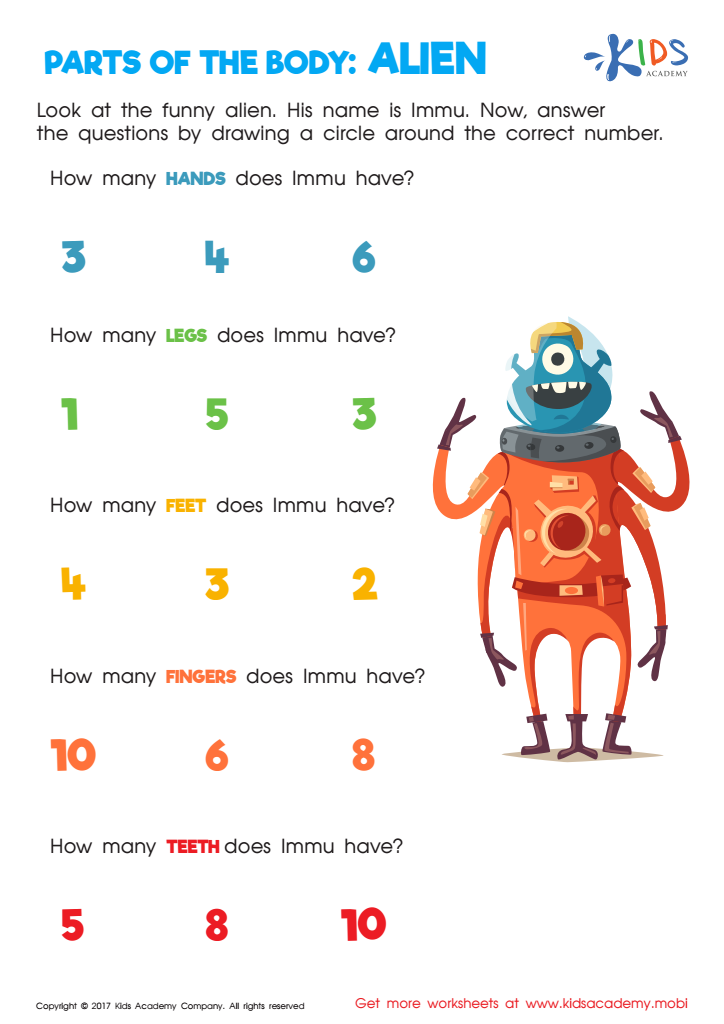
Enhance your child's number skills with our engaging Number Ordering Worksheets designed for ages 5-8. These worksheets help kids learn the essential concept of arranging numbers in sequence, fostering their understanding of numerical relationships and comparisons. With fun illustrations and various exercises, children will enjoy practicing their number ordering skills while building confidence in math. Perfect for classroom activities or homeschooling, our printable resources are easy to access and suitable for different learning styles. Watch your child's mathematical thinking develop as they master the art of ordering numbers. Explore our collection today and make learning numbers enjoyable!
Alien Worksheet
 Assign to My Students







Number ordering is a fundamental skill that forms the basis for later mathematical understanding. For children ages 5-8, the ability to order numbers helps them grasp concepts such as greater than, less than, and the idea of sequences. This understanding is crucial not only for mathematics but also for real-life situations, such as understanding time, money, and measurements.
When children learn to order numbers, they develop critical thinking skills as they compare different values and make decisions based on numerical relationships. This skill fosters their ability to organize thoughts systematically and enhances their problem-solving capabilities. Furthermore, strong number ordering skills can boost a child's confidence in their mathematical abilities, encouraging them to engage more actively in math-related activities.
For parents and teachers, reinforcing this skill through interactive games, practical examples, and daily life experiences can create a solid foundation. Engaging children in fun activities—such as arranging numbered cards or counting items in different sequences—makes learning enjoyable and effective. By nurturing these skills early on, parents and teachers set children up for future academic success, where a strong grasp of concepts like addition, subtraction, and even basic algebra is essential. Overall, caring about number ordering equips children with essential tools for their educational journeys.








