Practice division Worksheets for Ages 5-8
4 filtered results
-
From - To
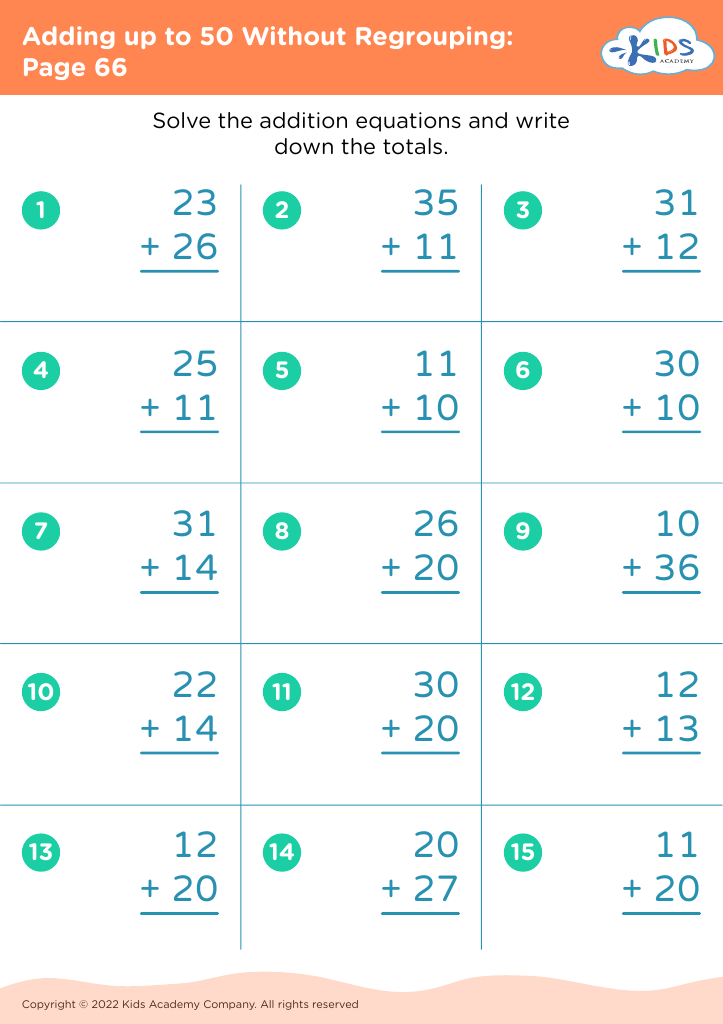
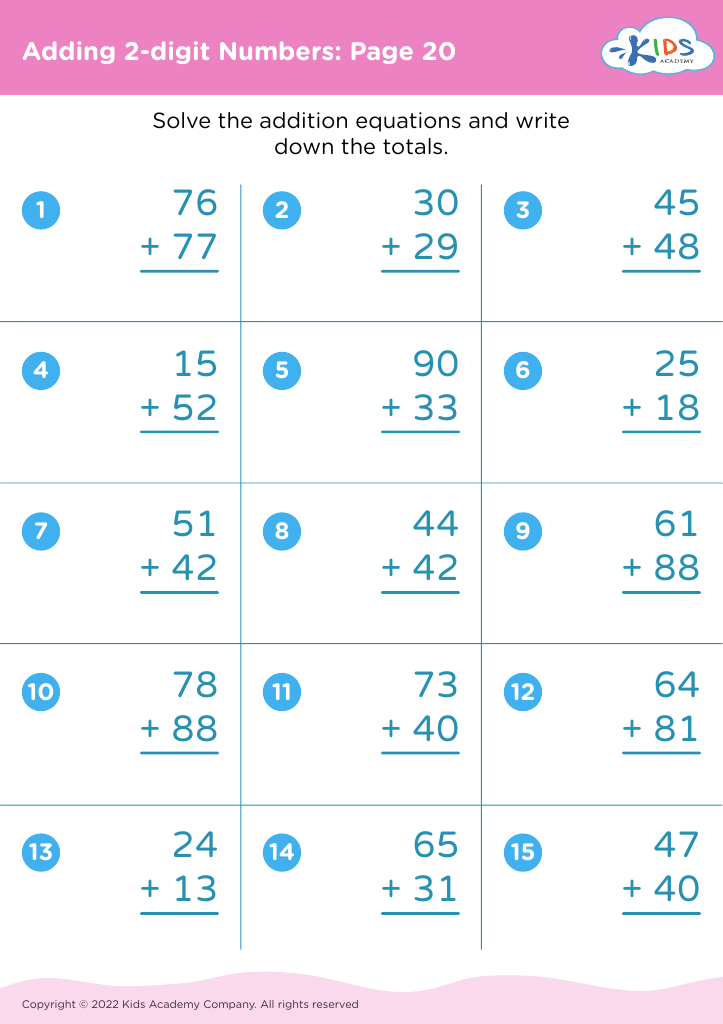
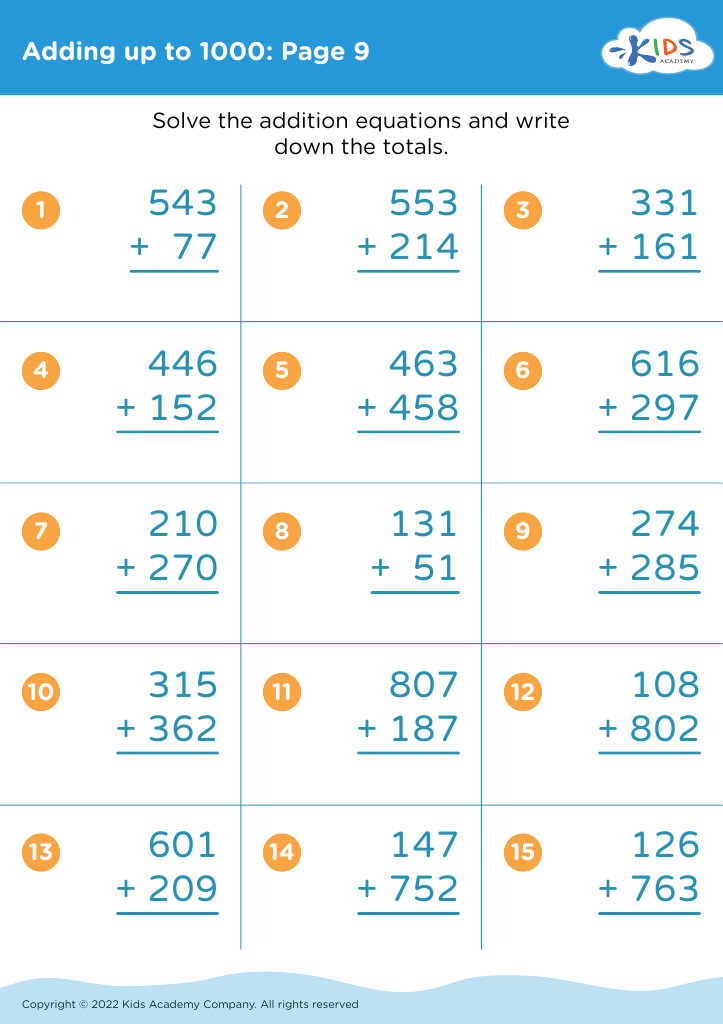
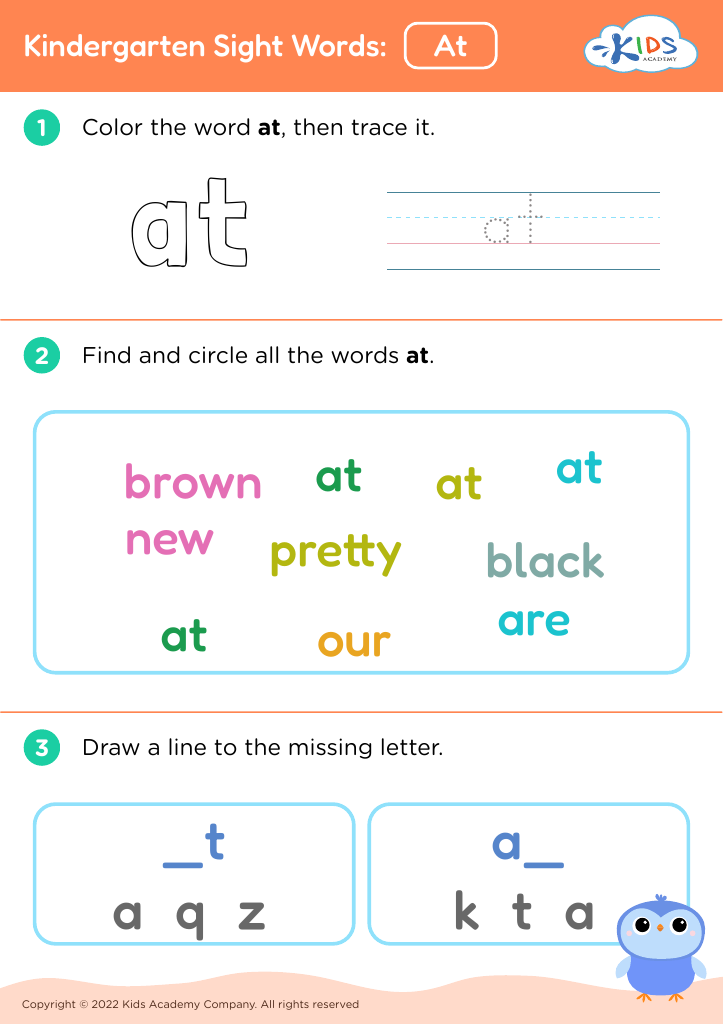
Help your child master division with our engaging Practice Division Worksheets for Ages 5-8. Specifically designed for young learners, these printable worksheets make learning division concepts fun and approachable. With colorful illustrations and easy-to-follow instructions, kids can practice dividing numbers visually and through simple problems. These activities not only build foundational math skills but also boost confidence in early learners. Perfect for use at home or in the classroom, our division worksheets provide an enjoyable way for children to develop critical thinking and problem-solving abilities. Start your child's division journey today with Kids Academy’s expertly crafted resources!


.jpg)



.jpg)

Parents and teachers should prioritize practicing division for children ages 5-8 because it lays a critical foundation for future mathematical learning and cognitive development. While more advanced division isn't typically introduced until later, early exposure helps students grasp the basic concepts of sharing and grouping, which are fundamental building blocks for later mathematical skills.
Understanding division enhances problem-solving abilities and logical thinking. It encourages children to recognize patterns and relationships between numbers, which can boost their confidence as they tackle more complex math problems. Introducing division concepts—such as equal sharing through hands-on activities—promotes active and engaging learning, making math more enjoyable and less intimidating.
Early practice with division also supports overall academic growth. Mathematics competency is linked to better performance in other subjects, including science and technology. By grasping division early, children can develop a positive attitude towards math, fostering a lifelong interest and resilience in the subject.
Moreover, division nurtures real-world skills. From understanding portions when sharing snacks to evenly distributing resources in everyday tasks, the ability to divide enhances practical life skills. Therefore, by focusing on early practice of division, parents and teachers equip children with essential tools for both their academic journey and everyday lives.








