Problem-solving abilities Worksheets for Ages 5-8 - Page 3
65 filtered results
-
From - To
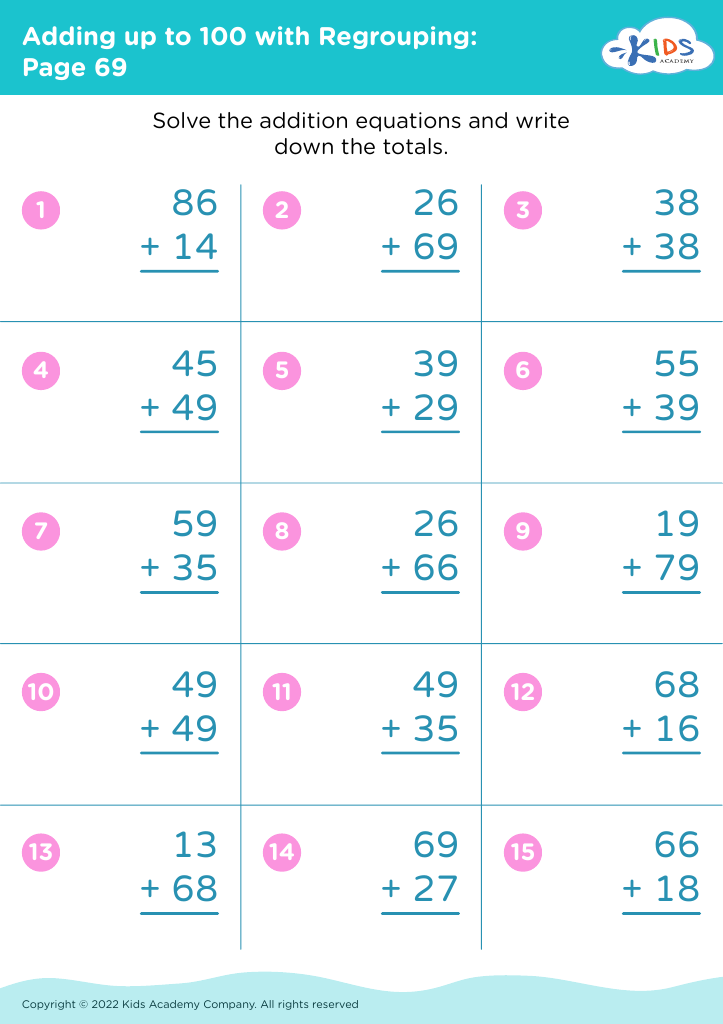
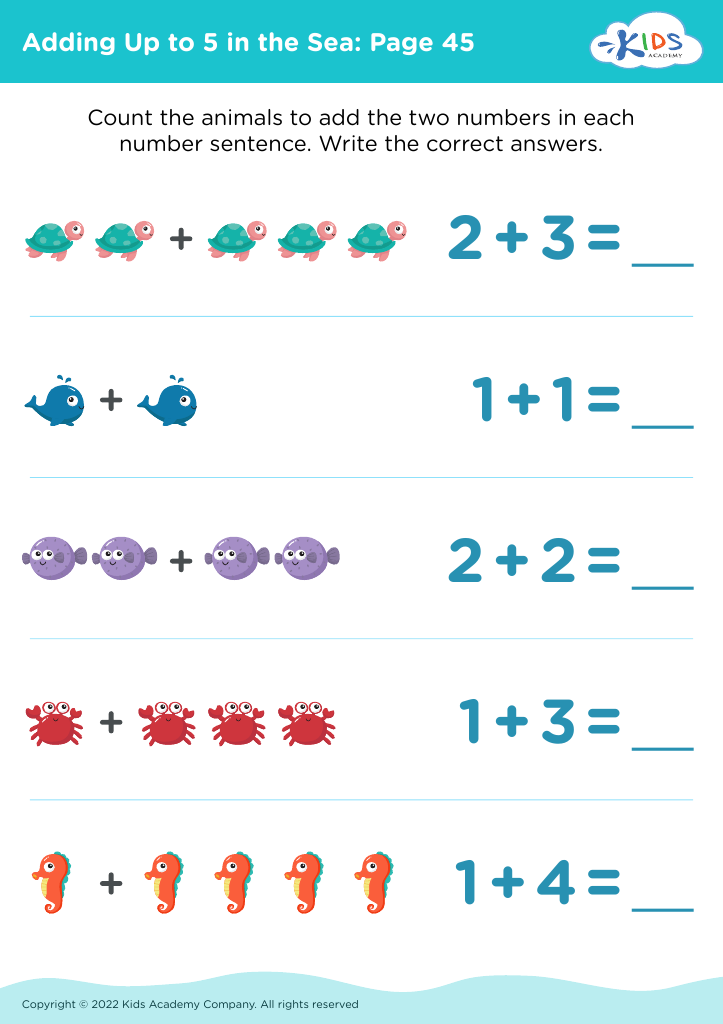
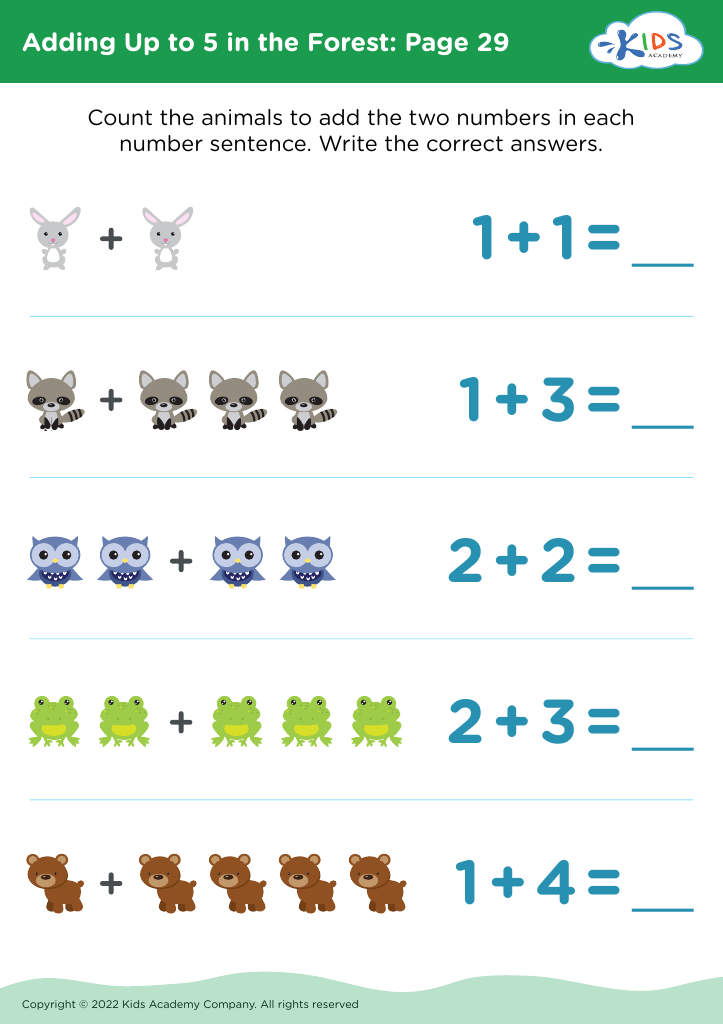
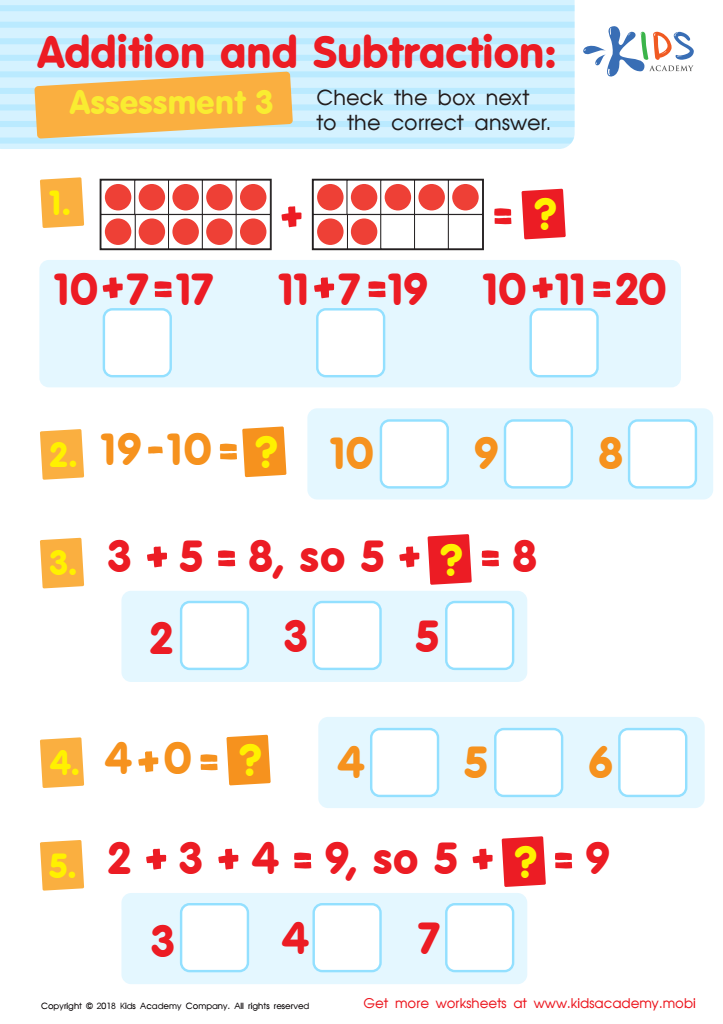
Addition and Subtraction Assessment 3 Worksheet
 Assign to My Students

Sweet Shop – Counting Coins Worksheet
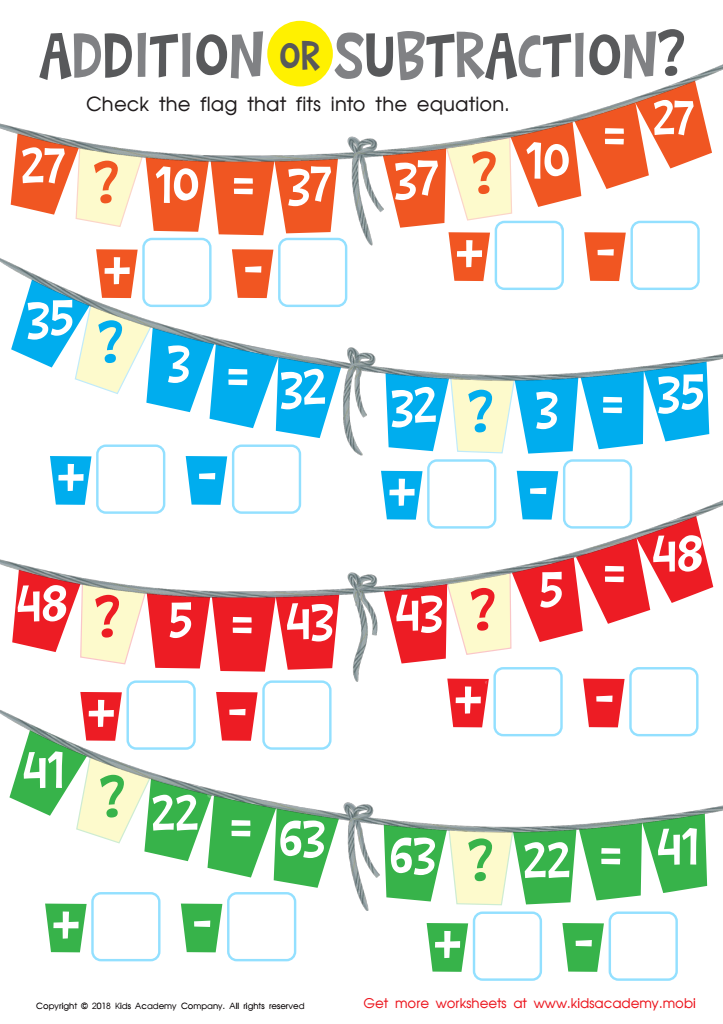
Addition or Subtraction? Worksheet
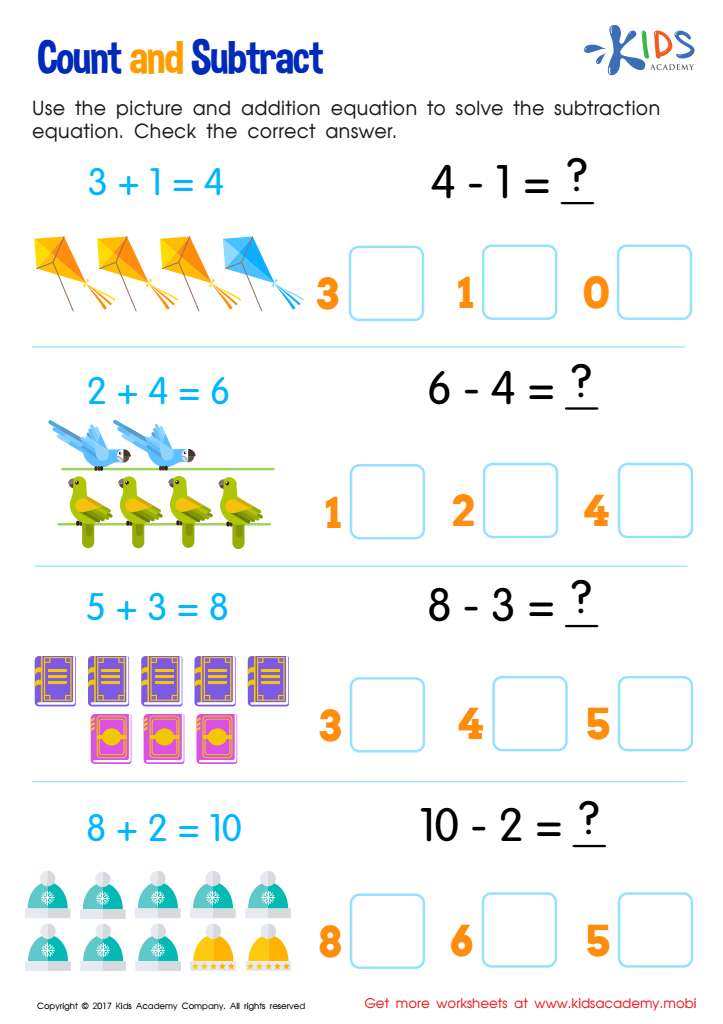
Count and Subtract Worksheet
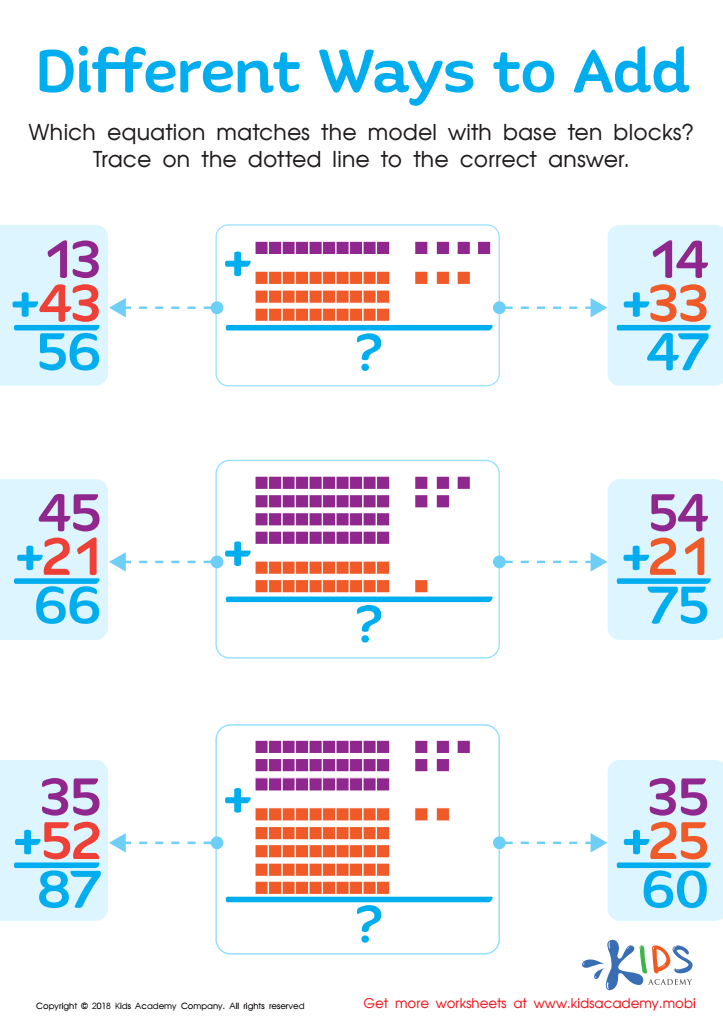
Different Ways to Add Worksheet
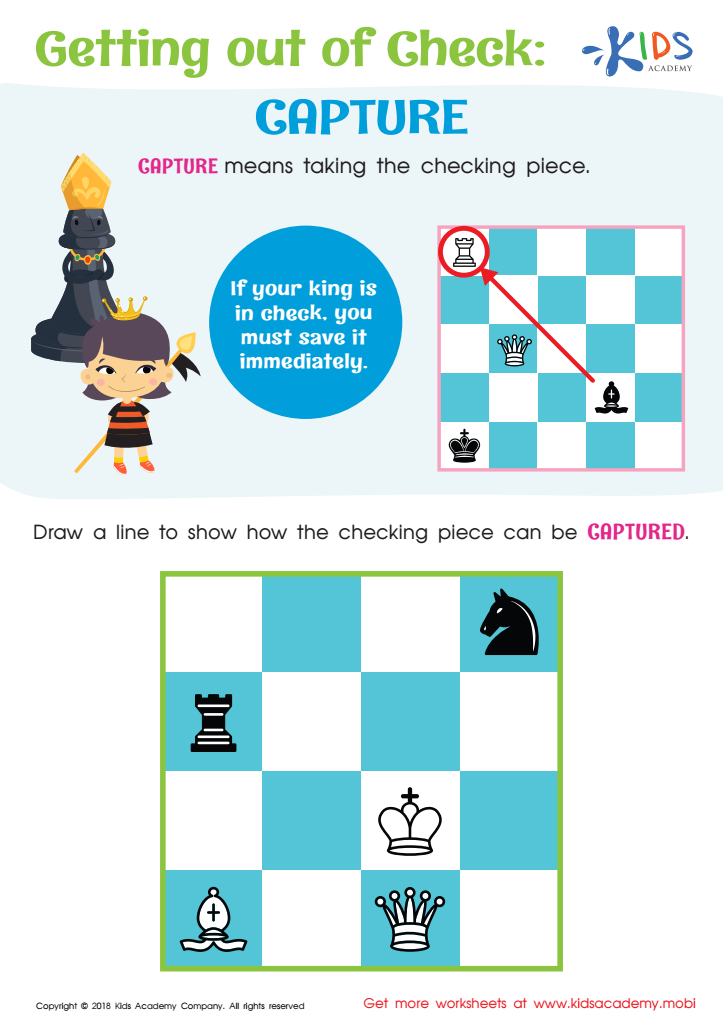
Getting out of Check: Capture

Sudoku Worksheet
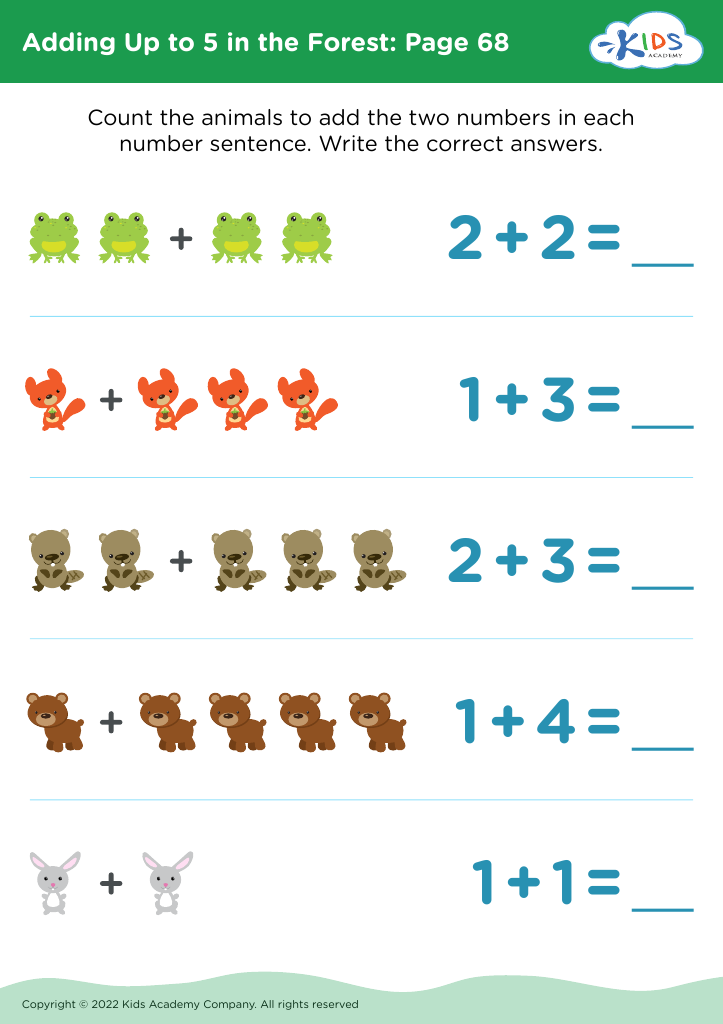
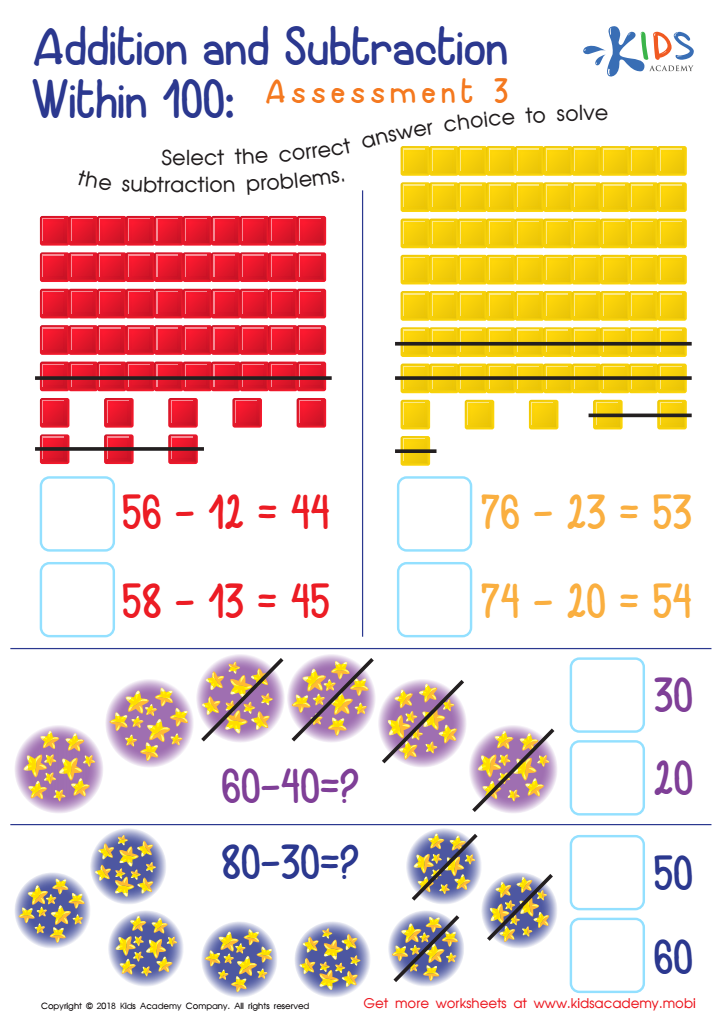
Addition and Subtraction Within 1: Assessment 3 Worksheet
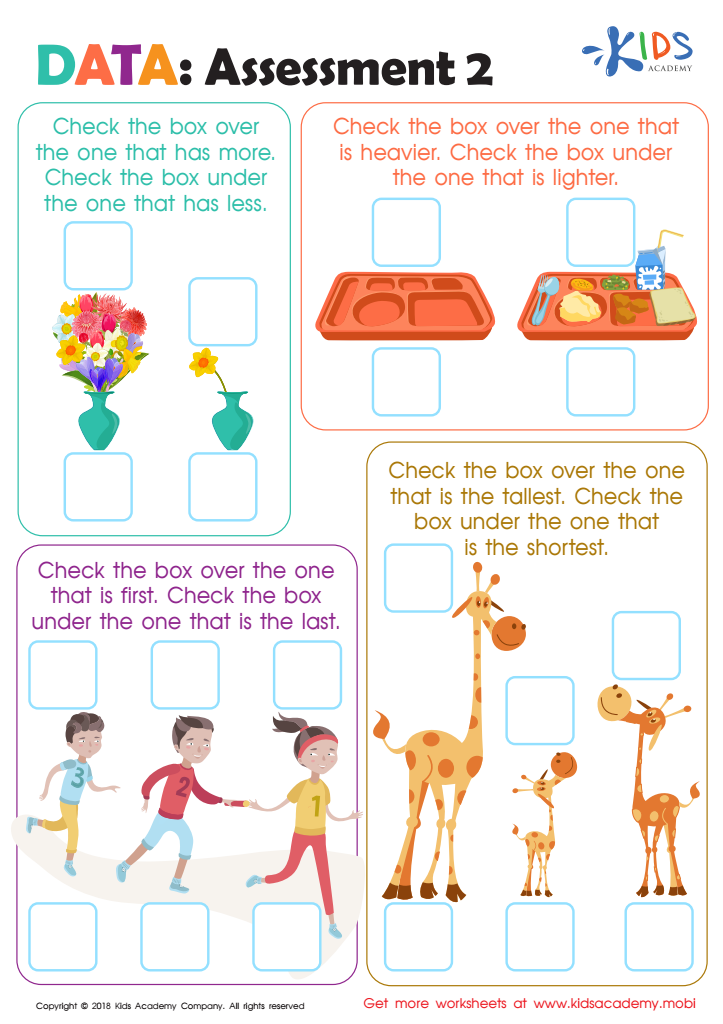
Data: Assessment 2 Worksheet
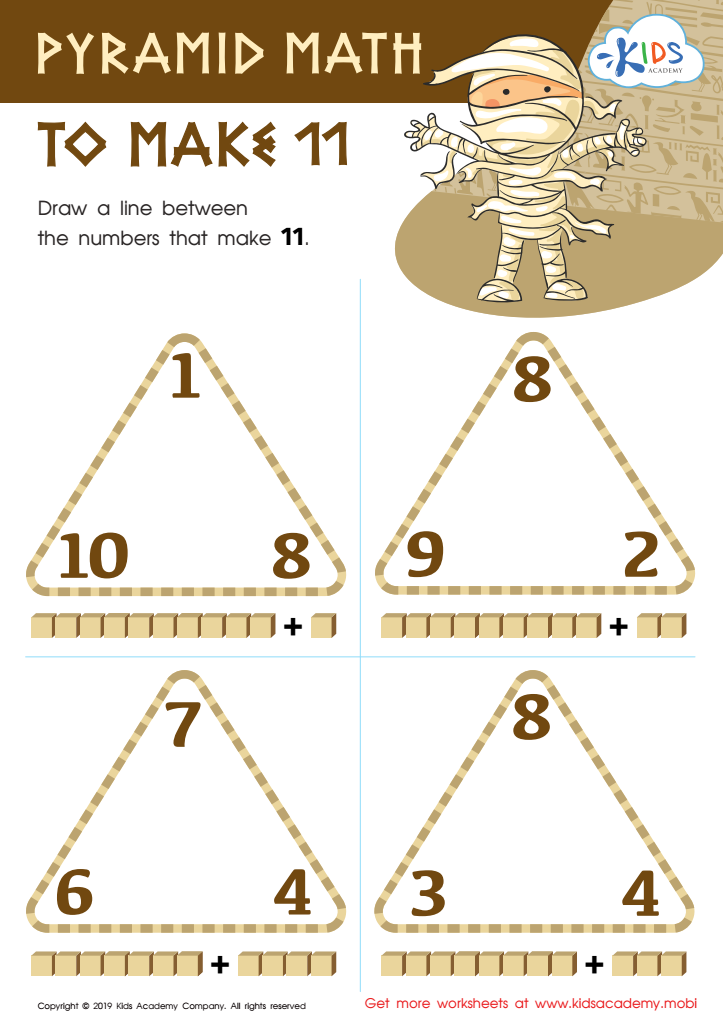
Pyramid Math to Make 11 Worksheet








Developing problem-solving abilities in children aged 5-8 is essential for their overall growth and success. At this age, kids are beginning to understand the world around them, and problem-solving skills provide a foundation for critical and analytical thinking. For parents and teachers, fostering these abilities helps children manage everyday challenges and tasks more independently, building their confidence and autonomy.
Moreover, problem-solving skills contribute significantly to academic success. When children learn how to approach and solve problems, they become more adept at grasping new concepts in subjects like math, science, and reading. They learn to break tasks into manageable parts, observe relationships, and reason logically, which are essential skills for lifelong learning.
Beyond academics, developing problem-solving abilities in young children enhances their social skills. When kids encounter social conflicts, whether it’s sharing toys or taking turns, having the tools to negotiate and find solutions peacefully fosters empathy, cooperation, and communication. This can lead to more harmonious interactions and friendships.
In summary, investing time and effort into nurturing problem-solving skills, whether at home or in the classroom, sets a solid foundation for children's academic achievements, personal autonomy, and social relationships. It's a critical facet of their development that supports their short-term growth and long-term success.








