Reading analog clocks Worksheets for Ages 5-8
9 filtered results
-
From - To
Introduce your child to the world of time-telling with our engaging Reading Analog Clocks Worksheets for ages 5 to 8. Designed to make learning fun, these printable worksheets help young learners understand clock faces and the basics of hours and minutes. Through hands-on practice, children will enhance their reading skills, boosting their confidence in telling time. Perfect for both classroom use and at-home practice, our worksheets align with early education standards, ensuring a comprehensive learning experience. Equip your child with essential life skills while keeping them entertained and motivated with our expertly-crafted educational resources.
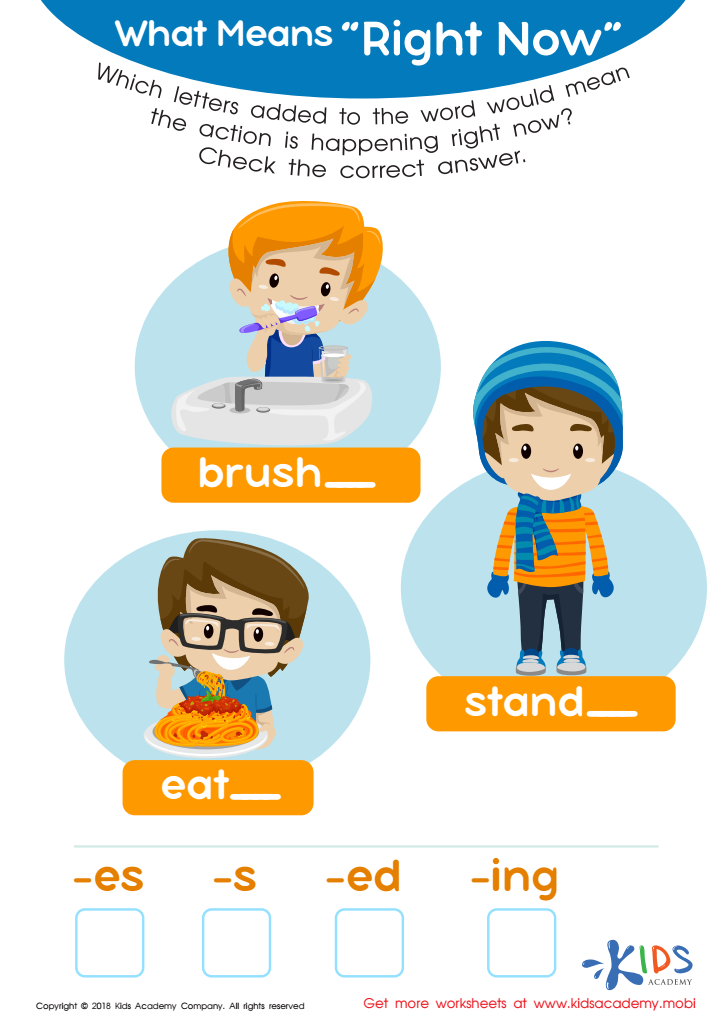
What Means "Right Now" Worksheet
 Assign to My Students
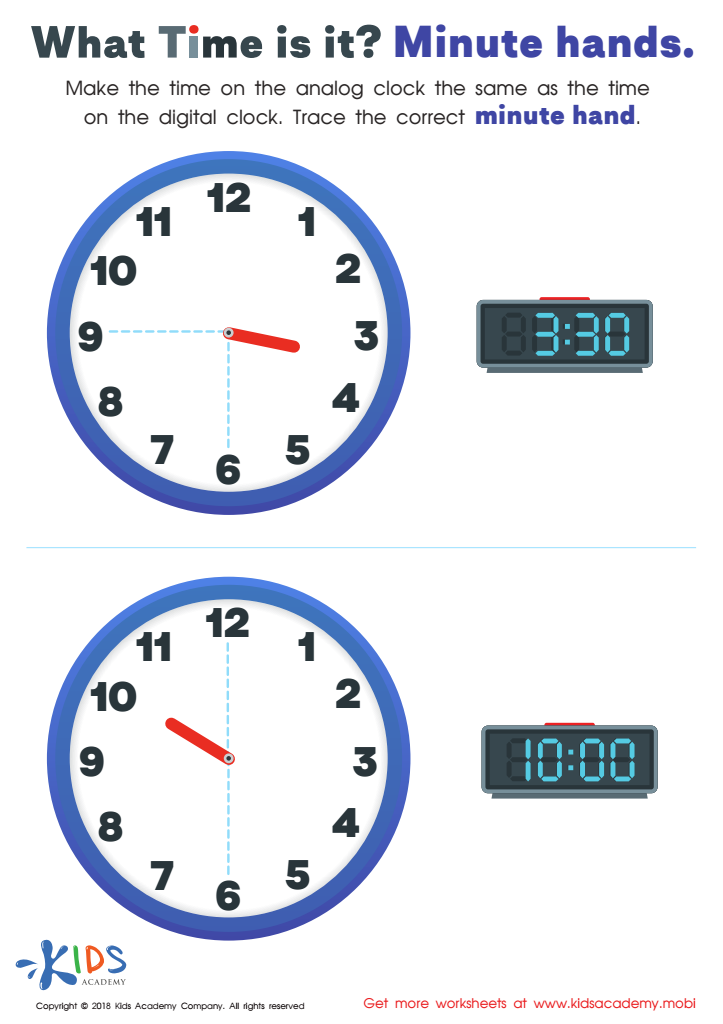
What Time Is it? Minute Hands Worksheet
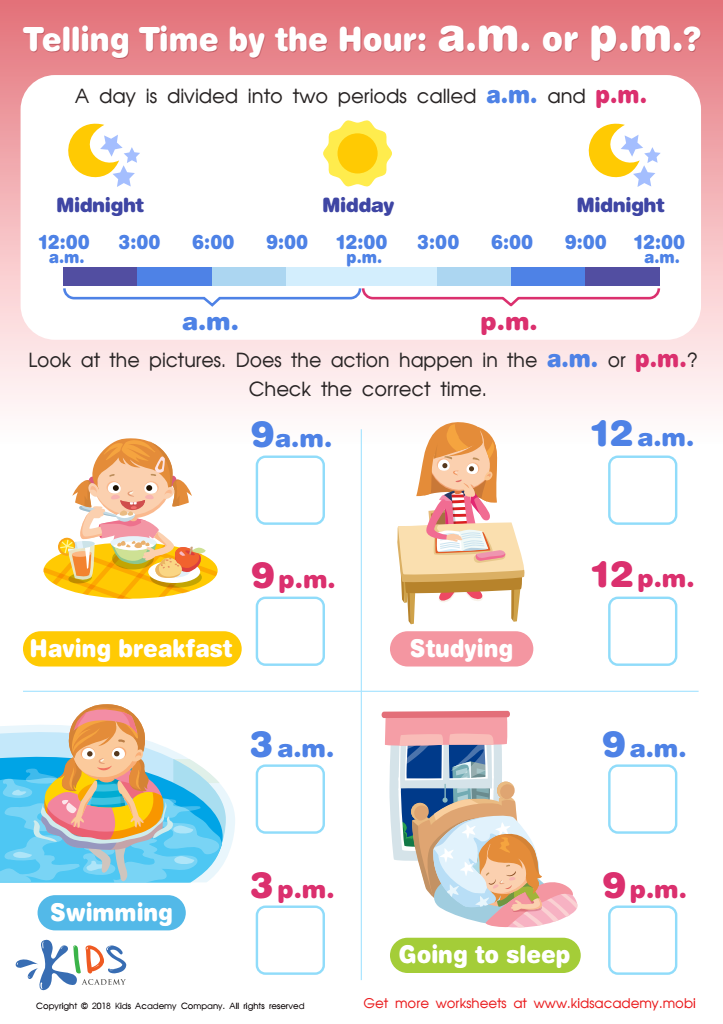
Tilling Time by the Hour: a.m. or p.m.? Worksheet
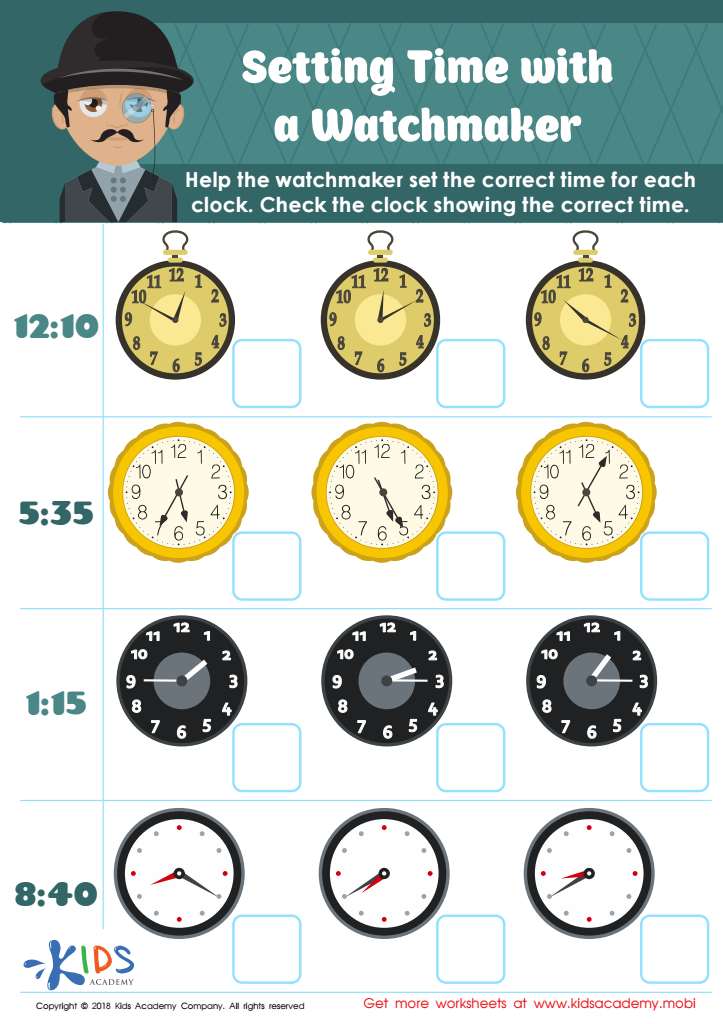
Setting Time with Watchmaker Worksheet
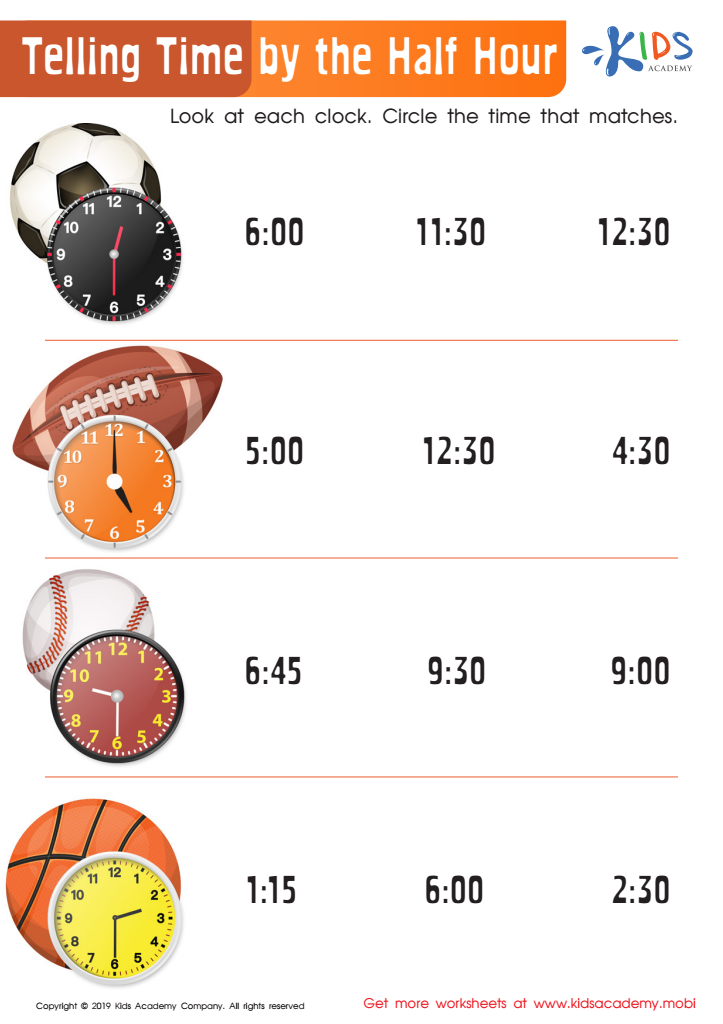
Telling Time by the Half Hour Worksheet



.jpg)



Reading analog clocks is a vital skill for children aged 5-8 and holds significant importance for both parents and teachers alike. At this developmental stage, learning to read analog clocks facilitates the understanding of time, an essential life skill. It helps children grasp the concepts of hours, minutes, and the passage of time in a concrete manner.
Analog clocks also aid in developing fine motor skills through the movement of clock hands during interactive learning activities. Moreover, reading an analog clock enhances cognitive abilities such as critical thinking and problem-solving. It requires children to interpret the positions of the clock hands and calculate the exact time, teaching early mathematical concepts such as fractions and the base-60 number system.
Significantly, analog clocks promote time management skills. When children can read an analog clock, they become more aware of their daily routines, such as starting and finishing school activities, and they learn to manage their time effectively from an early age.
Additionally, it's essential for foundational literacy and numeracy. Traditional techniques of telling time are still widely used in various aspects of life, making this skill indispensable. By encouraging children to learn this skill, parents and teachers prepare them for practical, everyday situations and instill a sense of punctuality and responsibility.








