Recognize shapes Worksheets for Ages 5-8
12 filtered results
-
From - To
Discover our engaging "Recognize Shapes Worksheets for Ages 5-8," designed to make learning fun and interactive. These expertly crafted worksheets from Kids Academy help children identify, classify, and draw various shapes. Perfect for developing early math and geometry skills, each worksheet combines vibrant illustrations with step-by-step instructions, ensuring a comprehensive learning experience. Our printable resources cater to different learning styles, making them suitable for both classroom settings and at-home practice. Watch as your child builds confidence and a strong foundation in shape recognition while enjoying the process. Boost your child's education with our Shapes Worksheets today!
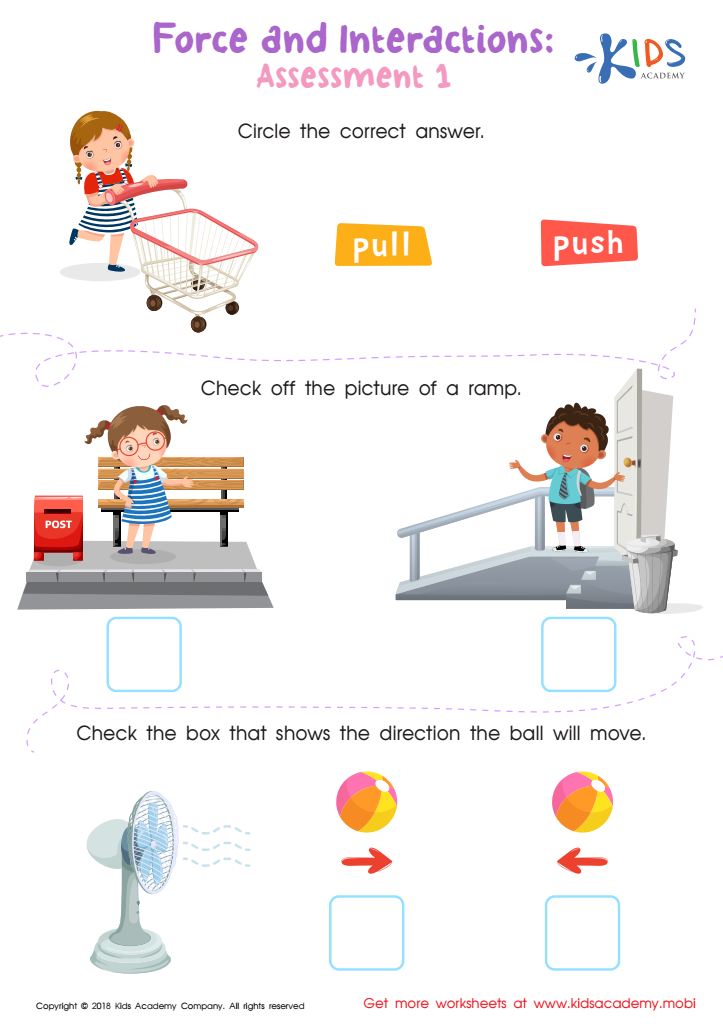
Force and Interactions: Assessment 1 Worksheet
 Assign to My Students
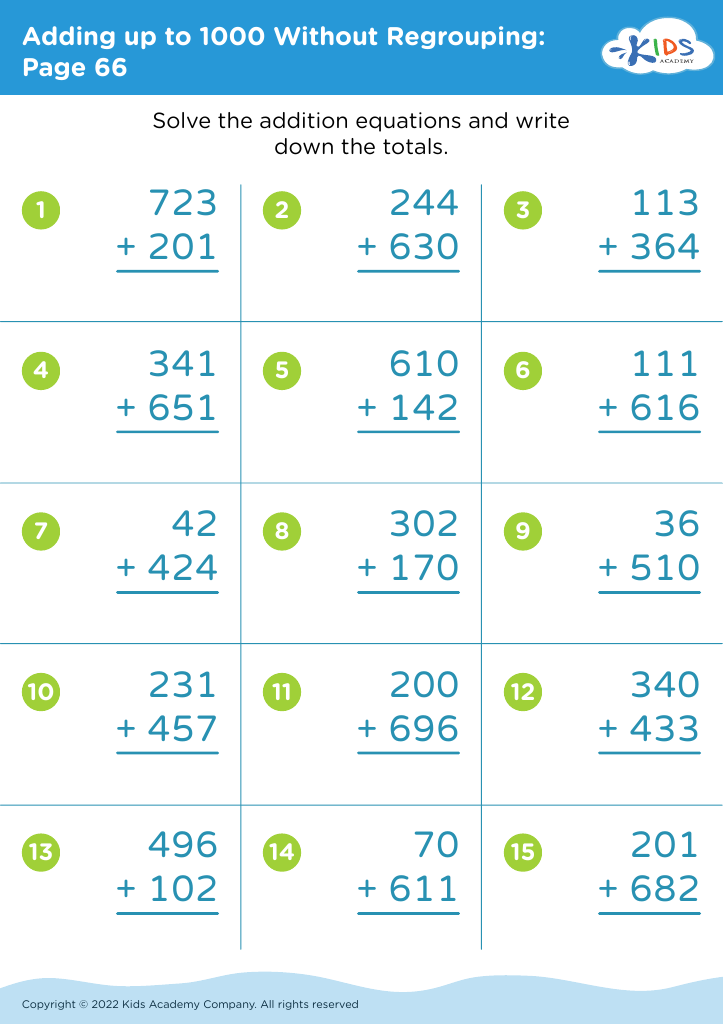
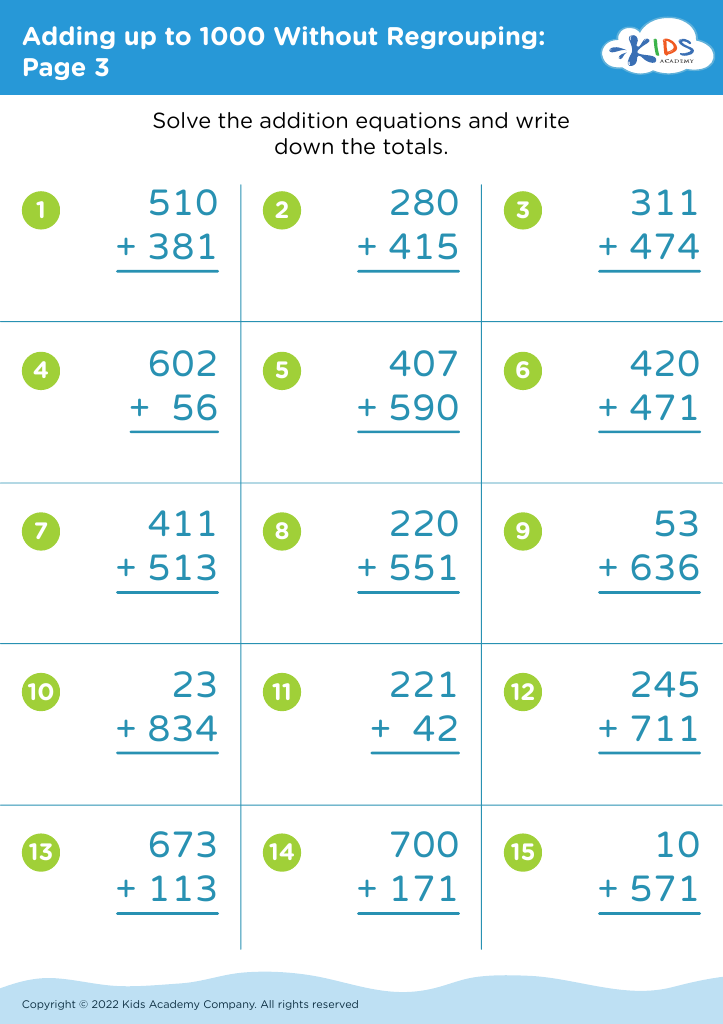
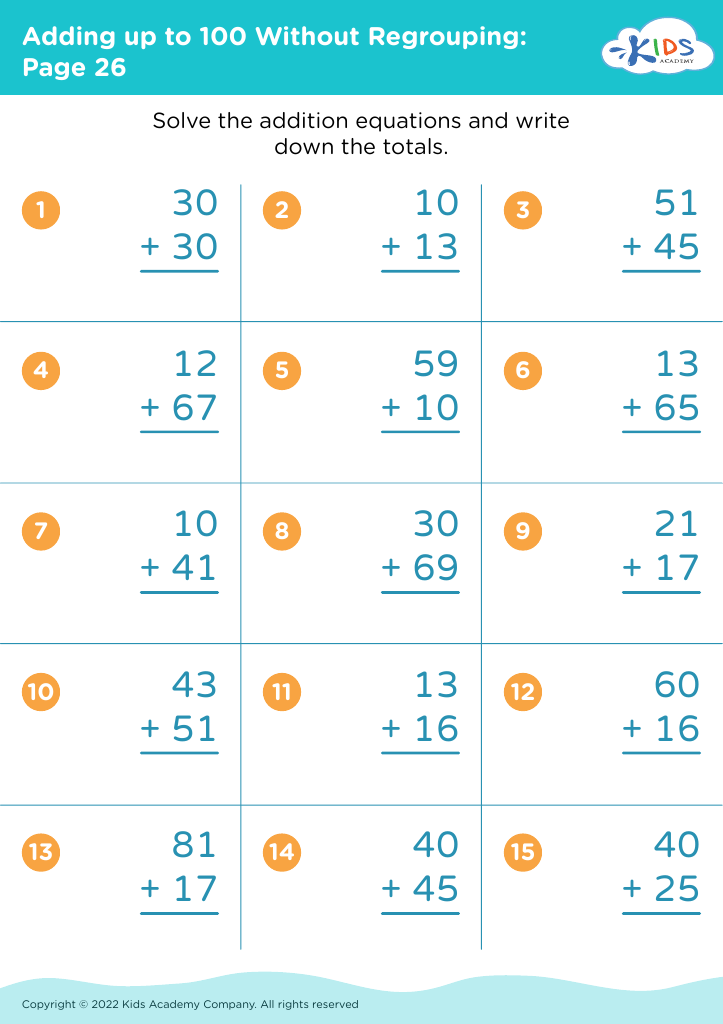
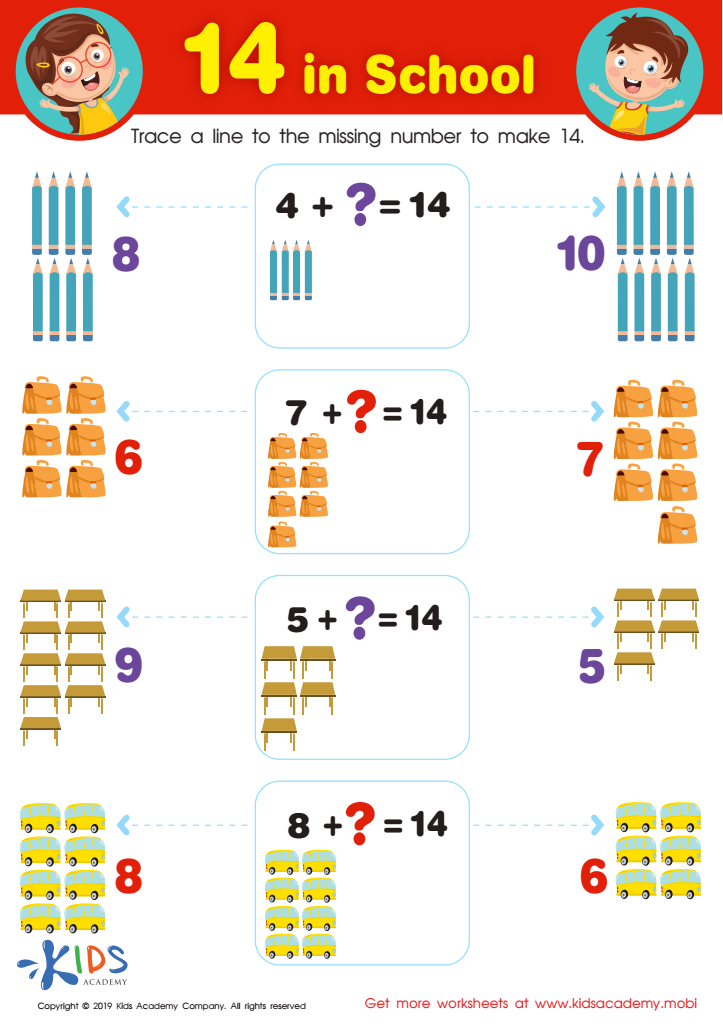
14 in School Worksheet








Recognizing shapes is a fundamental skill that forms the building blocks of a child’s cognitive and mathematical development. For children ages 5-8, being able to identify and differentiate shapes enhances their spatial awareness and visuo-motor skills. These young learners begin understanding the world around them by observing patterns, form, and structure — essential concepts for subjects like geometry. When children recognize shapes, they boost their problem-solving abilities and logical thinking — skills that are crucial in everyday tasks and future academic learning.
Moreover, shapes serve as a prelude to more complex mathematical concepts, such as measurement, symmetry, and properties of two-dimensional and three-dimensional objects. Early fluency in shape identification supports literacy as well: letters and numbers are based on geometric shapes. Reading becomes easier when a child can distinguish different letters based on their shapes.
From a cognitive perspective, engaging in shape recognition activities promotes a stronger grasp of visual information processing. Shapes also lay the groundwork for creativity, explaining why arts and crafts play a role in early education. Whether forming a circle with playdough or assembling puzzles, these activities help children develop fine motor skills and eye-hand coordination. Ultimately, understanding shapes is both a developmental milestone and an essential educational objective that influences how children perceive and interpret their environment.








