Science knowledge Worksheets for Ages 5-8
5 filtered results
-
From - To
Explore our engaging Science Knowledge Worksheets designed specifically for ages 5-8! Through fun and interactive activities, these worksheets will spark curiosity and develop foundational science skills in young learners. Topics span from the basics of nature and weather to simple experiments and animal facts, encouraging hands-on learning and critical thinking. Perfect for classroom or home use, each worksheet is crafted to inspire and motivate children while providing a seamless blend of education and entertainment. Help your little scientists embark on an adventurous journey of discovery and cultivate a lifelong love for science with these carefully curated resources.
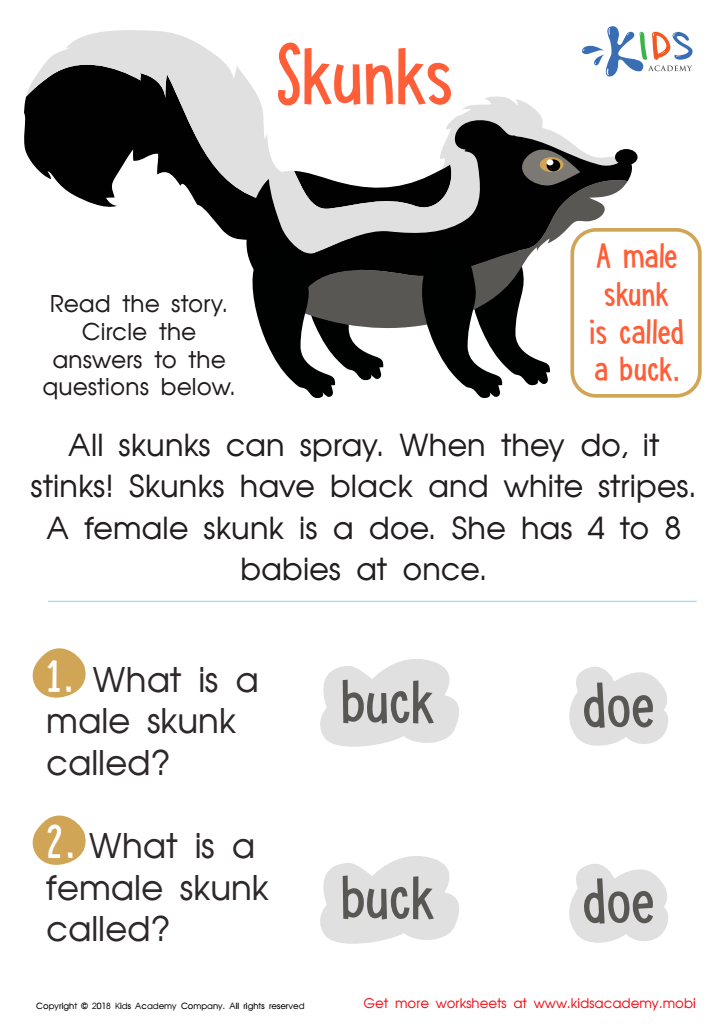
Skunks Worksheet
 Assign to My Students
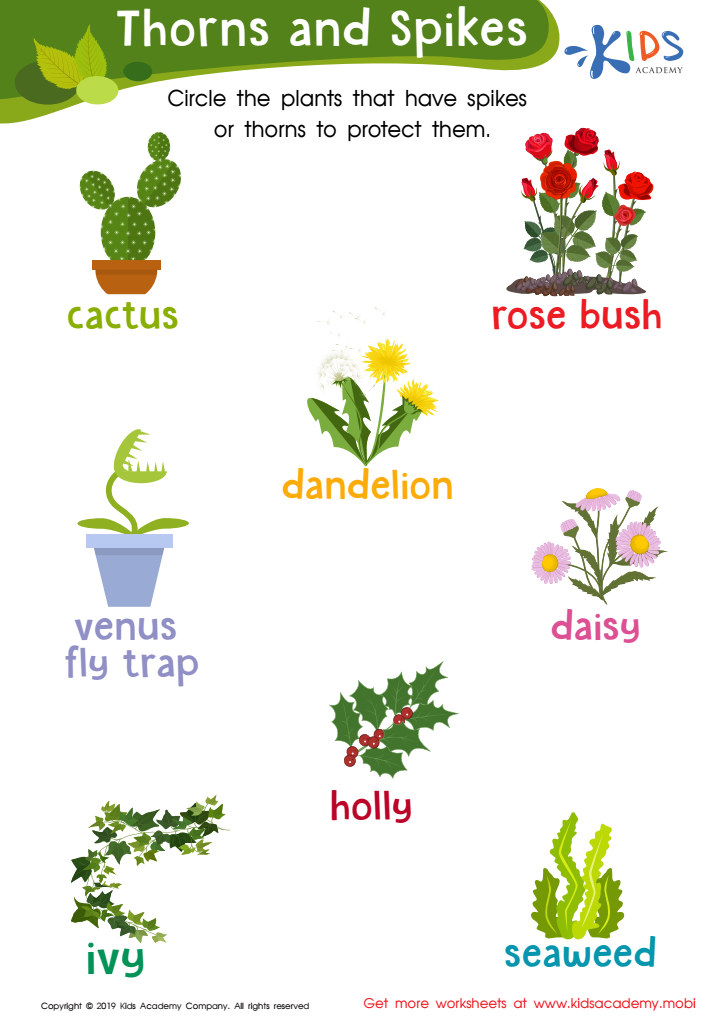
Thorns and Spikes Worksheet
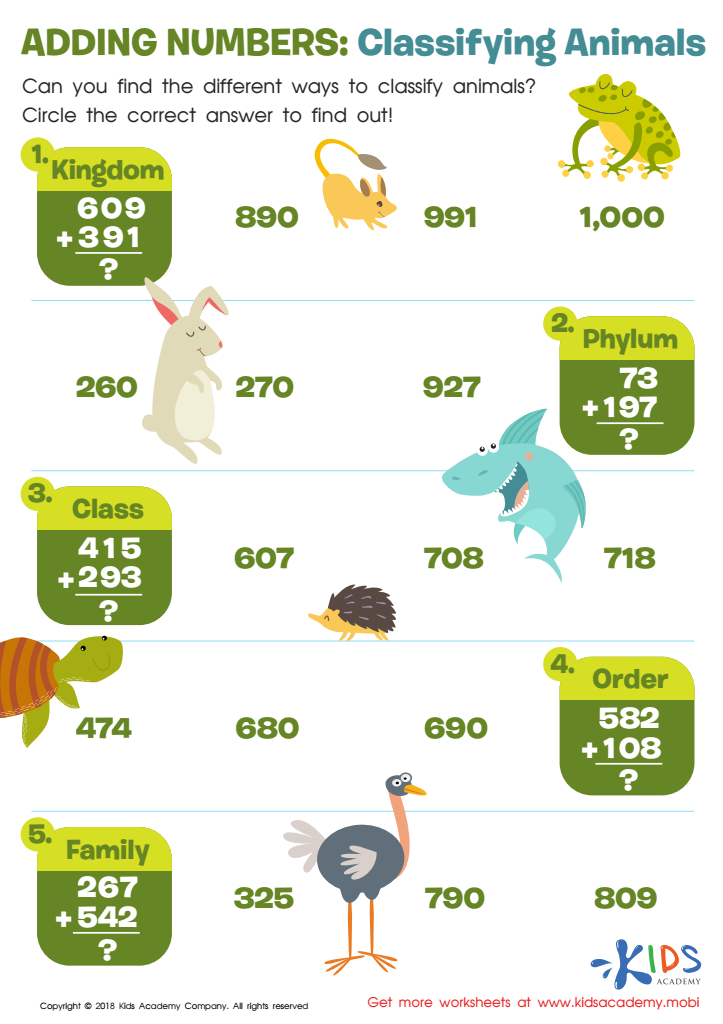
Adding Numbers: Classifying Animals Worksheet
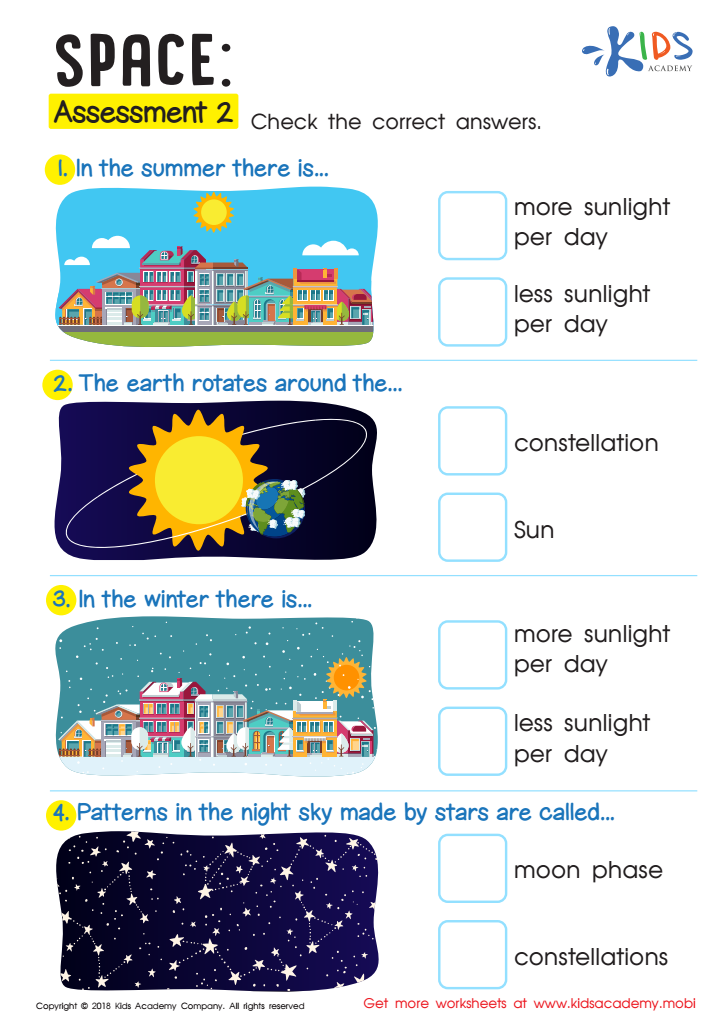
Space: Assessment 2 Worksheet





.jpg)


Introducing science to children aged 5-8 is crucial for several reasons. At this age, children are naturally curious about the world around them, making it an ideal time to develop their interest in science. Engaging in scientific exploration helps to cultivate critical thinking and problem-solving skills, which are foundational for many aspects of learning and future success. Early exposure to science encourages children to ask questions, think logically, and understand how things work, fostering a mindset that is inquisitive and analytical.
Moreover, science activities support the development of key skills such as observation, measurement, and data collection. These activities often involve hands-on, experimental learning, which can be especially engaging for young minds and helps to make abstract concepts concrete. This kind of learning enhances motor skills and coordination as well.
Science education at a young age also has social benefits. It often involves collaborative projects that teach children teamwork and communication skills. Additionally, science literacy is critical in our increasingly technology-driven society. Early knowledge and enthusiasm for science can pave the way for future learning and potentially spark a lifelong interest in STEM (Science, Technology, Engineering, and Mathematics) fields.
In essence, nurturing an interest in science during these formative years lays a strong educational foundation, promoting cognitive and social development, and equipping children with essential life skills.








