Sentence formation Worksheets for Ages 5-8
6 filtered results
-
From - To
Develop your child’s communication skills with our Sentence Formation Worksheets tailored for ages 5-8. These engaging worksheets are designed to enhance young learners’ ability to construct clear and compelling sentences. Through a series of fun and interactive activities, children will practice grammar basics, build vocabulary, and understand sentence structure. Our resources support kids in crafting simple to more complex sentences, perfect for developing early writing skills. Ideal for both classroom and home use, these worksheets will help your child gain confidence in their writing and communication abilities. Jumpstart your child’s journey to becoming an articulate writer today!
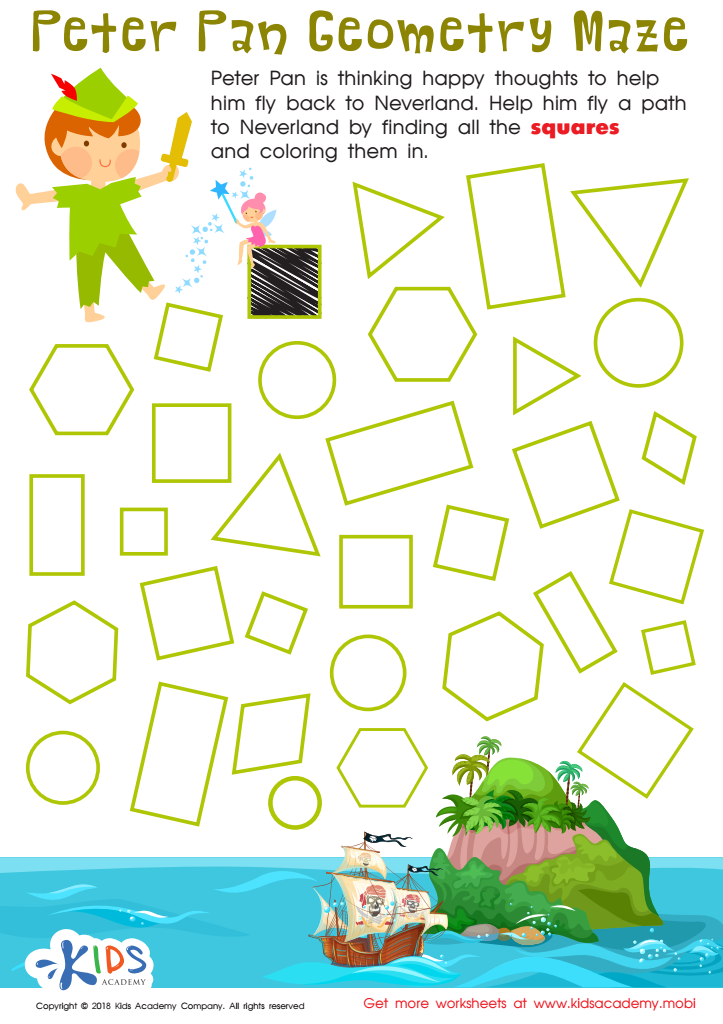
Peter Pan Worksheet
 Assign to My Students
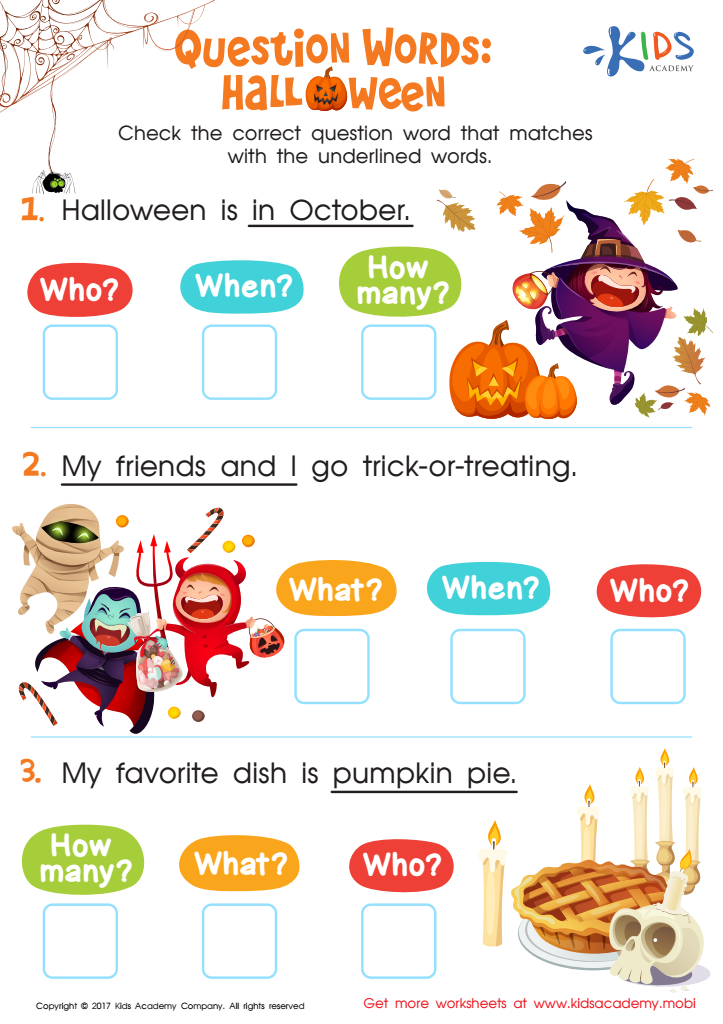
Question Words: Halloween Worksheet
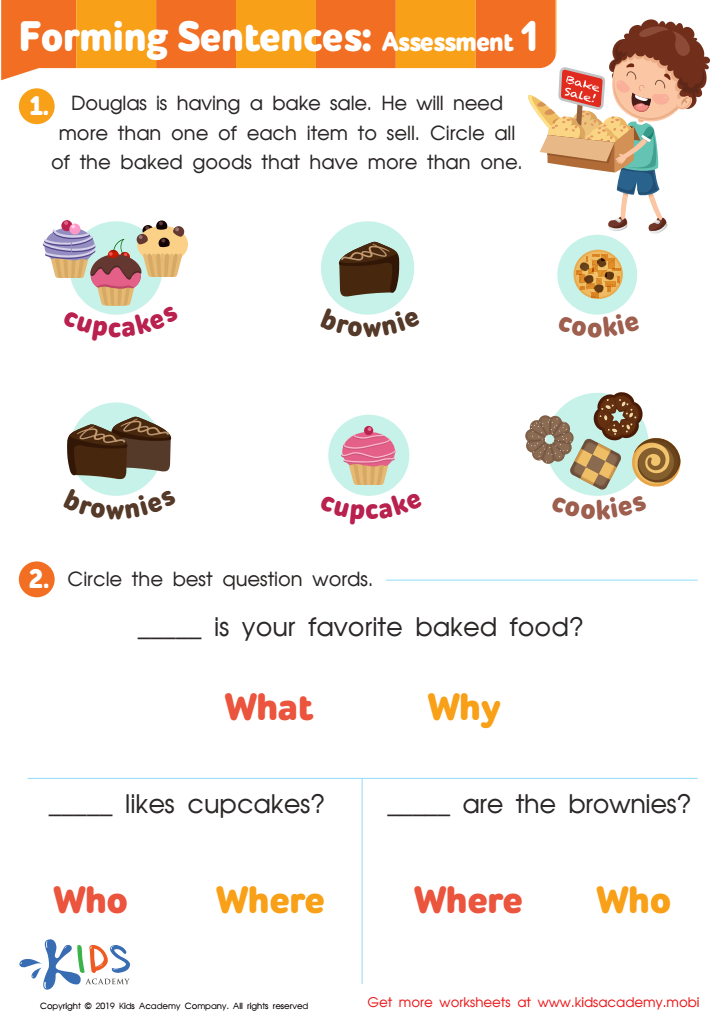
Forming Sentences: Assessment 1 Worksheet
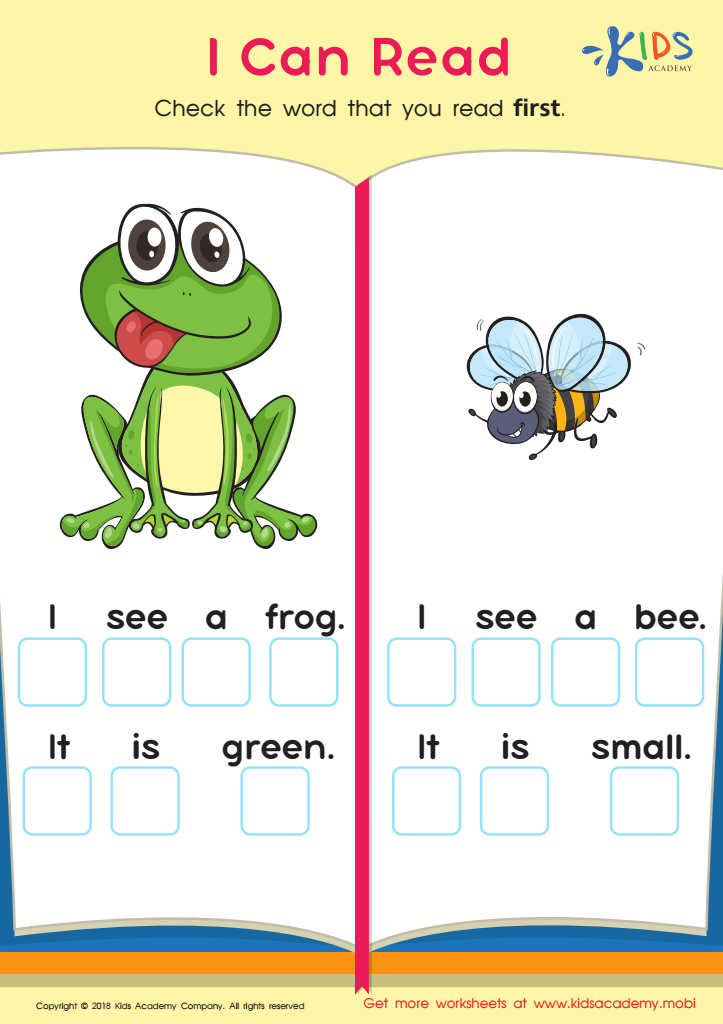
I Can Read Worksheet
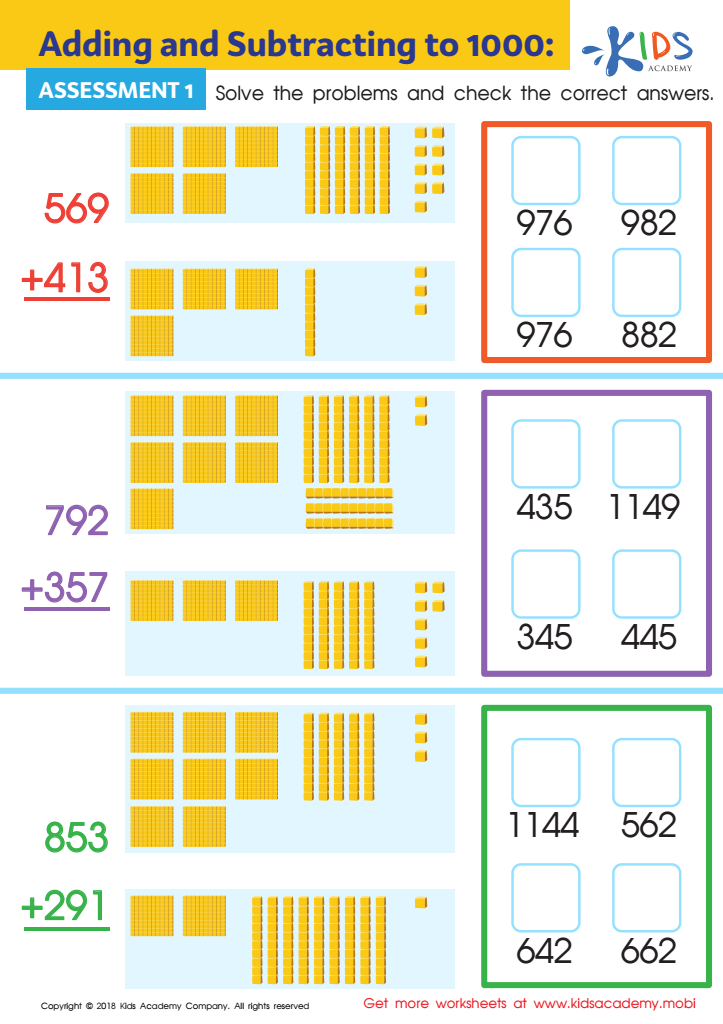
Adding and Subtracting to 1 Worksheet: Assessment 1
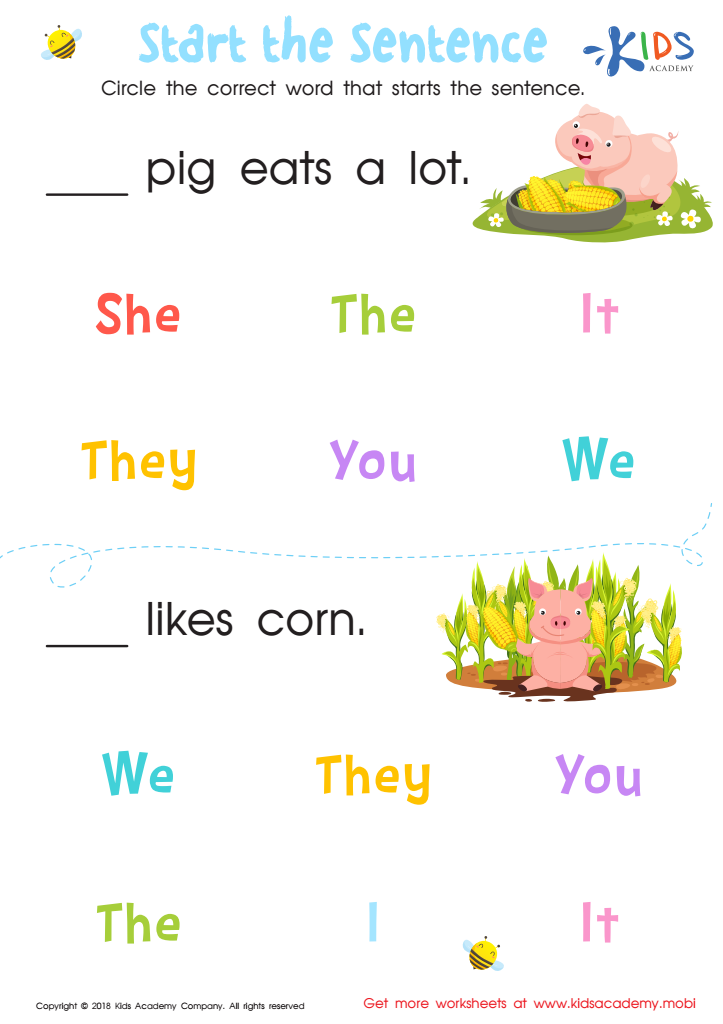
Start the Sentence Worksheet








Sentence formation is a foundational skill for young children ages 5-8, vital for their academic and social development. At this stage, children's brains are highly receptive to learning language patterns, making it crucial for parents and teachers to nurture this skill.
Proper sentence formation enhances communication abilities, enabling children to express their thoughts, needs, and emotions clearly. This clarity is not only important for everyday interactions but also key to effective learning in various subjects. For instance, if a child can form a well-structured sentence, they are more likely to understand and complete reading and writing tasks successfully.
Moreover, strong sentence formation supports cognitive development by improving memory, focus, and problem-solving abilities. When children learn how sentences are constructed, they grasp essential grammatical rules and vocabulary usage, forming the foundation for more complex language skills they'll need later on.
From a social perspective, the ability to form coherent sentences bolsters self-confidence. Children who can articulate themselves are more likely to engage in classroom discussions, form friendships, and avoid misunderstandings.
In summary, investing attention in sentence formation during these early years equips children with essential tools for intellectual growth and social interaction, laying a strong foundation for their future academic success and personal development.








